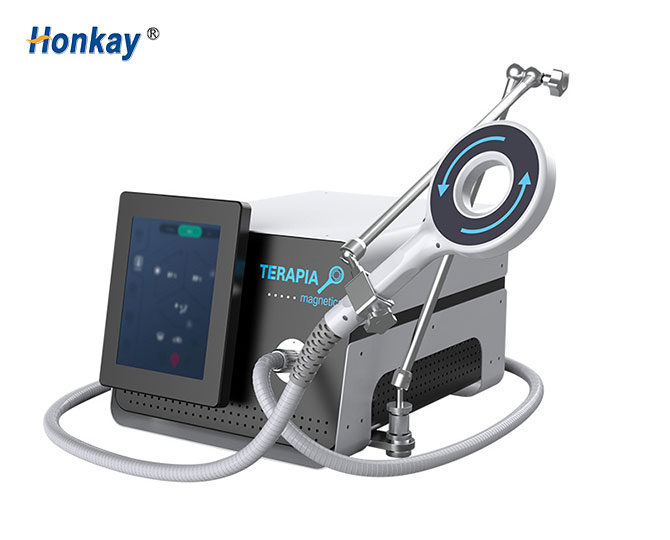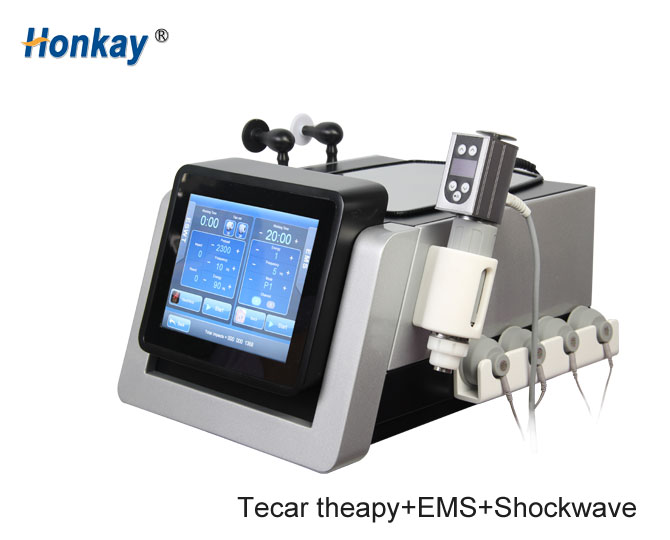
Electromagnetic Therapy Devices for Home Use: Room, Routine and Records
A home treatment setup is not a smaller clinic. In a clinic, electromagnetic therapy devices live in a room built around them, and the person operating them works with the same unit every day. At home the same machine has to fit a room that already has a purpose, share the household’s power and schedule, and be run by someone who may never have used a therapeutic device before.
That changes the specification. What follows is the practical side of buying and running a portable unit at home: the room it needs, the applicator set worth paying for, how a session is set up, and the records that keep it working when someone else takes over.

What changes when electromagnetic therapy devices move into a home
The operator is usually not a clinician. At home the person setting the parameters is often the person being treated, or a family member helping. That moves the manual and the training handover into the specification: which language the manual is written in, who delivers the training and in what form, and who is named for questions after delivery.
There is no rotating caseload. Most PEMF home devices are bought for one or two people, so you do not need every applicator diameter in the catalogue — only the two or three that fit the bodies in the house.
The room is shared. A spare bedroom or a living room cannot be arranged around a machine, so cable routing, storage and the treatment position have to be planned rather than improvised.
The room: surface, space and power
| What to check | What good looks like | Why it matters at home |
|---|---|---|
| Treatment surface | A firm table or a bed at a height where the operator can reach the panel without stooping | A soft sofa changes the loop position from one session to the next |
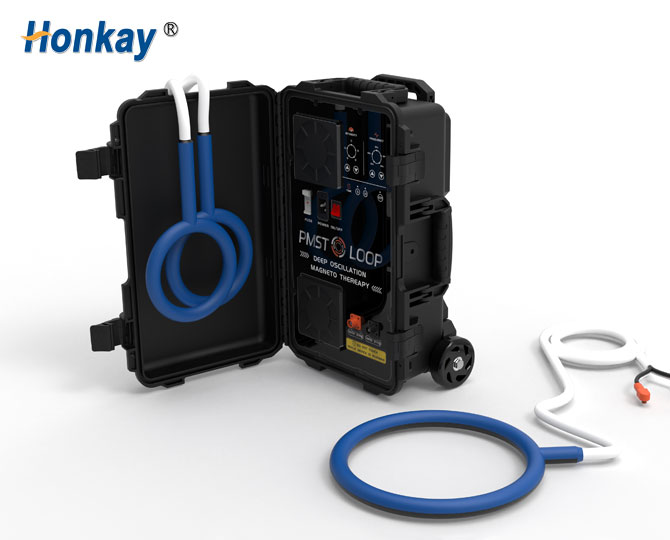
| Footprint | Room beside the treatment surface for the case, open, within reach of the cable | The unit works with the lid open, and the applicators live in the lid |
| Power | A wall socket within reach of the supplied cable, with nothing crossing a walkway | A lead across the floor is the most common home hazard, not the machine |
| Storage | Loops coiled at their natural diameter, hanging or in the case | A folded loop takes a set, and a set loop is a repair |
| Access | A doorway, lift or staircase the packed case fits through | Worth checking before you order, not on delivery day |
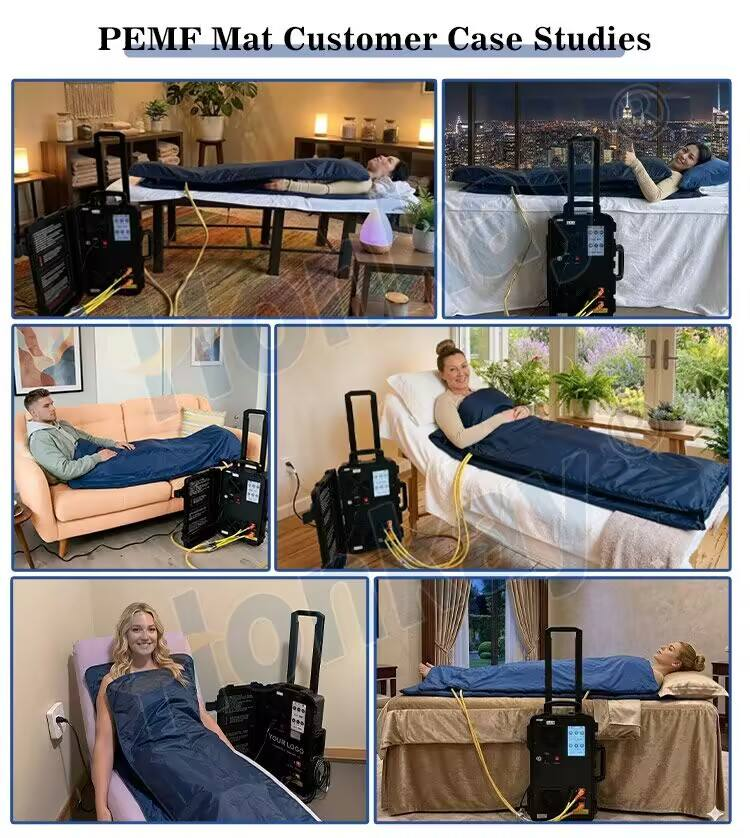
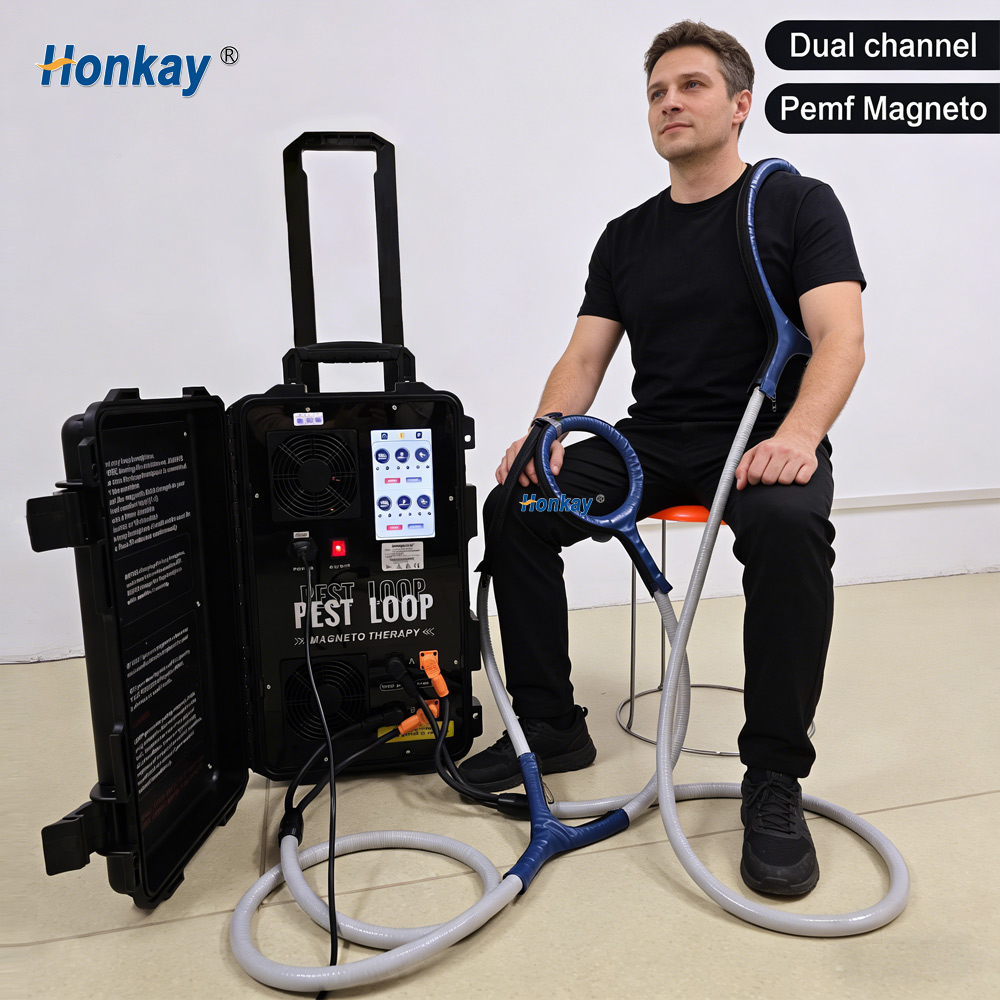
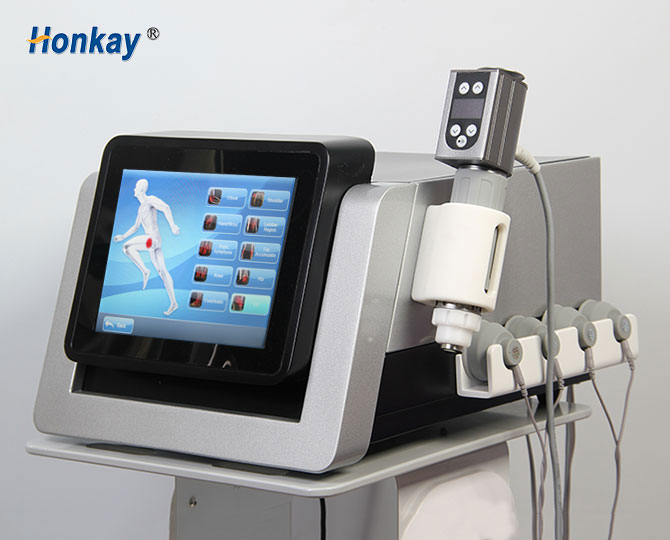
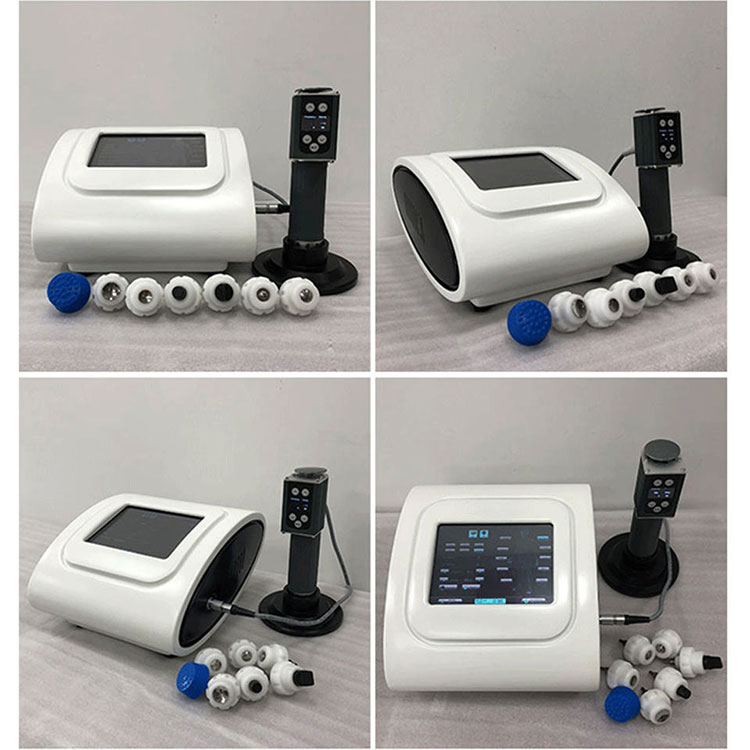
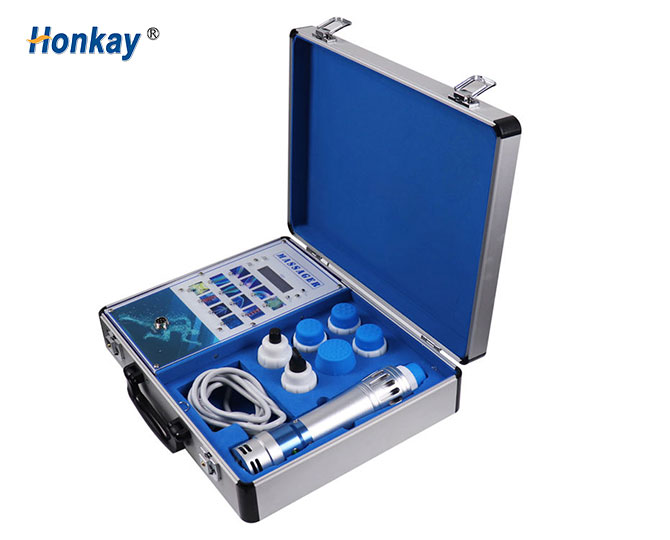
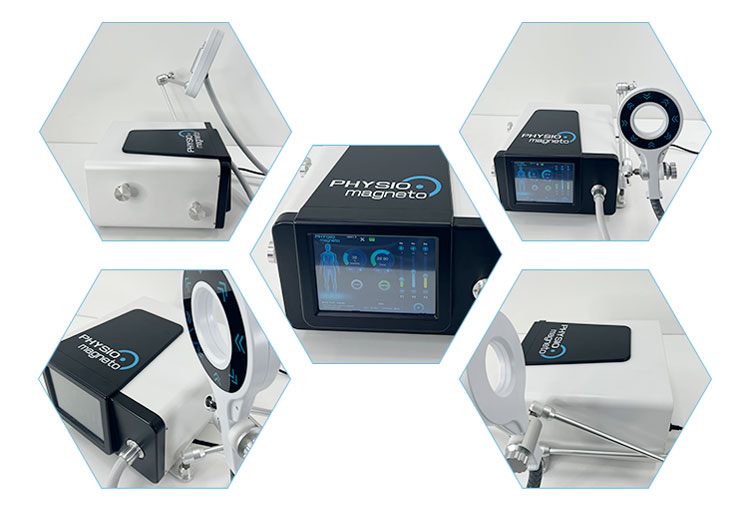
The case holds the unit and the applicators, so storage and working space are the same question. The manufacturer’s specification panel for this class of unit lists the packed case at 630 × 430 × 410 mm and 35 kg — the figure to hold against your doorway, your stairs and whether one person has to move it.
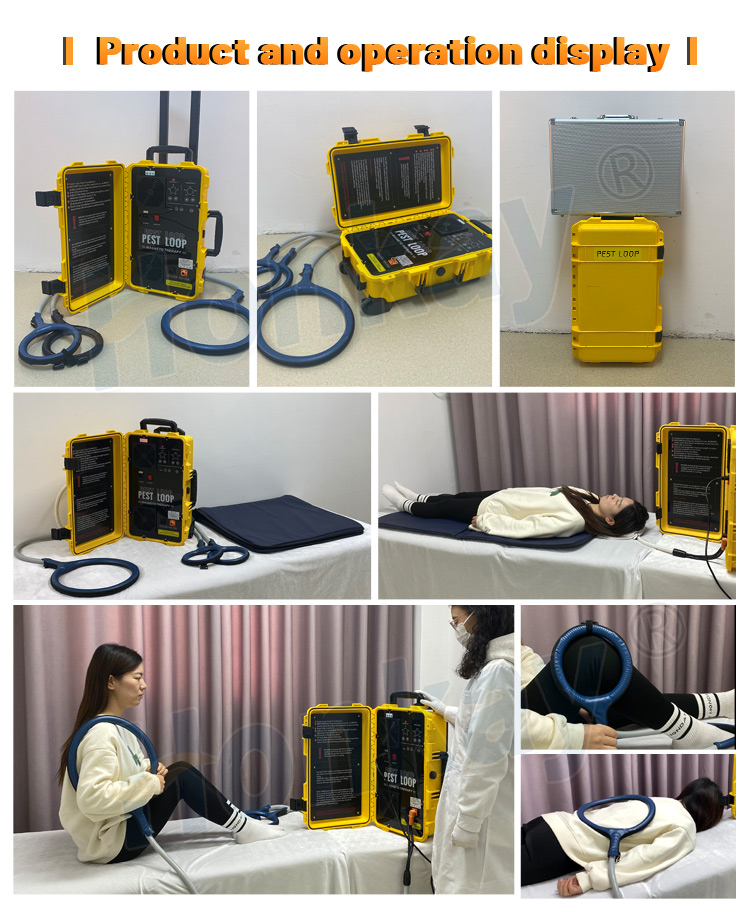
Working height is the part people get wrong. The operator has to see the panel and reach the loop without stooping, and the person being treated has to stay still for the whole session. A treatment table at the right height does both; a bed at the wrong height means one of the two is uncomfortable and the loop moves.
The applicator set a home user actually needs
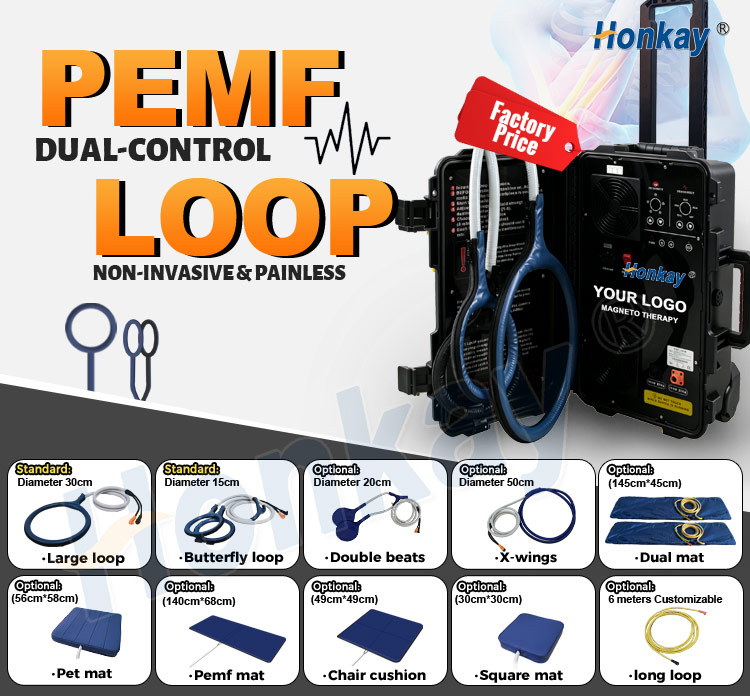
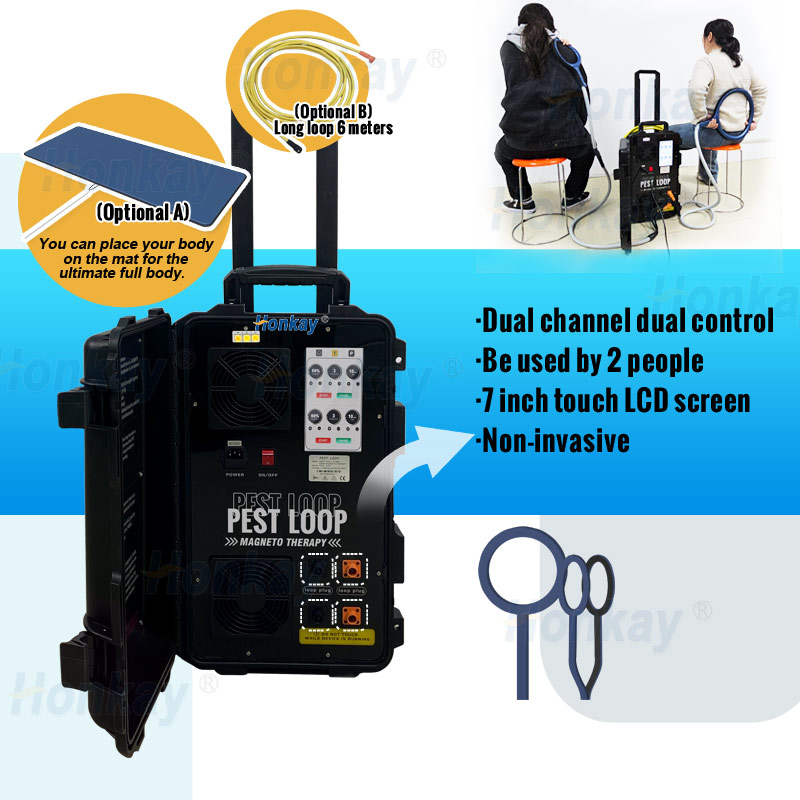
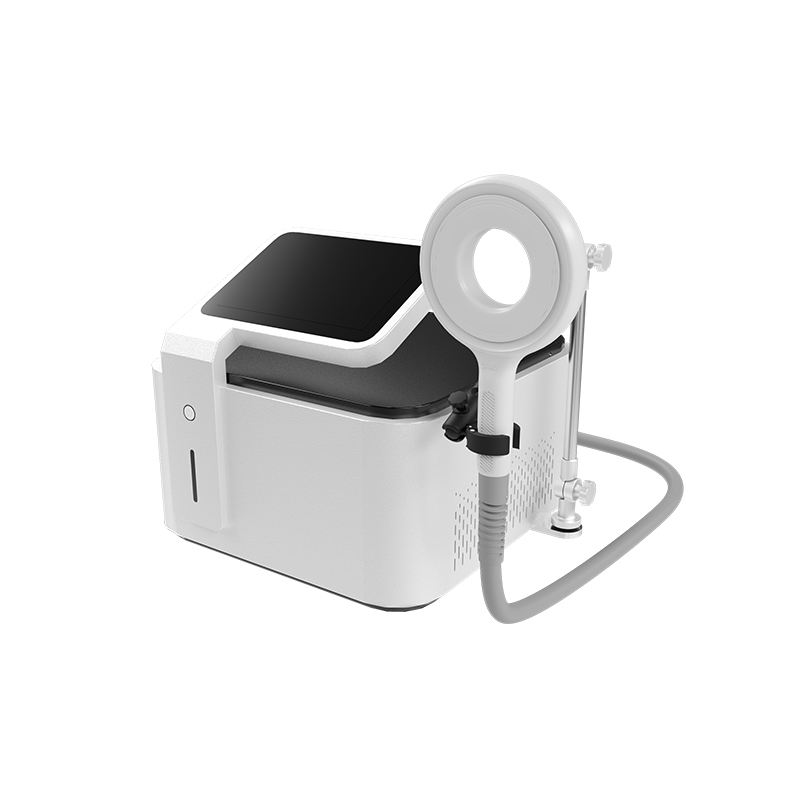
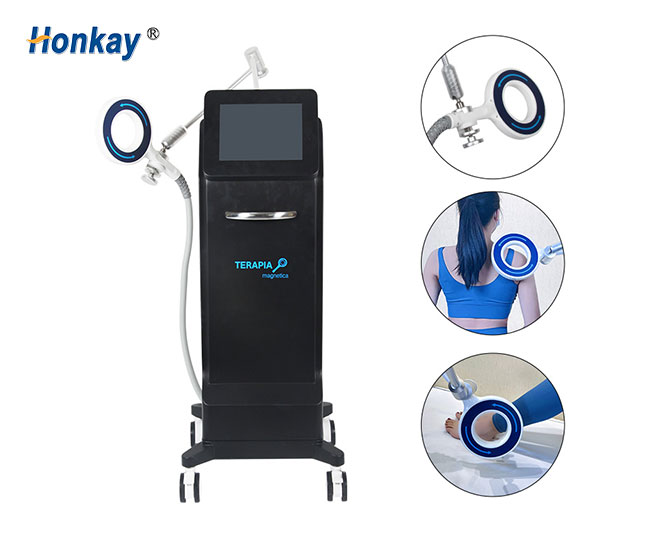
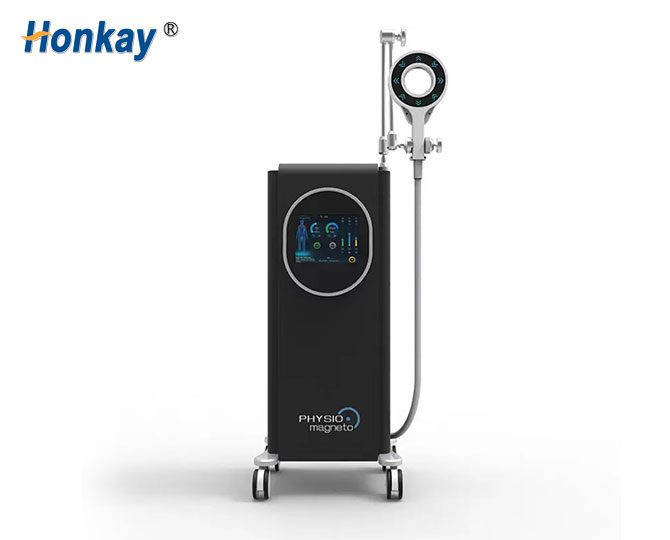
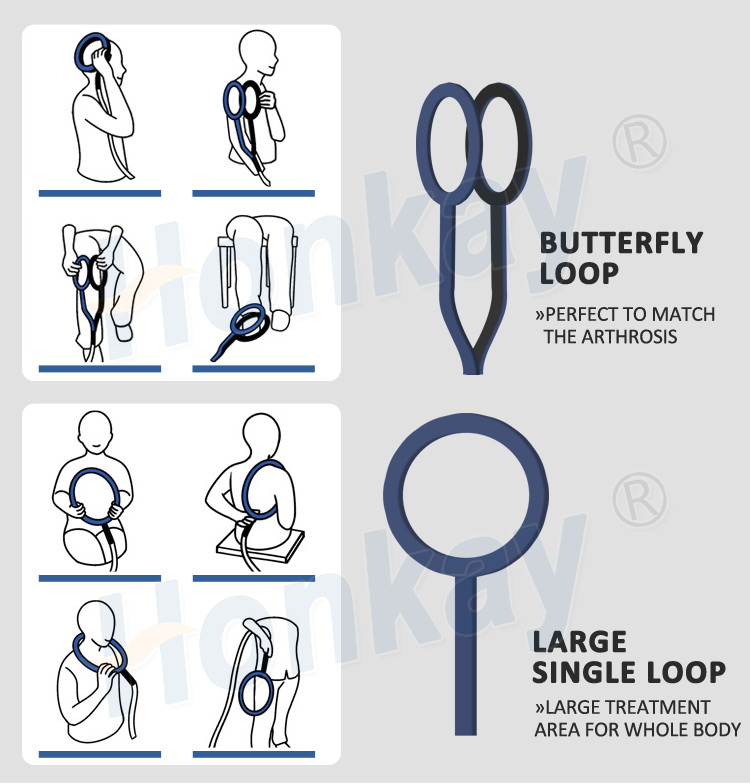
- A large single loop encircles a limb or the torso. It is the applicator to order first.
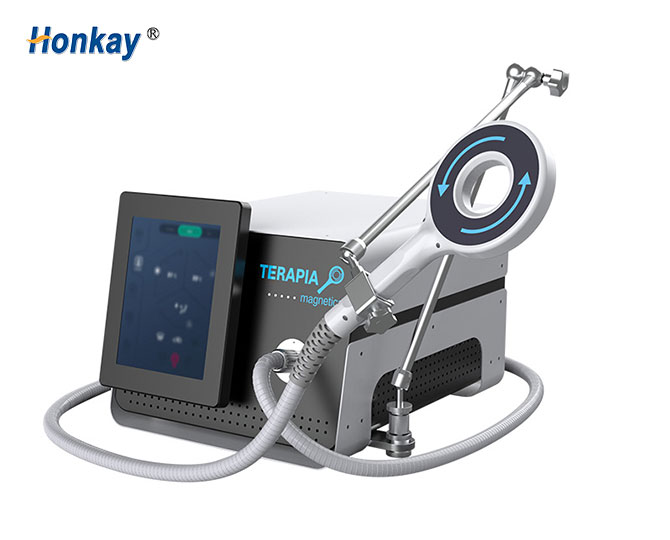
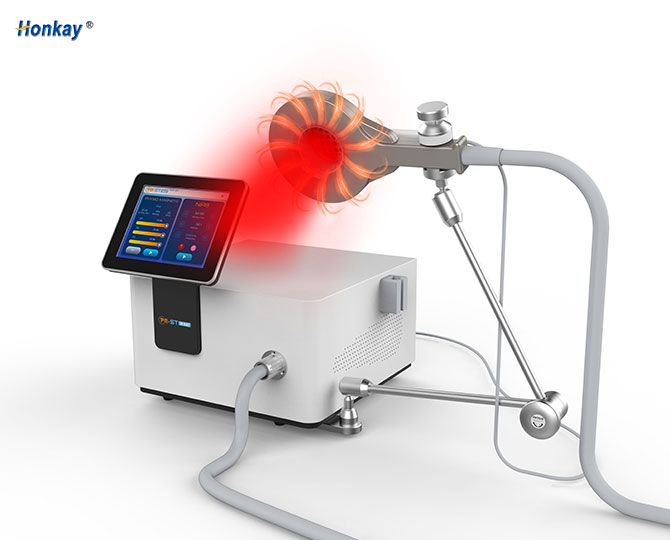
- A butterfly loop is the smaller, double-lobed applicator. Its lobes sit either side of a joint or a limb, where a single loop is too large to sit well.
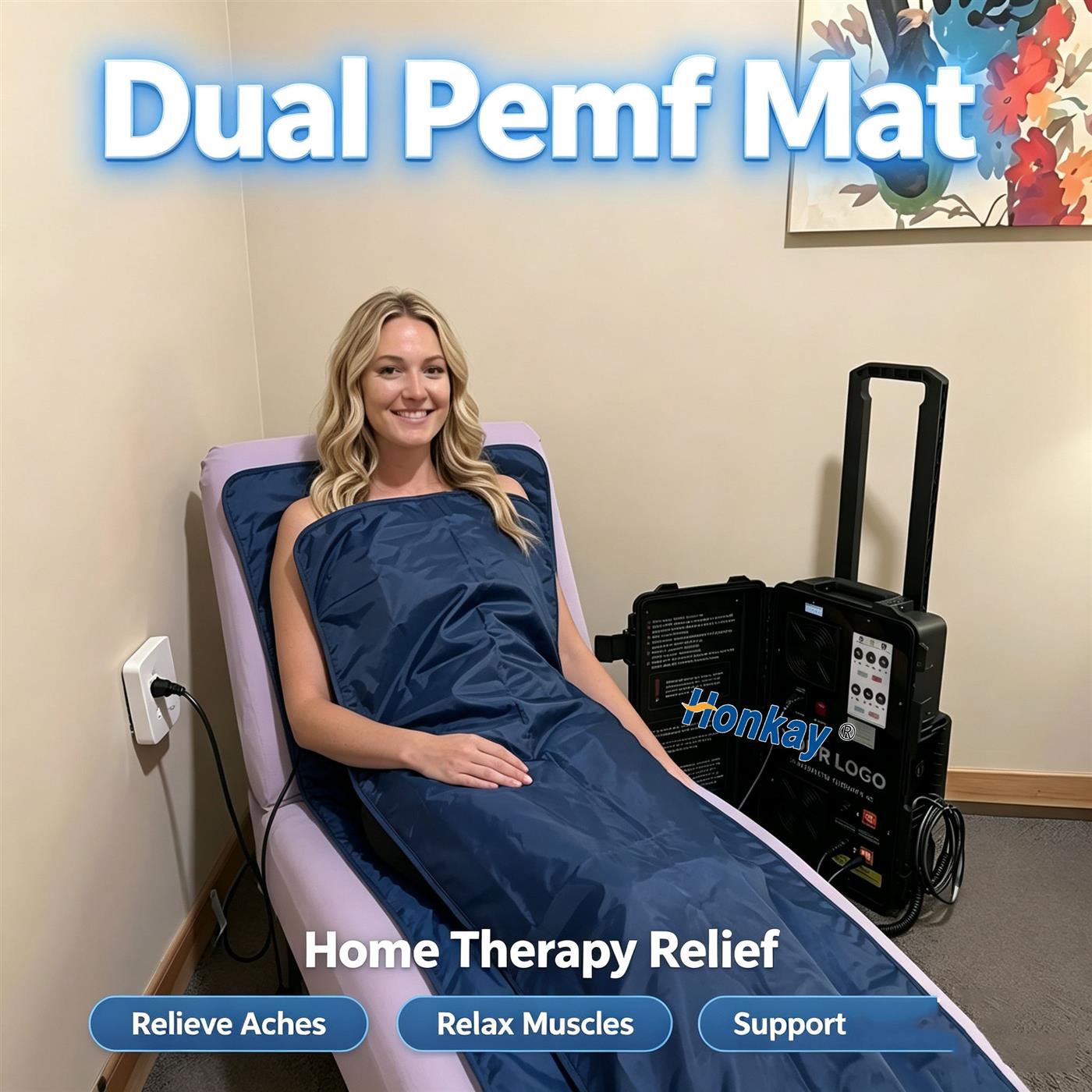
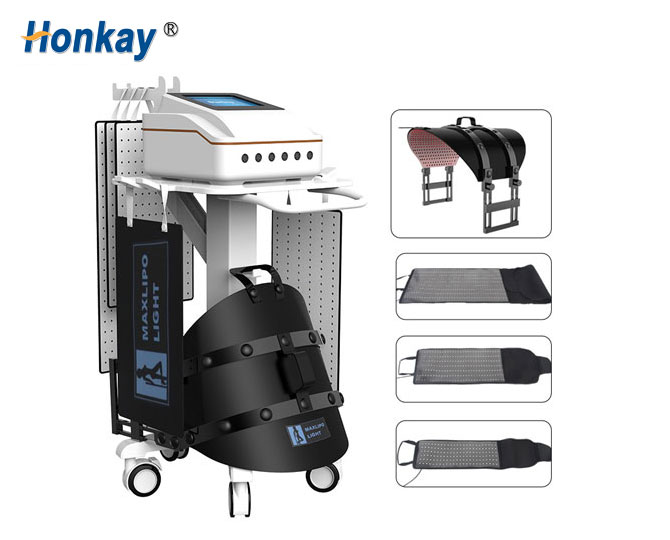
- A mat is the alternative for a back, and the right choice for anyone who cannot hold a seated position or stay still with a loop in place.
If you are comparing PEMF devices for home use, the starting specification is one large loop plus one smaller applicator, with a mat added only if the working area or the person’s sitting tolerance calls for it. Ask for the diameter list: a quotation that says “small loop” cannot be compared with one that states millimetres.
Running a session: order of setup and what to keep constant
- Position the case on a stable surface within reach of the socket, lid open, panel facing the operator.
- Uncoil the applicator fully before it goes near the person: a partly coiled loop is a different working geometry from an opened one.
- Place the loop or the mat around the area being worked on and support it — a folded towel under a knee keeps the position stable.
- Set frequency, intensity and time on the panel, using the level you used last time unless something has changed.
- Stay in the room for the session. At home there is no colleague to notice that the loop has shifted.
The panel offers selectable frequency, intensity and time settings rather than one fixed programme, which is why the range and the step size between levels belong in the quotation.
Between sessions, wipe the applicator and the surface. There is no gel or contact medium to buy for each session; the recurring item is the applicator itself, when it eventually wears.
What to record, and why it matters more at home
In a clinic, the person running the machine is the record. At home, the record is the only continuity there is.
One line per session is enough: the date, the area worked on, the applicator used, the settings, the duration, and anything that changed. Add the serial number and the delivery date on the first page.
That page does three jobs: it tells the next operator what was already tried, it answers the first question any service conversation starts from, and it is the evidence a warranty claim is built on — that process asks for the serial number and a short video of the issue.
The warranty runs 24 months from the factory shipment date, so the delivery date starts the clock. Keep the manual with the unit, in a language the operator reads.
Specifications and terms to confirm in writing
The comparison that decides value is rarely on the price line.
| Item to confirm | Why it matters |
|---|---|
| Energy intensity range, with the measuring point stated | The same figure means different things at different distances from the loop |
| Full applicator list with diameters | The only way two quotations can be compared line by line |
| Parameter ranges with step sizes | Decides how much of the setup repeats on its own |
| Packed size and weight | The case has to clear a doorway and be movable by one person |
| Mains voltage and plug type | Confirm for your country before shipping, not after |
| Manual language and training handover | The operator may not be a clinician |
| Spares list and lead time | Loop connectors and cables are the parts that get replaced |
| Warranty terms | Written as 24-month warranty from the factory shipment date, with the claim process set out |

Frequently asked questions
Do I need a dedicated room for a PEMF unit at home?
No. A corner of an existing room works if the treatment surface is firm, a socket is within reach of the cable, and household traffic does not cross the loop position. Store the case with the loops coiled at their natural diameter.
How much space does the setup take?
A treatment surface plus the open case within cable reach of the socket. Check the packed size and weight against your doorway and stairs before ordering.
Which applicator should I order first?
The large single loop. A second applicator — a butterfly loop or a mat — is added if the areas or the person’s sitting tolerance call for it. Buying every diameter up front is the usual overspend.
Can two people share one unit at home?
Yes. Wipe the applicator and the surface between users, and keep a separate notebook line for each person, because the settings that suit one will not suit the other.
Do PEMF devices for home use need a special power supply?
No dedicated circuit is required; the unit runs from a standard wall socket. Confirm the voltage and plug type for your country in writing, and keep the cable out of walkways.
What should I write down after each session?
The date, the area, the applicator used, the settings, the duration, and anything that changed. Add the serial number and delivery date when the unit arrives — those two lines start the warranty clock.
Is training necessary for a home user?
The machine is simple to operate, but applicator placement and the choice of settings are the parts people get wrong. Ask who delivers the training, in what form, and in which language the manual is supplied.
How do I compare two quotations?
Put the same lines side by side: intensity range with its measuring point, applicator list with diameters, parameter ranges with step sizes, packed size and weight, mains requirement, manual and training, spares, and the warranty terms.
Request a quotation
Tell us the room the unit has to work in, how many people will use it, and which areas they want to work on, and we will put the applicator set together around that rather than sending the full catalogue. The quotation includes the applicator list with diameters, the parameter ranges, the mains requirement for your country, the training handover, and the written warranty terms.
Manager: Lisa
WhatsApp: +8613751821215
E-mail: hk6@huang-kai.com