Magnetic Loop on a Horse: Placement, Session Prep and Records
Placing a magnetic loop on a horse: two-person handling, where the loop goes, how long and how often, cleaning between horses and the record a shared yard needs.
A magnetic loop is one of the few devices that can be used on a standing horse without anyone having to convince the horse to stand still for very long. That is also the reason most of the practical problems happen in the first two minutes: the handler is holding a loop, a cable and a horse, and one of the three is about to move.
This page is about handling rather than settings. It covers how to stand, where the loop goes on the body, how to move from one area to the next, what to watch in the horse, and how to keep the routine the same from one visit to the next.
Two people, or one person and a tied horse
The safest arrangement is one person holding the horse and one person holding the loop. The second best is a horse tied with a quick-release knot in a quiet place, with the handler standing at the shoulder rather than in front of the chest.
What should be avoided is the common shortcut: loop in one hand, lead rope in the other, cable trailing across the yard. A horse that shifts its weight is enough to pull the loop off the coat or to step on the cable.
Where the loop goes on the body
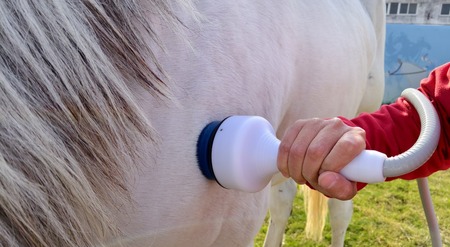
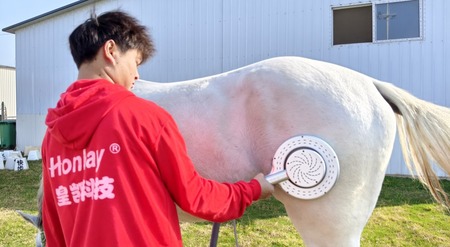
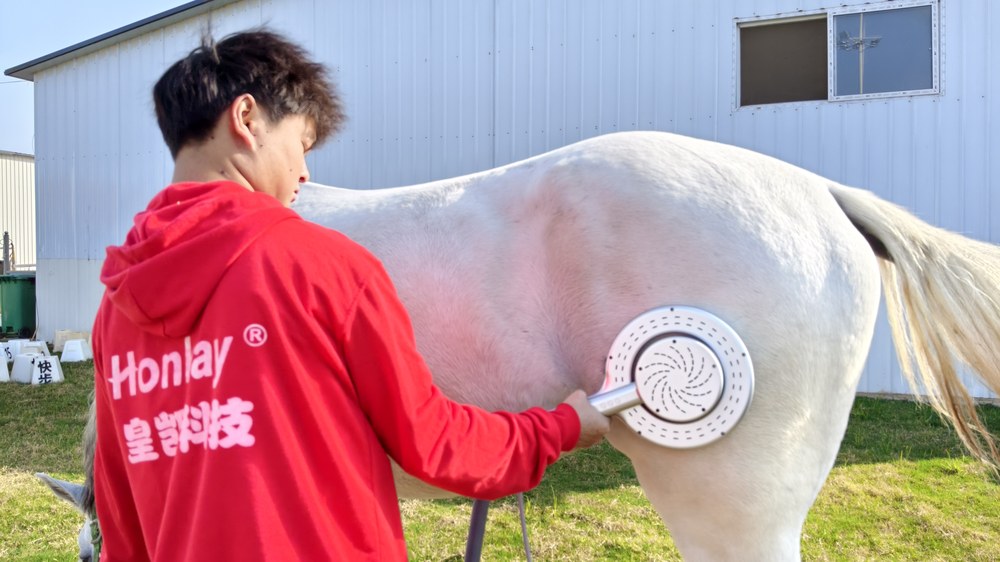
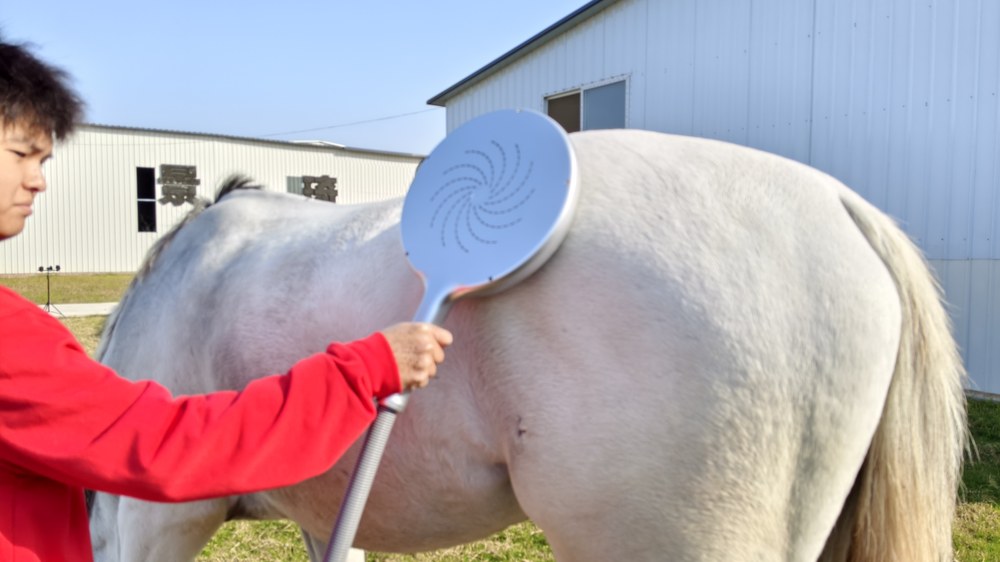
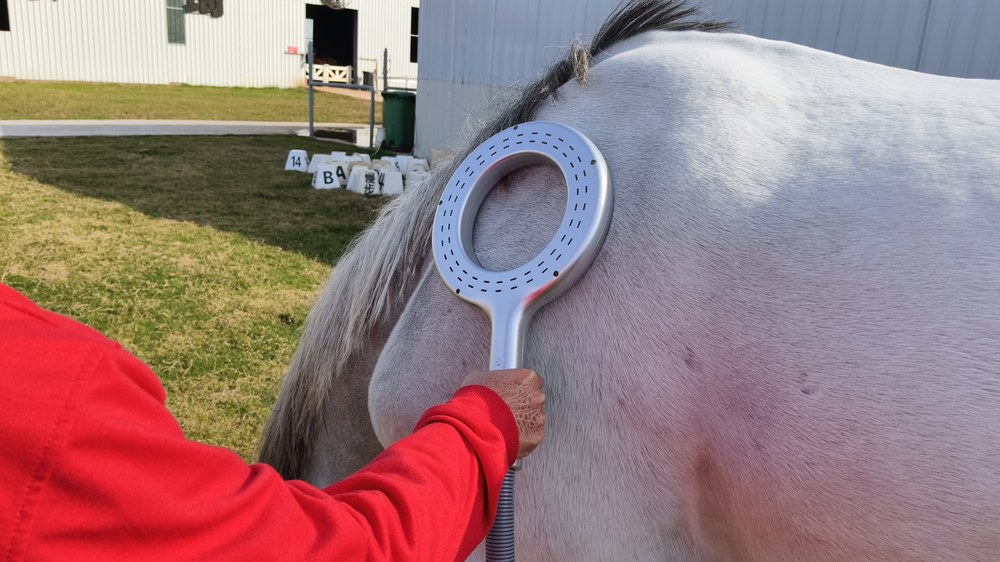
Four areas cover most requests: the shoulder, the back along the spine, the hindquarter, and the neck. Each has a different handling problem, and the sequence below is written for a horse standing square and relaxed.
| Area | How to hold it | What usually goes wrong |
|---|---|---|
| Shoulder | Flat against the muscle, handler at the horse’s side | Horse turns its head to inspect the loop |
| Back | One hand on the loop, the other resting on the horse | Handler reaches too far and loses balance |
| Hindquarter | Stand to the side, never directly behind | A cow-kick, usually because the handler was behind the leg |
| Neck | Short contact, handler at the shoulder | The horse drops its head and the loop slides off |
Keeping the loop flat against the coat matters more than pressing hard. A loop held at an angle slides, the horse feels the movement, and the next area becomes harder than the last.
Moving between areas without resetting the horse
The mistake is treating each area as a new session. Lift the loop, keep a hand on the horse, walk around the shoulder rather than behind, and place it again. If the horse lifts its head or steps away, stop and let it settle before continuing rather than following the movement with the loop.
A yard is not a treatment room. Wind, other horses and traffic all change the horse’s attention, and a routine that works on a quiet morning may need a different order on a busy afternoon.
How long, and how often
Settings and session durations belong to the unit’s manual, not to a general article. What can be said is how a first session should feel from the handler’s side: short enough that the horse is still standing relaxed at the end, and long enough that the handler has seen how the horse responds at each area.
A horse that starts to shift, pin its ears or lift a hind leg is telling you the session has stopped being useful. Stopping early and returning the next day is almost always better than finishing the routine for its own sake.
Between horses: what has to be cleaned
A loop moves from horse to horse, often across yards, and horse coats carry dust, sweat and the occasional skin condition. Wiping the contact face between animals is the minimum, and a separate loop per horse is better where the yard has a history of skin problems.
The manual does not prescribe a cleaning agent for this range, so confirm the approved one with the supplier in writing and keep to it. Wipe rather than soak, and keep liquid away from the connector and the cable entry.
What to record, and why a yard needs it
Three lines per visit cover it: the areas worked, the time spent on each, and one sentence about how the horse behaved. On a yard with several horses and several handlers, that record is the only thing that stops two people doing different routines on the same animal in the same week.
It is also what a vet asks for if the horse’s condition changes: not what the device is, but what was done, when, and what happened afterwards.
When a vet should set the plan
A magnetic loop is a wellness device used alongside professional care. It is not a diagnosis and it is not a treatment plan, and the difference matters most when the horse is already under veterinary care: a lameness investigation, a rehabilitation programme after injury, or a horse on medication.
In those cases the areas, the frequency and whether the loop is appropriate at all are the vet’s call. The handler’s job is to carry out what was agreed and to report back in the same language the vet used.
Weather, footing and the practical side of a yard
Wet coats change how a loop sits, and a windy yard changes how a horse stands. Both are reasons to work under cover where possible, and to keep the cable off wet ground rather than trailing through puddles.
Footing matters too: a horse that is uncomfortable on hard ground will move during the session no matter how calm the handler is. A level, non-slip surface is part of the equipment list, even though it does not appear on any invoice.
Fitting the loop to the horse in front of you
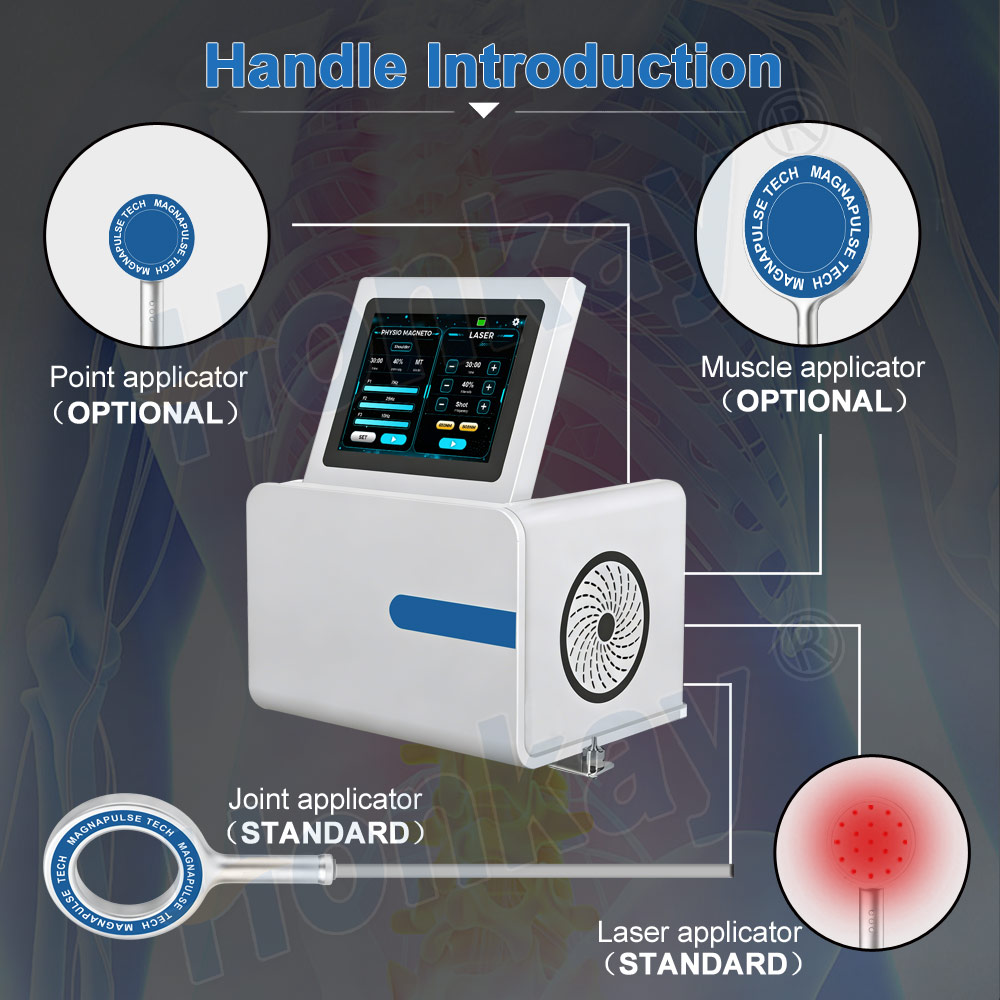
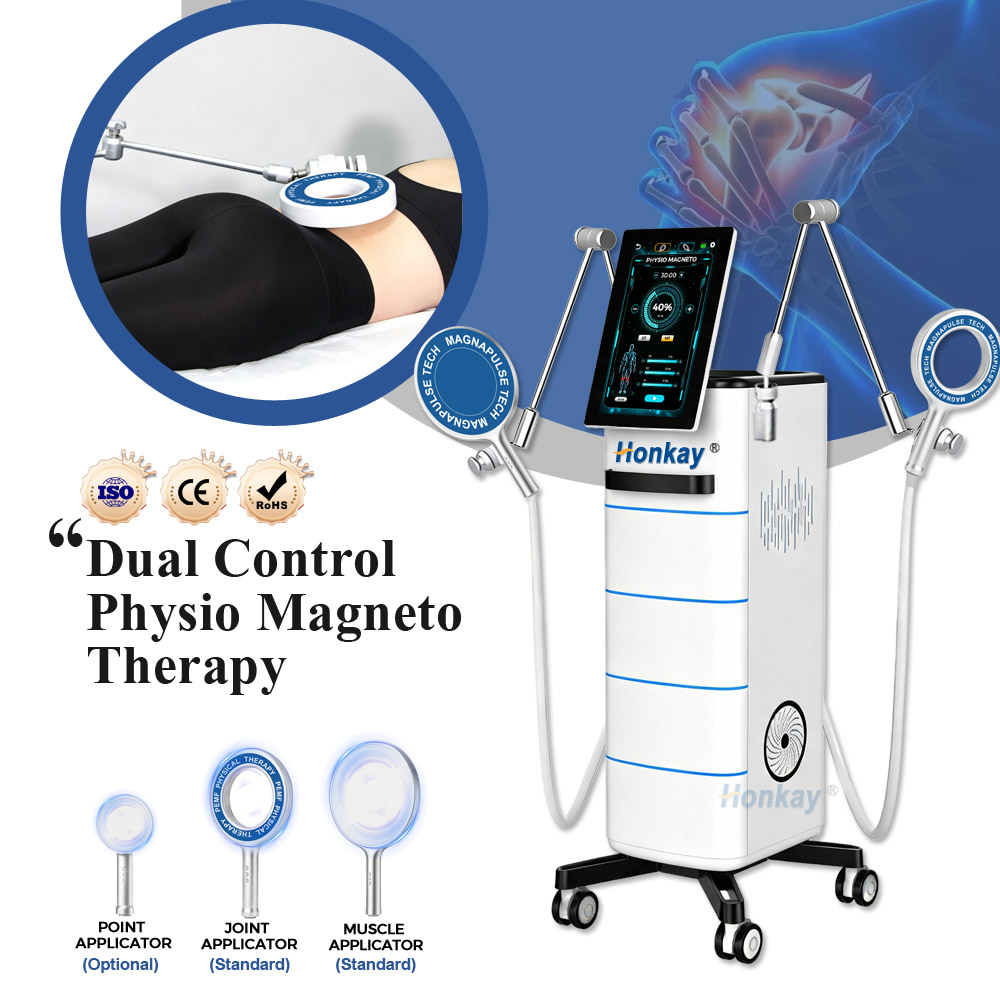
Loops come in different diameters, and the right one is the one that covers the area without hanging off the body. A loop that is too large for a neck contact will tilt; a loop that is too small for a hindquarter will need pressure to stay flat.
Ask the supplier which diameter is intended for which area before ordering a set, and write the answer on the case. On a yard with several horses of different sizes, that note is worth more than a second loop.
| Situation | What to do |
|---|---|
| Horse will not stand square | Work the areas it offers, starting at the shoulder |
| Handler working alone | Tie with a quick-release knot; keep one hand on the horse |
| Yard with several horses | One loop per horse or a documented wipe between animals |
| Horse under veterinary care | Follow the vet’s plan and record what was done |
Frequently asked questions
Can one person use a magnetic loop on a horse?
Yes, with the horse tied by a quick-release knot and the handler standing at the shoulder. Two people is still the safer arrangement, especially on the hindquarter.
How long should a session last?
Follow the unit’s manual for duration and settings. From the handler’s side, the session should end while the horse is still relaxed rather than when the routine says it is finished.
Where should the loop not be placed?
Directly over an open wound, a hot swollen area, or anywhere the horse objects to being touched. Those are findings to report, not areas to work through.
Is it safe on a horse with a tendon injury?
That is a veterinary question. Where a horse is already under treatment, the areas and timing come from the vet and the handler follows that plan.
How do you clean a loop between horses?
Wipe the contact face with the agent the supplier has approved in writing, and keep liquid away from the connector. The manual does not name a specific agent for this range.
Does the horse need to be clipped?
No. A loop sits on the coat; clipping is a comfort decision for the horse, not a requirement for the device.
What should be recorded after each visit?
The areas worked, the time on each, and one sentence about the horse’s behaviour. On a shared yard that record is what keeps two handlers from running different routines in the same week.
Honkay has been building physiotherapy and wellness equipment since 2005, including the loop and mat ranges, and supplies clinics, yards and distributors across South America, South Asia, South-East Asia, Europe, Oceania and North America. The range carries a 24-month warranty from the factory shipment date. If you are equipping a yard and want the loop diameters and the routine checked against the horses you actually have, send the disciplines and the number of animals and the team will work through it with you.
This device is intended for adjunctive use alongside professional care, not as a replacement for diagnosis or treatment. Suitability should be confirmed with a qualified clinician; individual experience varies.