TECAR Therapy Device for a Small Clinic: The One-Room Buying Checklist
A TECAR therapy device can fit a one-room physiotherapy clinic, but only if the machine, handpieces, trolley and daily reset routine fit the room together. For a small practice, the buying decision is less about collecting modes and more about avoiding cable clutter, missing accessories and idle time between patients.
This checklist starts with the room and works back to the quotation.
Start with the treatment room, not the specification sheet
Measure the working area with the treatment couch in its real position. A small clinic needs enough space for the trolley to sit beside the operator, for the screen to remain visible, and for cables to reach the couch without crossing the walking path.
Use masking tape to mark the trolley footprint before ordering. Then simulate three movements: opening the door, walking around the couch and moving the handpiece from one side of the patient to the other. If any cable crosses the operator’s feet, change the trolley position before deciding that the room is too small.
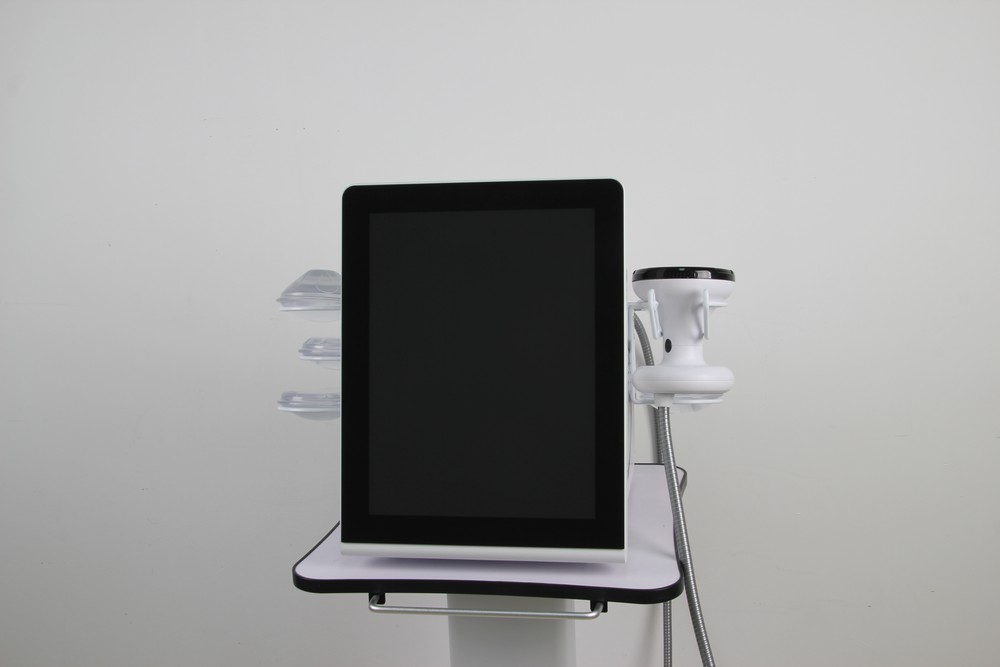
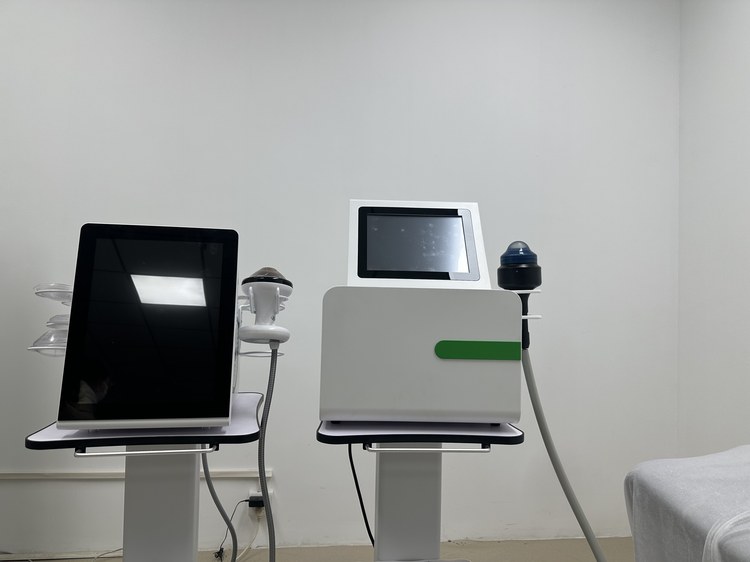
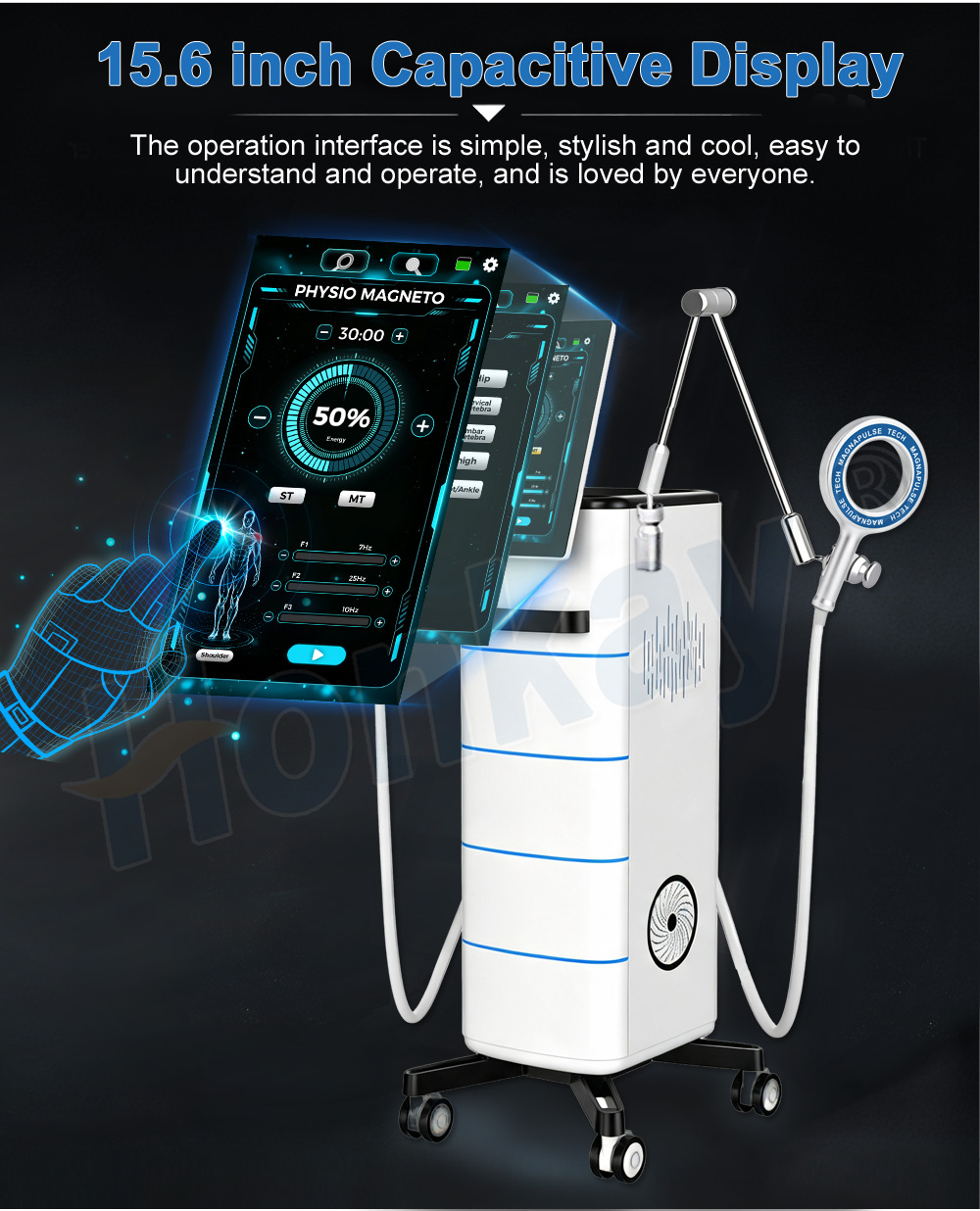
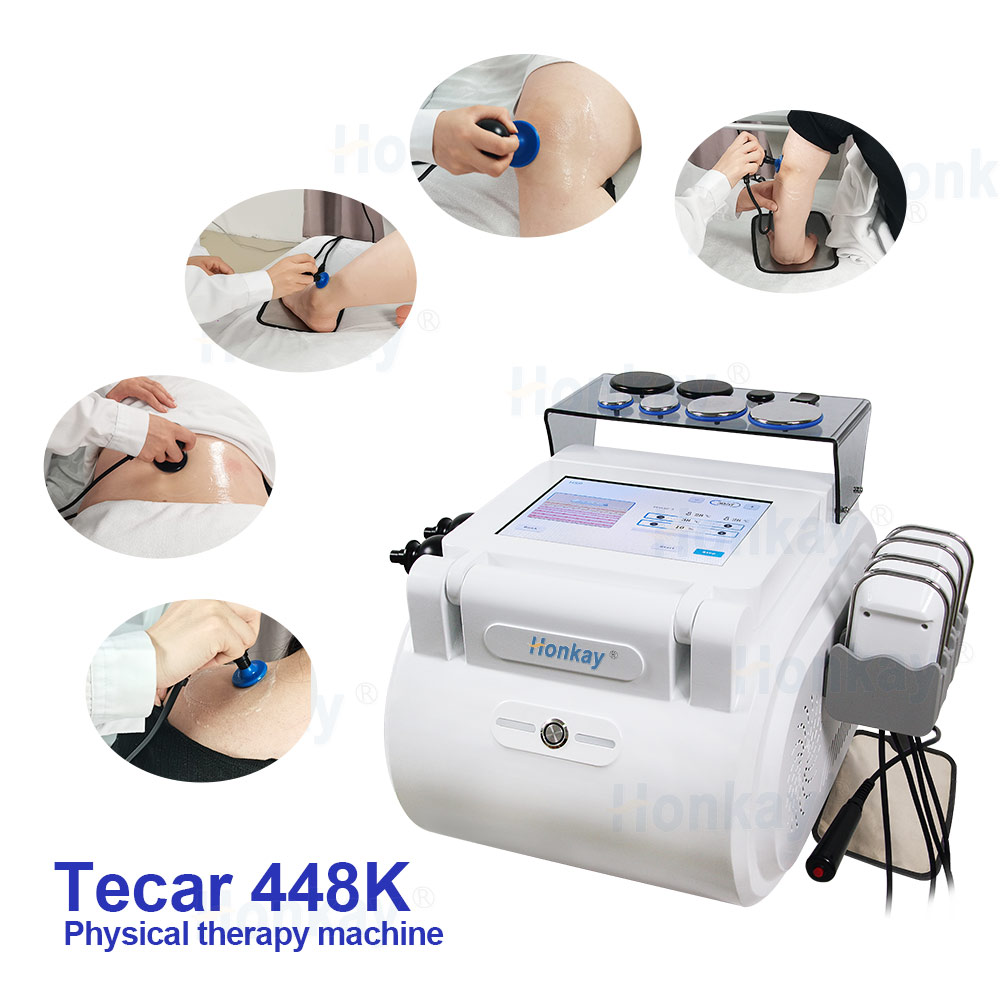
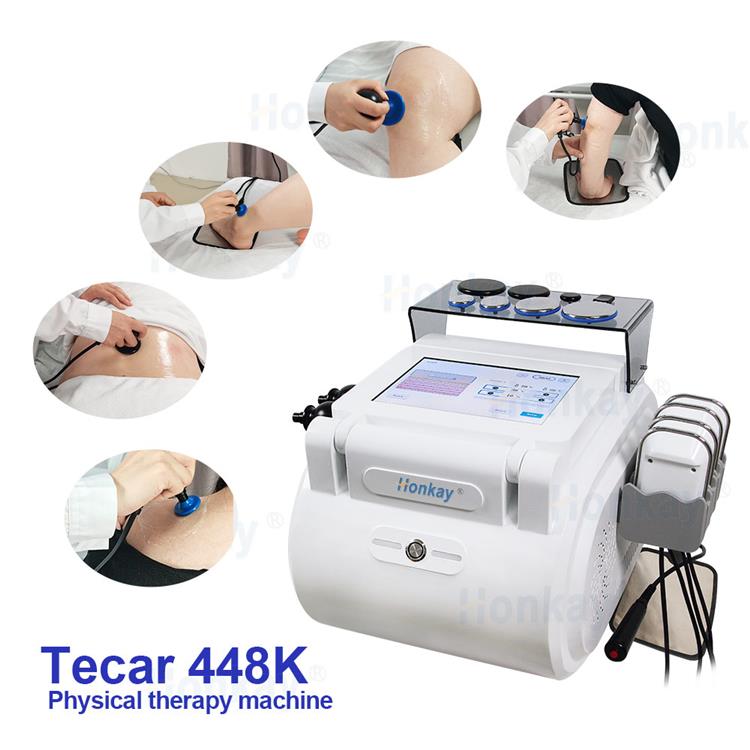
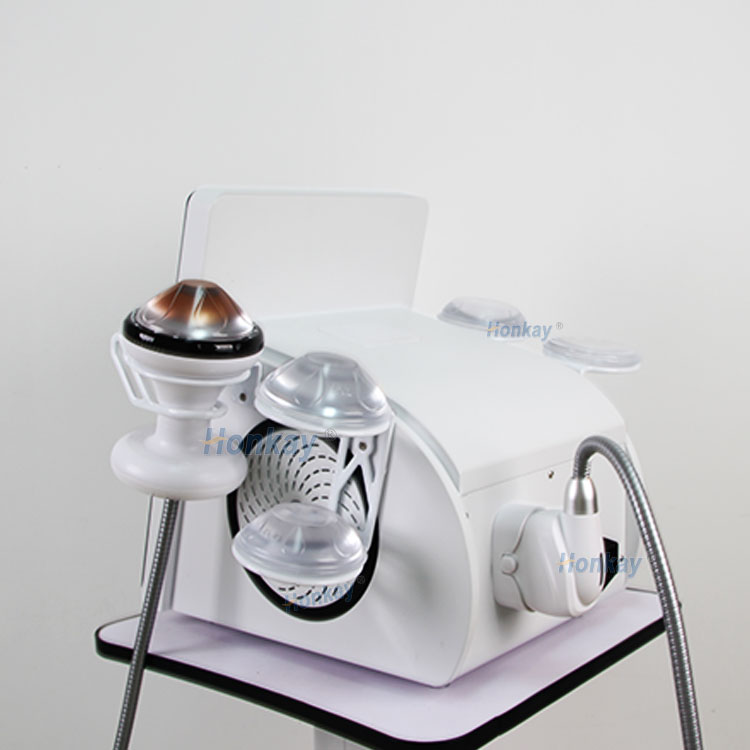
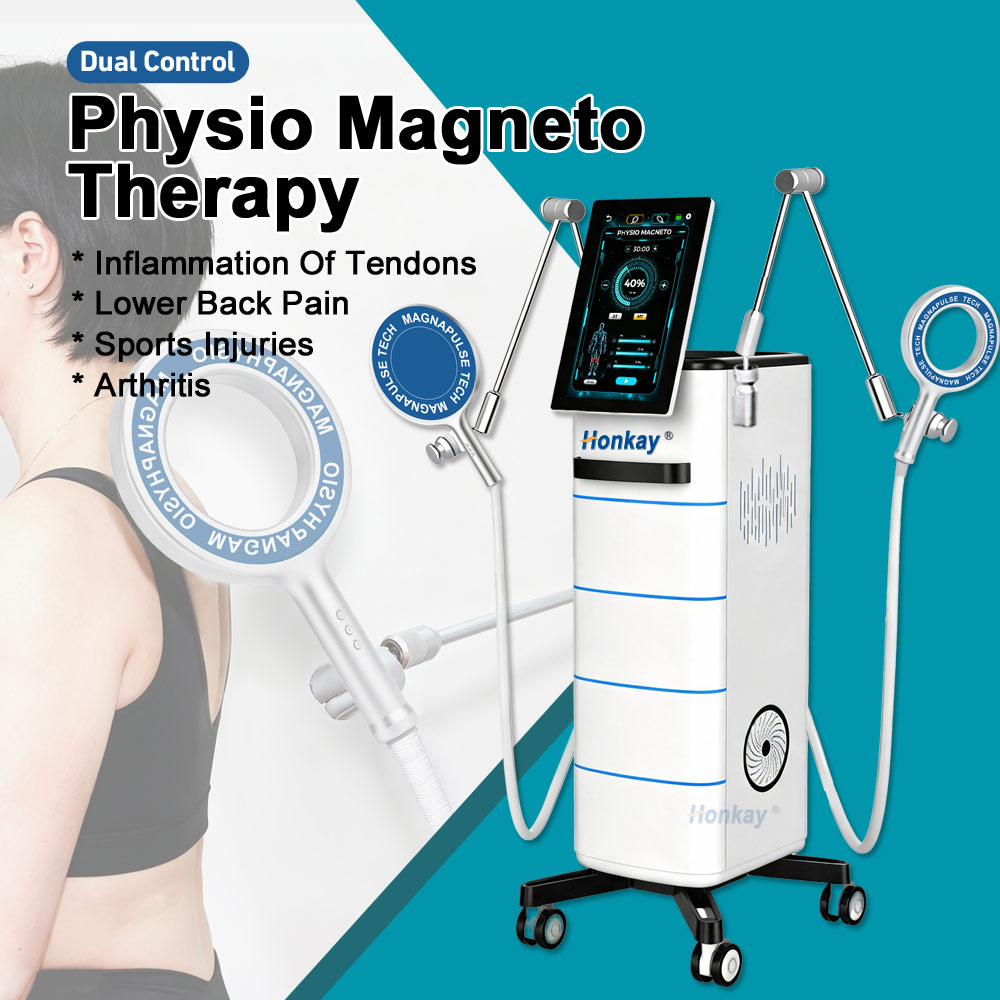
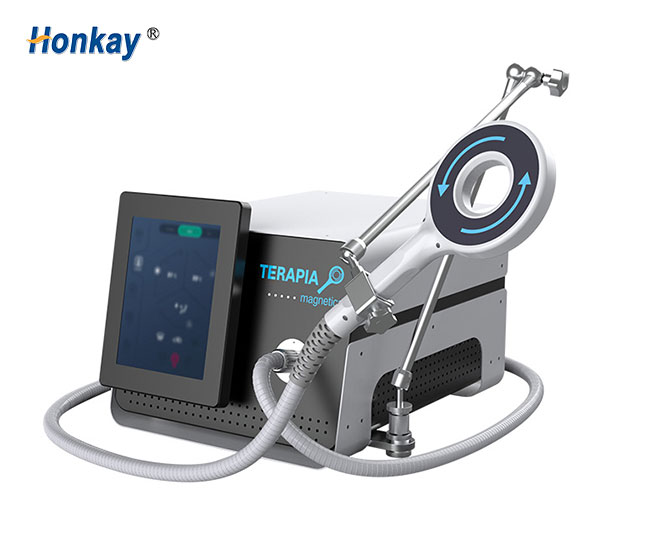
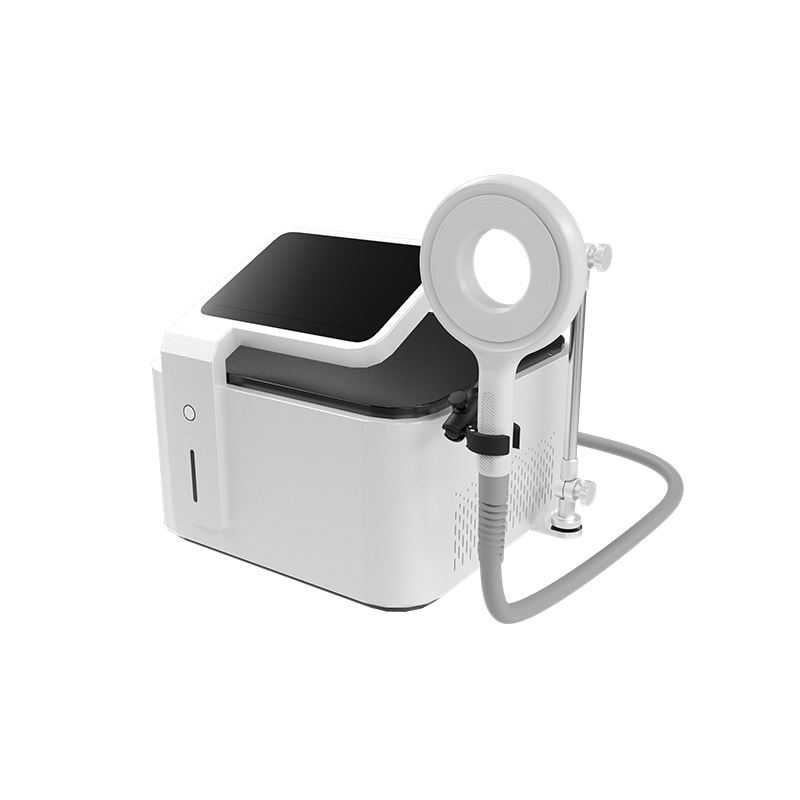
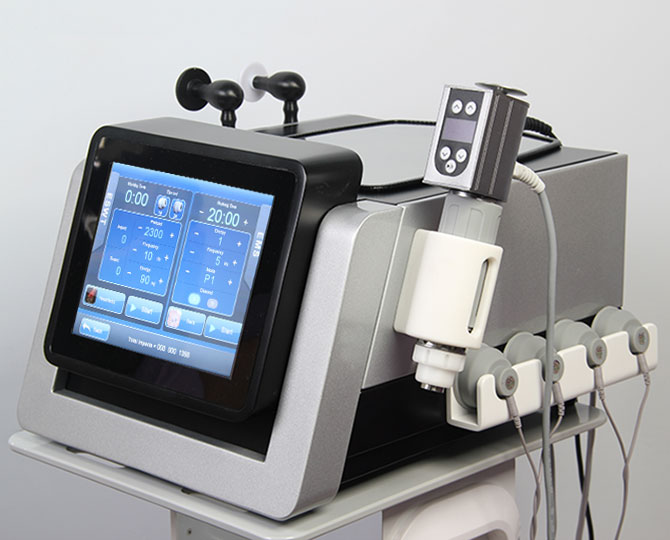
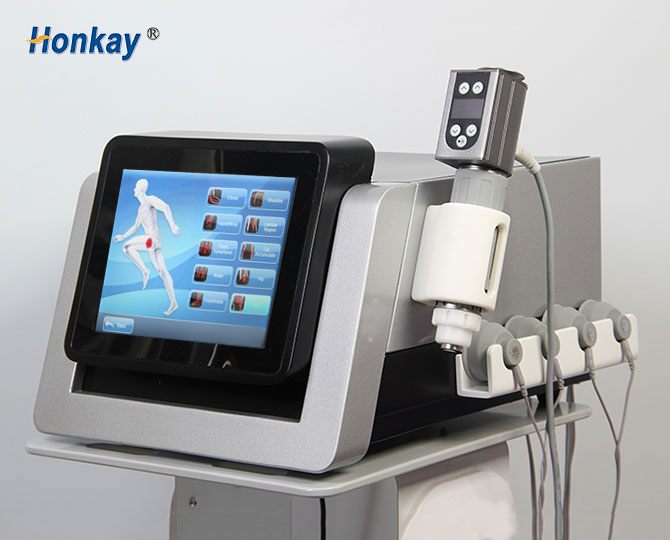
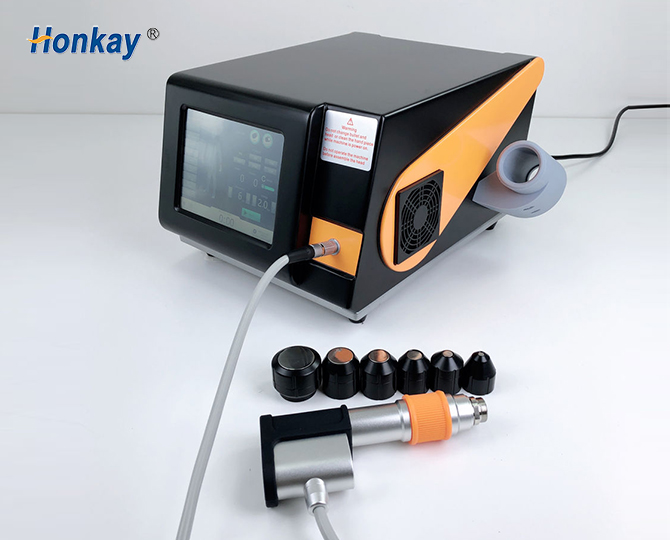
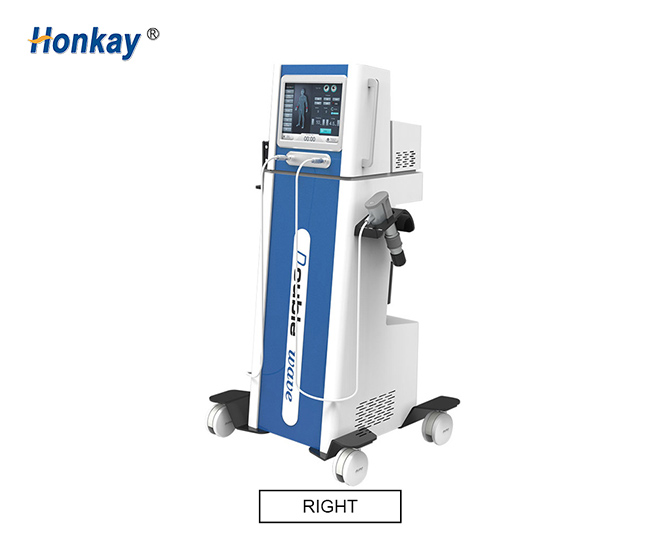
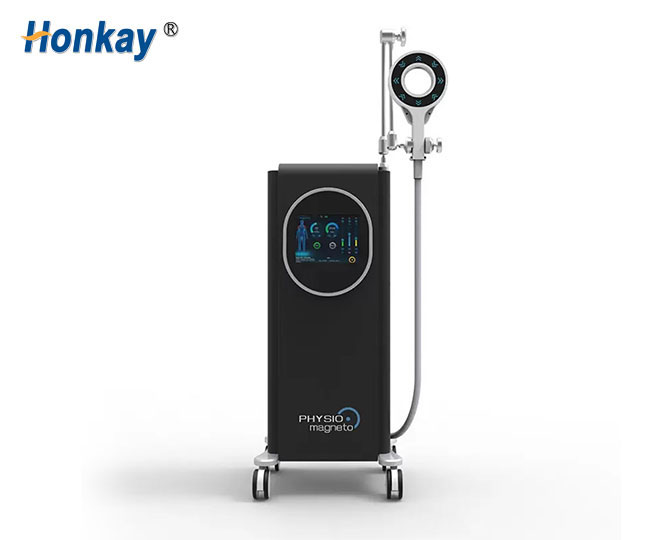
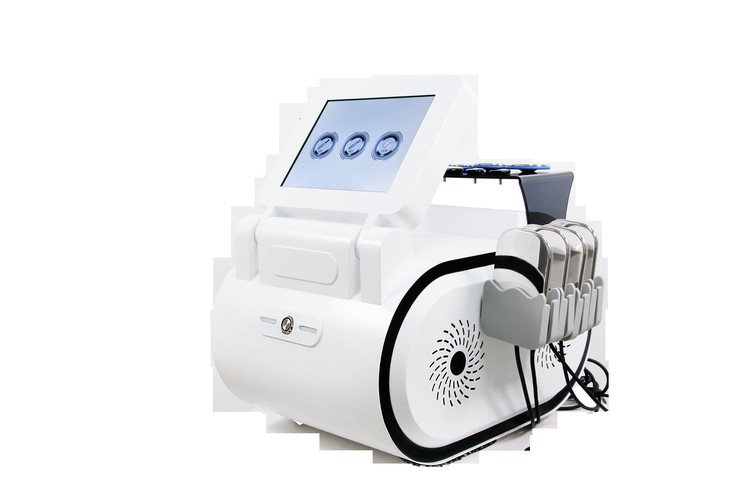
A compact housing helps, but cable routing matters more than the outer shell. The pictured unit stores handpieces on the sides and places its control screen above the housing, which keeps the working surfaces together. That layout is useful only if the clinic assigns one fixed parking position and returns every cable to it after each session.
Decide whether CET, RET and PAD all belong in your first order
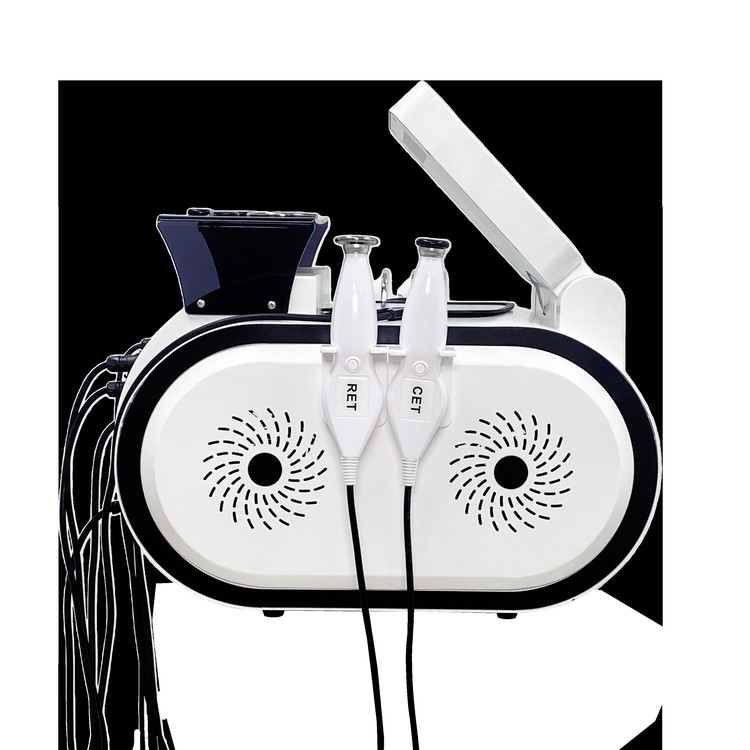
CET and RET are not duplicate handpieces. They are two coupling arrangements, and the clinic needs a written reason for ordering both. The product page describes CET for tissue with higher electrolyte content, including muscle and soft tissue, and RET for higher-resistance structures such as tendons and joints. That description is a purchasing distinction, not a treatment promise.
PAD is a third workflow. It can change how the return path is managed, but its inclusion must be confirmed on the actual quotation because product pages, firmware labels and shipped accessory sets can differ.
For a one-room clinic, start with the work already on the appointment book. If most sessions use one technique, the other handpiece still has value, but it should not be the reason to buy a larger accessory package. Ask the supplier to list every handpiece by name, face size and quantity. A quotation that says only “CET + RET + PAD” is not an inventory list.
Count handpiece changes, not just treatment modes
The hidden time cost in a small clinic is the reset between patients. Every handpiece change means the operator has to park one cable, collect another, confirm the connection, prepare the coupling interface and clean the first handpiece before the next appointment.
A simple count helps. For five appointments, record how many times the operator changes between CET, RET and PAD. If the average session uses one handpiece, the room needs a clear one-in/one-out storage routine. If it uses two or three, the clinic needs a trolley and rack that keep each cable visible and separated.
| Workflow question | What to observe | What belongs in the quotation |
|---|---|---|
| How many handpieces change per session? | Count changes across five typical appointments | Named handpieces and quantities |
| Where does the unused handpiece sit? | Check whether it touches the couch or floor | Rack or holder position |
| Do cables cross the walking route? | Walk both sides of the couch | Cable length and connector position |
| How long does the reset take? | Time cleaning, parking and reconnection | Cleaning guidance and training |
Check the rack, cables and rear panel before the screen
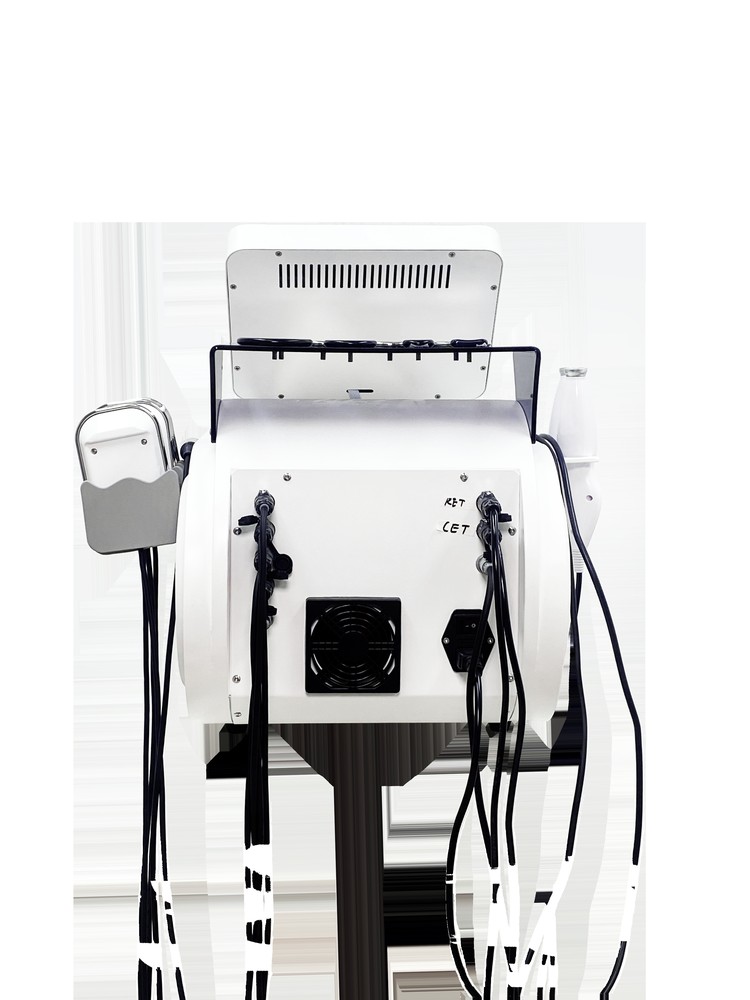
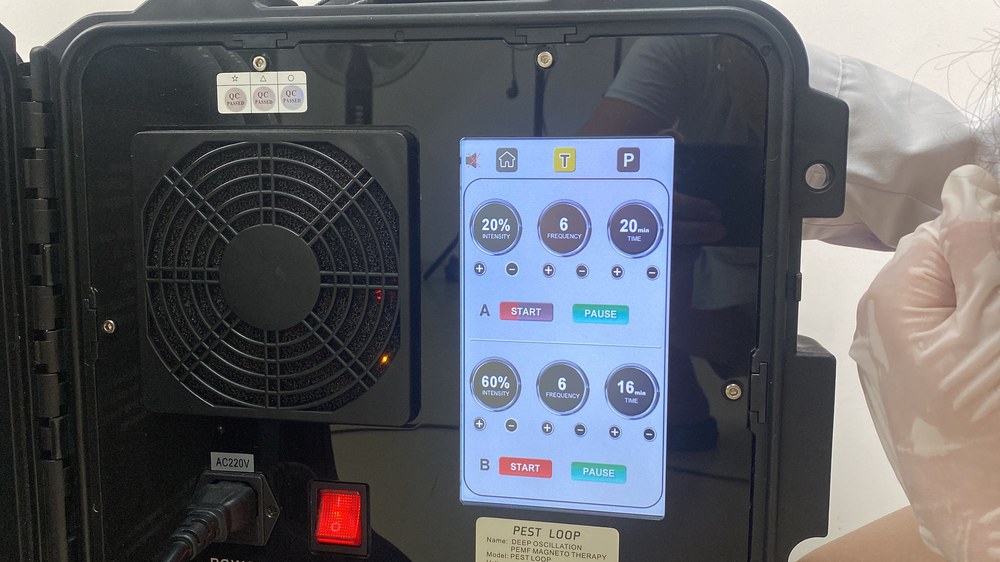
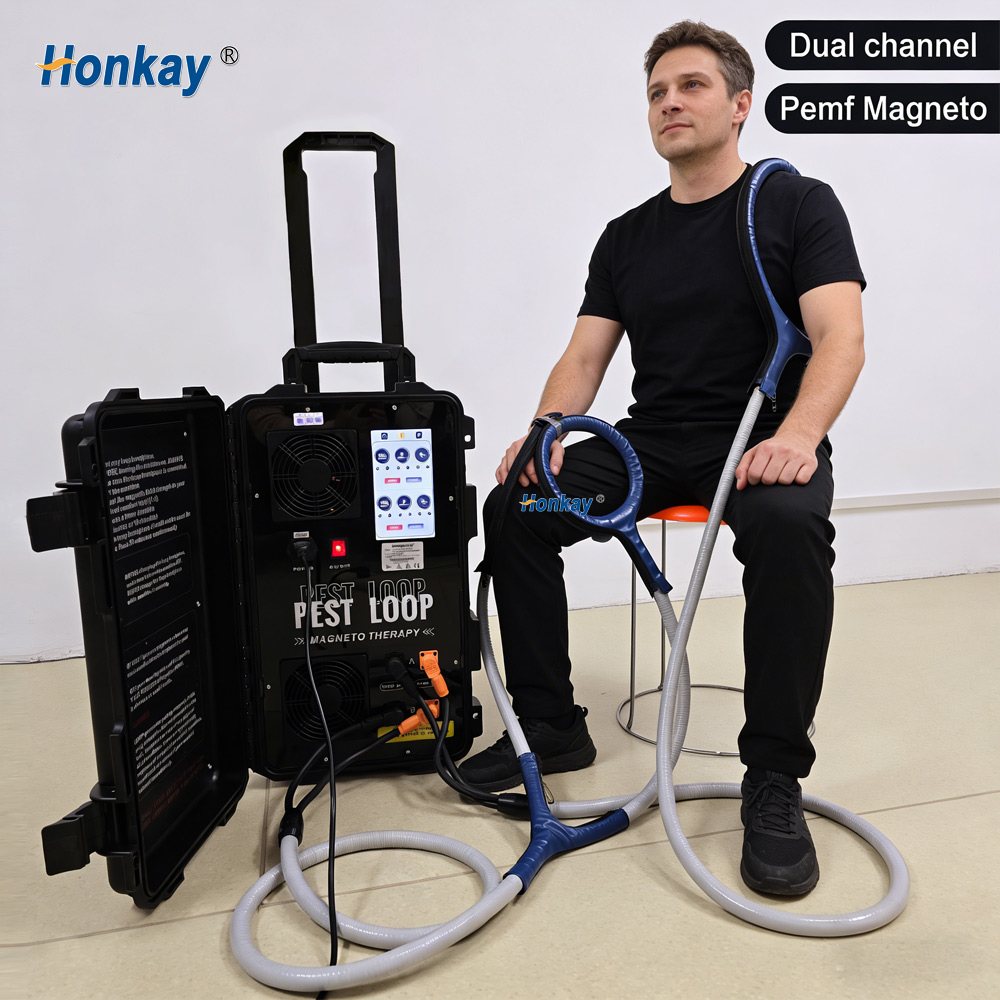
Touchscreen presets are easy to demonstrate and easy to overvalue. In daily use, the rear panel and cable storage cause more interruptions than the menu. Ask to see the actual connectors, their labels and the strain relief where each cable enters the handpiece.
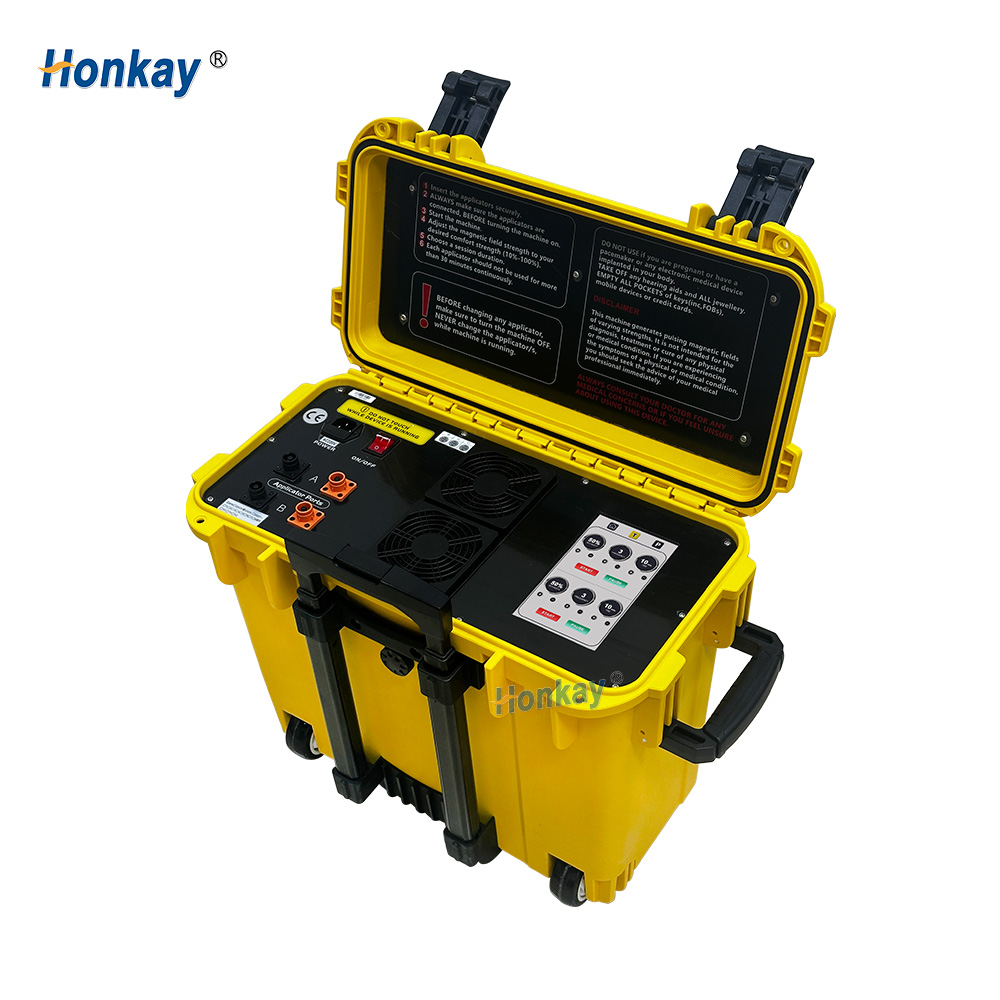
The rear view also shows whether the cooling fan has clear space. Do not park the machine against a wall or under a shelf that blocks the intake. A clinic that pushes the trolley tight against the couch may solve a floor-space problem and create a heat problem instead.
The monthly inspection is short: unplug the unit, inspect cable boots for cracking, check connectors for discolouration, clear lint from the fan area and confirm each handpiece parks securely. None of those jobs requires opening the housing. If the supplier cannot provide a photograph of the production rear panel, ask for one before shipment; the cable arrangement shown in a sales rendering may not match the delivered revision.
Build the one-room operating kit
A machine without its operating kit is not ready for the first appointment. The clinic needs the supplied handpieces, the return accessory specified for the system, coupling media approved for those handpieces, cleaning materials, cable storage and a place to record the settings used.
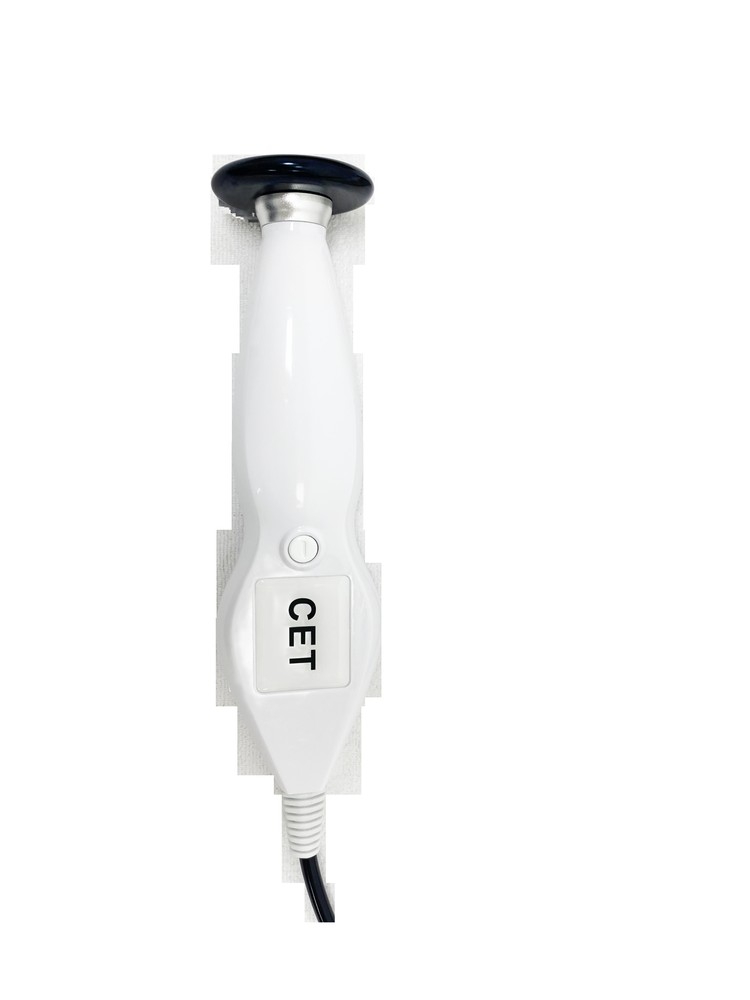
Separate reusable accessories from recurring consumables in the quotation. Reusable parts should be itemised with replacement prices; consumables should be estimated as a monthly quantity. That prevents a low machine price from hiding a high routine cost.
| Item | First-order question | One-room rule |
|---|---|---|
| CET handpiece set | Which face sizes are included? | Store as one labelled set |
| RET handpiece set | Which face sizes are included? | Keep separate from CET faces |
| PAD / return accessory | Included or optional? | Confirm the shipped revision in writing |
| Coupling media | Which type is approved? | Keep one opened unit and one sealed spare |
| Cleaning materials | What is compatible with the surfaces? | Store beside the trolley, not across the room |
| Spare cable or handpiece | Price and lead time? | Stock the part whose failure would stop all sessions |
Use a seven-day trial plan before expanding the service menu
The first week should test consistency, not volume. Choose a small number of appointment types already familiar to the clinic, assign one operator and record handpiece choice, session time, reset time and any cable or cleaning issue.
At the end of each day, return all accessories to the same holders and photograph the trolley. That photograph becomes the reset standard for the next operator. By day seven, the clinic should know which handpiece is used most, which cable route stays clear and whether the room needs a different trolley position.
Do not add every possible application on day one. A longer menu creates more cleaning transitions, more accessory changes and more inconsistent settings. Expand only after the first workflow is repeatable. This is the practical meaning of “suitable for a small clinic”: not that the housing is small, but that one operator can complete and reset the session without borrowing space from the next appointment.
Frequently asked questions
Is a compact TECAR unit automatically suitable for a small room?
No. Housing size helps, but cable routing, trolley position, ventilation clearance and handpiece storage decide whether the room works in practice. Mark the footprint and walk the route before ordering.
Do I need CET and RET in the first order?
Order both when the clinic has a clear use for both coupling arrangements. Ask for the exact handpiece count and face sizes rather than accepting a mode list.
Is PAD always included?
No assumption is safe. Confirm PAD and its related accessories on the quotation and in the pre-shipment contents photograph.
What should be checked on the rear panel?
Connector labels, cable routing, strain relief, fan clearance and the power inlet. Ask for a photograph of the production unit rather than a rendering.
What is the most important spare?
The part whose failure stops every session. Ask for replacement prices and lead times for the handpieces and cables before deciding what to stock.
How should the clinic test the workflow?
Run a seven-day trial with one operator and a narrow appointment menu. Record handpiece choice, session time, reset time and cleaning issues.
Does a larger accessory package always offer better value?
No. Accessories add value only when the clinic uses and stores them correctly. An unused handpiece is inventory, not capability.
What is the warranty?
The range carries a 24-month warranty from factory shipment. Confirm the shipment date, claim evidence and any consumable exclusions in writing.
About Honkay and the next buying step
Honkay has built physiotherapy and aesthetic equipment since 2005, including TECAR, focused and radial shockwave, magneto and PEMF systems. Machines are assembled and tested before packing, and the range carries a 24-month warranty from factory shipment.
Send the Honkay team the room dimensions, couch position, planned appointment types and the handpieces you expect to use. Ask for a written contents list and a pre-shipment photograph showing the production rear panel and accessories. Include the trolley position, available wall clearance and preferred cable route so the quotation can address the room as an operating system rather than treating the machine as an isolated box. Keep that written list with the invoice for delivery inspection.
- WhatsApp: +8613751821215
- E-mail: hk6@huang-kai.com
- Manager: Lisa
This device is intended for adjunctive use alongside professional care, not as a replacement for diagnosis or treatment. Suitability should be confirmed with a qualified clinician; individual experience varies.