PEMF Mat Setup: Six Checks Before the First Session
Setup decides more than the settings do
Most PEMF mat problems reported in the first week are not about frequency. They are about the surface underneath the pad, the order the cable was connected, a phone left on the mat, or a first session that ran forty minutes because nobody said twenty. The manual devotes a full page to these checks, and they are worth running once properly.
Six checks follow, in the order they matter. Five take under a minute; the sixth decides where the mat lives for the next few years.
1. The surface has to be hard and heat-resistant
The manual asks for a flat, hard, heat-resistant surface. A wooden floor, a tiled floor, a firm sofa seat and a therapy couch all meet that description. What does not is a deep mattress or a soft rug that lets the pad sink and fold, because a fold concentrates stress on the coils inside.
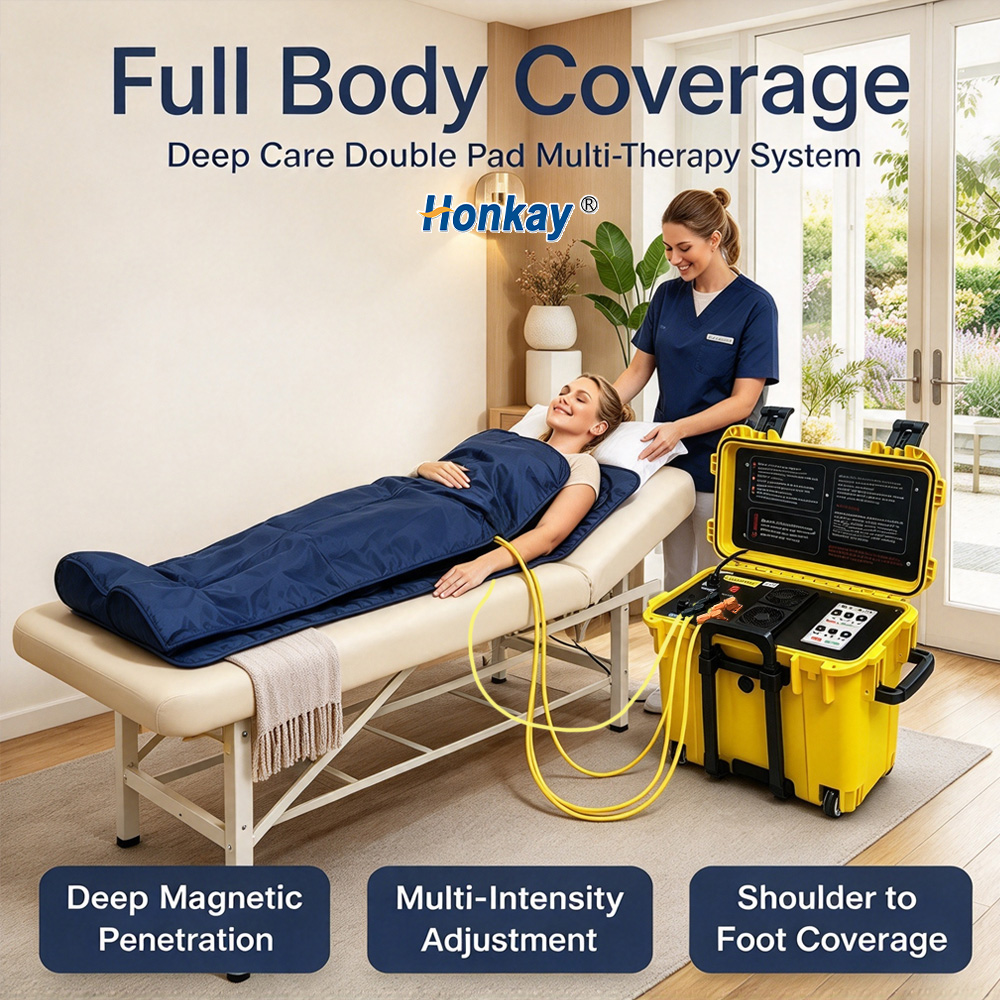
If the user wants the mat on a bed, it works — the pad is intended for beds, sofas, therapy beds and flat floors — but the pad should sit on the flat part of the mattress, not bridge the gap between two cushions.
2. Connect the pad first, then place the control unit
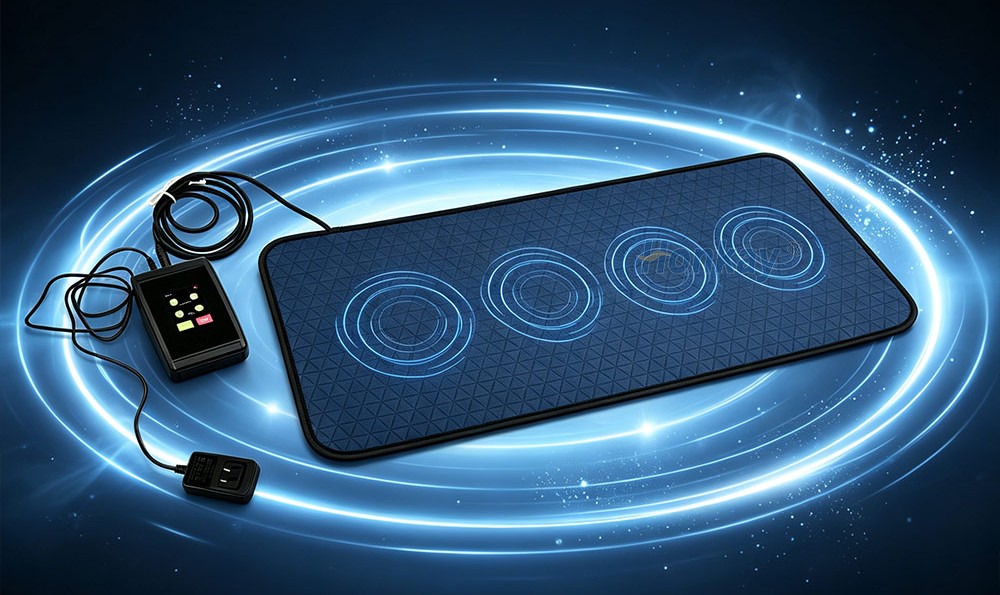
The sequence in the manual is specific: pad to control unit first, check that every connector is seated with no looseness, and only then plug the adapter in. Doing it the other way round means the control unit is live while a connector is still being pushed home.
The same order applies at the end of a session, in reverse: switch off, unplug, then disconnect.
3. Empty the pockets and take the jewellery off
The manual prohibits wearing metal accessories during use, and asks that large metal objects are not left on the pad for extended periods. In practice that means rings, watches, bracelets, belt buckles, and a phone or keys in a pocket. Bank cards, hard drives and magnetic stripe cards should be kept away from the device rather than left beside it.
This is the check people skip, and it is the one that produces the odd first impression — a warm phone, a card that stops working — that gets blamed on the machine.
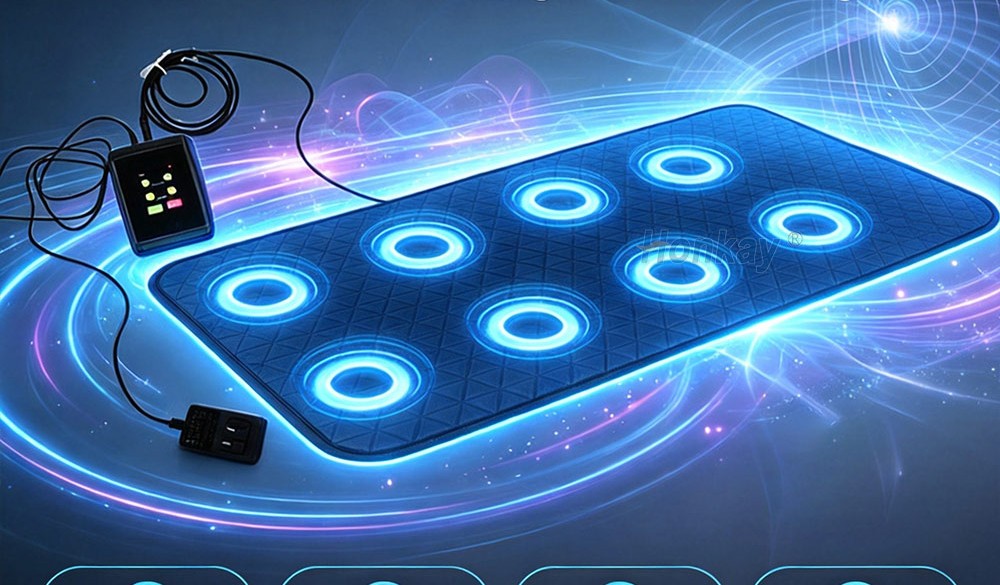
Where the unit sits.
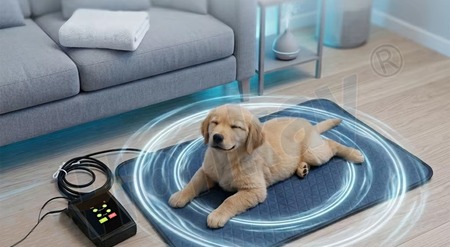
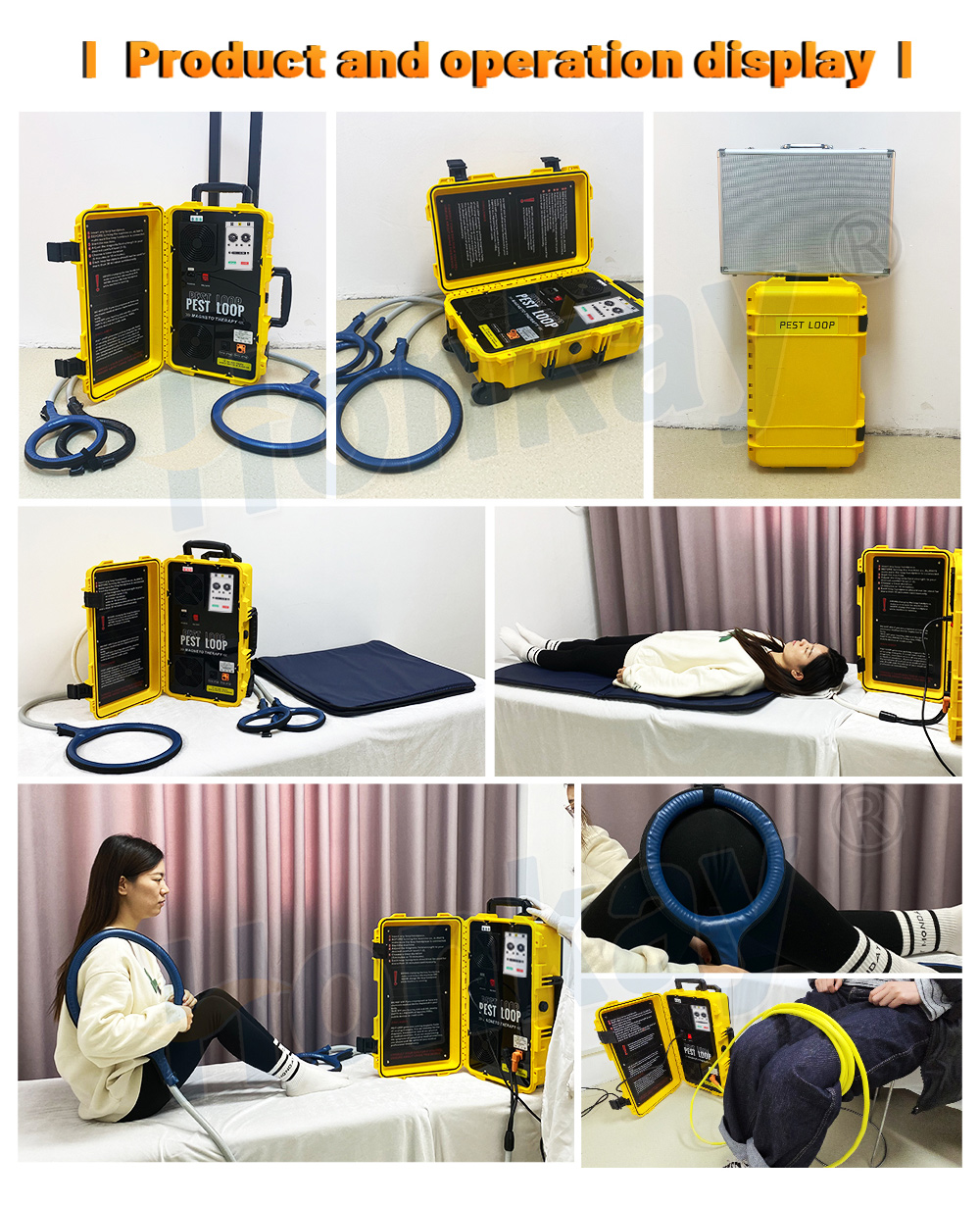
The control unit is not part of the pad and does not need to be near the user’s body. Put it within arm’s reach of the person using the mat, on the floor or a side table, with the cable running straight rather than looped around a leg or under the pad.
Two rules matter here: do not cover the device with anything that affects heat dissipation — a cushion, a blanket, a folded towel — and do not run the cable under the pad or across a walkway where it will be stepped on.
4. Keep it out of humid rooms
The manual does not permit use in humid environments, and storage is specified at 5–40 °C with relative humidity at or below 80 per cent, non-condensing. A bathroom, a poolside room or a damp basement floor is the wrong home for it, and so is a spot in direct sunlight for months at a time.
Before each session the manual also asks for a quick inspection: power cord undamaged, control unit working, pad surface intact, ports seated. Exposed wires, a damaged housing or liquid that has entered the unit mean the device stops being used until it is checked.
5. One device at a time
The mat should not be used simultaneously with electrical stimulation devices such as EMS or TENS, high-frequency therapy devices, shortwave or ultrasound devices, or any other equipment that generates electromagnetic fields. If a user is already following a combined programme, the manual’s instruction is to consult a qualified professional before layering the mat on top of it.
6. The session limits, in numbers
These figures are the ones most often missed, because they sit at the back of the manual rather than on the control unit.
| Limit | Figure | Why it exists |
|---|---|---|
| First session duration | 5–15 minutes | Establishes how the user responds before a full-length session |
| First session intensity | Lowest level | Comfort is easier to judge upward than downward |
| Head area frequency | Not above 2 Hz | A cap the manual states plainly for the head region |
| Late-evening frequency | Above 15 Hz not advised after 20:00 | Higher frequencies are stimulating rather than settling |
| Gap between sessions | At least 5 hours | Prevents stacking sessions into one long exposure |
| Daily total | Not more than 120 minutes | A ceiling for the day, across all sessions |
How the first week usually goes.
A pattern that works well for a first week: three short sessions of 10–15 minutes at the lowest level, spaced by at least a day, on a surface the user already likes sitting on. If those pass without comment, step the duration up rather than the intensity, and keep the sessions in the same place so the routine is not a decision.
Two reactions are worth stopping for rather than pushing through: any discomfort, dizziness or palpitations, and the user simply not enjoying it. The manual is explicit on the first. On the second, a mat that stays in the cupboard helps nobody, and a smaller pad in a favourite chair often gets used more than a large one on the floor.
| Check | Pass | Fail |
|---|---|---|
| Surface | Flat, hard, heat-resistant | Pad sinks or folds |
| Connection order | Pad, then power | Live unit while plugging in |
| Metal | No jewellery, no phone in a pocket | Watch or keys left on the pad |
| Heat path | Unit open to air | Unit under a cushion |
| Environment | Dry room, 5–40 °C | Bathroom or damp floor |
Who should not start without asking first
The manual lists people who must not use the device at all: anyone with a cardiac pacemaker, an implanted neurostimulator or another implanted electronic device, because the changing field can interfere with how those devices operate. Pregnant women and women planning a pregnancy are advised to consult a qualified healthcare professional first, as are people with serious medical conditions and children.
For a household, that list is worth reading before the mat is bought rather than after. It is also the reason the checks above run in this order: the first four protect the equipment, and this one protects the person.
Frequently asked questions
Can the mat be used on a carpet?
A low, firm carpet over a solid floor is usually acceptable; a thick pile that lets the pad sink is not. The test is simple — if the pad stays flat when the user sits on it, the surface is hard enough.
Can two people use it at the same time?
The manual describes single-user sessions, and the session limits are written per user. Sharing a session means neither person knows which setting applied to them, which defeats the point of starting low and adjusting.
Is it safe to fall asleep on the mat?
The manual warns against continuous prolonged use and sets a 120-minute daily ceiling, so an overnight session goes past both. A timed session that ends before sleep is the safer routine.
What happens if the cable is damaged?
Stop using the device. The manual lists exposed wires and a damaged housing among the conditions that require the unit to be taken out of service until it has been checked.
Can it be stored folded?
Roll or fold loosely rather than tightly, and avoid bending or compressing the pad excessively. The carrying bag is shaped for a loose fold, which is a hint about how the pad is meant to travel.
Does the mat work through clothing?
The manual does not require bare skin and its own photographs show users dressed. Metal is the item to remove; clothing is not.
Why 5 hours between sessions?
It is the manual’s spacing rule, and it works alongside the 120-minute daily ceiling. Together they stop a user from turning three short sessions into one long exposure.
Does the control unit need to be close to the pad?
No. The cable sets the distance. Keeping the unit on a side table within reach is enough, and it keeps the buttons away from the user’s body while the pad is in use.
Buying a mat that survives its own setup routine
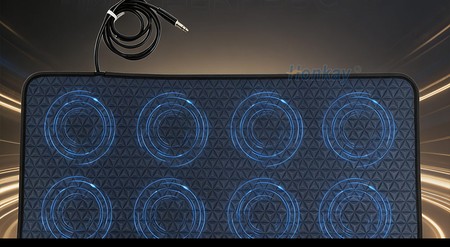
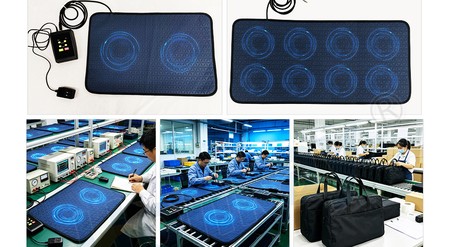
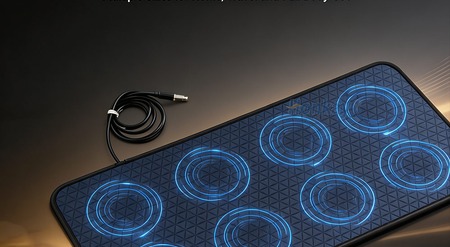
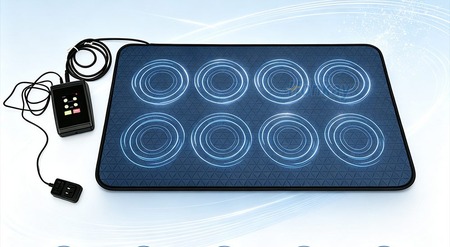
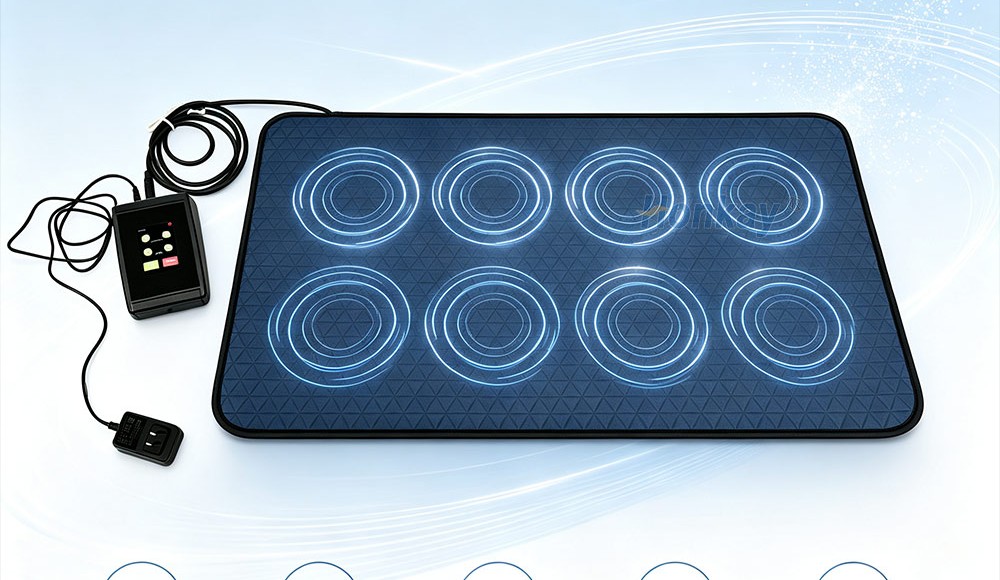
Honkay has built physiotherapy and aesthetic equipment since 2005, with 20 years of OEM and ODM work behind the range. The PEMF mat line is made in house, from the coil winding and pad assembly to the control unit and the carry bag, in four sizes from 40×60 cm with two coils to 60×200 cm with eight.
If you are choosing between sizes for a specific room, describe the surface the mat will sit on and the position the user will take — that answers the size question faster than a floor plan. Warranty on the mat runs 24 months from the factory shipment date.
Ask the Honkay team on WhatsApp at +8613751821215, or write to hk6@huang-kai.com, and include the surface, the position and the number of users in the household.
This device is intended for adjunctive use alongside professional care, not as a replacement for diagnosis or treatment. Suitability should be confirmed with a qualified clinician; individual experience varies.
Chat with the Honkay team on WhatsApp | Email hk6@huang-kai.com