Equine PEMF Machine: Loop vs Blanket Systems Compared
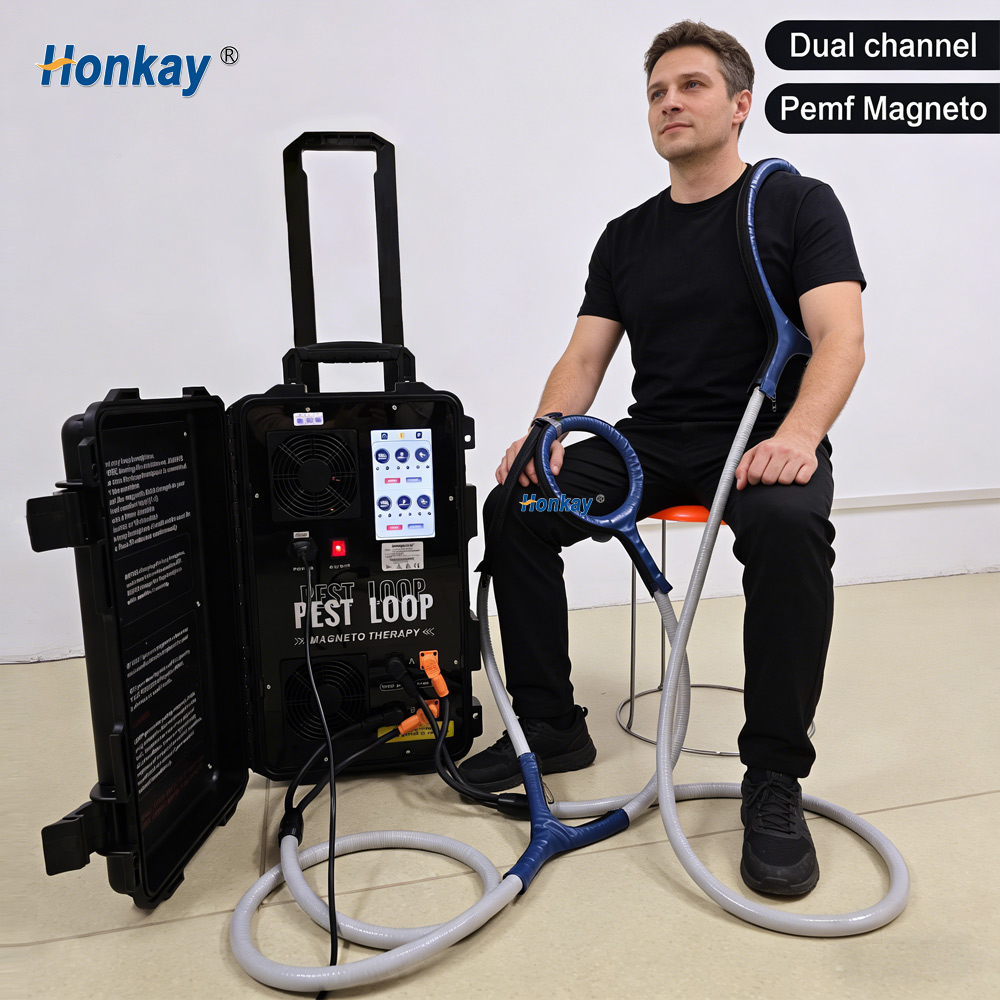
Short answer: For horses, the choice between a loop (coil) system and a blanket or mat system is not about which machine is “stronger” — it is about where the field has to land and how much handling the horse will tolerate. Loops concentrate the pulsed field into a small, adjustable footprint, so they win on joints, hocks, tendons and the back, and they let you treat a specific lesion precisely. Blankets and mats spread a lower-intensity field across a large area hands-free, so they win on whole-body recovery, post-ride soreness and horses that will not stand still for a handler. Most equine practices that buy an equine PEMF machine end up needing both, and the deciding factor is usually the applicator set rather than the console.
This guide compares the two architectures the way a veterinary buyer actually evaluates them — compliance, portability, adjustability and cost of ownership — and shows which applicator matches which equine case.
Written for equine veterinarians, physiotherapists, farriers and stable managers evaluating PEMF equipment. Technical values below are taken from Honkay’s own equipment documentation for the PEST LOOP magneto family; anything not documented is marked as such.
1. What an equine PEMF machine actually consists of
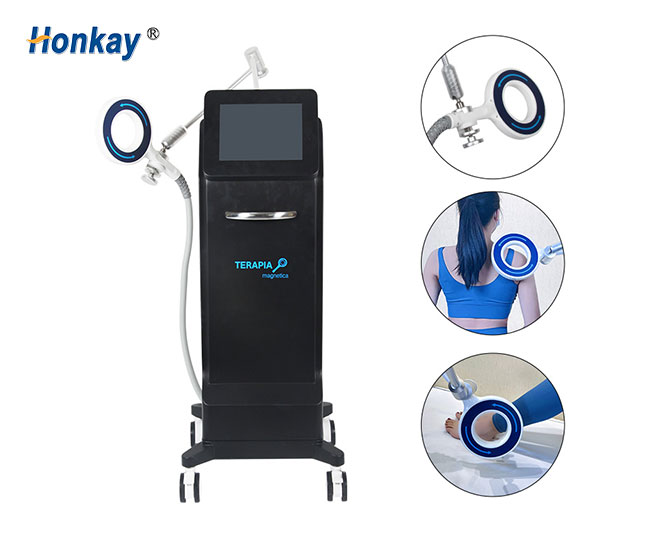
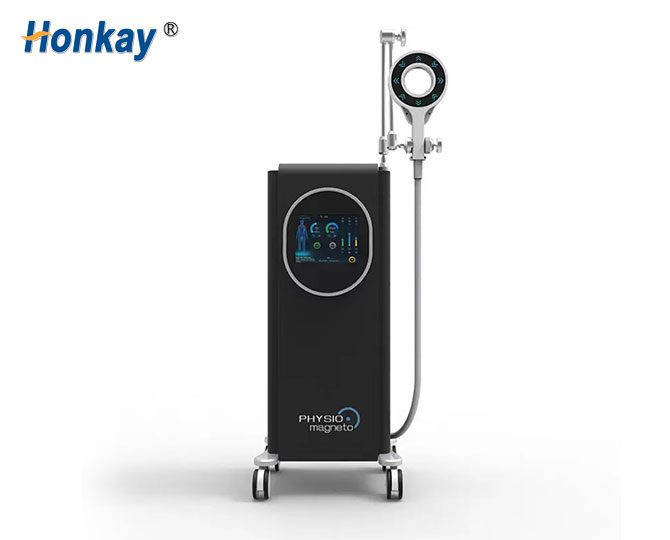
Almost every pemf machine for horses on the market is the same three-part system, and buyers routinely focus on the wrong part.
| Part | What it does | What it decides |
|---|---|---|
| Console | Generates the pulsed current and controls intensity, frequency and time | The ceiling of the system — intensity range and frequency range |
| Applicator set | Converts that current into a magnetic field at the horse | Almost everything clinically relevant: which anatomy you can reach, how long a session takes, whether you need a handler |
| Power and case | Voltage compatibility and transport | Whether you can do stable calls at all |
A console that quotes a wide intensity range but ships with a single 30 cm loop is a less capable pemf therapy machine for horses than a lower-spec console with six applicators. The applicator set is where the clinical range of the machine lives, and it is the part sales sheets compress into one line.
What the two architectures ship with
| Loop / coil system | Blanket / mat system | |
|---|---|---|
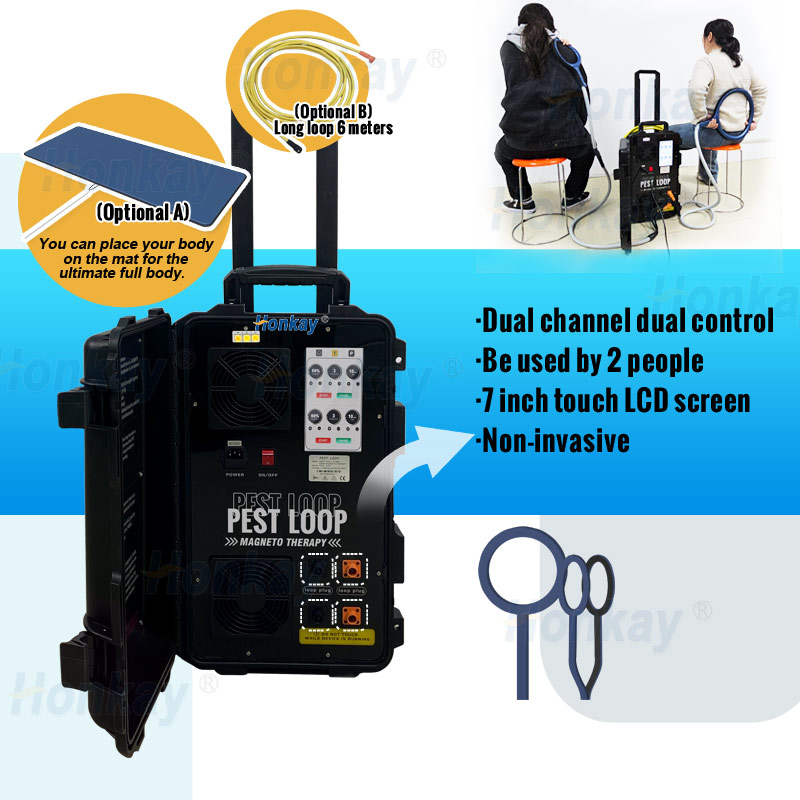
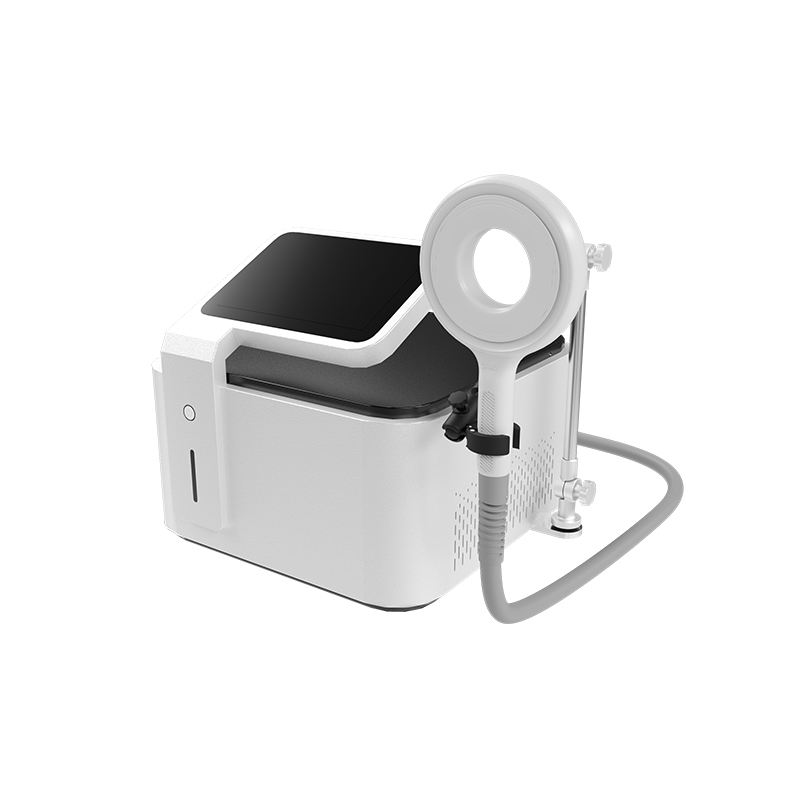
| Standard in the box (typical) | Console ×1, one large loop ×1, one butterfly loop ×1, power line ×1 | Console ×1, one mat or sheet ×1, power line ×1 |
| How the field is delivered | Wrapped around or held against a targeted area | Horse stands, lies or is covered over a broad area |
| Hands required during session | Yes — applicator must be positioned and held | No — hands-free once positioned |
| Typical session routing | One area at a time; move the loop between areas | Whole region in one pass |
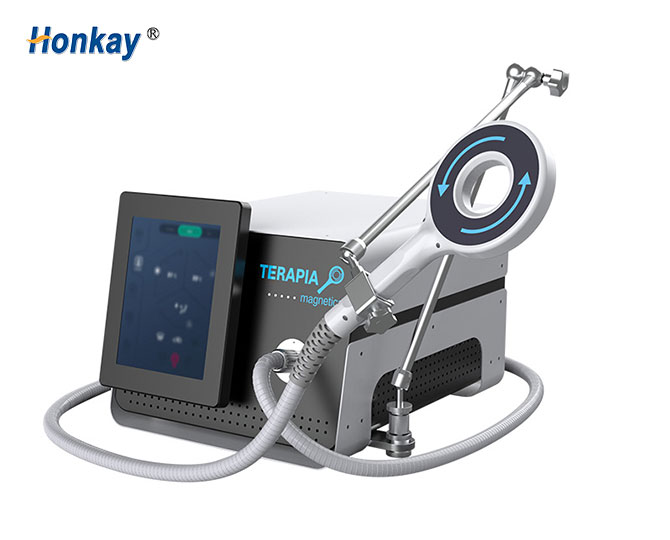
| Extending the system | Add loops: butterfly, X-Wings, MagFlex, long cable, hoof box | Add mats or sheets |
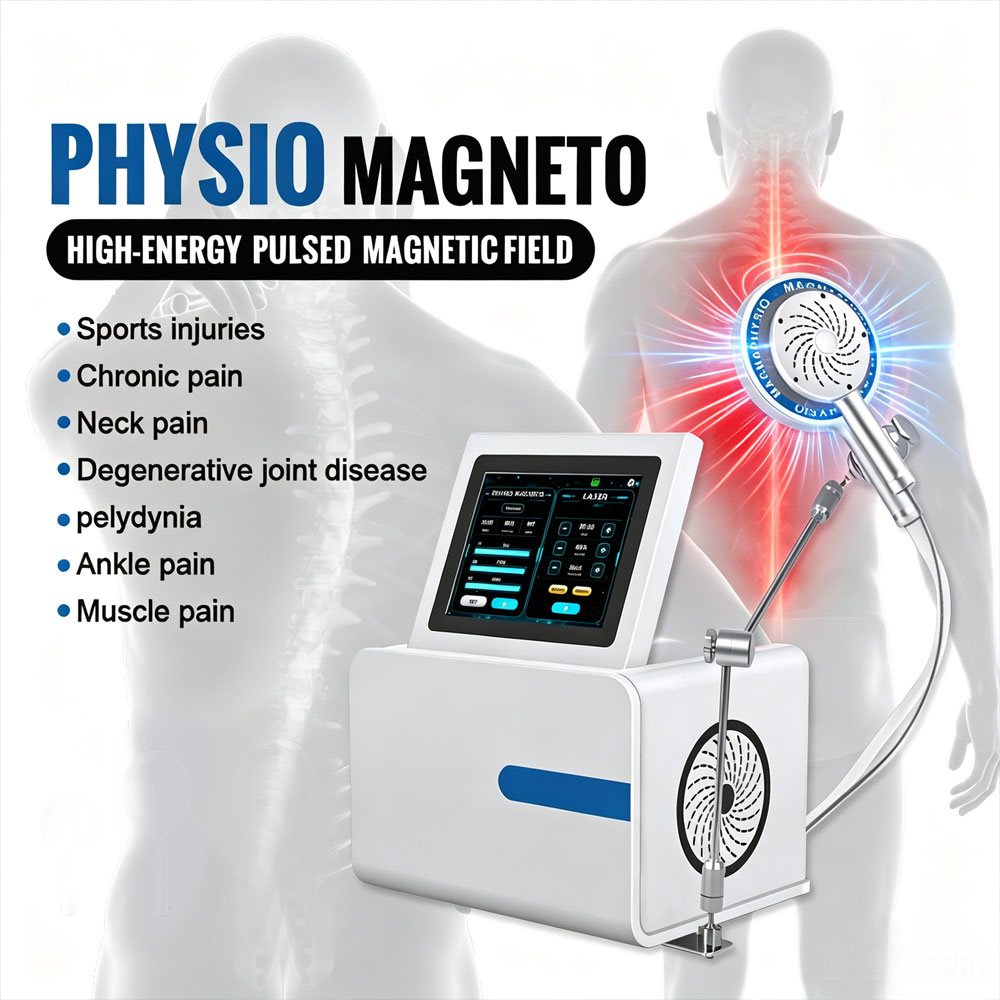
Both architectures share the same working principle: large-capacity capacitors discharge into the applicator coil, which turns that current into a pulsed electromagnetic field. The field passes through fur, muscle and bone, so no clipping or shaving is required before a session — a detail that matters more with horses than with any other species, because clipping is both time-consuming and a source of stress.
2. Loop systems: focused, adjustable, handler-dependent
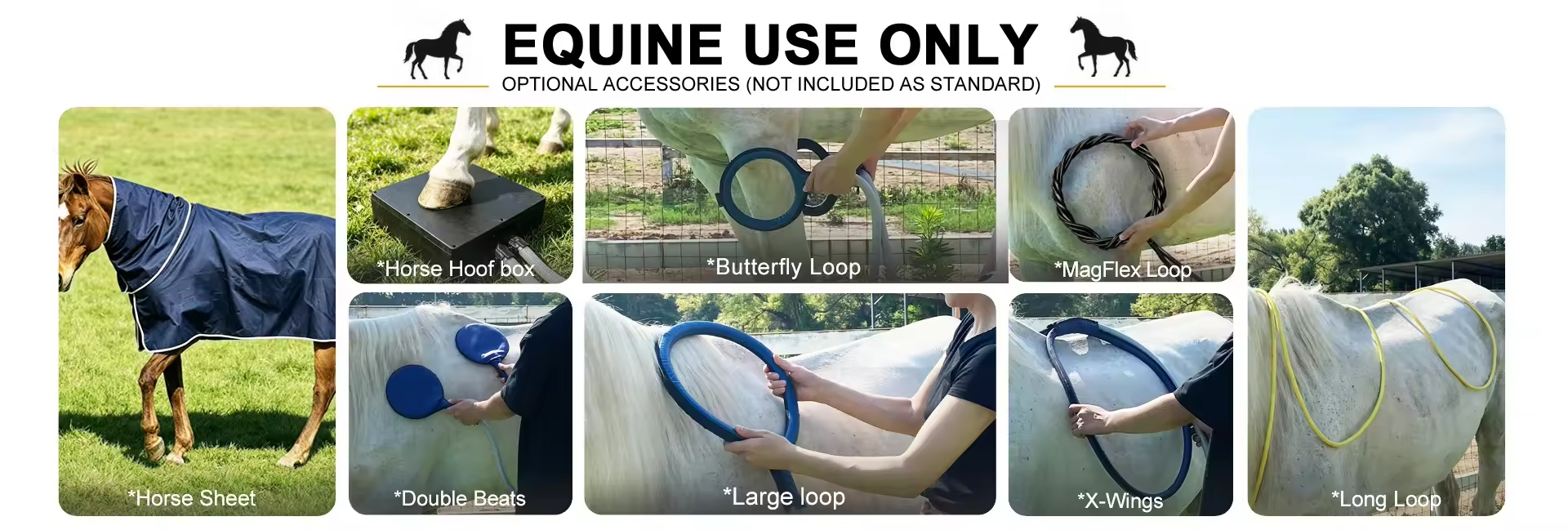
The equine loop range is not one accessory — it is a family, and each member exists because of a specific anatomical problem.
| Applicator | Size / form | Where it goes on a horse | What it is for |
|---|---|---|---|
| Large Loop | 30 cm diameter | Over the back, loin, hindquarter or large muscle groups | Saddle pressure injuries, back and thigh muscle stiffness, large-area coverage |
| Butterfly Loop | 18 cm diameter, openable double ring | Hock, fetlock, lower limb joints | Joint inflammation and lameness work; wraps the joint from both sides |
| X-Wings | 50 cm symmetrical double-ring, X-shaped | Across the whole back | Saddle injury swelling, back muscle stiffness, lameness — designed specifically for the horse’s back and thigh |
| MagFlex | 25 / 33 / 50 cm coiled | Around limbs and tight contours | Irregular or narrow anatomy where a rigid ring cannot sit flat |
| Long Loop | 6 m cable loop | Laid along the body; no distance limit | Horses that cannot be moved, or long-line work without repositioning the animal |
| Double Beats | Twin paddle pads | Placed on both sides of the spine | Bilateral muscle groups, symmetrical coverage in one pass |
| Hoof box | Floor-standing box | Horse stands a hoof on it | Hoof and lower-limb work where a wrap will not stay put |
| Bat Loop | 20 cm symmetrical | Either side of the spine, small local areas | Localised lesions and narrow, uneven areas |
Where the loop architecture wins:
- Precision. You can put the field where the lesion is. Suspensory desmitis, flexor tendinitis and hock inflammation are all focal problems; a whole-body field treats a large volume of tissue that does not need it.
- Adjustability. Because the applicator can be moved, one machine covers a foal’s fetlock and a warmblood’s back in the same afternoon.
- Reach. A 6 m long loop lets you treat a horse that will not leave its box, and a hoof box works where wraps slide off.
- Turnaround. One loop can be repositioned across three or four areas in a single session, which compresses the visit.
Where it costs you: a loop session needs a person. The applicator has to be held or positioned, and each loop handpiece should not be run continuously for more than 30 minutes. With a nervous or poorly handled horse, that handling requirement is the real constraint — not the machine.
3. Blanket and mat systems: whole-body, hands-free, compliance-friendly
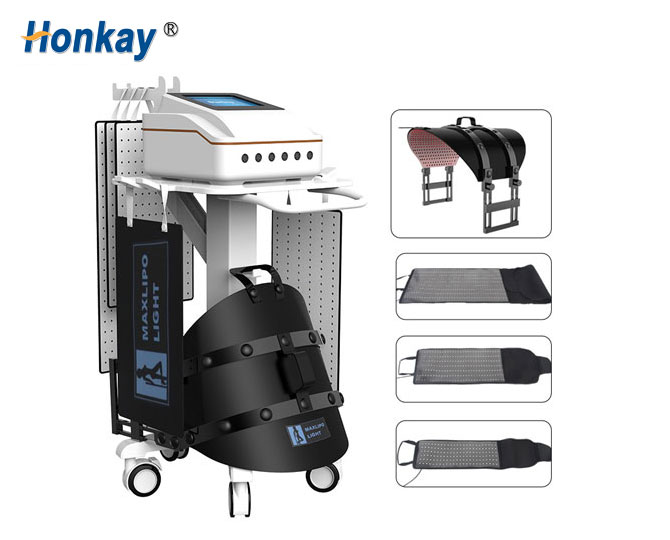
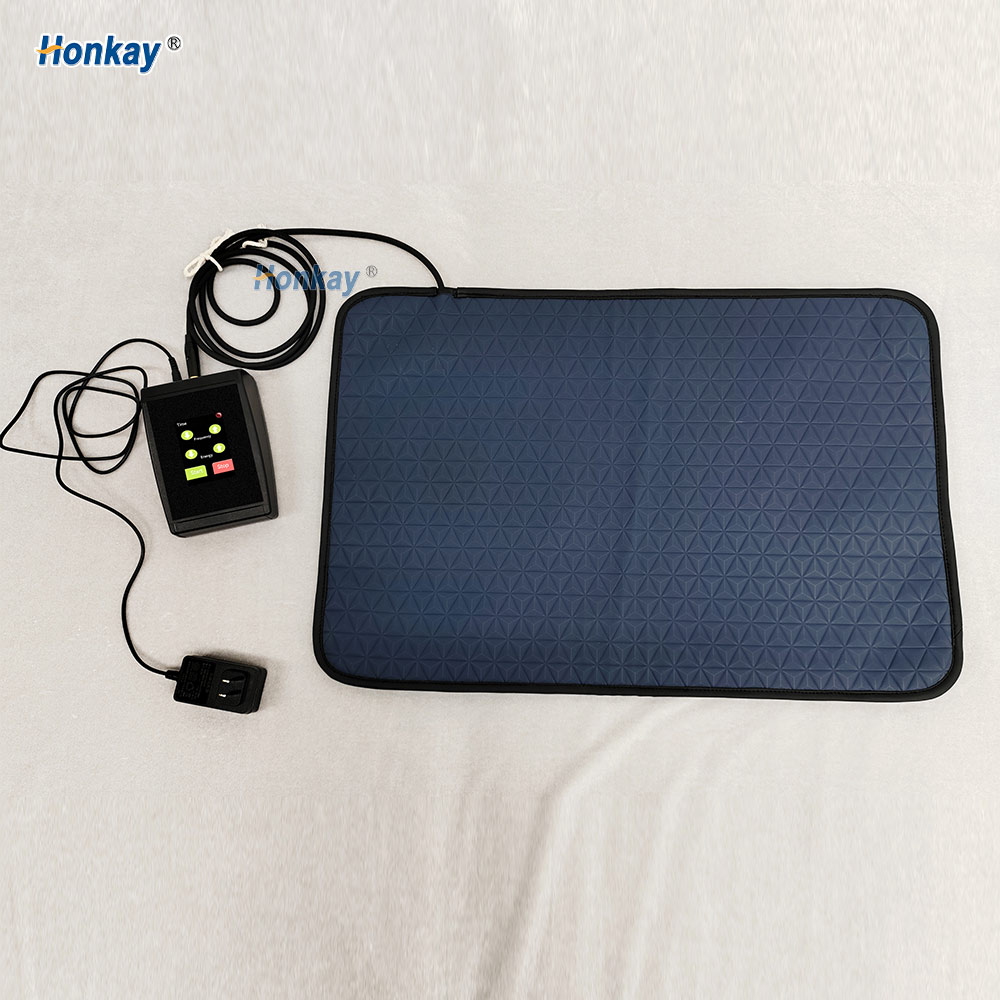
A blanket or mat system puts the field-generating elements into a flexible panel the horse wears, stands on or lies on.
| Form | How it is used | Best suited to |
|---|---|---|
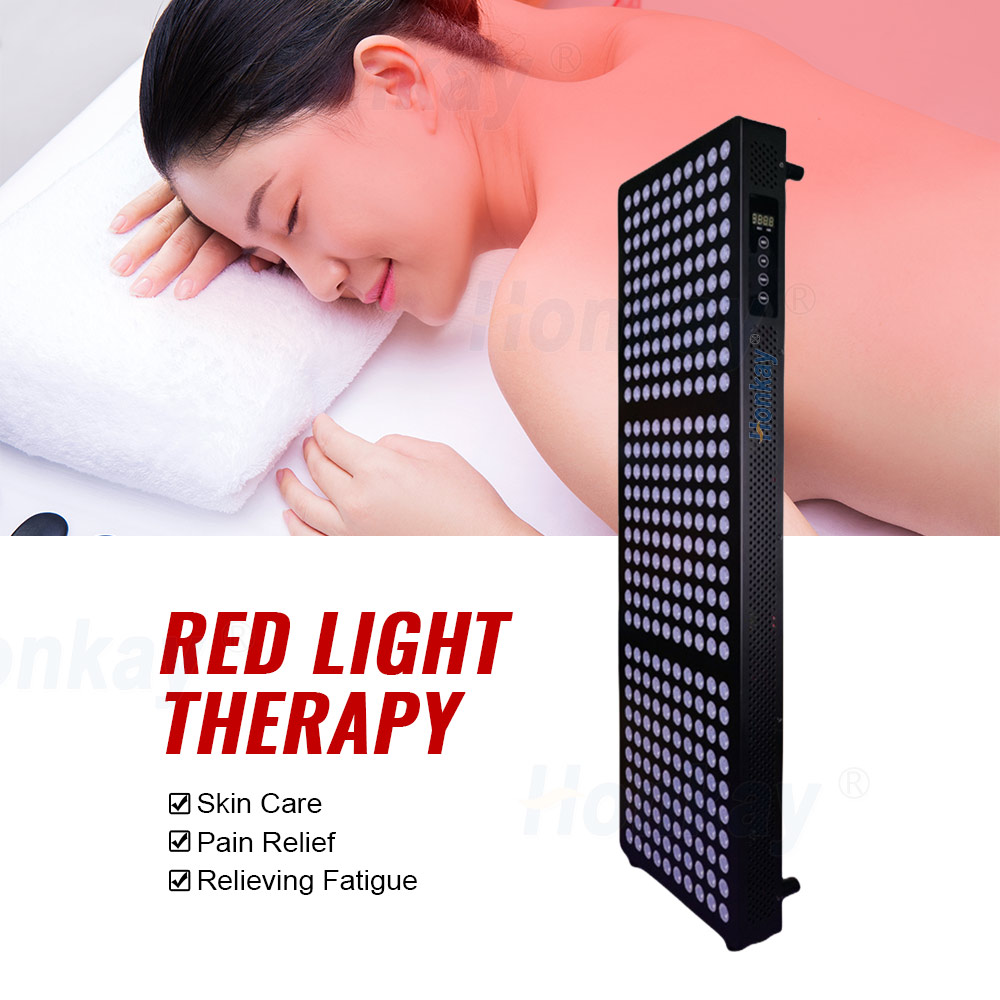
| Horse sheet / blanket | Hung on the horse like a rug; horse stands or walks in a box | Whole-back and whole-body coverage; horses that dislike being handled |
| PEMF mat | Laid flat; horse stands over it or lies on it | Legs, hooves, ventral areas; drowsy or recumbent horses |
| Pet / small mat | Placed under a lying animal | Post-operative quiet recovery, older animals, small patients |
Where the blanket architecture wins:
- Compliance. Nothing has to be held. A horse that objects to a handler holding a coil will often stand quietly in a sheet. For the horses where loop sessions are stressful, this is decisive.
- Time per visit. A whole-back session is set up once, not repositioned five times.
- Repeatability. The same blanket in the same position gives the same coverage every visit, which matters when you are tracking a chronic case week over week.
- Multi-animal throughput. Mats and sheets queue: one horse wears it while the next is prepared.
Where it costs you: coverage is broad and shallow by design. You cannot aim a blanket at a single suspensory branch, and the felt intensity at any one point is lower than a loop pressed against the same spot. For focal tendon and joint lesions, a blanket alone is usually the wrong tool.
The parameter comparison that actually matters
| Parameter | Typical loop system | Typical blanket / mat system |
|---|---|---|
| Magnetic intensity (console range) | 1,000–8,000 Gauss on the dual-control magneto console | System-dependent; usually a narrower, fixed band |
| Pulse frequency | 1–10 Hz | Often a wider quoted band (e.g. 2–72 Hz on mat-type devices) |
| Oscillation | 4,500 Hz | Not always published |
| Intensity steps | 5 levels (1–5) | Typically fewer, or preset programmes |
| Session timer | 5 / 10 min steps, up to 30 min per handpiece | Fixed programme length |
| Field footprint | Small and movable | Large and fixed |
Two cautions on these numbers. First, a mat quoting 2–72 Hz and a console quoting 1–10 Hz are not comparable specifications — they describe different device classes with different signal design, and the larger number is not automatically better. Second, magnetic intensity figures are only meaningful next to the distance from the coil at which they were measured. Ask for both, and ask whether the figure is peak at the coil surface or a usable value at working distance.
4. Matching the applicator to the equine case
This is the table to take into a stable visit. It maps the presenting problem to the applicator that actually reaches it, and to the architecture that fits.
| Presenting problem | Applicator that reaches it | Architecture | Why |
|---|---|---|---|
| Suspensory desmitis / flexor tendinitis | Butterfly loop over the affected limb; MagFlex if the contour is irregular | Loop | Focal lesion in a small cross-section — a broad field treats too much healthy tissue |
| Hock joint inflammation | Butterfly loop (openable double ring) wrapped around the hock | Loop | The joint must be wrapped from both sides; a flat mat cannot wrap a hock |
| Back pain, kissing spines, post-saddle injury | X-Wings across the back, or 30 cm large loop | Loop (or blanket for maintenance) | X-Wings was designed for the horse’s back and thigh; two rings cover both sides at once |
| Saddle pressure swelling and muscle stiffness | Large loop over the loin and hindquarter | Loop | Needs direct contact at the swelling; also the case most often maintained on a blanket afterwards |
| Whole-body post-ride soreness | Horse sheet / blanket | Blanket | Diffuse problem, diffuse field; hands-free while the horse stands |
| Navicular disease, hoof and lower-limb work | Hoof box (horse stands on it) | Loop | A wrap will not stay on a hoof; a floor box will |
| Horse that cannot be moved or is difficult to handle | 6 m long loop | Loop | Treats at distance without repositioning the animal |
| Post-operative quiet recovery | PEMF mat under a recumbent or standing horse | Blanket / mat | No handling at all, which is exactly what the post-op period needs |
| Bilateral muscle groups | Double beats, one either side of the spine | Loop | Symmetrical coverage in a single pass |
| Older horse, general maintenance | Sheet or mat | Blanket | Low handling, low stress, easy to repeat weekly |
The pattern that emerges: focal, load-bearing structures want loops; diffuse, whole-body or handling-sensitive situations want a blanket. The exception worth noting is back work, which can legitimately run either way — X-Wings for a specific lesion, a sheet for ongoing maintenance.
5. Session parameters for horses
The numbers below are the documented starting points for the PEST LOOP magneto family. They are starting points, not fixed rules — the practitioner adjusts to the horse, and a 300 kg pony and a 700 kg warmblood are not the same patient.
Console settings
- Magnetic intensity: 1,000–8,000 Gauss on the dual-control console, set in 5 intensity levels (1–5). Start low on a nervous horse and on small or juvenile animals.
- Pulse frequency: 1–10 Hz adjustable. In practice, equine protocols cluster between 2 Hz and 8 Hz.
- Oscillation frequency: 4,500 Hz — a separate number from pulse frequency, and not a substitute for it.
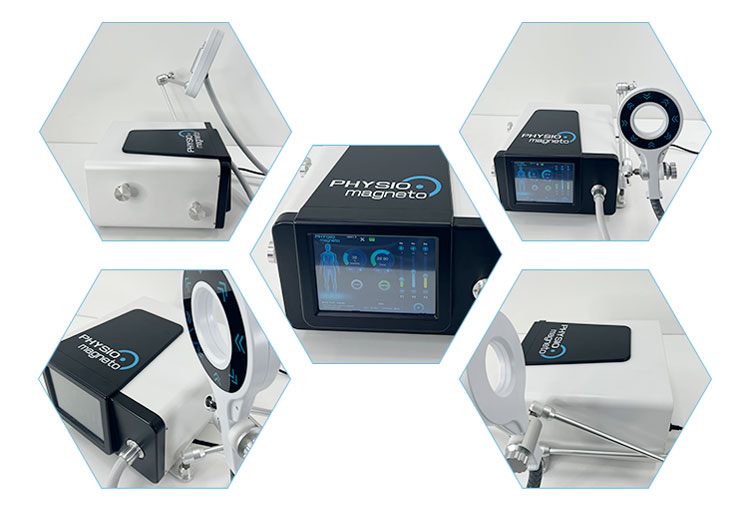
- Power consumption: 850 W. Ingress protection: IP 31. Control: 7-inch touch screen, or the printed panel on the portable case.
- Timer: 5 and 10 minute steps; each loop handpiece should not run continuously for more than 30 minutes.
Session length and frequency
- Single area: 15–20 minutes
- Absolute maximum per handpiece: 30 minutes continuous
- Course: 6–8 sessions
- Interval: twice per week
- Acute injury or post-operative: 15–20 minutes per session, 3–5 sessions per week, 5–10 sessions per course — the goal is fast control of inflammation and swelling
- Chronic pain and rehabilitation: 20–30 minutes per session, 2–3 sessions per week, 10–20 sessions per course — the goal is tissue remodelling, which is slower by nature
Portability, if you do stable calls
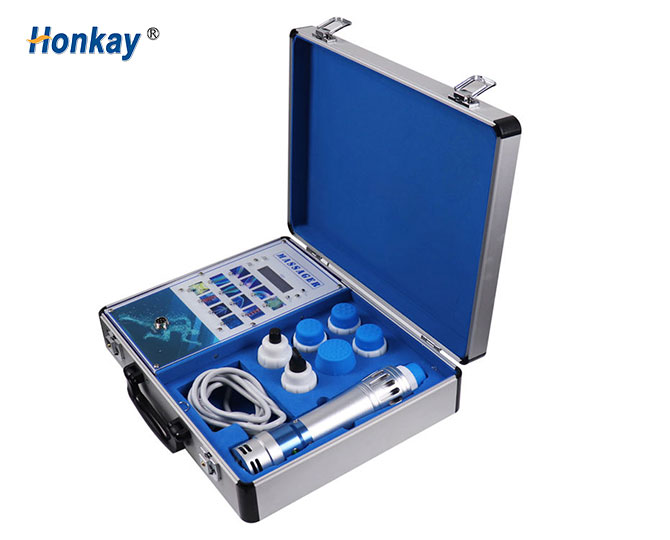
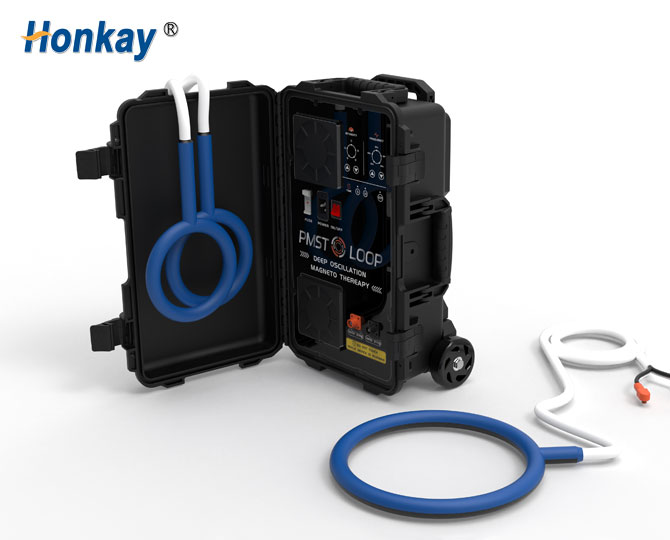
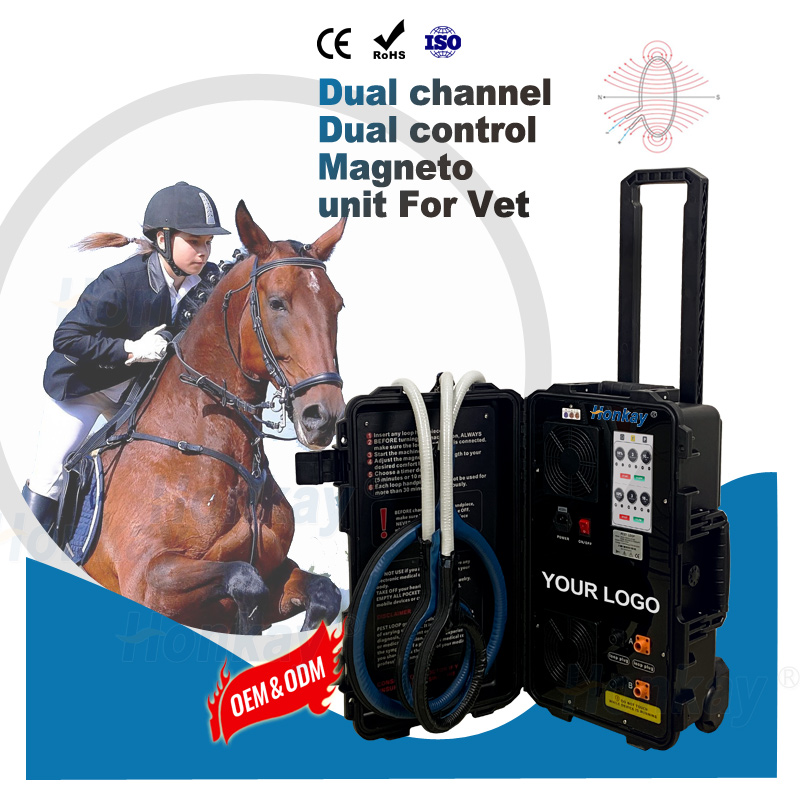
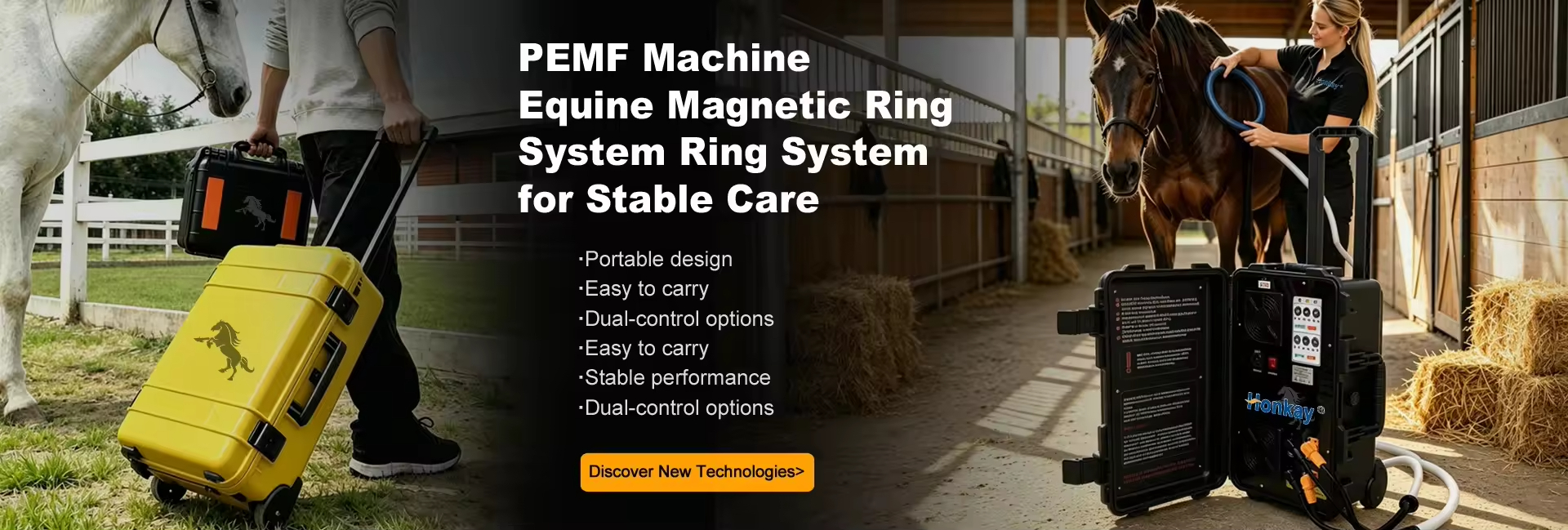
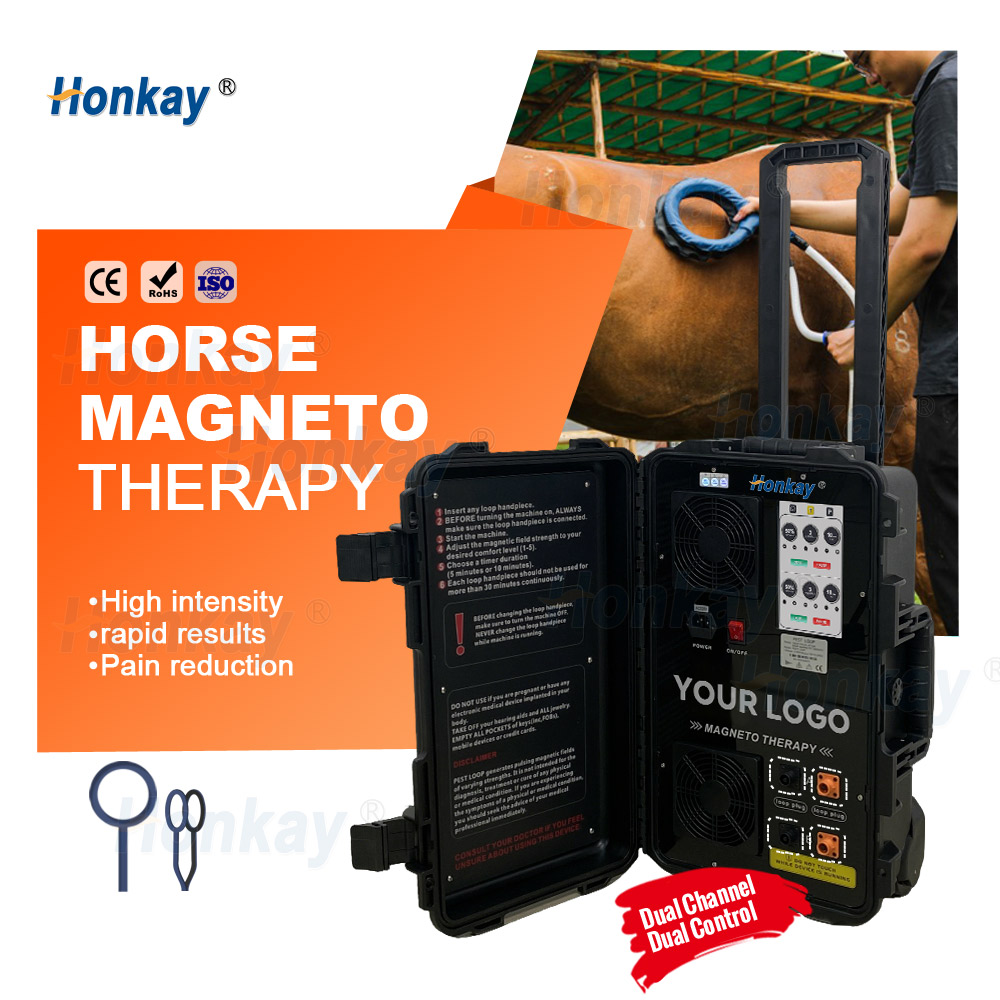
The animal-focused portable configuration weighs 5.5 kg net in its waterproof case, runs on 110–220 V wide voltage with EU, US, UK or AU plugs, and carries dual cooling fans. For a practitioner covering several yards in a day, the machine you actually use is the one that fits in the boot and starts without a setup.
6. Safety screening before the first session
PEMF is non-invasive and drug-free, but it is not unconditionally safe, and the screening is not optional. For horses, confirm the following before the applicator goes anywhere near the animal.
Do not treat:
- A horse with an implanted electronic device — pacemaker, analgesic pump or similar. Strong magnetic fields can cause power failure or damage the internal circuitry.
- A horse with metal implants in the treatment area, where the mechanical vibration of the field could damage tissue around the implant.
- A horse with metal fragments or a metallic foreign body in or near the treatment area. A pure metal object near the field will vibrate and heat depending on distance.
- Pregnant mares in mid-to-late gestation.
- Any animal with a malignant tumour in or near the treatment area, a local infection in the treatment area, or vascular disease in or near the treatment area.
- A horse with large-area skin ulceration or infection at the treatment site.
- A horse with severe epilepsy.
- Areas of cartilage surface, and near the small facet joints of the spinal column — do not place the field directly on these.
Practical precautions for every session
- Remove metal from the treatment area: shoes with metal components, buckles, clips, rugs with metal fixings.
- Keep ID cards, access cards, keys and bank cards away from the loop. A magnetic ring at these intensities will erase or damage them.
- Keep the applicator away from precision electronics and from the console’s own display.
- Check the coil connector is dry and firmly seated before every session, and inspect the cable for damage.
- Confirm the written contraindication list that ships with the specific unit you buy — this is equipment-purchasing information and clinical workflow, not veterinary advice, and the treating veterinarian’s judgement governs the case.
7. What drives the price of an equine PEMF machine
Two quotes for an “equine PEMF machine” can differ by a factor of three. The gap is almost never the console.
- Which applicators are standard versus optional. This is the single largest driver. A system that includes one large loop and one butterfly loop in the box is a different product from one where every equine applicator is an add-on, even if the consoles are identical.
- The size of the equine applicator set. Large loop, butterfly, X-Wings, MagFlex in three diameters, long loop, hoof box and double beats each add cost — and each covers anatomy the others cannot.
- Whether a blanket or mat is included. In the equine range these are typically listed as optional accessories, not standard, so confirm explicitly what is in the box.
- Console capability. Intensity range, frequency range, number of channels (dual channel and dual control lets two horses or two areas run at once) and screen type.
- Case and portability. A waterproof, dust-resistant wheeled case with printed in-lid operating instructions costs more and survives stable use better than a soft bag.
- Voltage and plug configuration for your market — 110–220 V wide voltage with market-matched plugs is a specification worth confirming in writing.
- Consumables. Ask the question directly. A loop-and-mat PEMF system has no gel, no pads, no cartridges and no electrodes to replace, which is what makes the per-treatment cost low and the margin high for a clinic.
- Warranty and after-sales terms. Warranty periods are quoted inconsistently across the market — for main unit and for accessories separately — so ask for the warranty terms in writing rather than relying on a page or a chat message.
On running cost: because there are no consumables, the marginal cost of a session is electricity and staff time. That is the argument for PEMF in an equine practice — not the purchase price, but the fact that session 200 costs the same as session 2.
8. Where Honkay fits
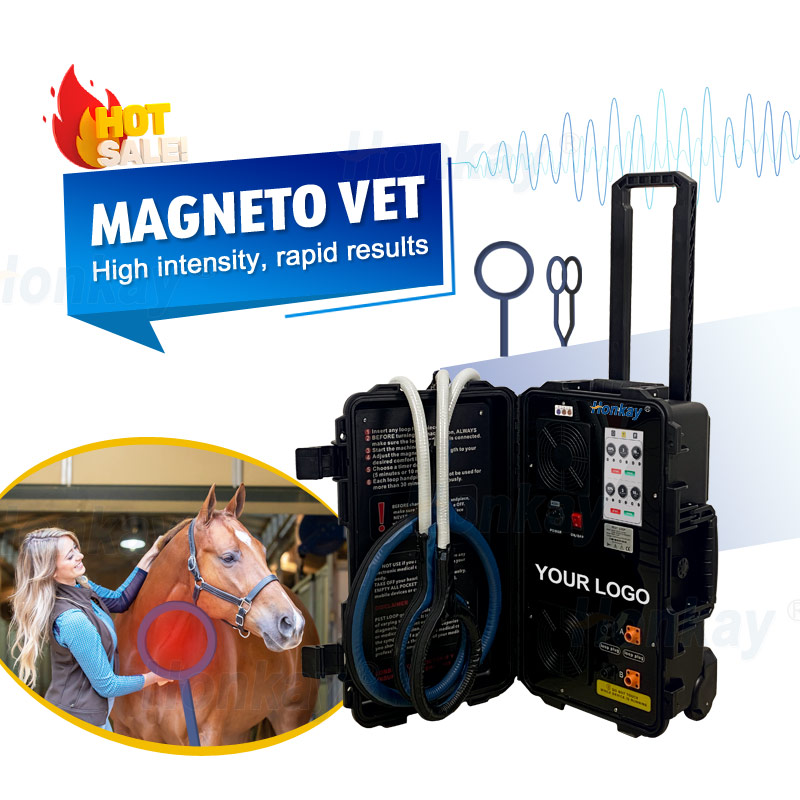
Honkay (Guangzhou Huang-Kai Technology Co., Ltd.) manufactures the PEST LOOP magneto family covered in this guide: a dual-channel, dual-control veterinary unit in a wheeled waterproof case, with single-channel and tabletop versions of the same platform. The equine accessory range includes the large loop, butterfly loop, X-Wings, MagFlex, long loop, hoof box, double beats, plus horse sheet and mat options — the same accessories described in the tables above, which is why we can publish their dimensions rather than describing them vaguely.
If you are specifying an equine PEMF system for a clinic, a rehabilitation yard or a distribution line, the fastest way to a usable answer is to send us the cases you actually treat. We will come back with the applicator set that covers them, the parameters to start from, and the current price — including which accessories are standard and which are optional.
See the portable PEMF loop system →
You may also find these useful: our PEMF machine buying guide explains how to read Gauss, frequency and applicator specifications across any brand, and our shockwave vs TECAR vs PEMF comparison covers how PEMF sits alongside the other two modalities in a rehabilitation clinic.
Frequently asked questions
Do I need to clip or shave the horse before a PEMF session?
No. A pulsed electromagnetic field passes through fur, muscle and bone, so clipping is not required and does not affect the treatment. This matters more with horses than with companion animals: clipping is slow, it changes the horse’s appearance, and it is a stress event in itself. Removing metal — buckles, clips, metal rug fixings — from the treatment area is the only preparation that is genuinely necessary.
Can I use a loop system and a blanket system on the same horse?
Yes, and the sequence is usually the useful pattern. Treat the focal lesion with a loop while the problem is acute, then maintain the area with a blanket or mat once the horse is back in work. The two architectures are complementary rather than competing: the loop gives you precision and local intensity, the blanket gives you coverage and compliance. If you are buying one system first, buy the loop set — the blanket is easier to add later, but the reverse is not true.
How long is a session, and how many sessions make a course?
A single area is treated for 15–20 minutes, with an absolute maximum of 30 minutes of continuous use per loop handpiece. A course is typically 6–8 sessions at twice a week. For acute injury or post-operative work the cadence is higher — 15–20 minutes per session, 3–5 times a week, 5–10 sessions — because the target is rapid control of inflammation. Chronic pain and rehabilitation run longer per session (20–30 minutes) at a lower frequency of 2–3 times a week, over 10–20 sessions, because tissue remodelling cannot be rushed.
Is PEMF safe for pregnant mares?
Treat the answer as a screening question, not a general yes. Mid-to-late gestation is listed as a contraindication for this equipment family, so a pregnant mare in that window should not be treated. Outside that window, the decision belongs to the treating veterinarian, who will also screen for implants, tumours, local infection and vascular disease in the treatment area. Do not rely on a sales page for this — ask for the manufacturer’s written contraindication list.
Which applicator should I buy first?
If you treat limbs, buy the butterfly loop first: it wraps a hock or a lower-limb joint from both sides, which no flat applicator can do. If your caseload is dominated by back and saddle problems, buy X-Wings first — it was designed for the horse’s back and thigh, and two rings cover both sides of the spine in one pass. A 30 cm large loop is the general-purpose starting point that most systems already include. A hoof box is worth adding if you see a lot of navicular and sole cases, because a wrap simply will not stay on a hoof.
How do I know the machine will reach deep enough?
Do not accept a depth figure without asking two questions: at what distance from the coil was it measured, and is it a peak value at the coil surface or a usable value at working distance? Magnetic intensity stated without a measurement distance is not a specification. The more reliable indicators of whether a system can reach a deep lesion are the applicable intensity range, whether that range is adjustable, and whether the applicator set includes a coil geometry that can be wrapped around the target — a wrap delivers field from both sides, which a surface pad cannot.
Can one machine treat horses and small animals?
Yes, within limits. The same console accepts small-animal applicators — bat loop and butterfly loop for cats and dogs, and pet mats for recumbent patients — alongside the equine range. What changes is the applicator and the intensity setting, not the console. If your caseload is mixed, this is worth confirming as a set rather than buying the equine applicators and discovering later that the small-animal accessories are a separate purchase.
What should I confirm in writing before paying a deposit?
Six things: the exact list of standard versus optional accessories; the intensity and frequency ranges of the specific console; the voltage and plug standard for your market; the warranty terms for the main unit and for the accessories, stated separately; whether the machine has the certifications your market requires, noting that certifications are issued per device and per intended use, not per brand; and the delivery, training and spares terms. Ask for all six in the quotation document. A supplier who cannot put them in writing is telling you something useful.
Request a quotation for your equine caseload
Tell us which cases you treat — hocks, backs, tendons, hooves, or whole-body maintenance — and how many horses you see in a week. We will come back with the applicator set that covers your caseload, the starting parameters, the accessory list split into standard and optional, and a quotation with the warranty and delivery terms in writing. Samples for evaluation and OEM/ODM branding are available for distributors.
Manager: Lisa
WhatsApp: +8613751821215
E-mail: hk6@huang-kai.com