Pulsed Electromagnetic Field PEMF Therapy Devices: When a Mat Beats a Loop
Most clinics buy a console and then argue about power. The decision that actually shapes a working day is which applicator the patient is under — and for a large share of real caseloads, the answer is a mat rather than a loop.
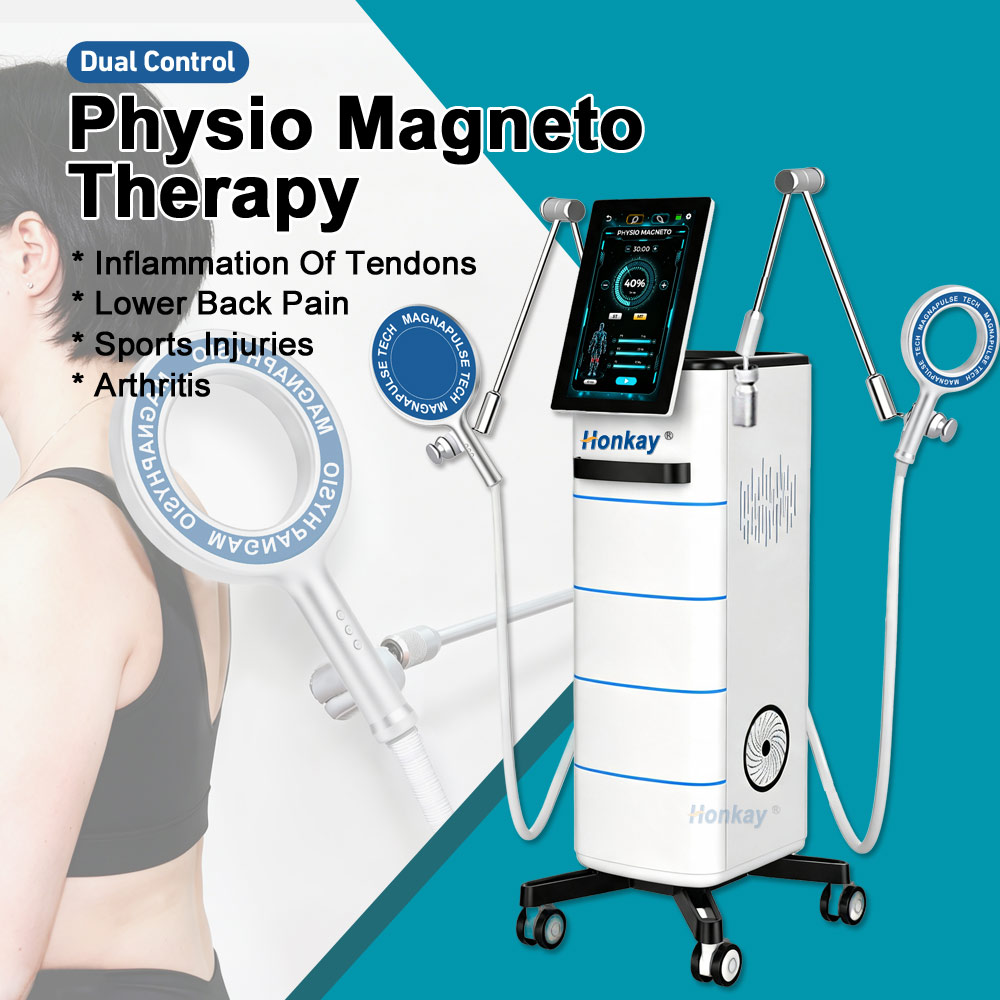
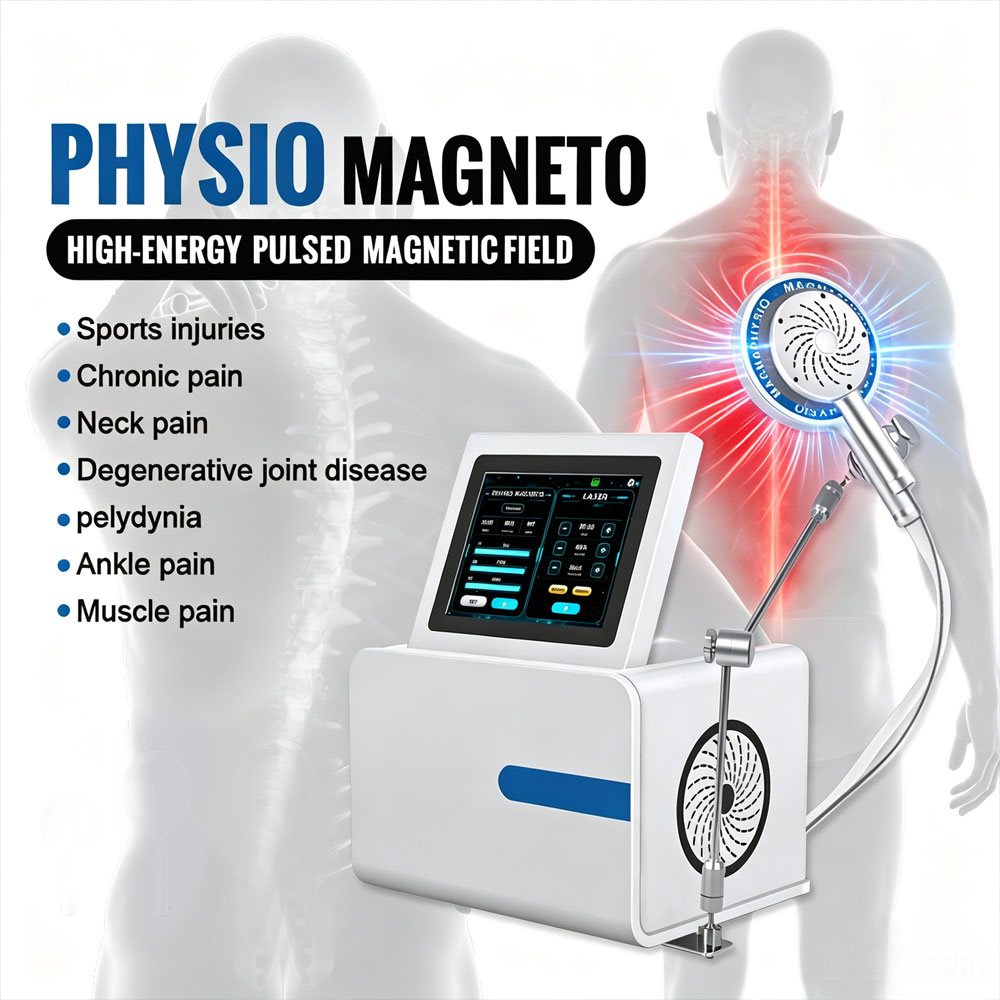
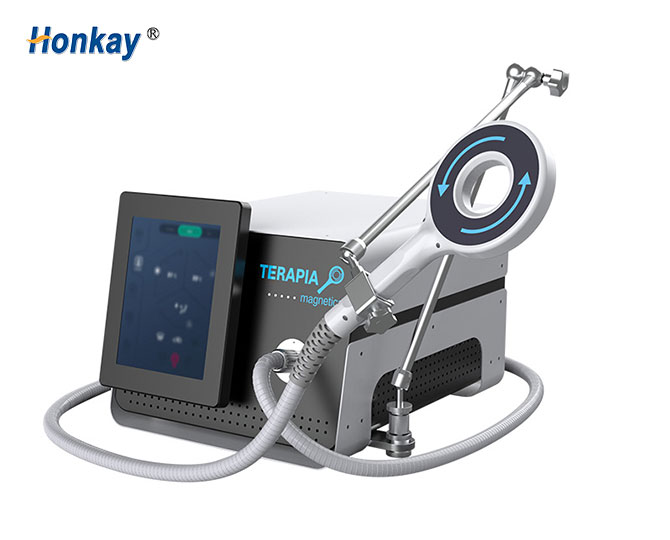
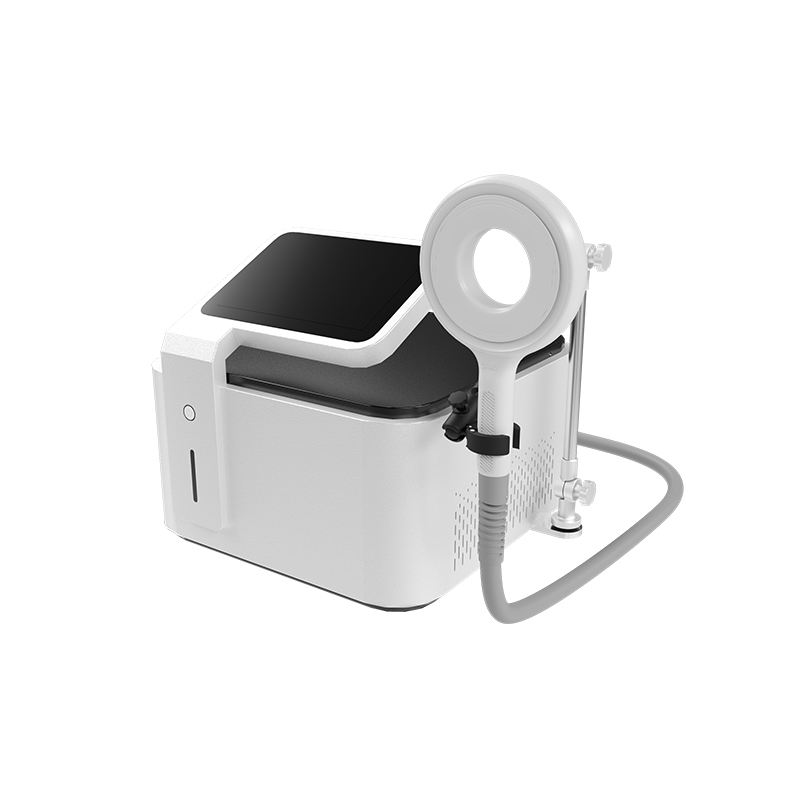
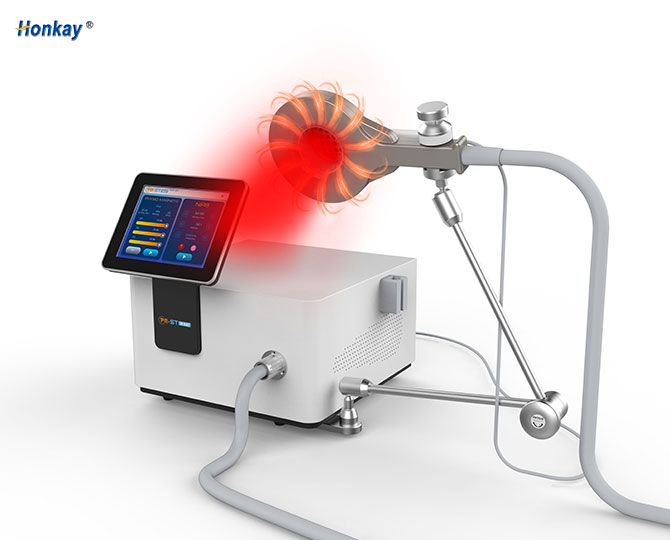
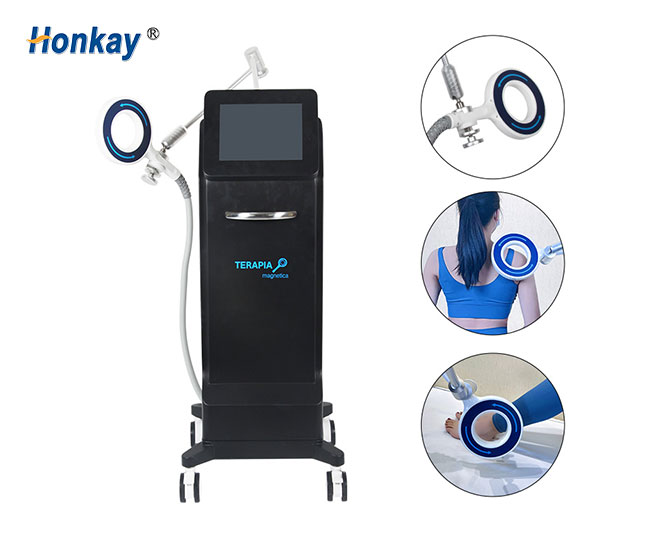
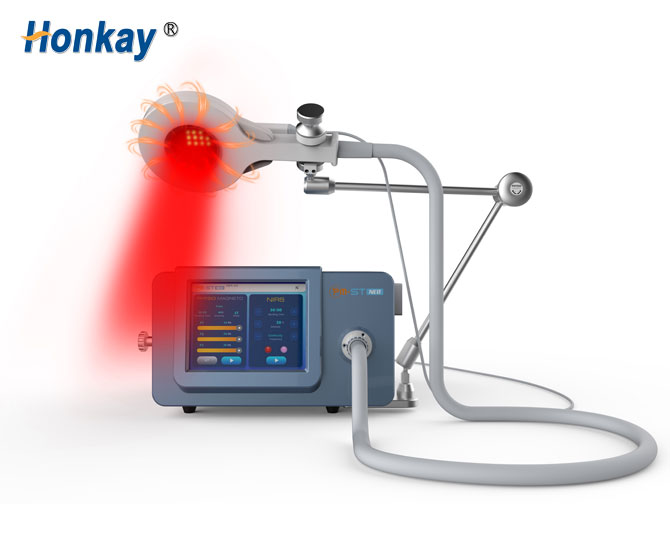
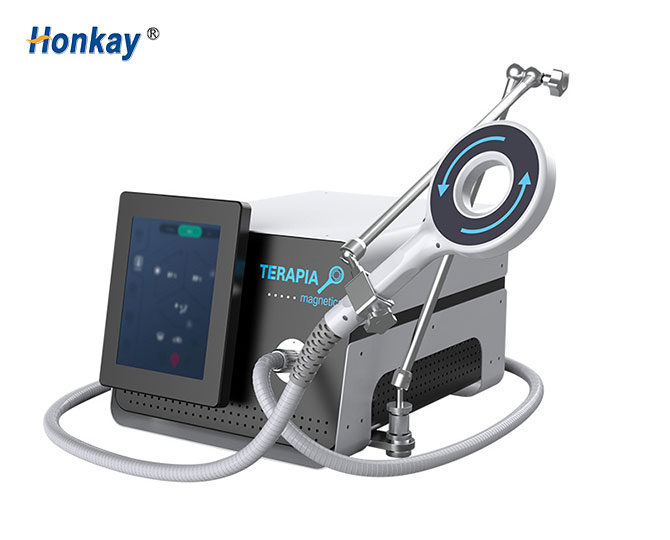
Pulsed electromagnetic field PEMF therapy devices are sold as one box with a choice of applicators, and the applicators are not interchangeable in any practical sense. A loop concentrates the field where a therapist points it. A mat spreads it across whatever the patient lies or sits on. Choosing between them is not a question of which is stronger; it is a question of who can be positioned, by whom, for how long.
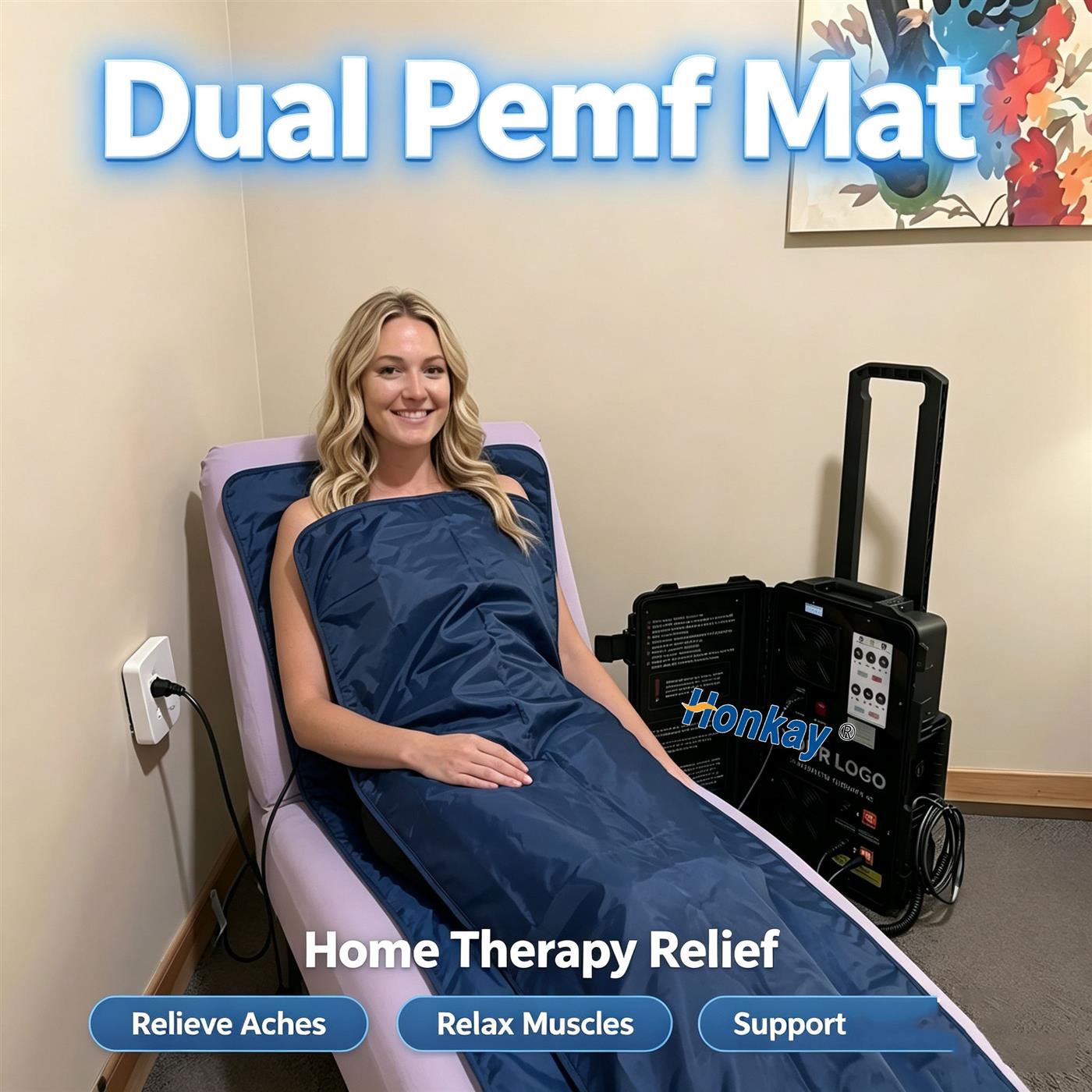
Why the applicator decides the appointment, not the console
Three things in a treatment room are fixed before you ever adjust intensity: whether the patient can be positioned, whether a therapist’s hands are free, and how much of the body one session covers.
| Loop applicator | Mat applicator | |
|---|---|---|
| Field shape | Concentrated at a targeted spot | Spread across the covered area |
| Therapist time | Positioned and monitored, sometimes held | Free — nothing to hold once the patient is settled |
| Best for | Joints, tendons, focal lesions, irregular anatomy | Whole-body coverage, spine and torso, patients who cannot be positioned |
| Compliance risk | Higher — a patient who cannot stay still wastes the slot | Lower — the patient simply lies or sits |
| Animal work | Large loops for backs and hindquarters | Pet mats for cats and dogs |
A clinic that only owns loops will turn away work it could otherwise do: patients in too much discomfort to sit for a targeted applicator, elderly or post-operative cases, and any appointment where nobody is free to stand and hold a coil for twenty minutes.
What a mat actually covers, and what it does not
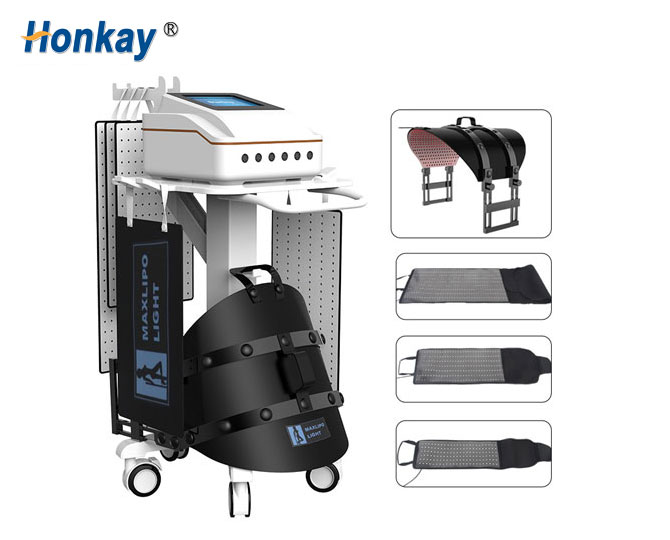
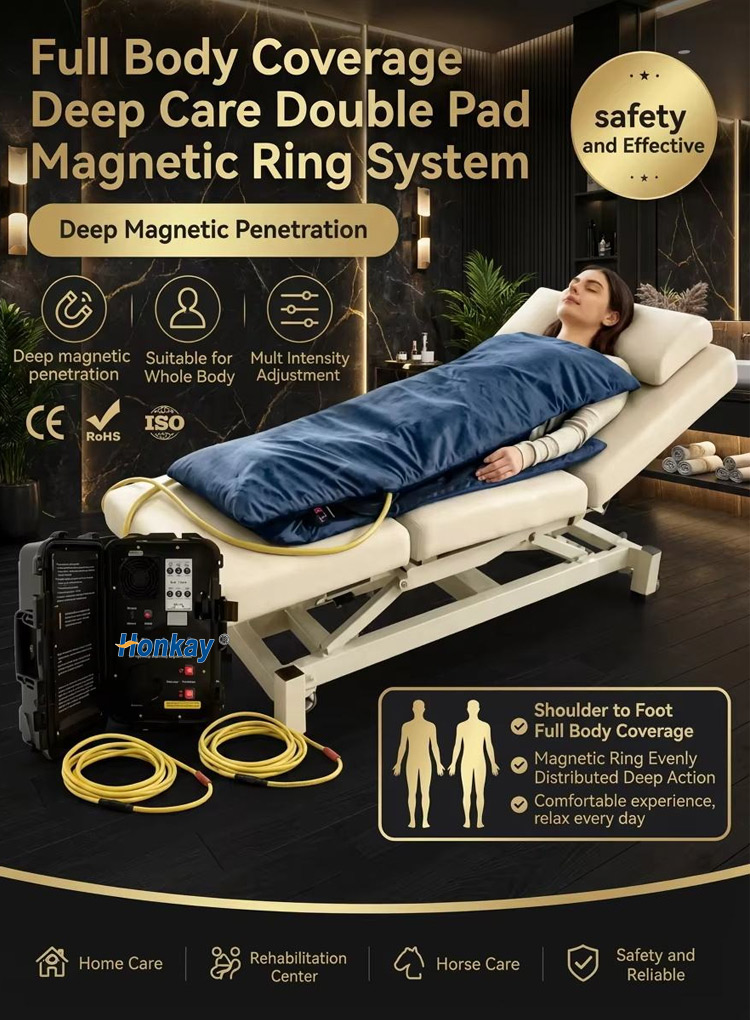
A mat-type applicator is a flexible panel containing the coil array, connected to the same console as any loop. The patient lies on it, sits on a cushion version, or is wrapped inside a double pad that closes over the body. The field is distributed across the whole covered area rather than concentrated at one point, and intensity is adjusted from the console as usual.
That produces three practical advantages:
- Coverage without repositioning. A double pad running shoulder to foot treats the whole posterior chain in one pass. Treating the same territory with a loop means moving it several times, which is several interruptions and several chances for the patient to shift.
- No hands during the session. Once the patient is settled, the therapist is free. On a busy list that is the difference between one appointment and two in the same hour.
- Multi-intensity adjustment across the covered area. Because the mat is a distributed array rather than a single point source, the setting is about the whole region, not about aiming.
The limitation is equally clear: a mat treats a region, not a point. For a small, deep, tightly defined target — a single tendon insertion, a specific joint line — a loop positioned by hand remains the better tool. That is why the answer is a system with both, not a mat instead of loops.
Setting up a mat where there is no treatment couch
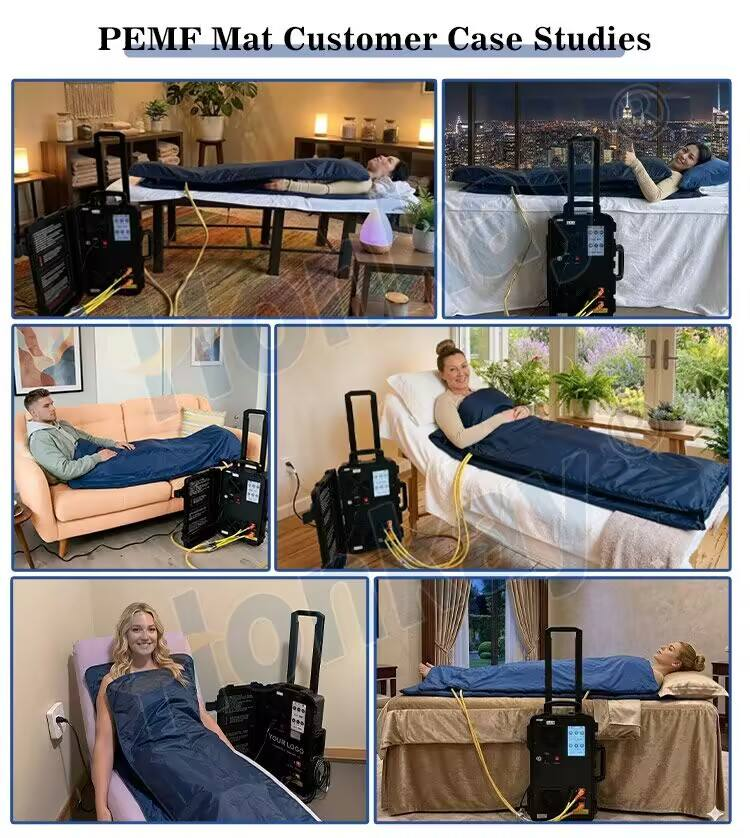
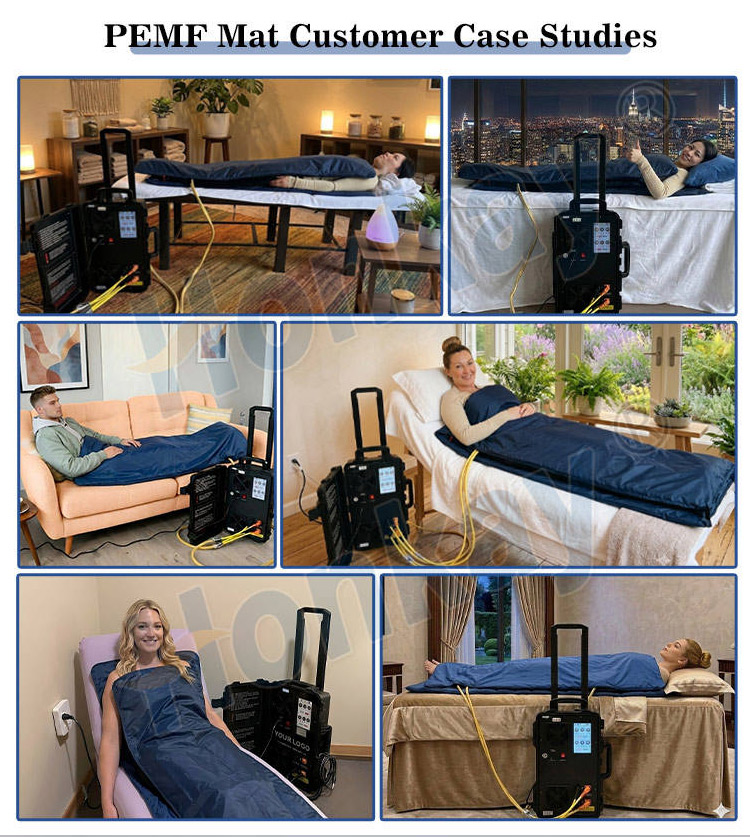
The mat configuration removes the need for a dedicated treatment room, and this is where it earns most of its value for smaller practices. The photographs below are customer installations, not studio shots — a living room with the mat laid across a massage table, a bedroom, a treatment couch in a converted spare room, and a home setting with the case parked on the floor beside the bed.
Four things are consistent across all of them, and they are the things to plan for:
- Flat, firm support. The mat needs a stable surface at working height — a massage table, a firm bed, or a floor mat. A soft mattress lets the patient sink and the coil array bows with them.
- Mains power within reach. The only cable that matters is the one to the console. There is no gel, no disposable pad and no consumable of any kind, so nothing else has to be staged.
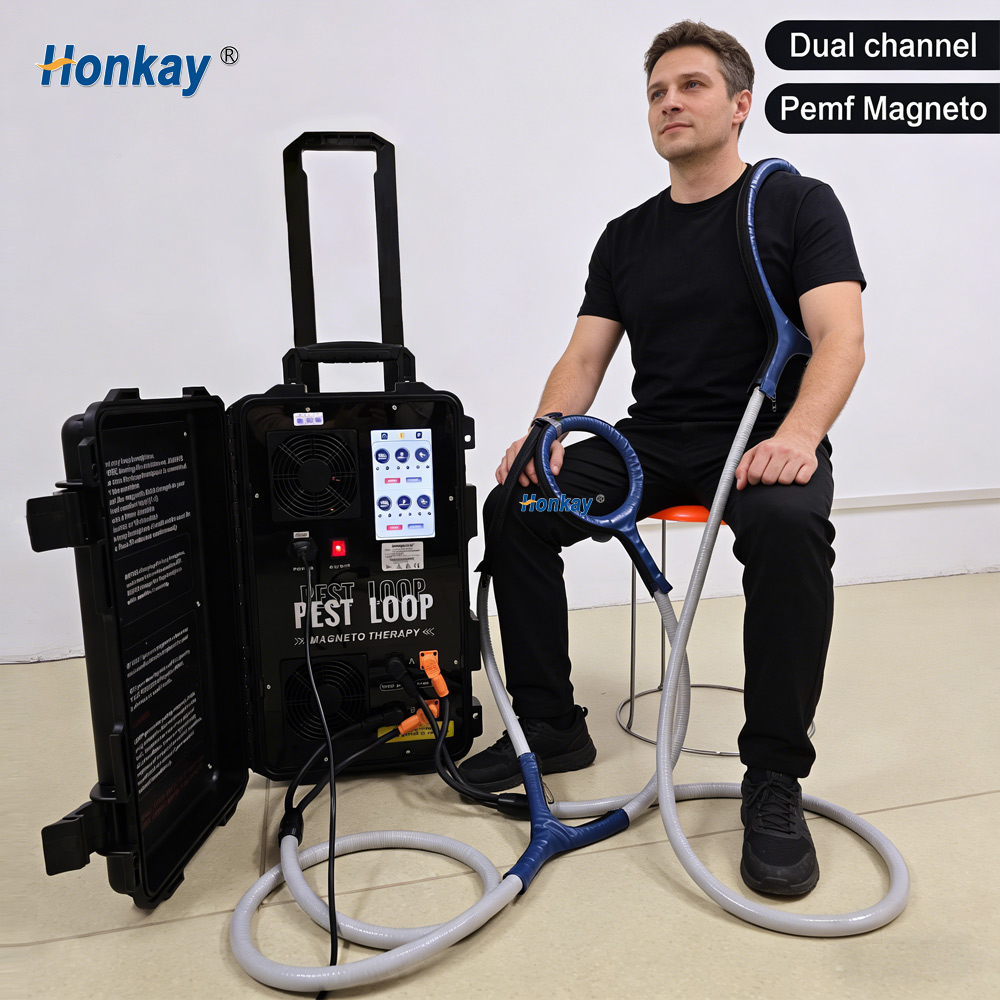
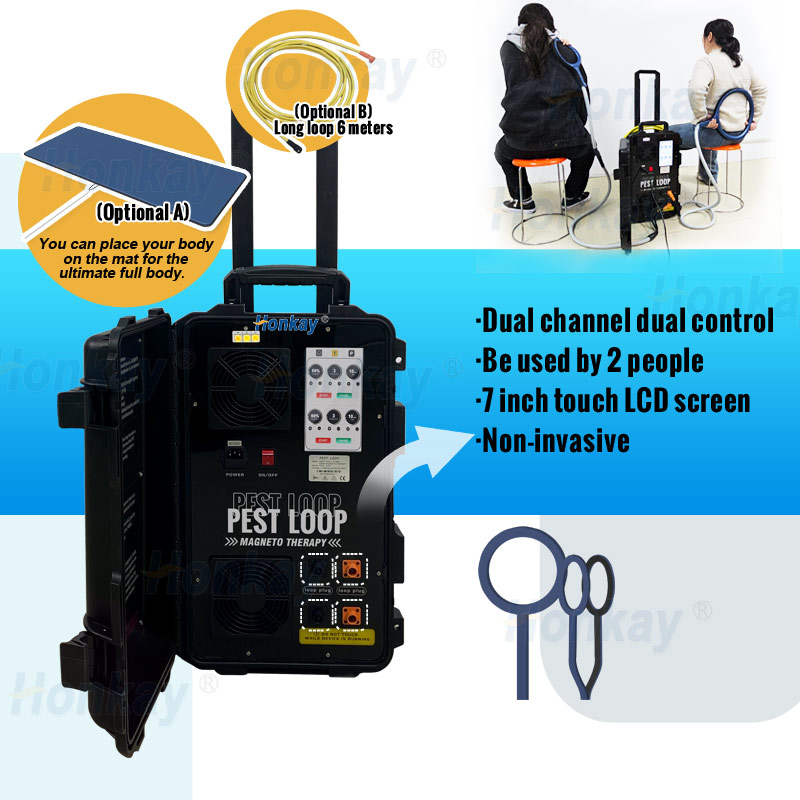
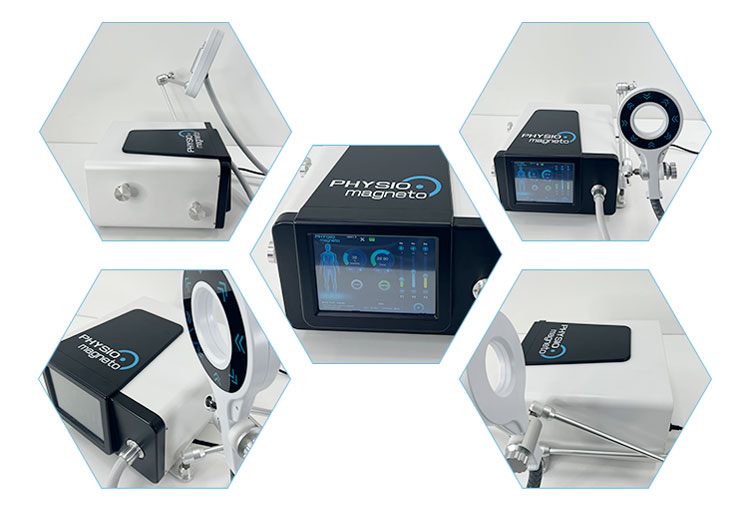
- Floor space for the case. The console sits on the floor beside the couch and is operated from there; a portable configuration makes this a two-minute setup rather than a permanent installation.
- A clear half-hour. Sessions run on a timer from the console, so the therapist can leave the room and return. The waiting patients, not the machine, are the constraint.
For a practice that operates from home, or from a room that has to serve another purpose during the day, that is a materially easier proposition than a fixed treatment bay with a permanently installed console.
One console, several mat formats
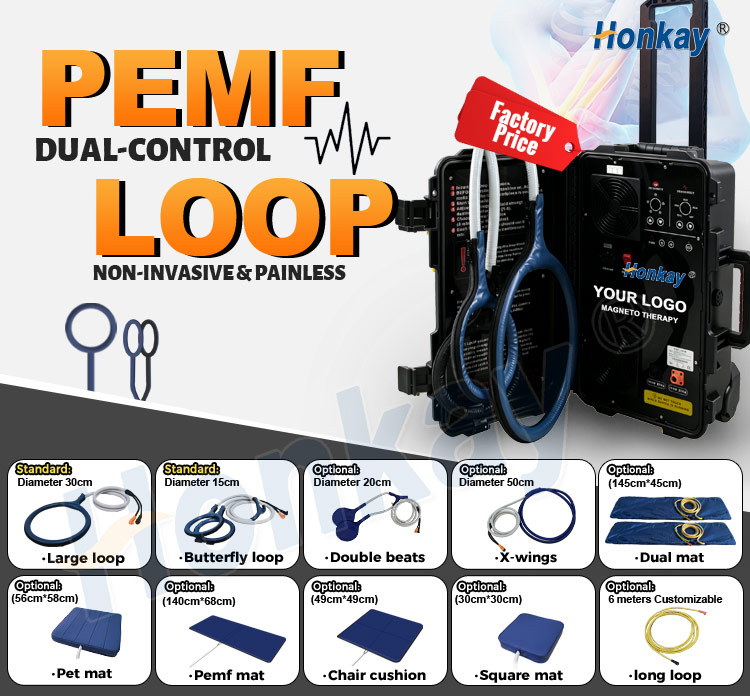
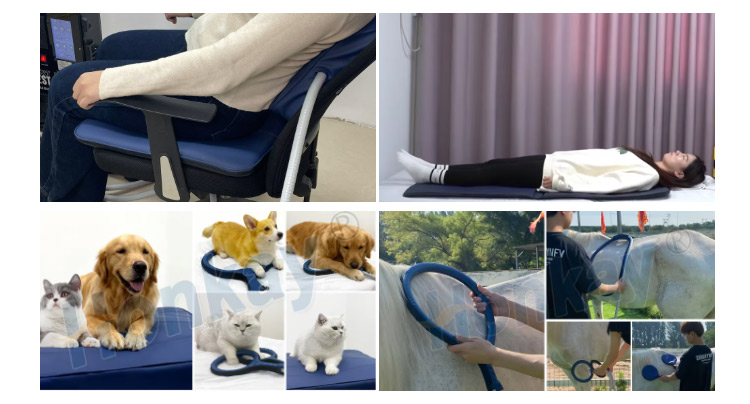
The mat is not a single product. The same console drives a family of flat applicators, and the format decides which patient can be treated:
| Format | Typical use |
|---|---|
| Double pad / full-length mat | Shoulder to foot coverage; the whole posterior chain in one pass |
| Square mat | Seated or lying work on a defined area; small treatment rooms |
| Chair cushion | Patients treated seated — offices, home visits, anyone who cannot lie down |
| Pet mat | Cats and dogs; the animal lies on it with no handling at all |
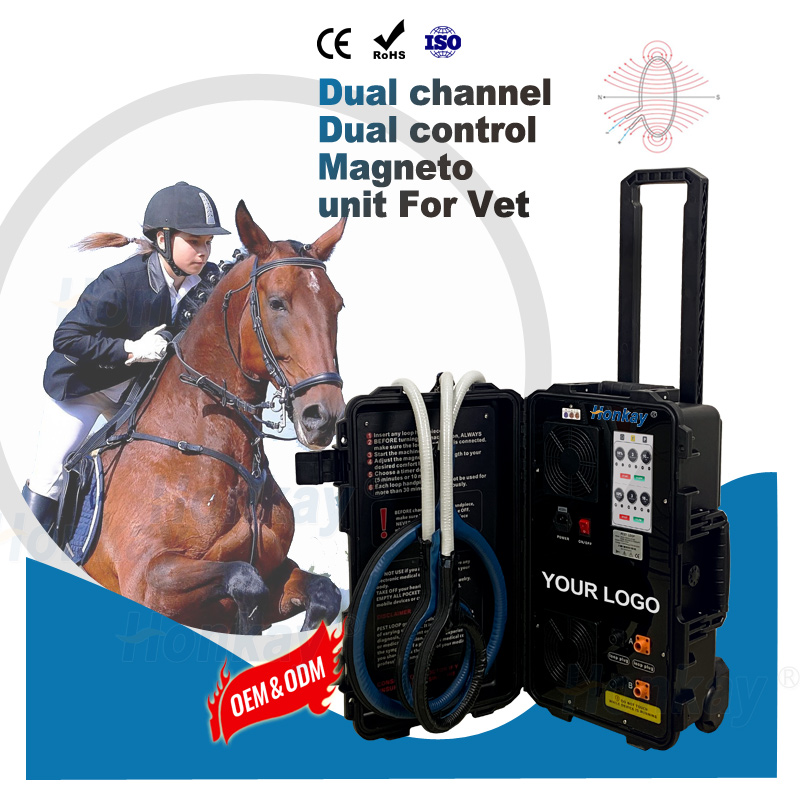
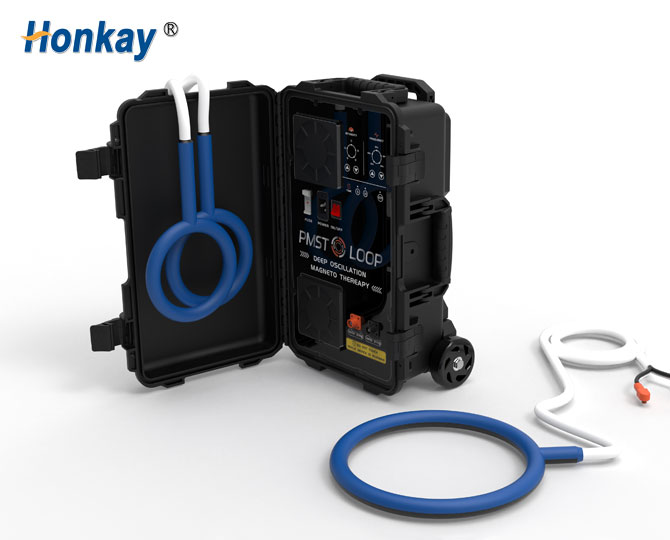
Loops remain part of the same system — a large loop for a horse’s back or hindquarters, a butterfly loop for joints — and they connect to the same console. The consequence for buyers is straightforward: the console is the same device regardless of which product page you land on, and the real choice is the applicator list.
That also means the accessory set should be bought against your caseload, not against the catalogue. A practice treating people at home needs the double pad and the chair cushion. A rehabilitation centre needs the mat plus loops for focal work. A practice that also sees animals needs a pet mat and the large loop. Ordering the full list up front ties up money in applicators that sit in the case.
What to confirm before you order a mat system
| Confirm in writing | Why it matters |
|---|---|
| Coil layout and coverage area of each mat format | Two double pads can differ substantially in covered length |
| Which formats are standard and which are optional | This is where quotations diverge |
| Magnetic intensity range in Gauss, with the measuring point | Ask for one consistent unit; be sceptical of values quoted in Tesla on one document and Gauss on another |
| Pulse frequency range | Professional consoles in this class run 1 to 10 Hz |
| Oscillation frequency, stated separately from pulse frequency | The two are different numbers and are often conflated |
| Maximum continuous use per applicator | Commonly about 30 minutes before the applicator should rest |
| Per-area session parameters | Manufacturer table: 15–20 minutes per area, up to 30 minutes maximum, 6–8 sessions per course, twice weekly |
| Written warranty terms | Period and scope, not a verbal period |
| Contraindication and screening list | Implanted electronic devices, pregnancy, tumours, local infection, metal implants where vibration could cause damage |
Frequently asked questions
Is a mat less effective than a loop applicator?
Neither is stronger in the abstract. A loop concentrates the field at a point you choose; a mat distributes it across a region. For a single deep focal target, a positioned loop is the better tool. For whole-body coverage, torso and spine, or a patient who cannot be positioned, the mat is the only workable option.
How much of the body does a double pad cover?
A full-length double pad is designed to run shoulder to foot in a single pass, with the coil array distributed along its length. Ask the supplier for the covered length and the coil layout, because two pads described the same way can differ substantially in size.
Can the patient stay dressed?
Yes. The field passes through clothing and soft tissue, so no gel and no undressing are needed. Metal objects in the treatment area should be removed before the session.
Do I need a dedicated treatment room?
No — that is the main reason practices choose this format. The mat works on a massage table, a firm bed or the floor, with the portable PEMF device unit parked beside it. Nothing is permanently installed and no consumables have to be staged.
What exactly are PEMF pads, and how many do I need?
PEMF pads is a generic term covering the flat applicators in the family: full-length double pads, square mats, chair cushions and pet mats. Most practices need one large format for whole-body work and one small format for seated or animal treatment; buying the full range up front usually ties up money in applicators that stay in the case.
Can one console run both mats and loops?
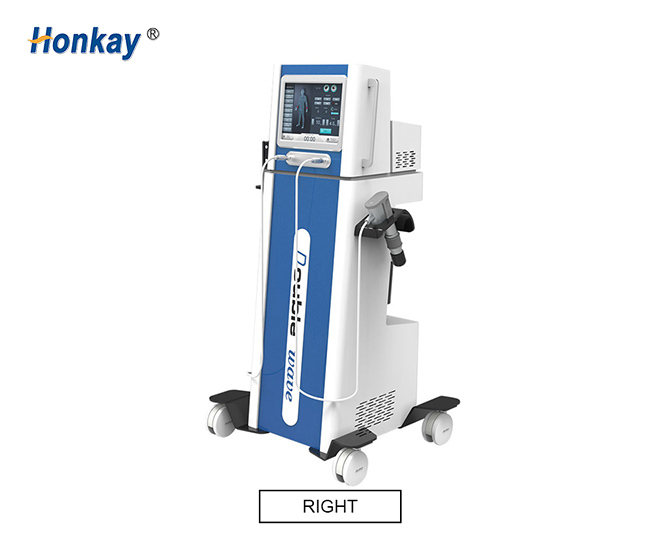
Yes, in a system designed that way. The double pad, square mat, chair cushion, pet mat and the large and butterfly loops all connect to the same console, so the applicator list — not the box — is what you are choosing between.
What session parameters should I expect?
Manufacturer guidance for this class of device is 15 to 20 minutes per single area, up to about 30 minutes maximum on one applicator, and roughly six to eight sessions as a course at twice a week. Output is adjustable across 1,000 to 8,000 Gauss with a pulse frequency of 1 to 10 Hz.
What must be screened before the first session?
Implanted electronic devices such as pacemakers and analgesic pumps, pregnancy, tumours in the treatment area, local infections, and metal implants where vibration could damage tissue. Also clear magnetically sensitive items — cards with magnetic strips, keys, access cards and precision electronics — from the immediate area.
Request a mat-system quotation
Tell us who you treat and where — home visits, a rehabilitation centre, or a mixed human and animal caseload — and we will put the applicator list together around that instead of sending the full catalogue. The quotation includes covered lengths, the recommended session parameters and the written warranty terms, so two offers can be compared line by line.
Manager: Lisa
WhatsApp: +8613751821215
E-mail: hk6@huang-kai.com