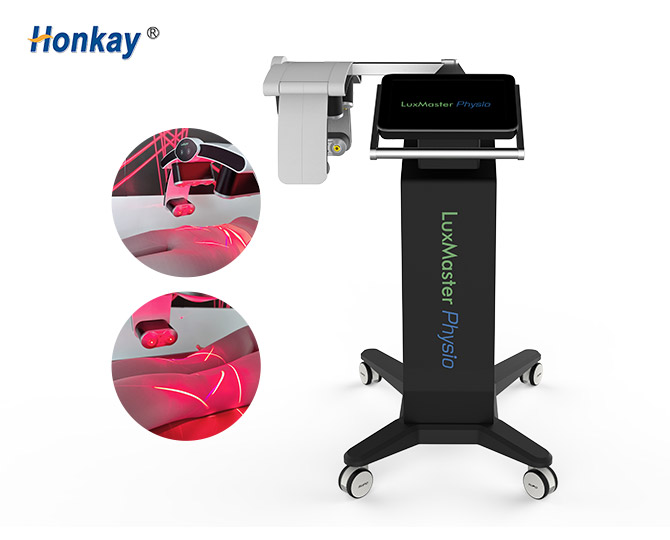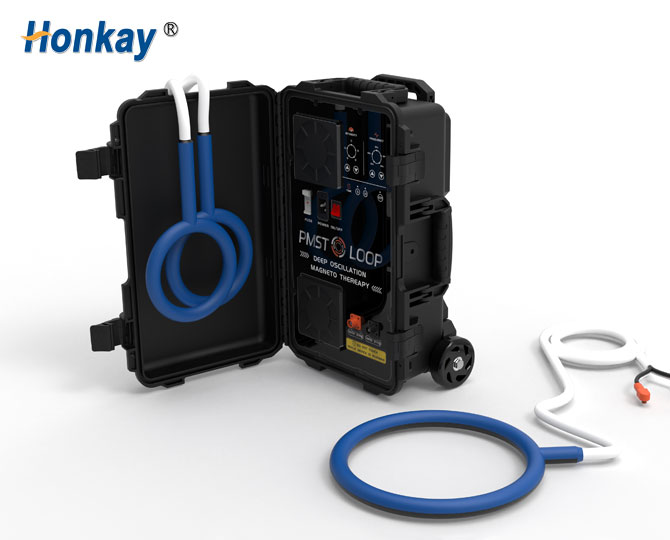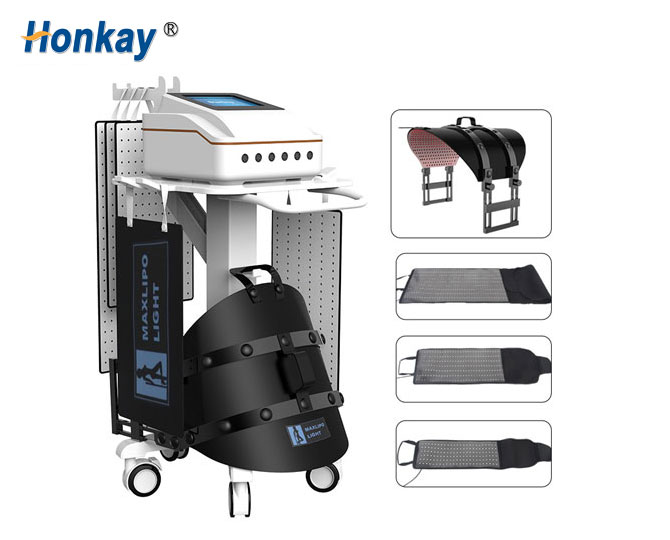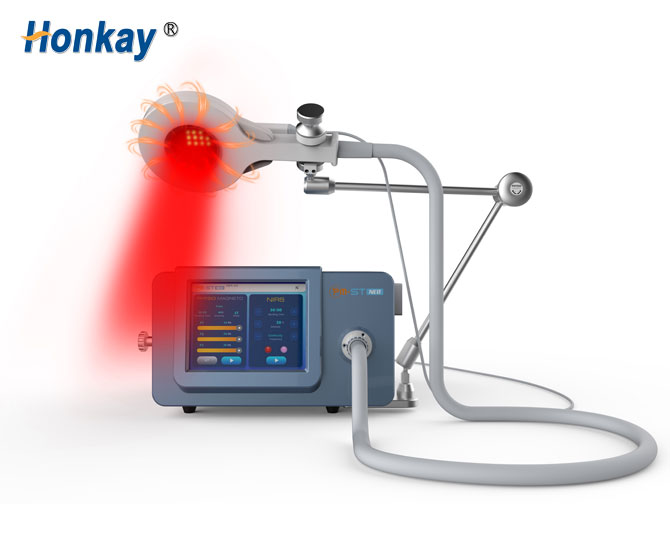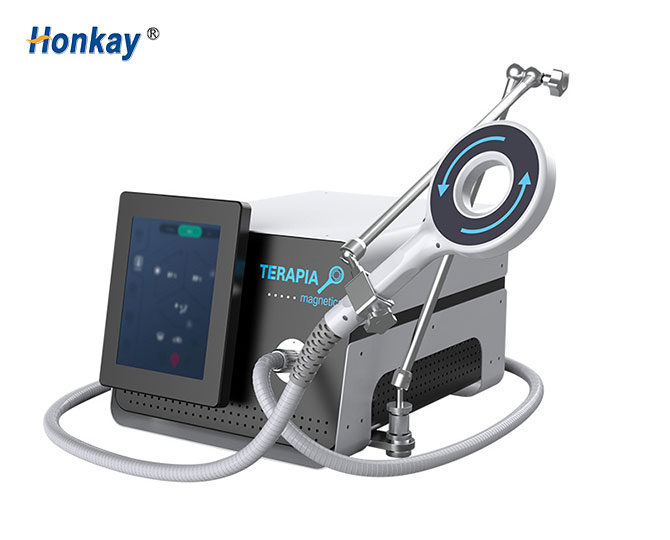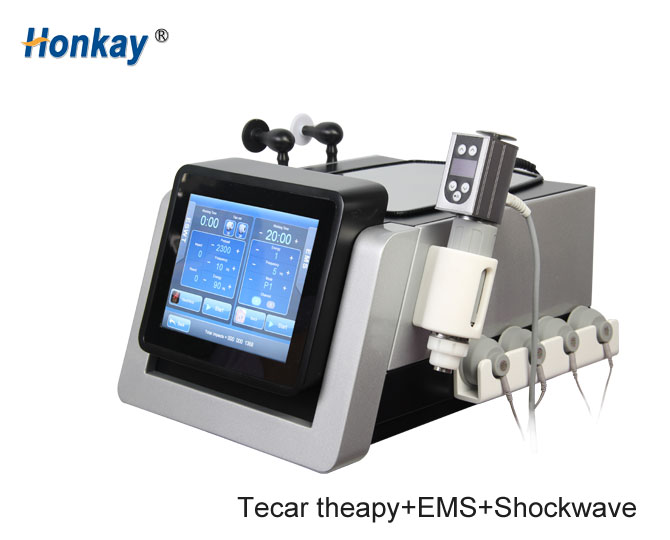
Equipment for Physical Therapy: Building the Clinic List, Slot by Slot
Most clinics buy equipment in roughly the same order, and most of them regret the same purchase. The list tends to grow by reaction: a referral arrives that the current room cannot handle, a competitor advertises a service, and a machine is ordered that week. The result is a room with two devices that overlap and one gap that keeps sending patients elsewhere.
A better sequence is to decide the list by caseload, then buy the equipment for physical therapy that closes each gap. This is that sequence, with the shockwave slot worked through in detail — because it is the slot buyers most often get wrong, and the one where the specification lines actually differ between offers.
The list, and what each slot has to justify
Every slot on a clinic list has to answer one question: which patients in this building need it, and how often. That question is what separates a purchase from an expense.
| Slot | What it has to justify | The number that decides it |
|---|---|---|
| Treatment surface | That every modality in the room can be used on it | Height range and working load |
| Electrotherapy channel | That it covers the routine caseload, not the interesting cases | Channels, programmes, electrode range |
| Ultrasound | That it adds something the electrotherapy channel does not | Frequency heads and duty cycle |
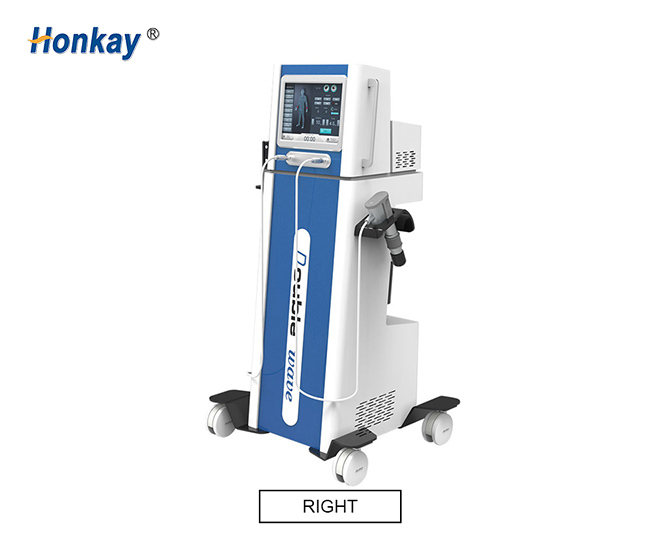
| Shockwave | That there are defined targets the other devices cannot reach | Energy range, heads, session time |
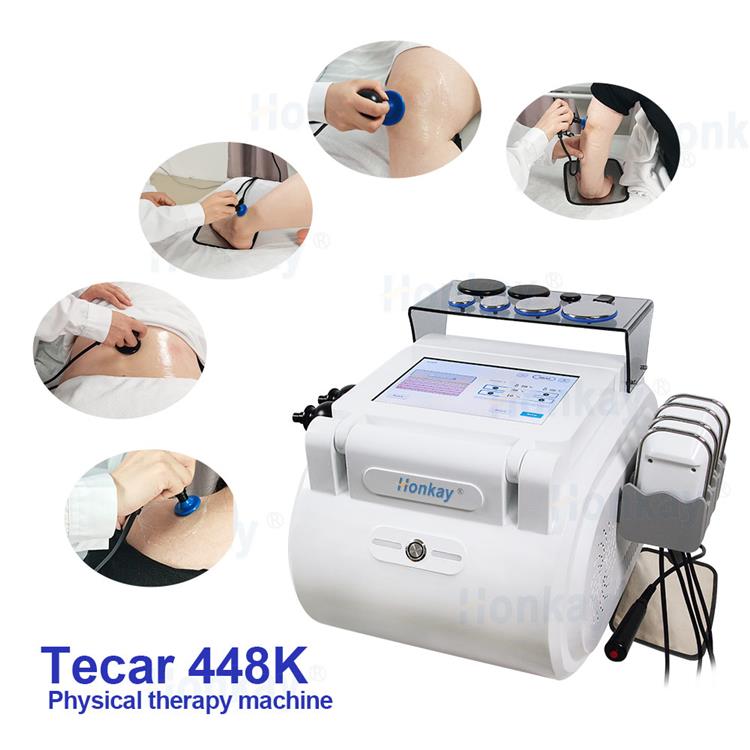
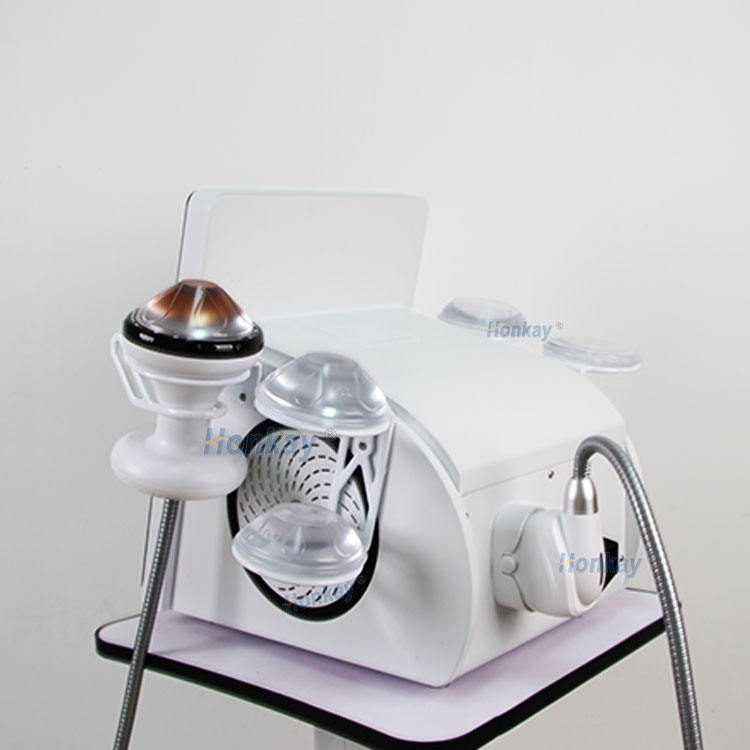
| TECAR or radiofrequency | That a deep-tissue modality without a consumable per session is needed | Frequency, electrode families, return path |
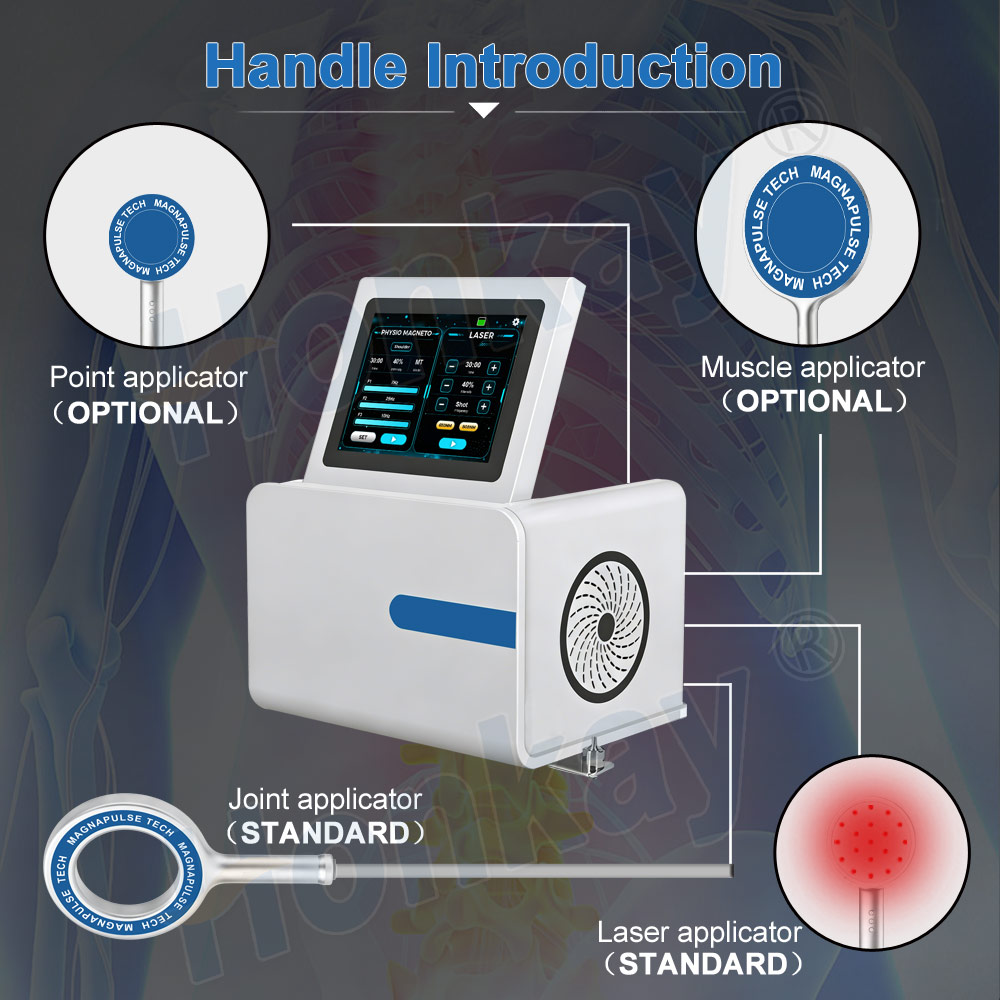
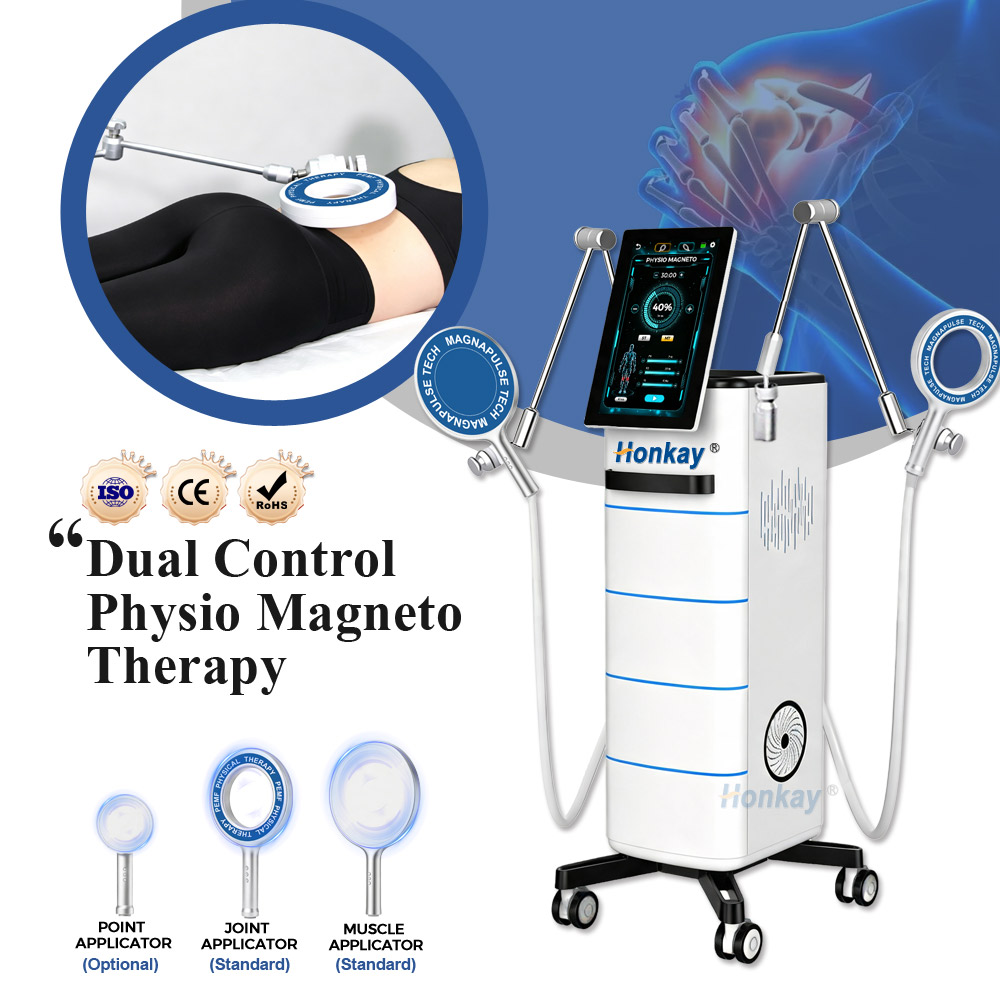
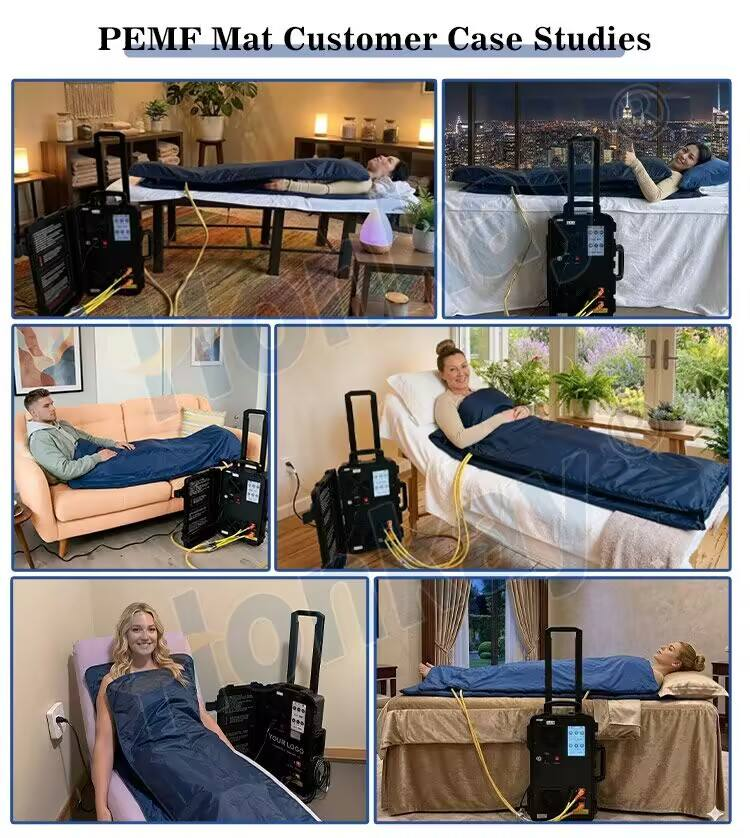
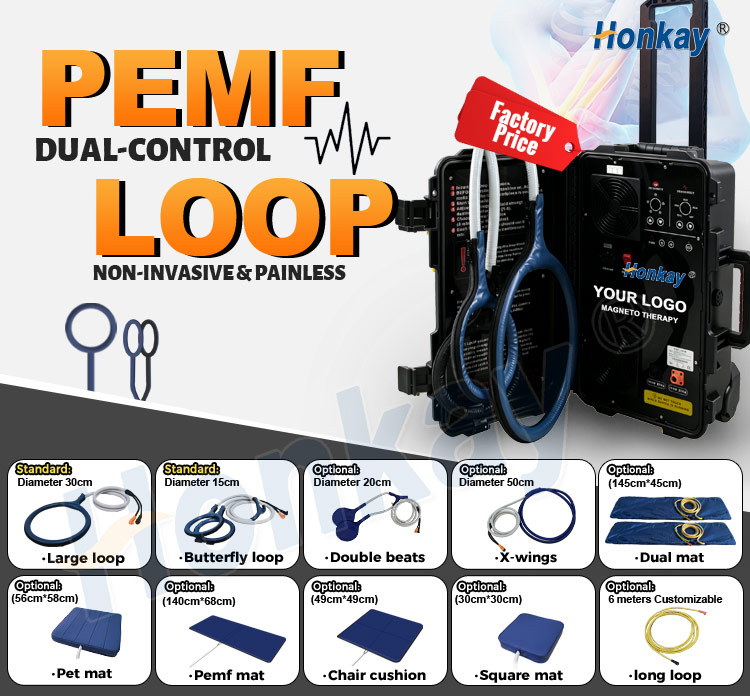
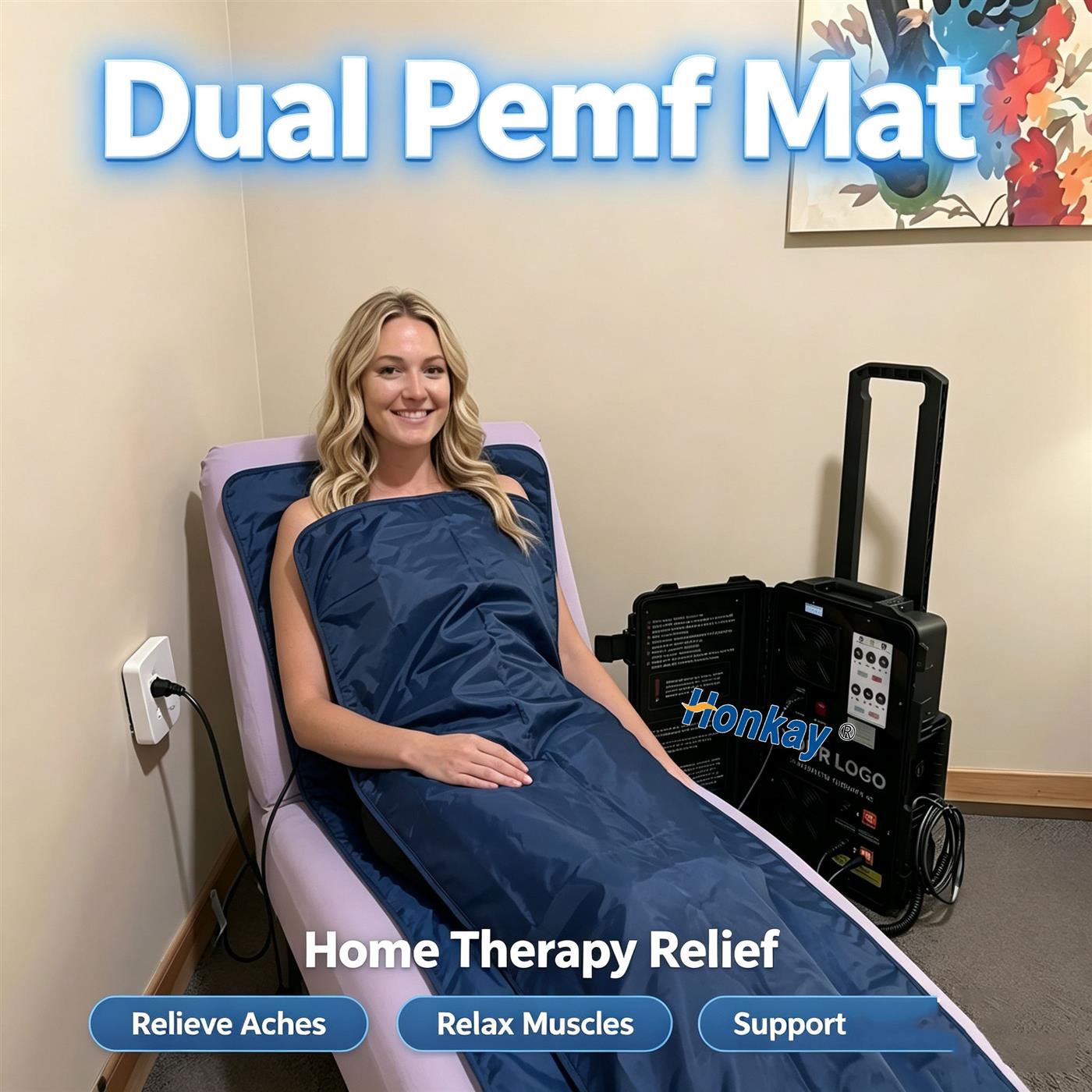
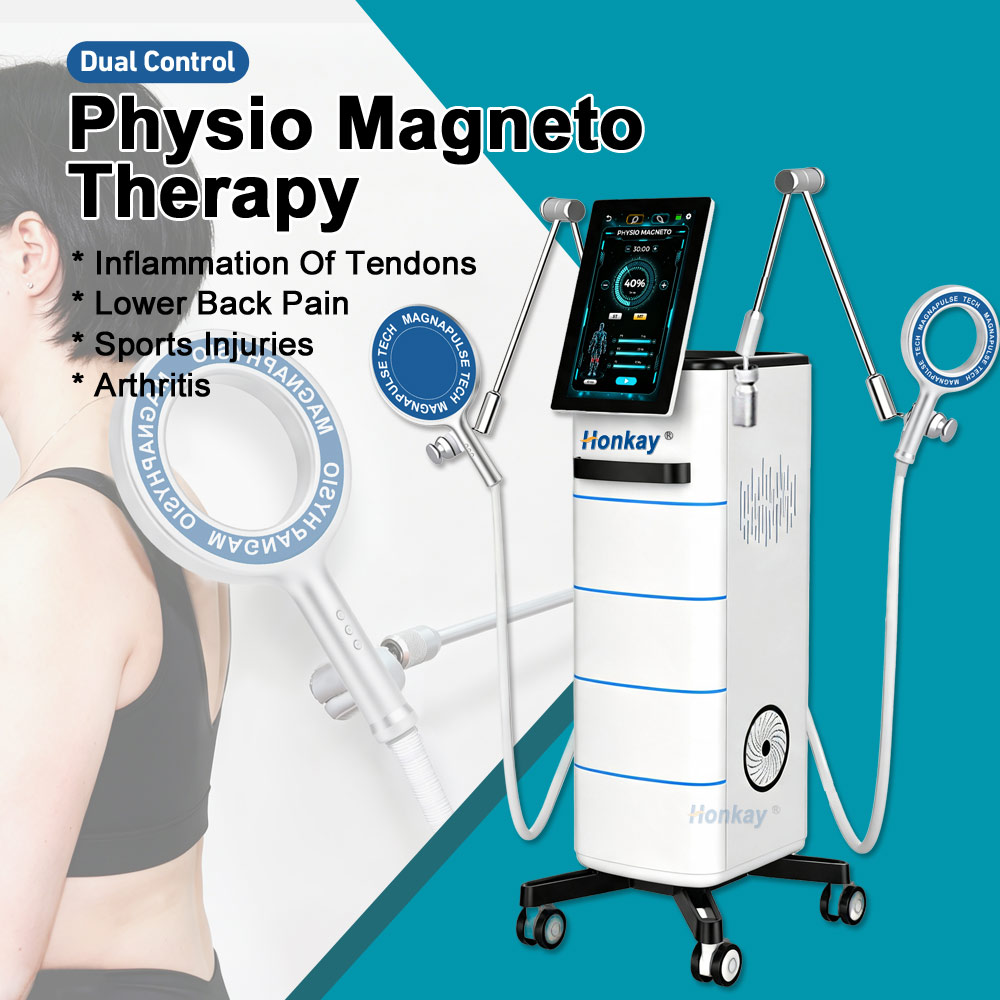
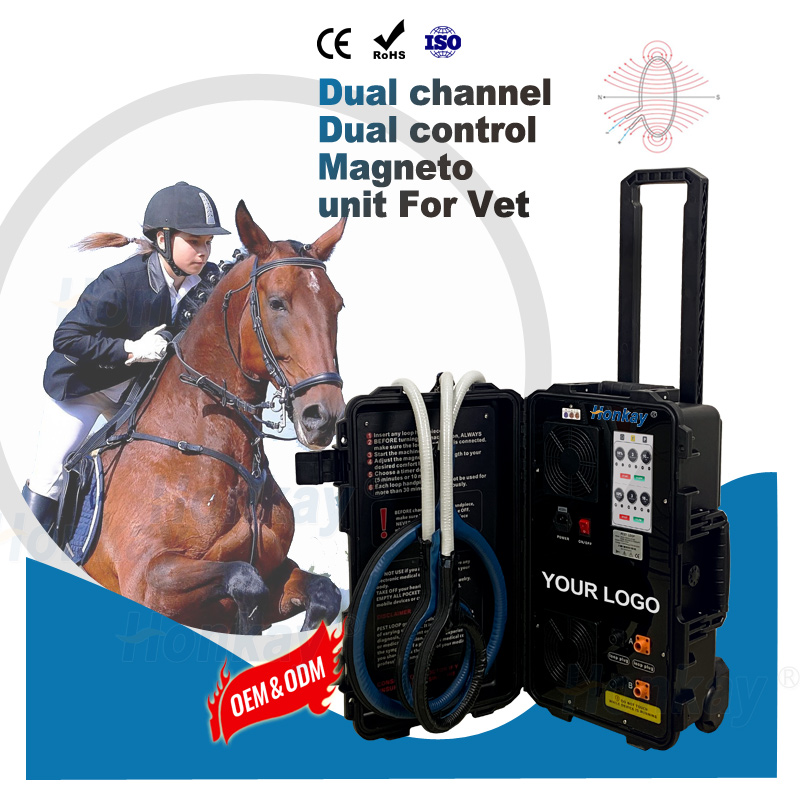
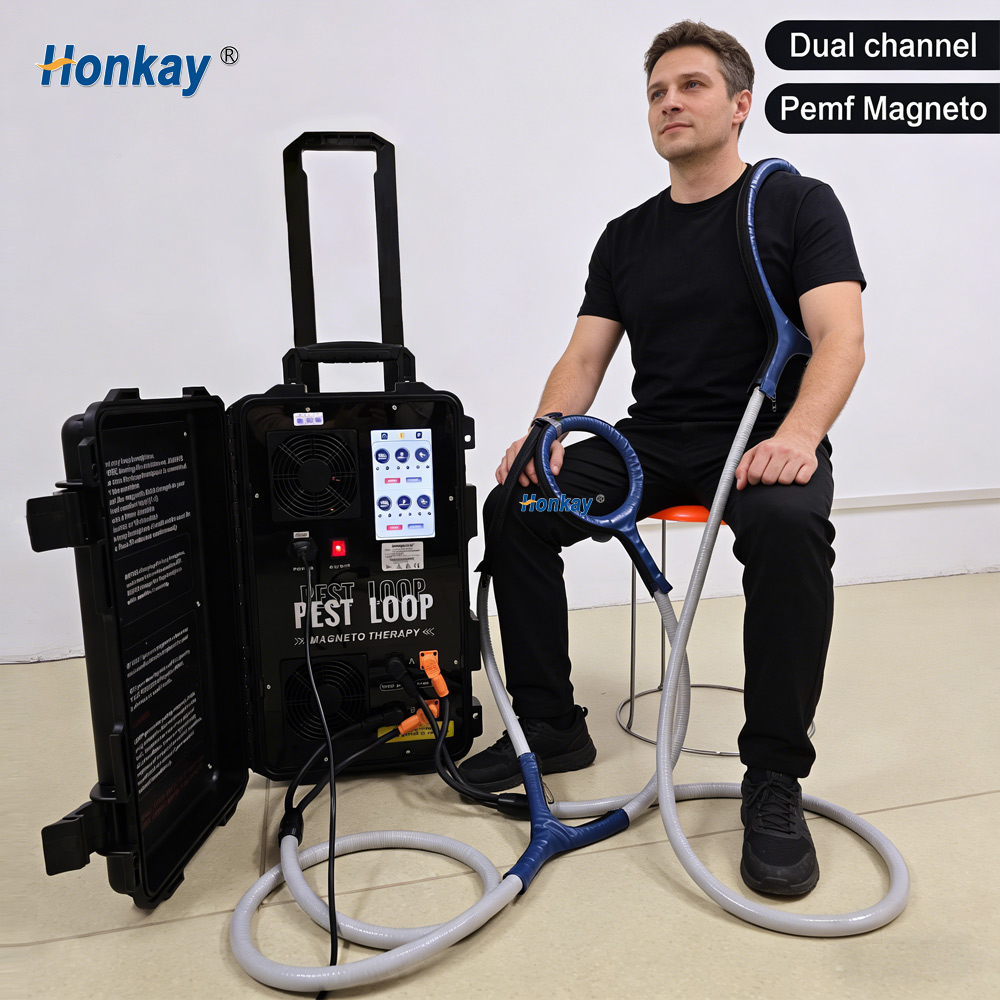
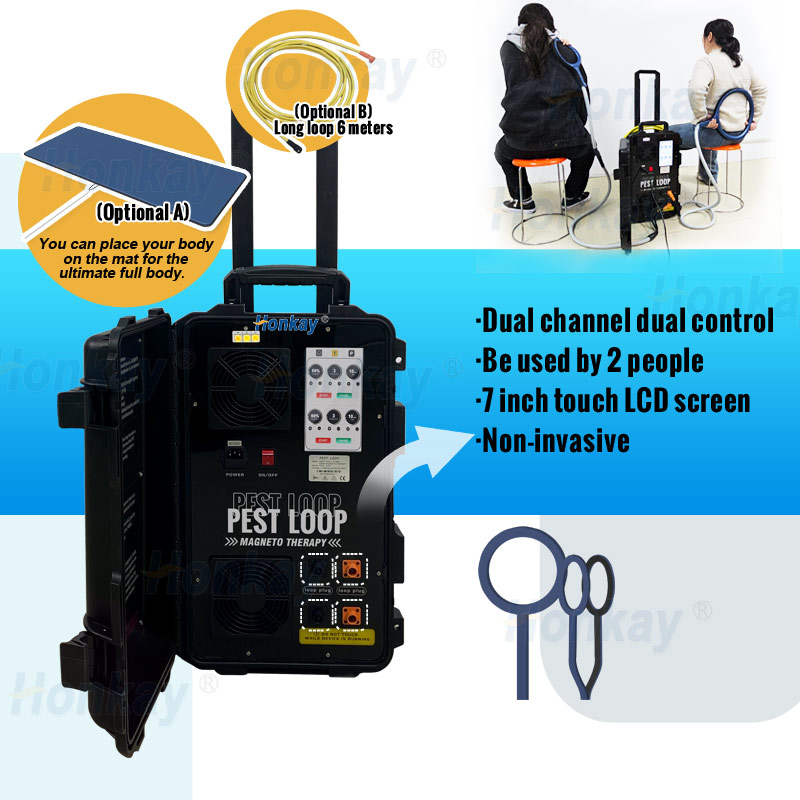
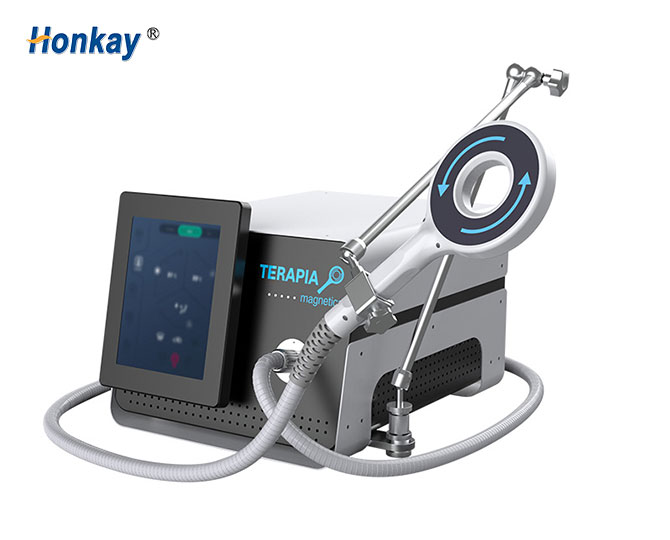
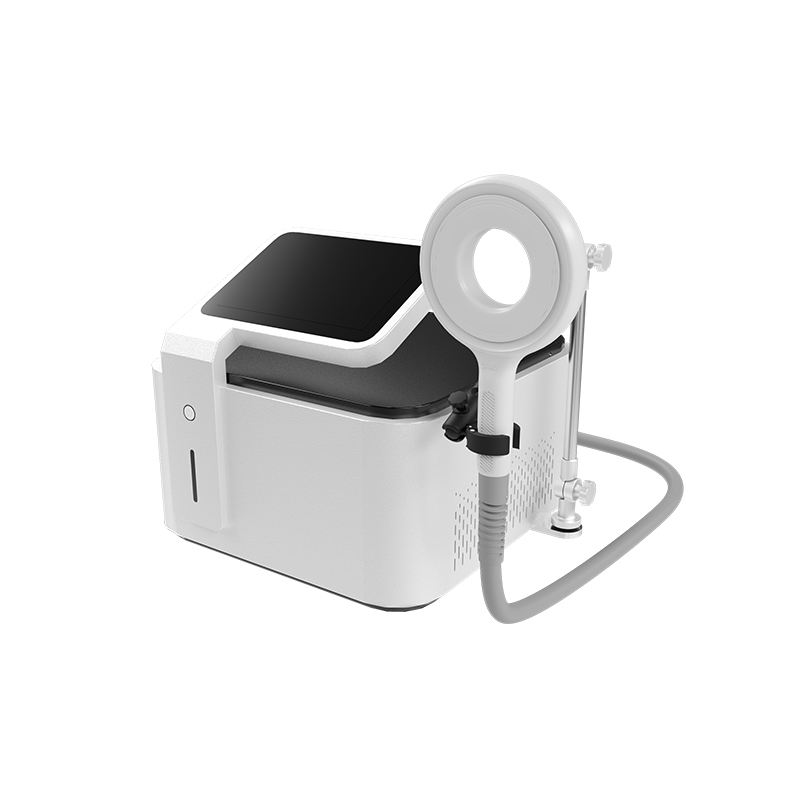
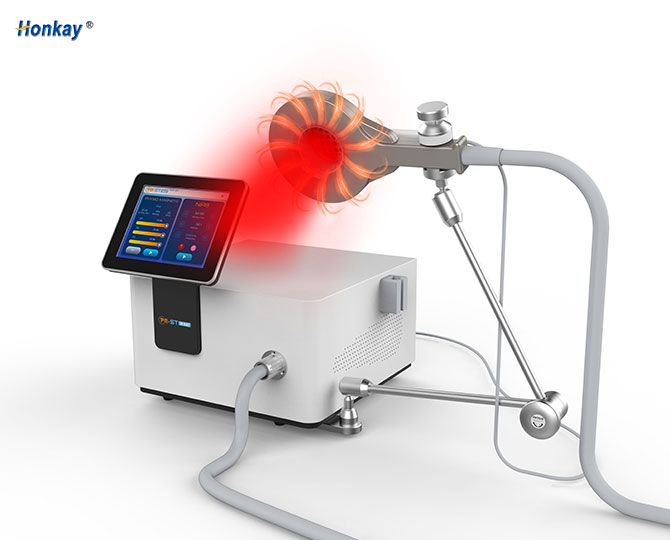
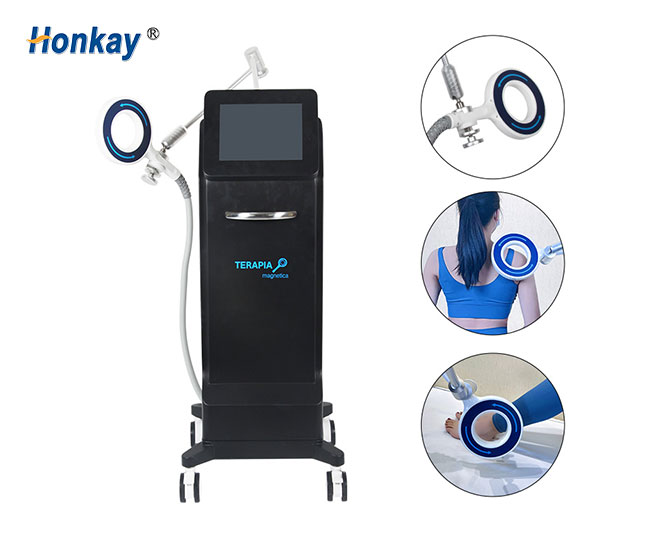
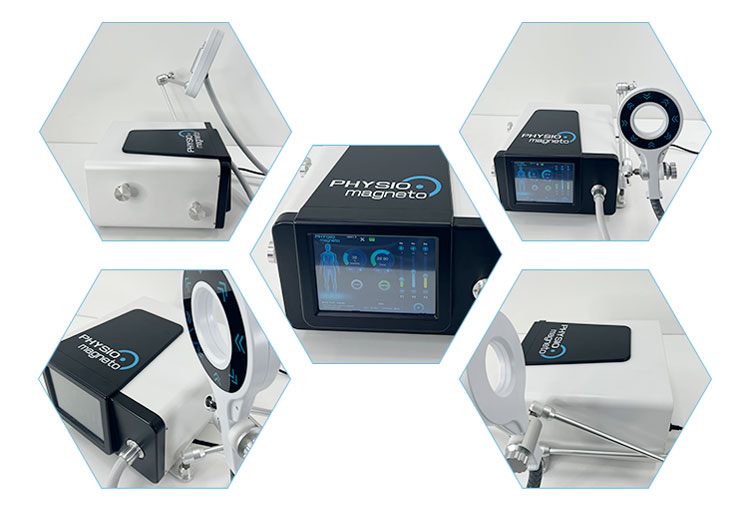
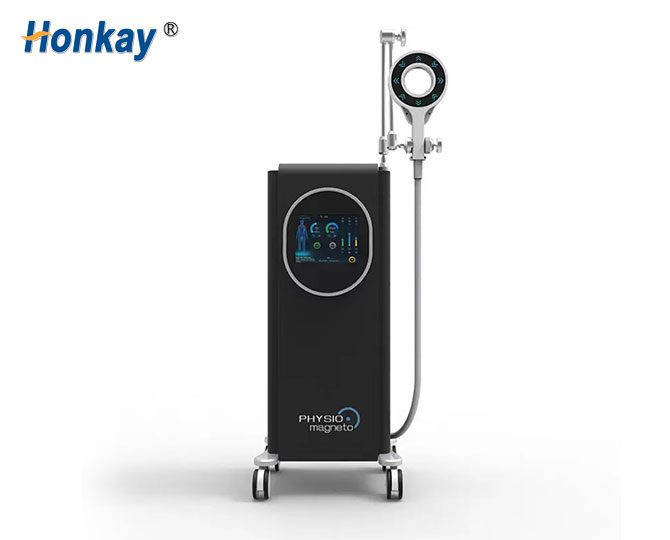
| PEMF | That the caseload includes volume work the operator does by hand today | Applicator set, channels, treatment time |
Two rules follow from that table. First, no slot should be bought to duplicate a job another device already does well. Second, the equipment list is a sequence — a shockwave slot works better in a room that already has a treatment surface and an electrotherapy channel, because the cases it serves arrive through them.
Where the shockwave slot earns its place
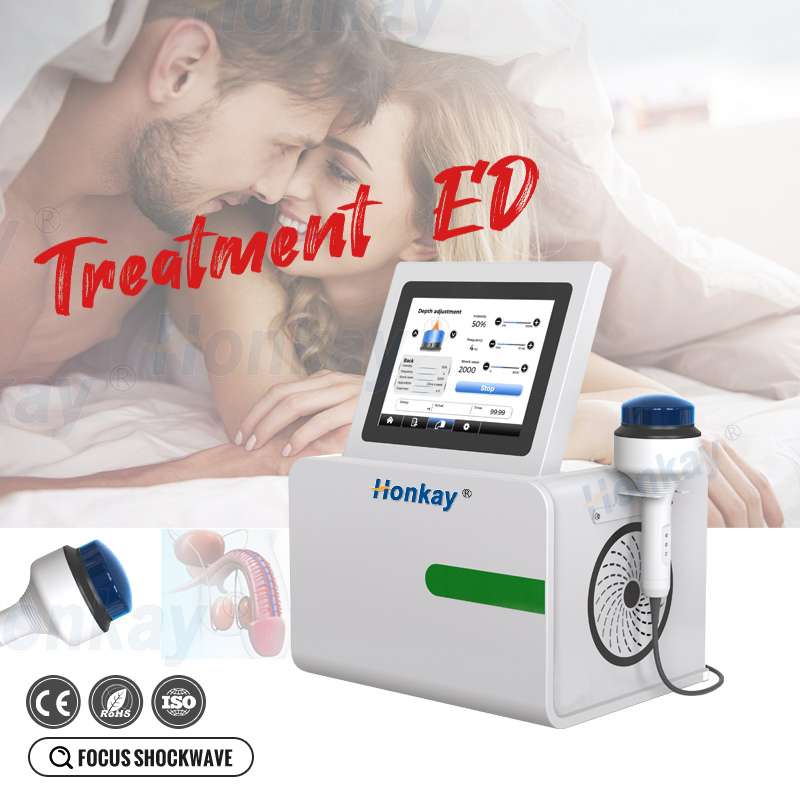
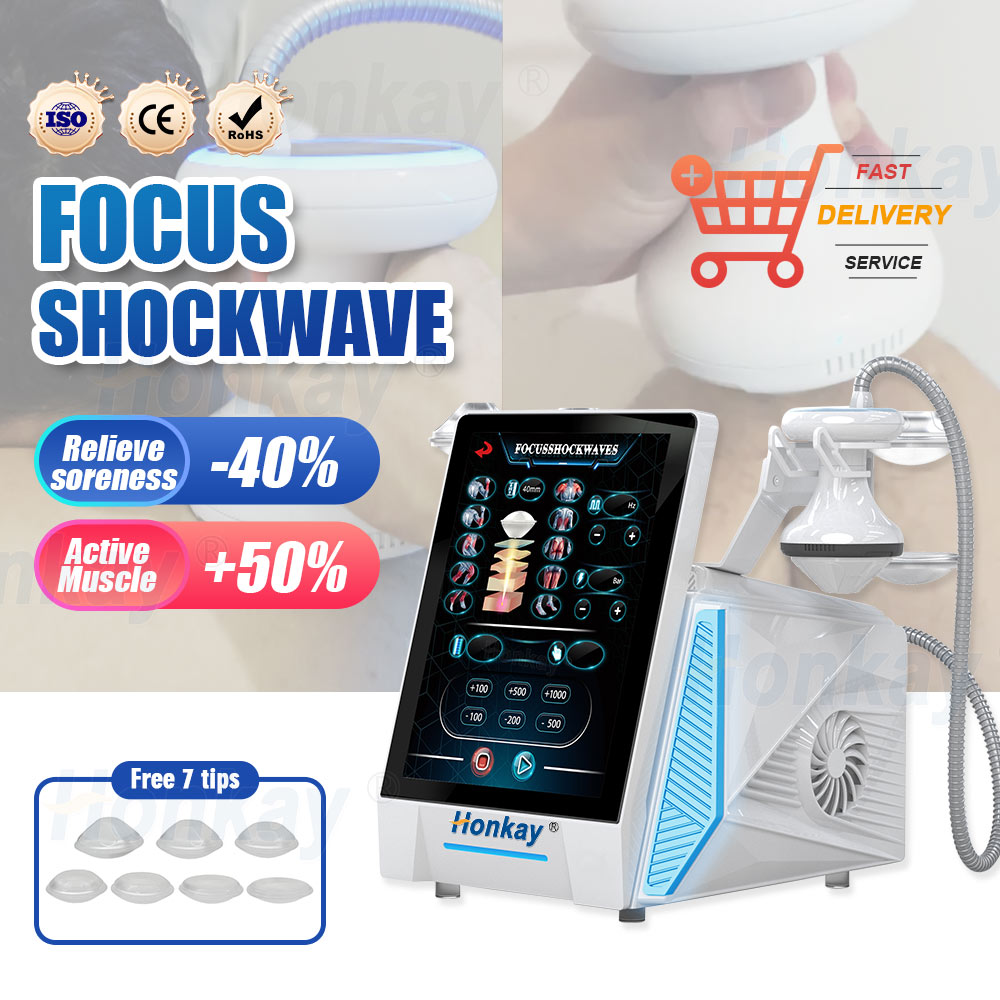
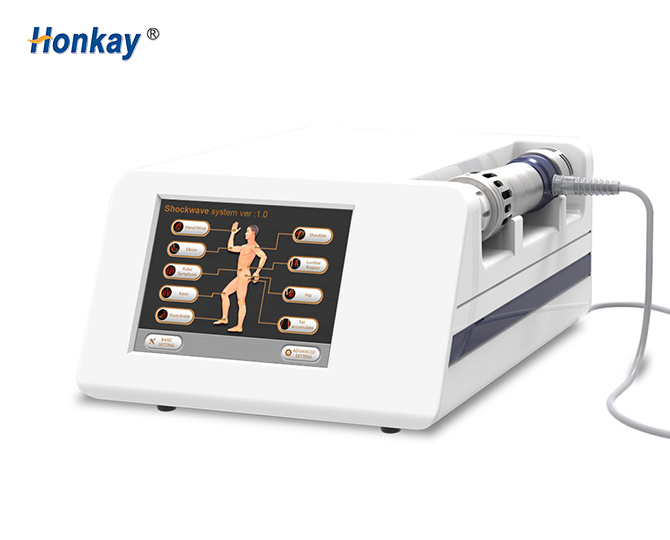
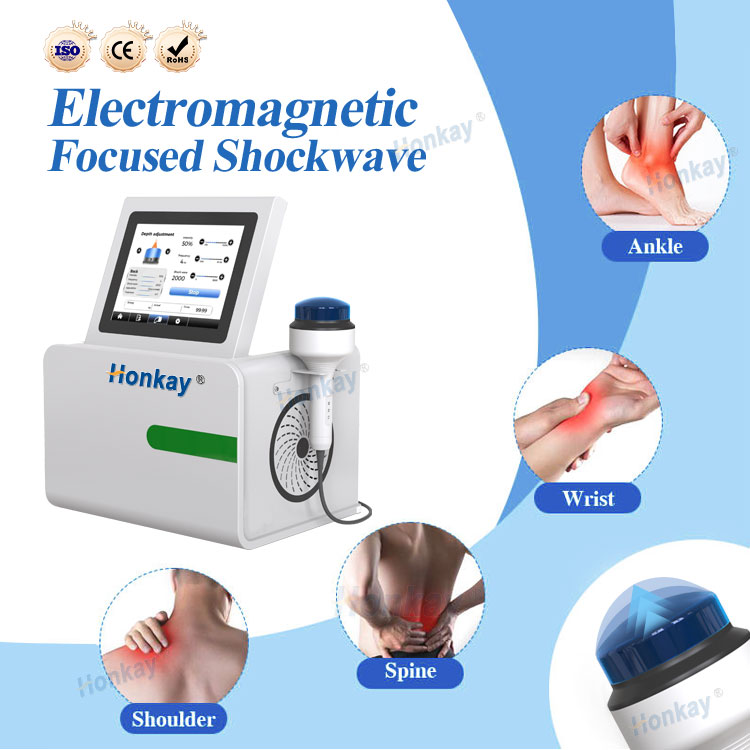
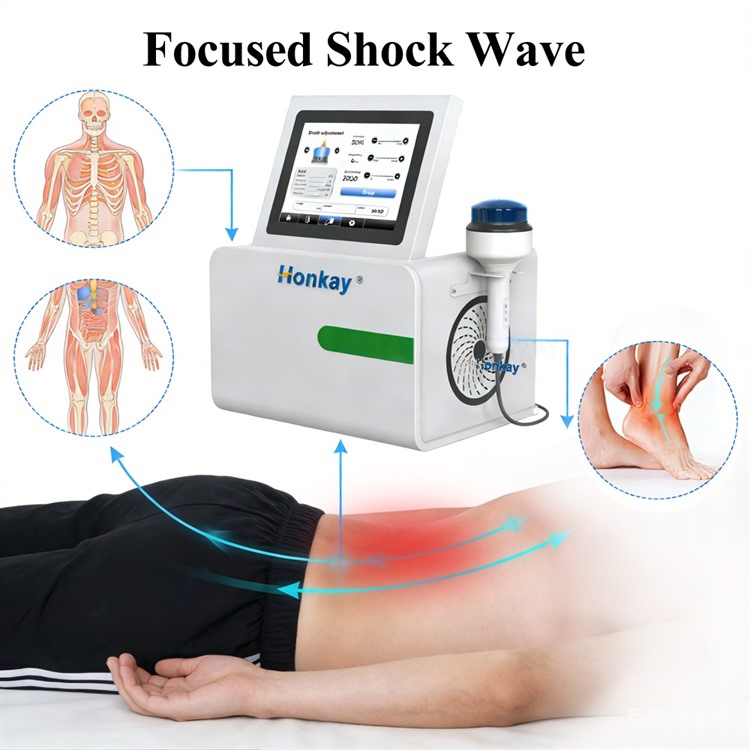
The shockwave slot is the one that turns a defined, small target into a scheduled appointment rather than a long course of manual work. That is why it appears in clinics whose caseload includes plantar fasciitis, tennis elbow, calcific shoulder, Achilles tendon cases and sports injuries — conditions with a named target and a measurable treatment area.
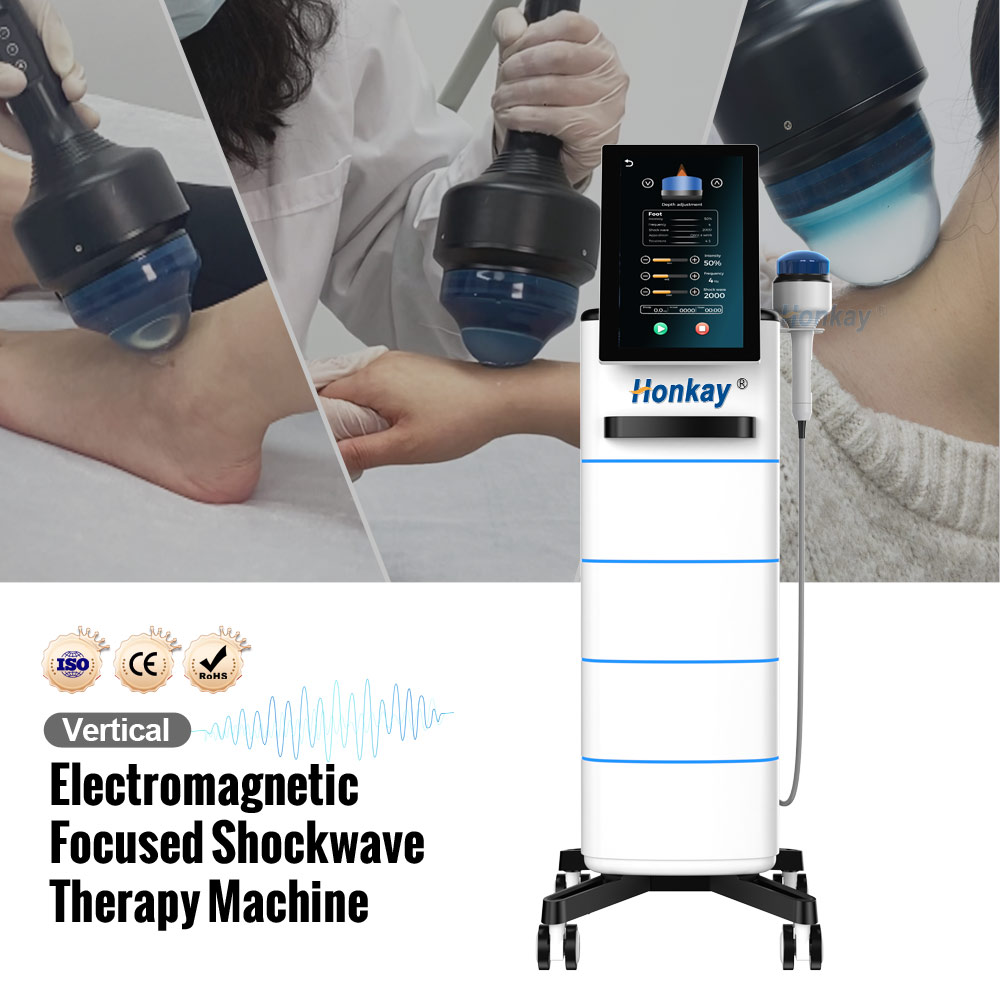
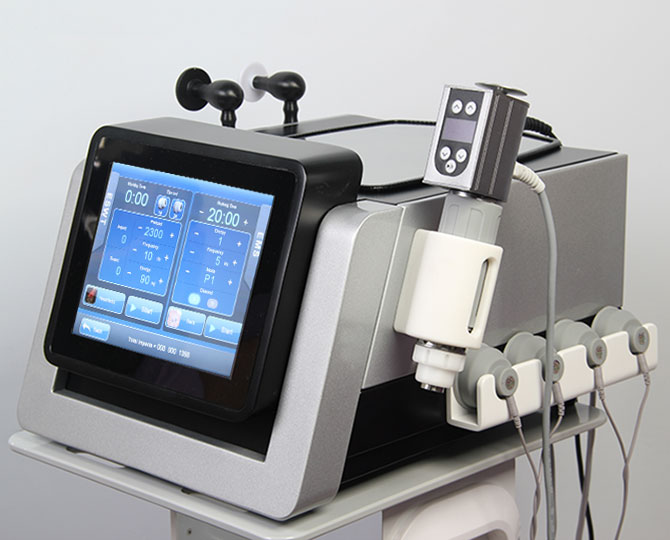
That focus is also what changes the buying decision. A machine that spreads its energy across a broad area suits large muscle groups; a machine that converges its energy suits the defined target. If your referrals are the second kind, the slot you are filling is the focused one, and the specification lines that matter are the heads, the energy range and the session time — not the headline power figure.

What the shockwave slot has to include
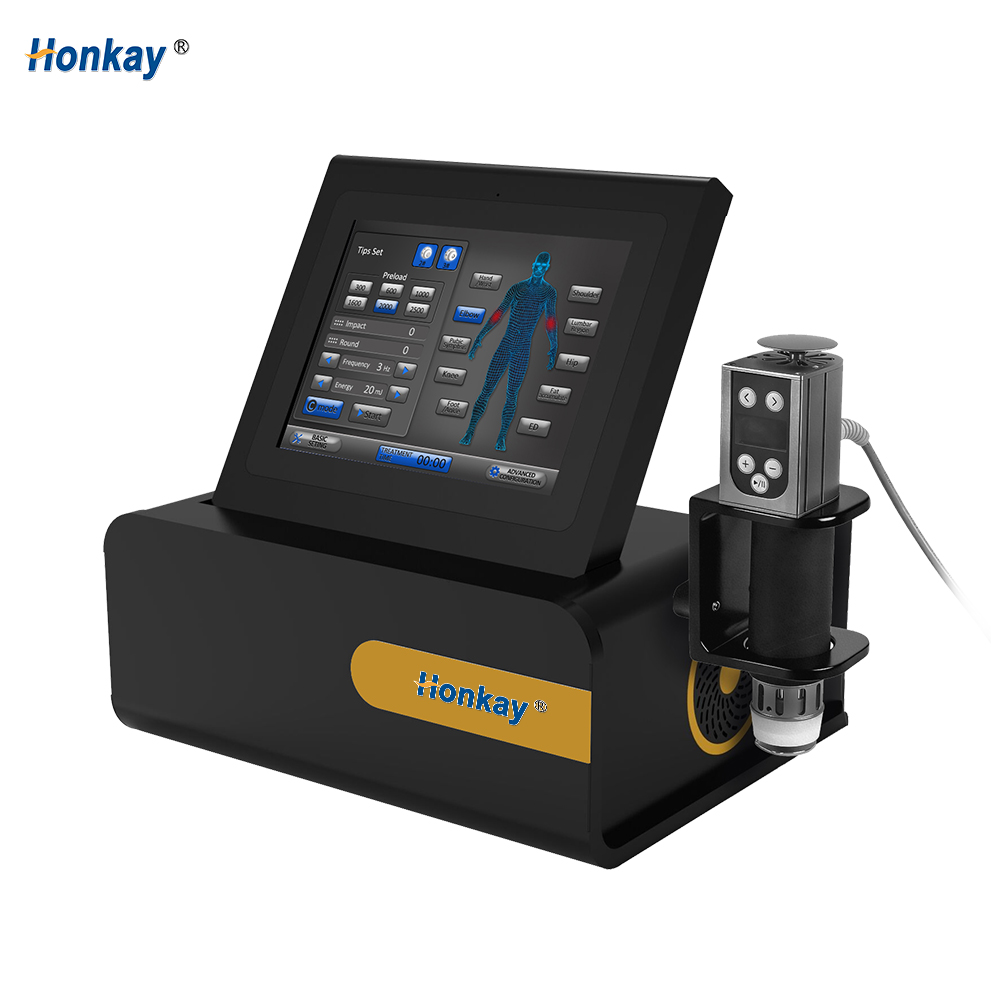
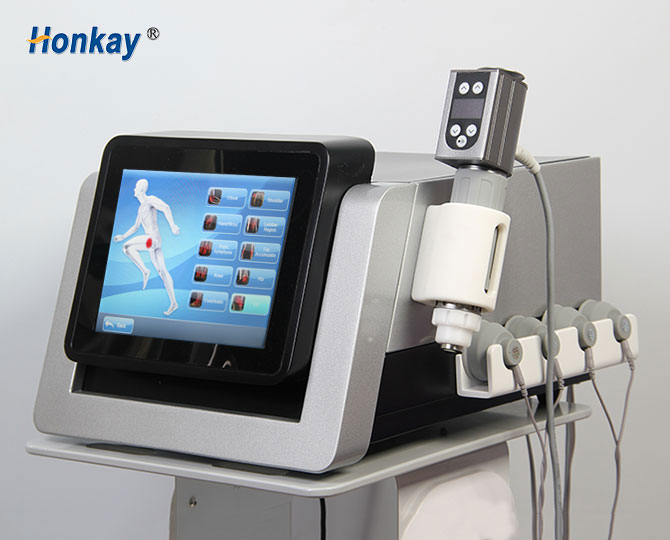
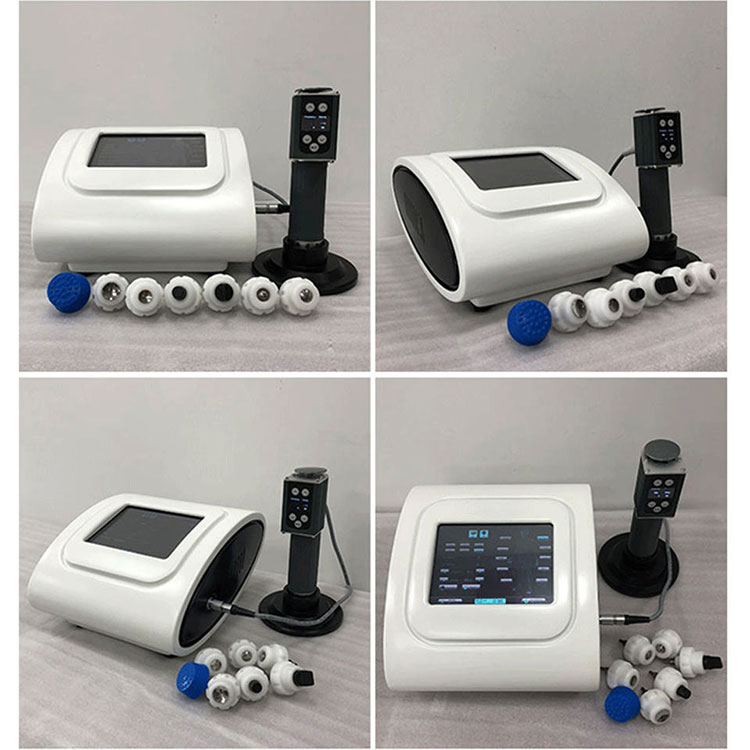
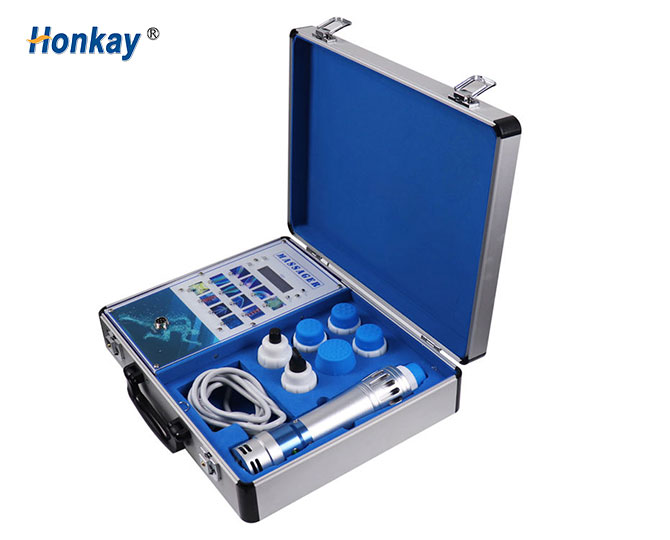
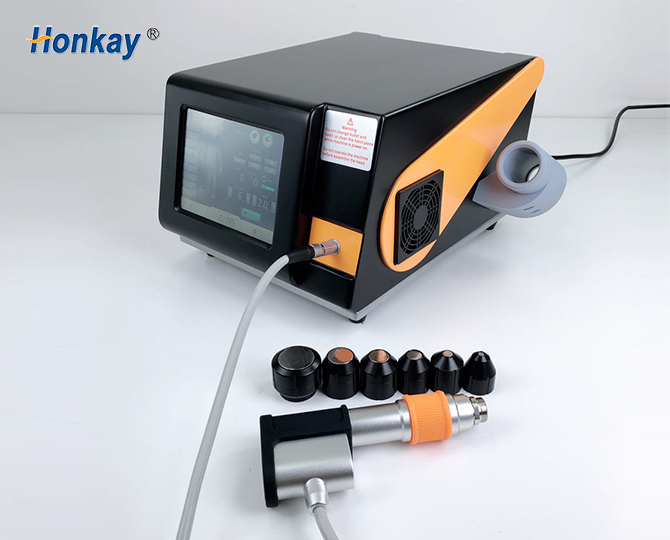
A focused shockwave unit is a small machine with a short accessory list, which is exactly why the accessory list is worth reading closely. Four things decide what the room can actually do:
- The energy range. The useful comparison is the range and the size of the steps inside it, not the maximum figure. A wide range with coarse steps cannot be tuned to a small target.
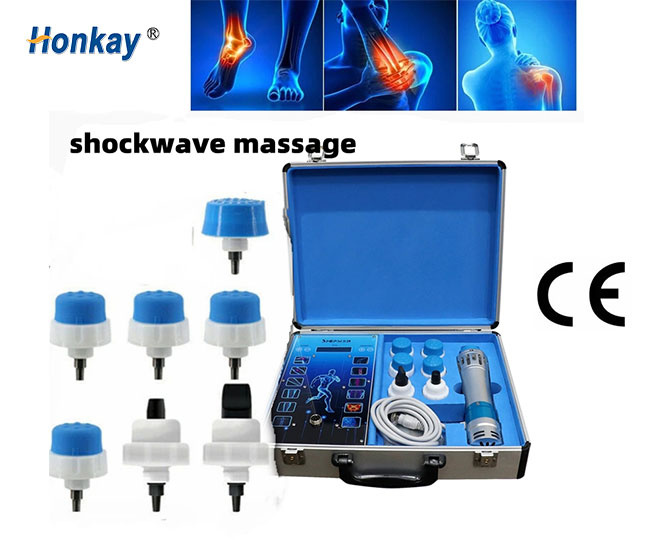
- The head set. Heads are the consumable on this modality, and they decide which targets are reachable. A set that includes dedicated heads for a specific case type can serve referrals that a general head cannot.
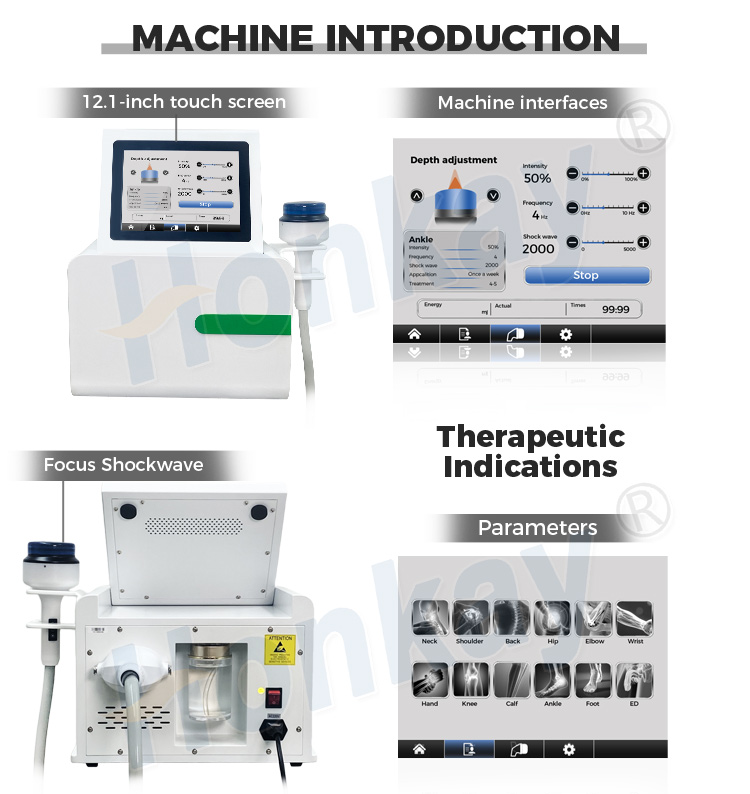
- The screen and the parameter memory. Sessions repeat better when the panel keeps the settings, and when the operator can see the depth, intensity, frequency and shock count on one screen.
- The cooling and duty cycle. A water circuit and automatic circulation mean the unit can run through a list of appointments without waiting between them.
The caseload decides the slot, and the shoulders are usually the test
Ask a clinic where the shockwave slot pays for itself and the answer is rarely a single condition. It is a group of referrals that share one property: a defined target and a short course of sessions.
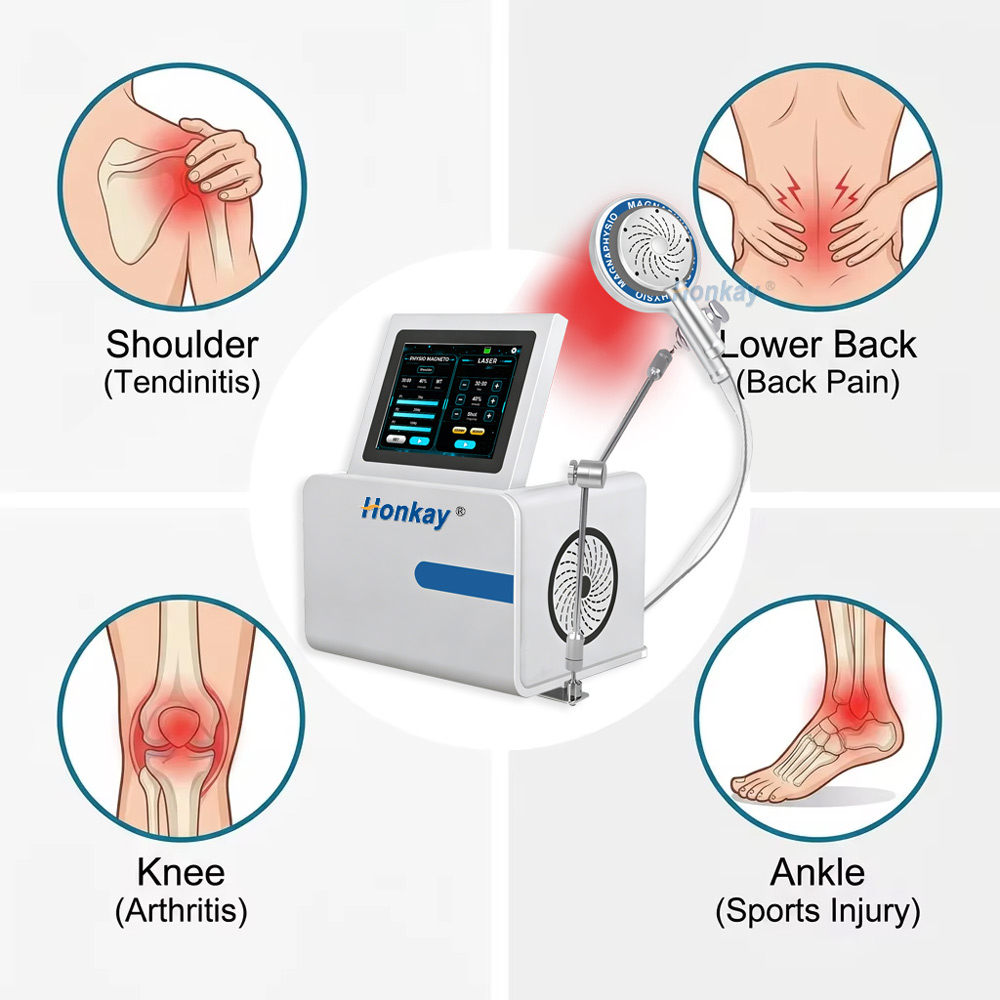
Shoulders are the clearest example. A shoulder caseload is what turns a shockwave unit from an occasional tool into a scheduled slot, because the cases arrive regularly and each one needs the same repeatable setup. That is also why physical therapy equipment for shoulders is one of the first lists a growing clinic writes: a treatment surface at a workable height, a modality that reaches the shoulder without the patient holding a position for the whole session, and a protocol that the second operator can repeat without being taught from scratch each time.
What to confirm before you buy equipment for physical therapy
The list below is the difference between two quotations for the same slot. It is written for the shockwave slot, but the same lines apply to every purchase on the list.
| Item to confirm | Why it decides the purchase |
|---|---|
| Energy range with the step size | A wide range with coarse steps cannot be tuned to a small target |
| Full head set, and which heads are included | Heads are the recurring item, and they decide which targets are reachable |
| Working depth as stated in the operating manual | Ask for the manual figure rather than a marketing panel |
| Session time and shock count per area | Decides how many appointments fit in a working day |
| Screen, stored programmes and protocol memory | Determines whether a second operator can repeat the setup |
| Cooling system and duty cycle | Continuous operation is what makes a slot profitable |
| Mains voltage and plug type | Confirm for your country before shipping |
| Packed size and weight | The room, the doorway and the freight charge |
| Training, manual language and spares lead time | What happens in month three, not day one |
| Warranty terms | Written as 24-month warranty from the factory shipment date, with the claim process set out |
Written down this way, two offers stop being comparable on price alone, which is the point. The offer that answers all ten lines is the one to negotiate with.
Frequently asked questions
How do I decide the order of a physical therapy equipment list?
By caseload, not by catalogue. Write down the referrals you already turn away or handle slowly, then match each one to the slot that closes the gap. The first purchases should be the ones that carry the most appointments per week.
Where does a focused shockwave unit fit in that order?
Usually after the treatment surface and the electrotherapy channel, because the cases it serves arrive through them. It is the slot that converts a defined, small target into a scheduled appointment rather than a long course of manual work.
How many heads should the shockwave slot include?
Enough to cover the case types you actually see, plus the dedicated heads for any specialism you take referrals for — ED therapy is the common example. A set with several general heads and no dedicated head fixes the reachable targets for every case you treat.
What energy range should I look for?
Compare the range and the size of the steps inside it rather than the maximum. The stated range on this class of unit is 5 to 200 mJ, and the useful question is how finely the lower part of that range can be set for a small target. Ask for the range and the step size in writing.
Do I need a dedicated room for a shockwave unit?
No. It needs a stable treatment surface at a workable height and a socket within reach of the cable. What it does need is a place to stand the console where the operator can see the screen while holding the handpiece.
What is the recurring cost?
The heads are the part that gets replaced, and their lead time matters more than their price. There is no gel pad or contact medium to buy for each session on this type of unit, which is what makes a full appointment list practical.
How do I compare two quotations?
Put the same lines side by side: energy range with step size, the full head set and which heads are included, the working depth as stated in the operating manual, session time and shock count, stored programmes, cooling and duty cycle, mains requirement, dimensions and weight, training and spares, and the written warranty terms.
What should the warranty and service terms cover?
The warranty period and its start date, what is covered, what a claim requires and how long a replacement takes. Ask for it in writing: 24-month warranty from the factory shipment date, with the claim process set out.
Request a quotation
Send us the case list you want to cover and the room you have, and we will come back with the slot that closes the gap — including the head set, the energy range with its step size, the mains requirement for your country, the training handover and the written warranty terms, so the offer can be compared line by line with the next one.
Manager: Lisa
WhatsApp: +8613751821215
E-mail: hk6@huang-kai.com