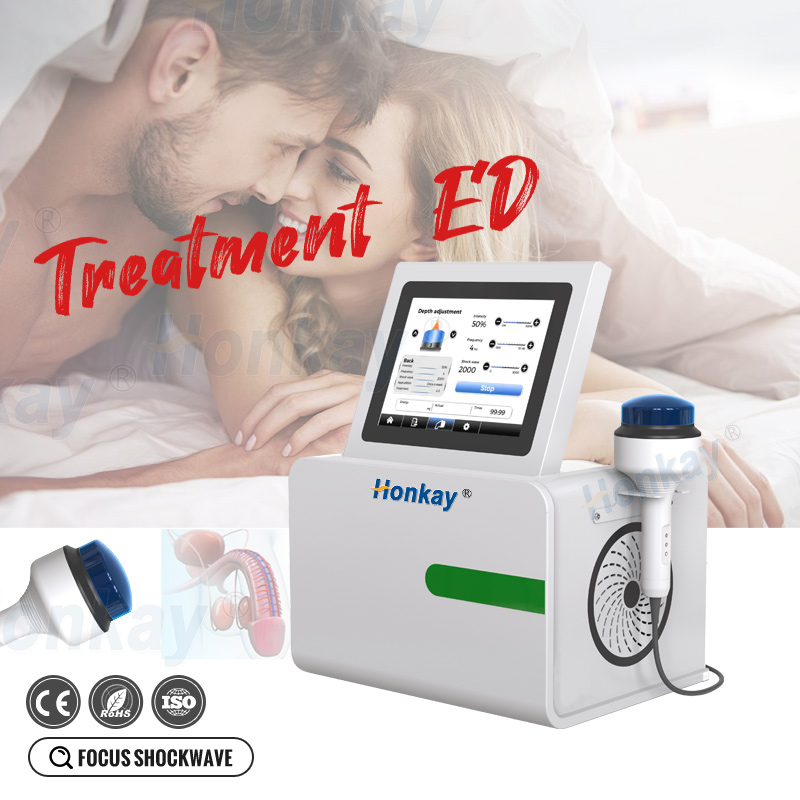
Focused Shockwave Therapy Machine: Water Level, Depth and the Head
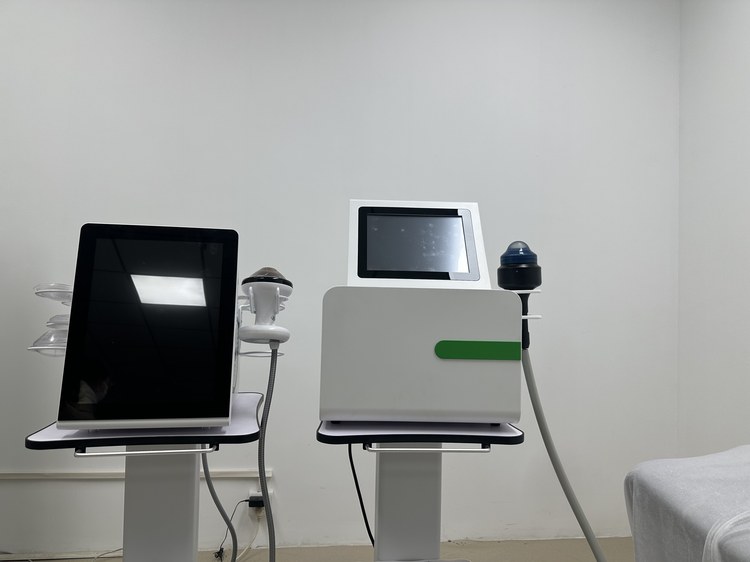
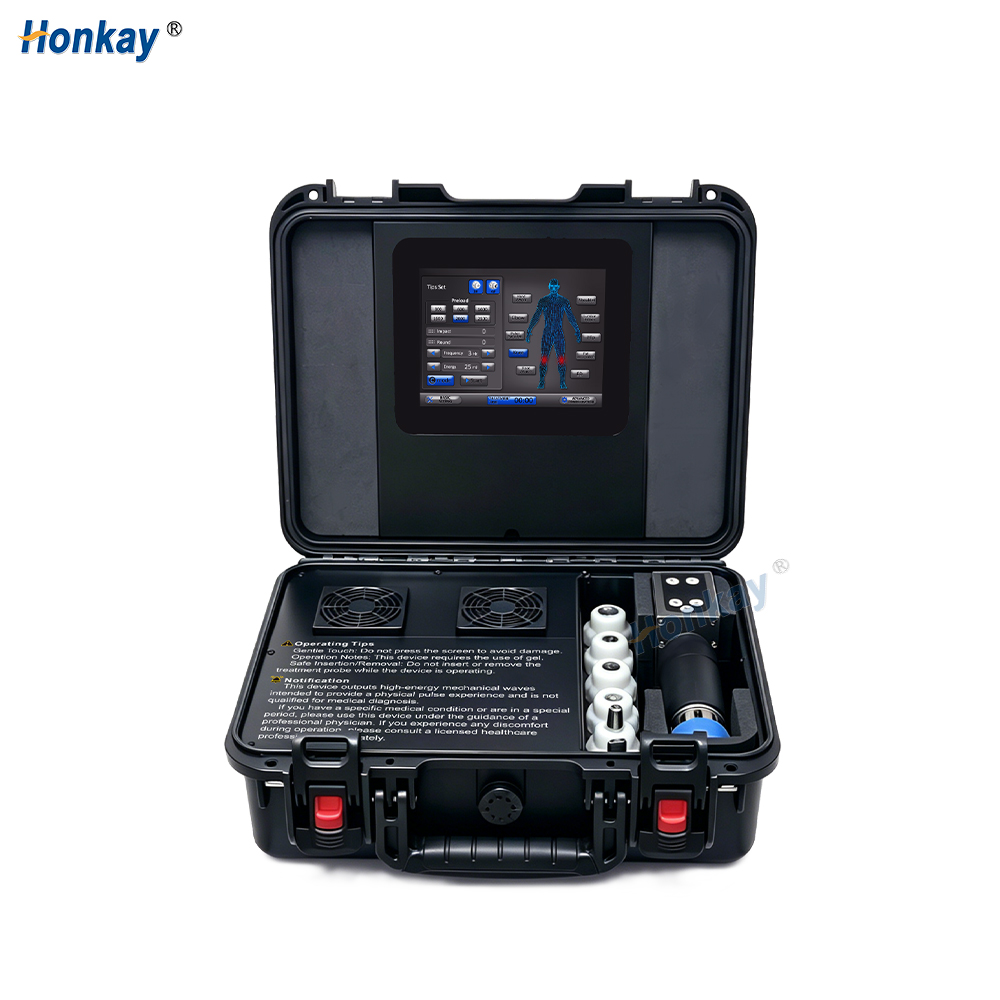
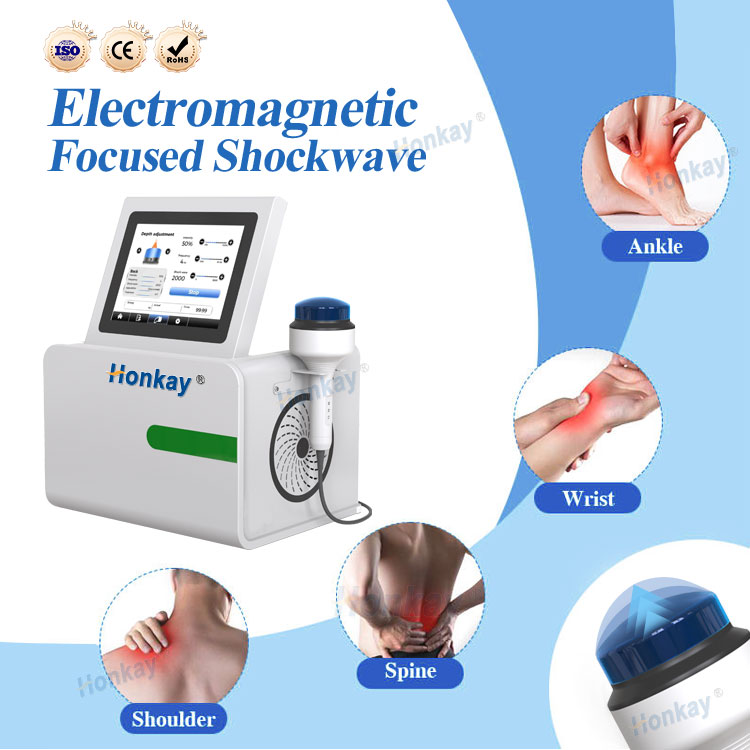
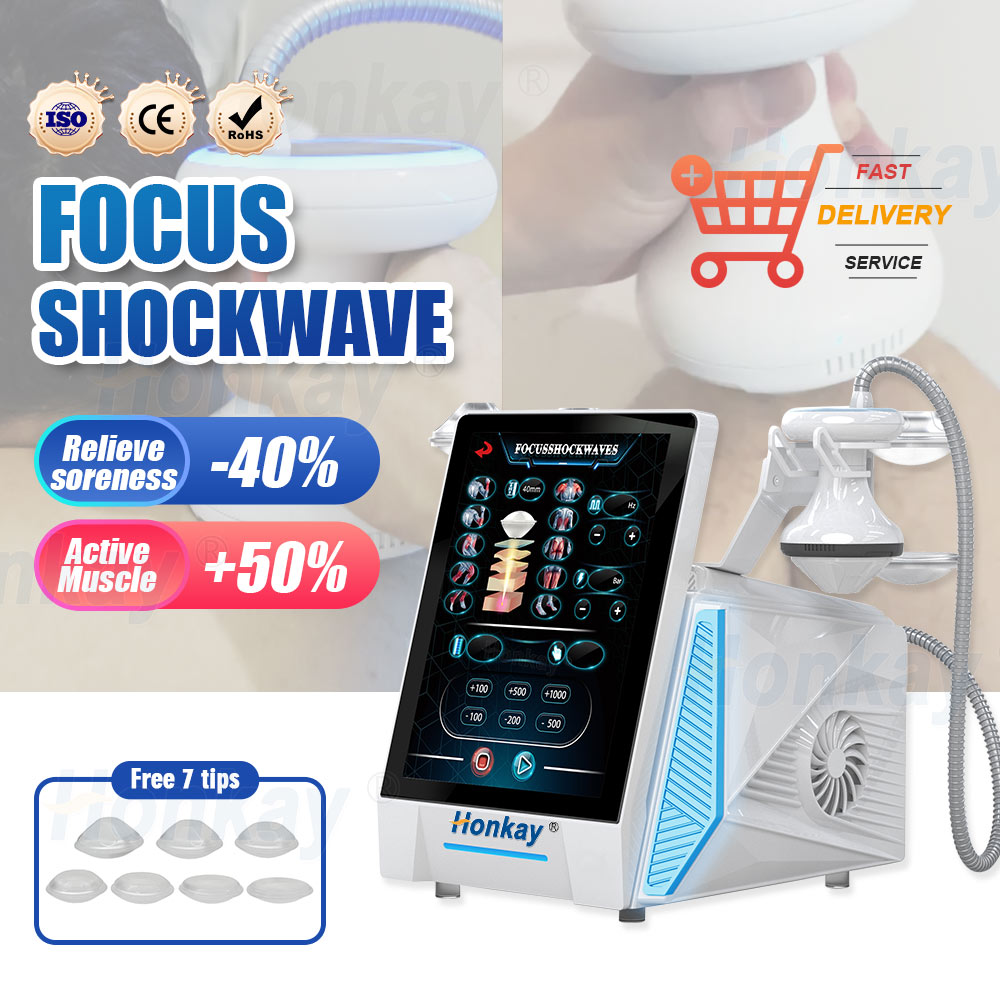
On a water-based focused shockwave therapy machine, the most important energy control is not the number on the screen. It is the water level in the applicator. The mechanism is simple and almost never explained at handover: the machine uses water to generate the focused wave, so raising the level lowers the energy and shortens the penetration, while lowering the level raises the energy and deepens it.
Get that backwards and every session is mis-set. This guide covers the water, the working depth, the head, and the four maintenance items that keep the output where the dial says it is.
The water level is the energy control
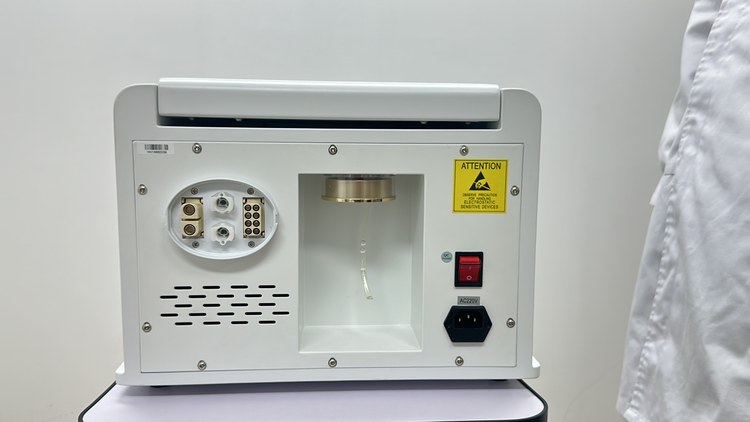
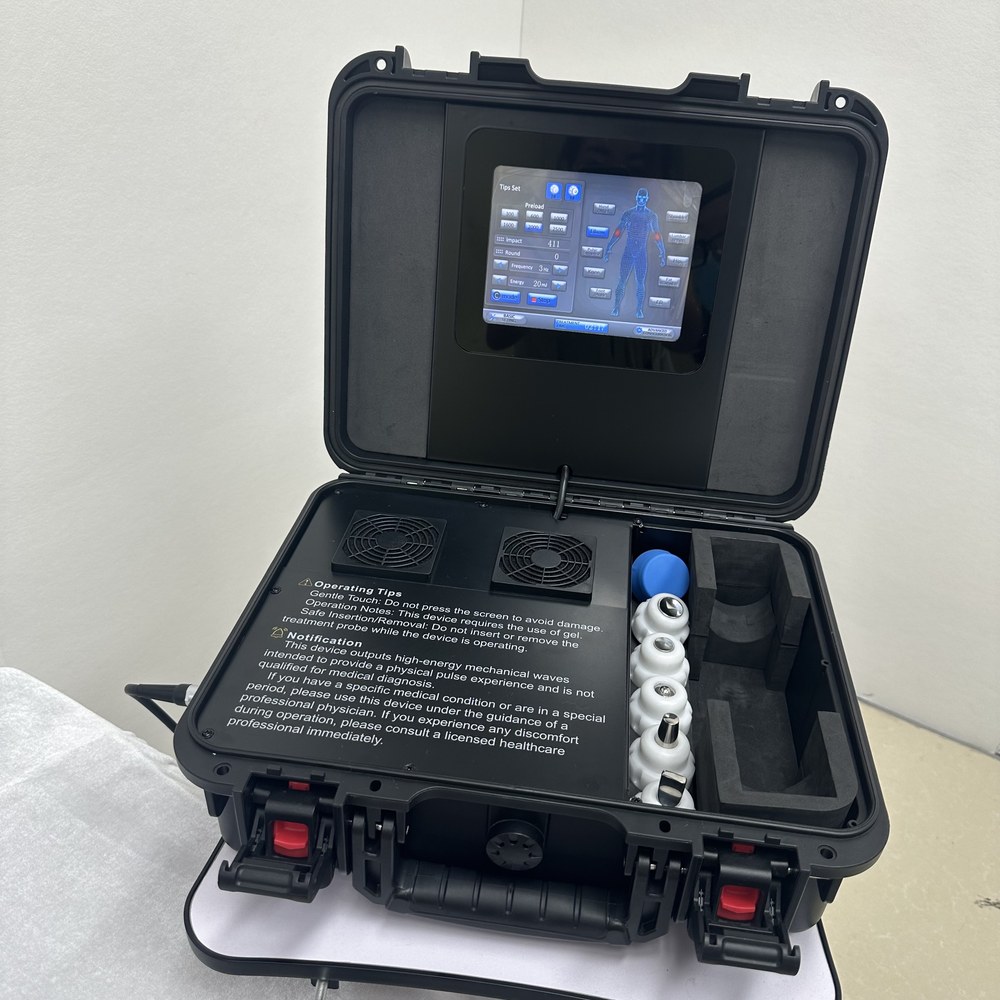
The reservoir sits behind a clear window on the back panel, next to the fill cap and the applicator connector. The relationship runs opposite to intuition:
- Higher water level — lower energy, shallower penetration.
- Lower water level — higher energy, deeper penetration.
So a unit that seems to have “gone weak” mid-week is usually not failing. It is usually over-filled, or filled after a top-up with no mark to return to. Two habits prevent that: mark the level that matches your most-used protocol, and check the window at the start of every clinic day rather than when someone complains.
A second habit matters for consistency: change or top up the water when the machine is cold and resting, not between patients, so the level you set is the level the next session runs at.
Working depth: 0–8 cm, and why other numbers appear
The working depth of this platform is 0–8 cm. Listings that quote 0–66 mm or 10–15 cm are quoting a different figure — usually a marketing number from another device, or a measurement taken under conditions the clinic will never reproduce.
Depth is not fixed by the specification alone. It moves with the water level and the energy setting, which is exactly why a single “maximum depth” number is misleading. A buyer should ask two questions instead: what is the working depth range, and what setting produces the deepest value. If the second answer is not available, treat the first as marketing.
What focused geometry actually changes
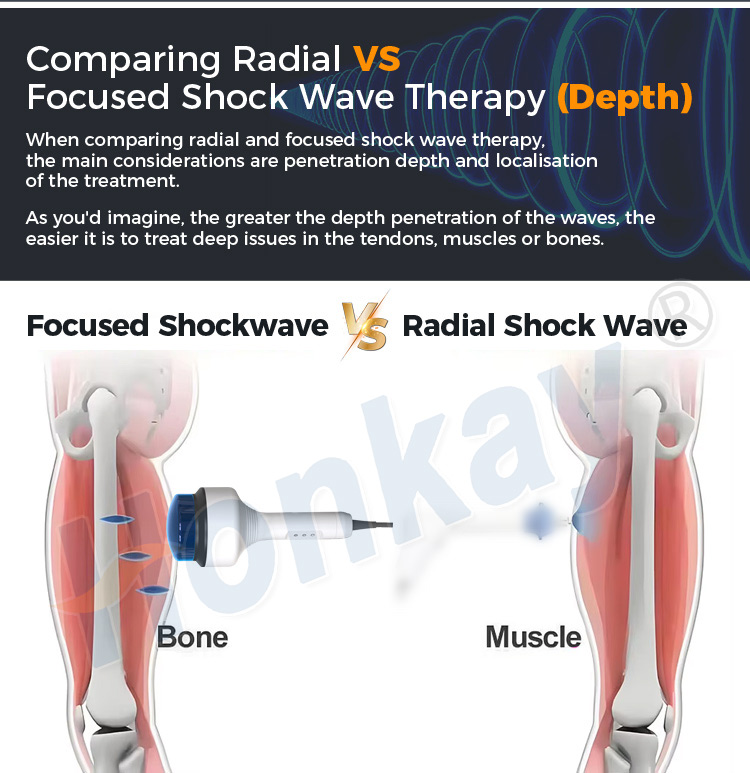
Radial and focused differ in where the energy is concentrated, not merely in how much energy is delivered. A radial applicator spreads from its face; a focused applicator converges the beam so that the highest energy density sits below the surface. That is the reason a focused platform is specified by depth at all.
For a clinic the practical consequence is positioning discipline: the target has to be under the focal zone, not under the applicator face. Two centimetres of misplacement at the skin is not two centimetres at depth.
A repeatable five-step setup
The value of a written sequence is that two operators produce the same session. This one takes about ninety seconds:
- Check the water window against the protocol mark before the first patient, not between patients.
- Fit the applicator and confirm it seats fully with no wobble.
- Apply gel to the coupling face and to the target area — a dry interface is the most common cause of a session that feels weaker than the setting.
- Set energy, frequency and time, then confirm the head is over the target rather than over the nearest bony landmark.
- Record the settings on the patient note, including the water mark used.
Step five is the one clinics skip, and it is the reason a good result is never reproducible. A session that cannot be described cannot be repeated.
The head is the part that wears
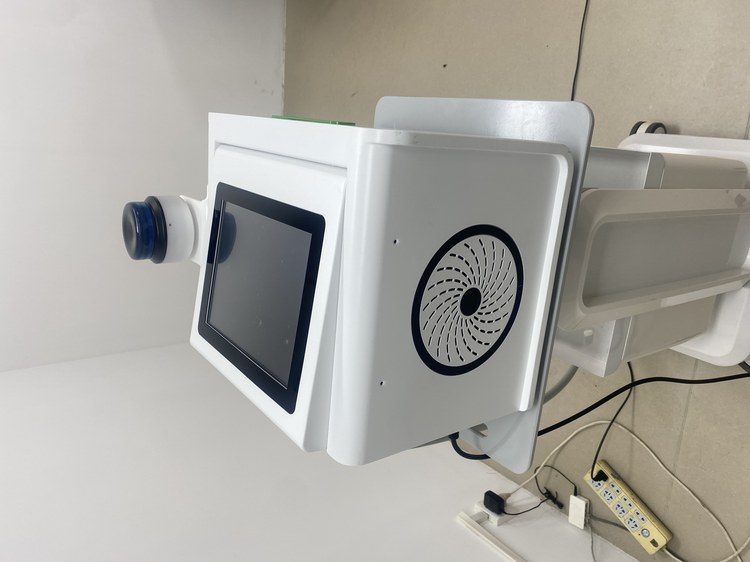
The applicator cap and the membrane behind it are the only parts of the machine in repeated mechanical contact with gel, skin and cleaning fluid. They are also the parts whose condition determines whether the delivered energy matches the setting.
Three checks, done weekly, catch most problems:
- Surface condition — any pitting, clouding or tear in the cap changes coupling.
- Seat and thread — the head should seat fully with no wobble; a partially seated head leaks energy at the interface.
- Gel film — dried gel in the collar hardens and holds the head off its seat.
Cap replacement is a consumable decision, so the price of a spare cap belongs in the purchase comparison, not in the first service call.
Standing or desktop: same specification
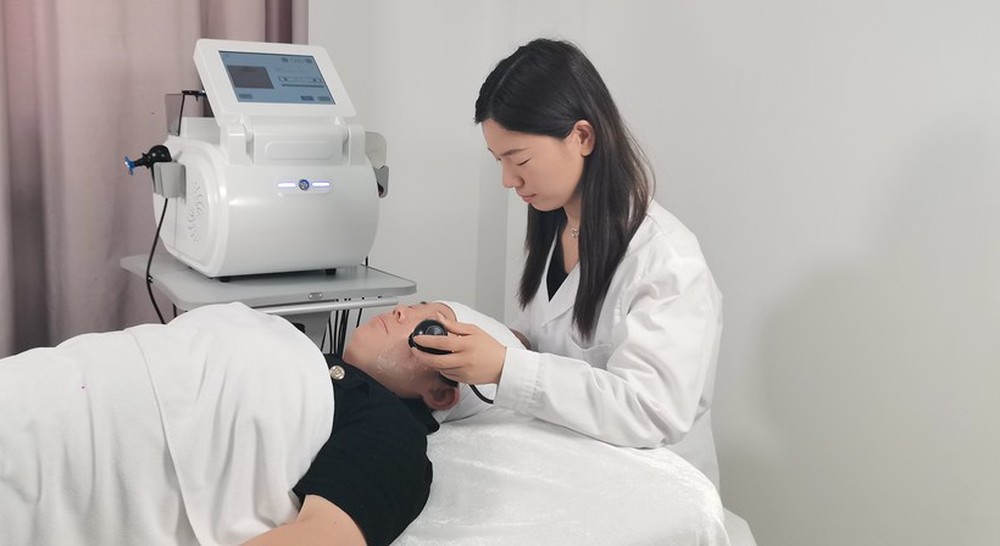
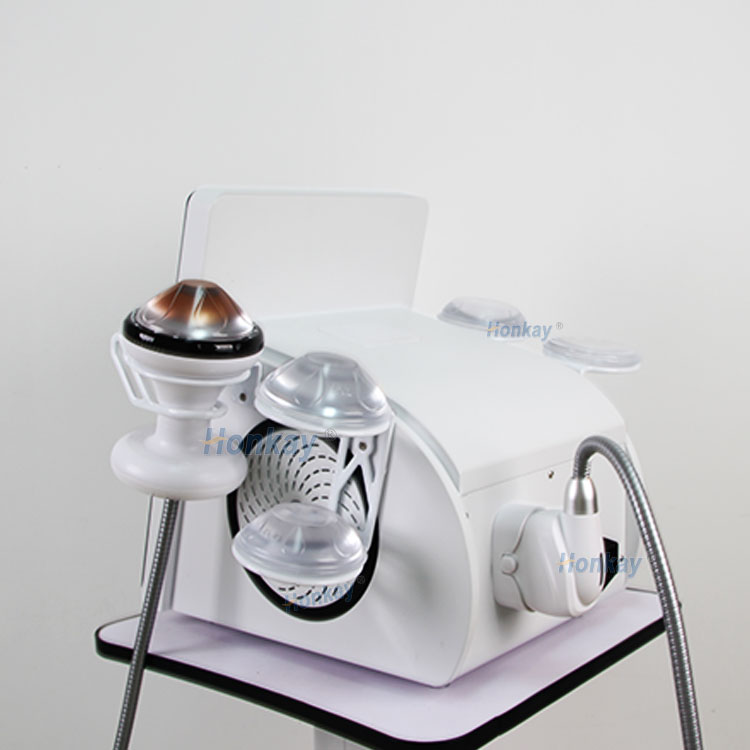
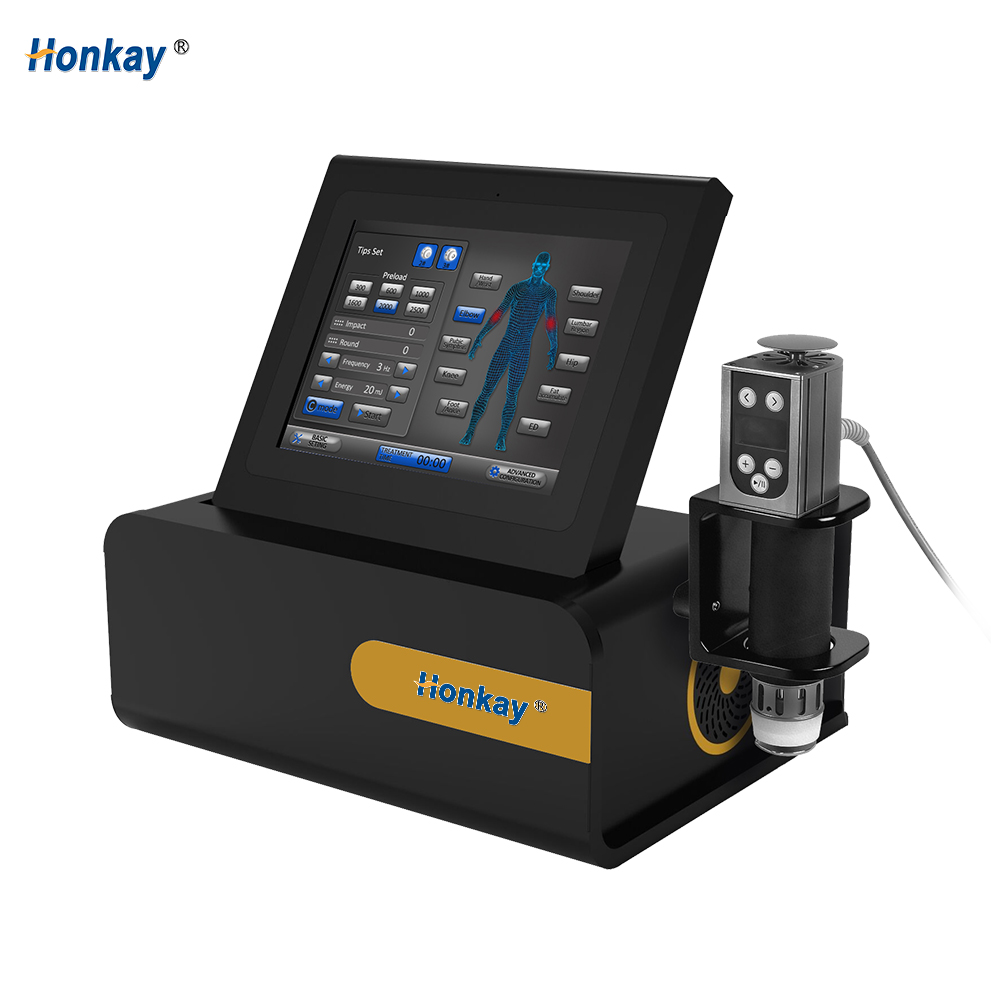
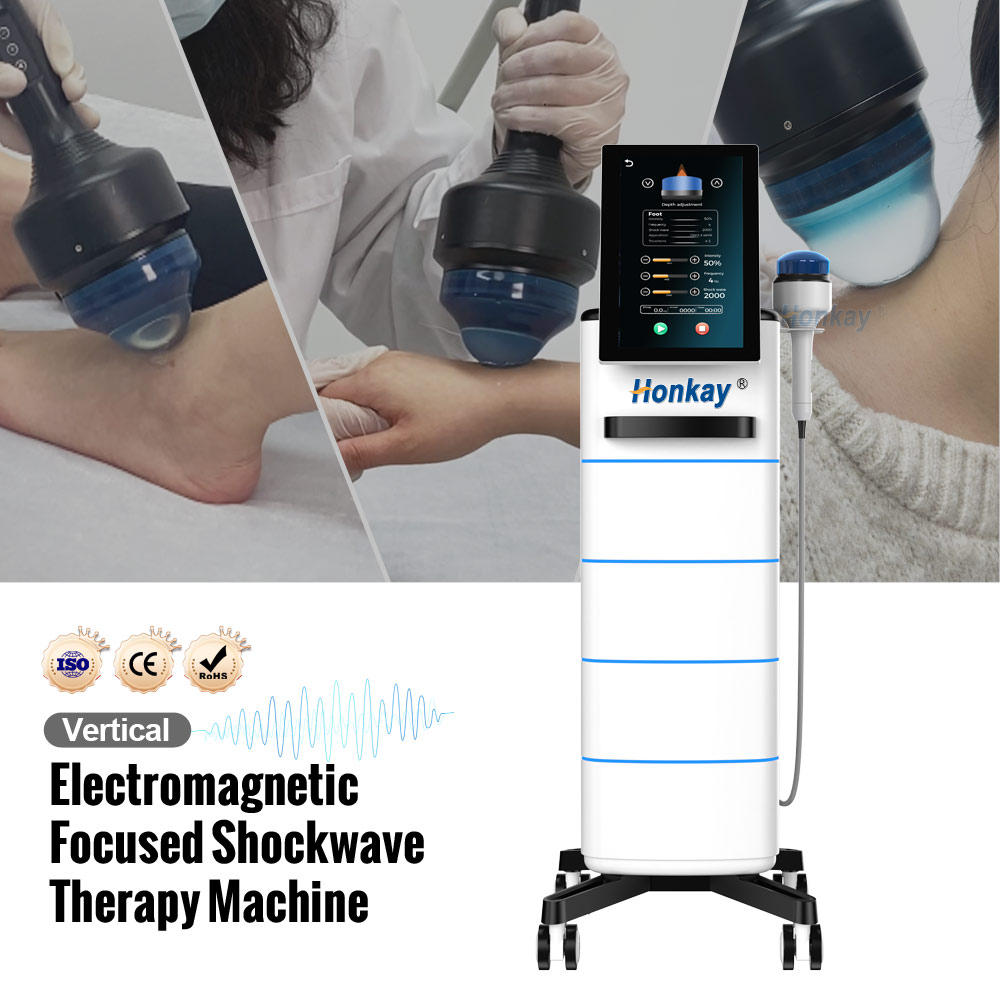
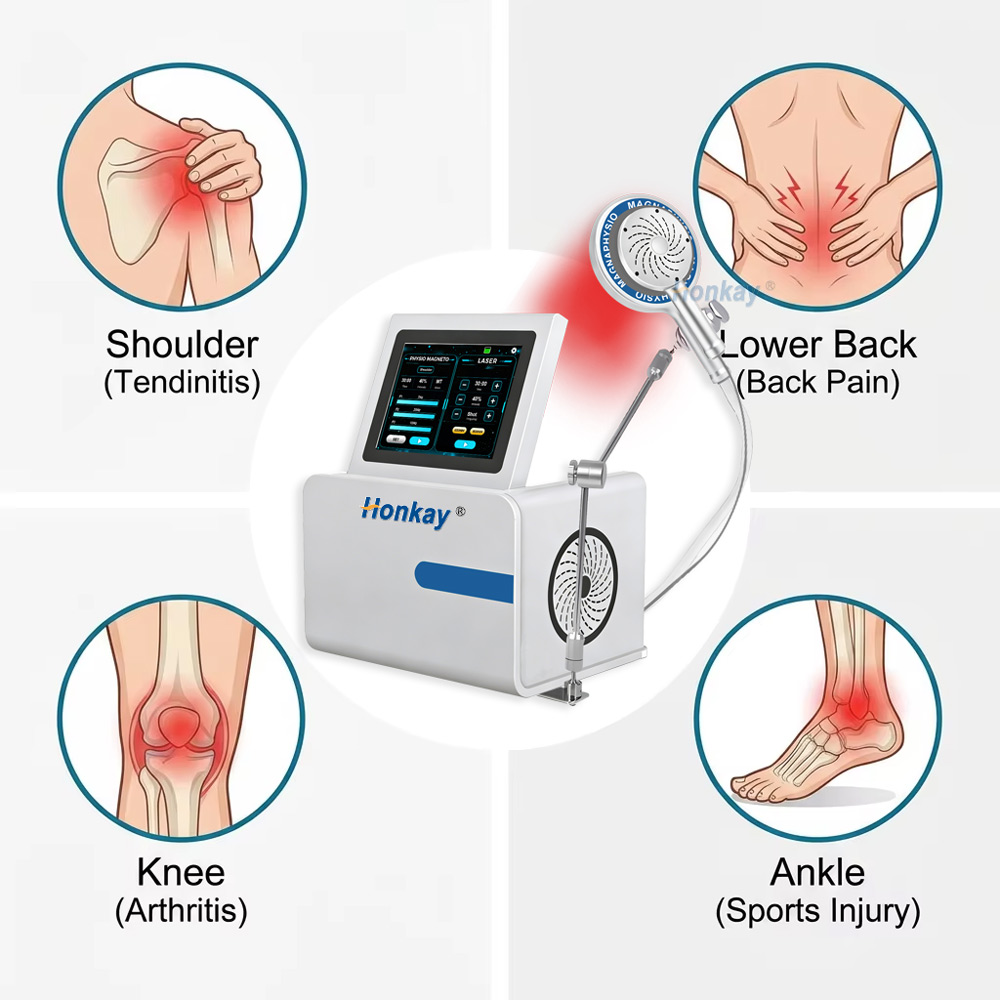
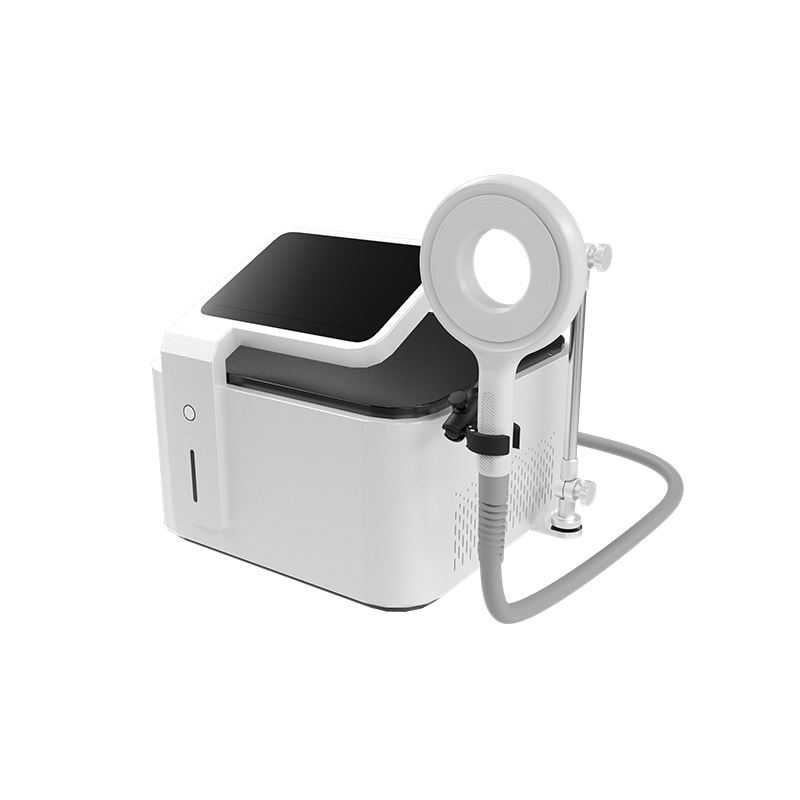
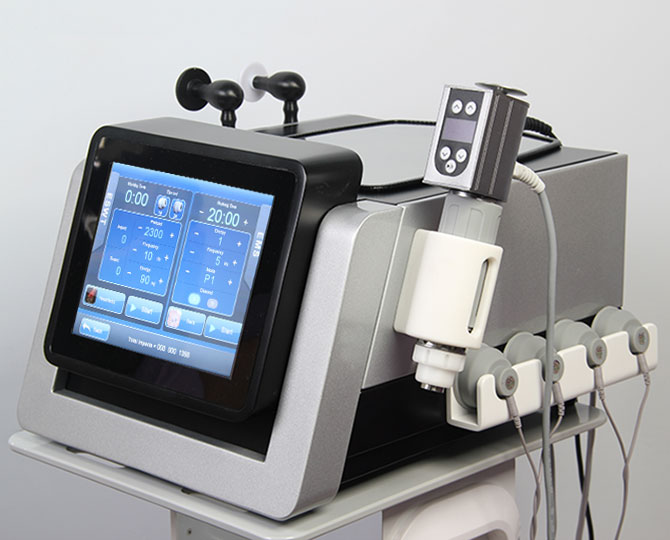
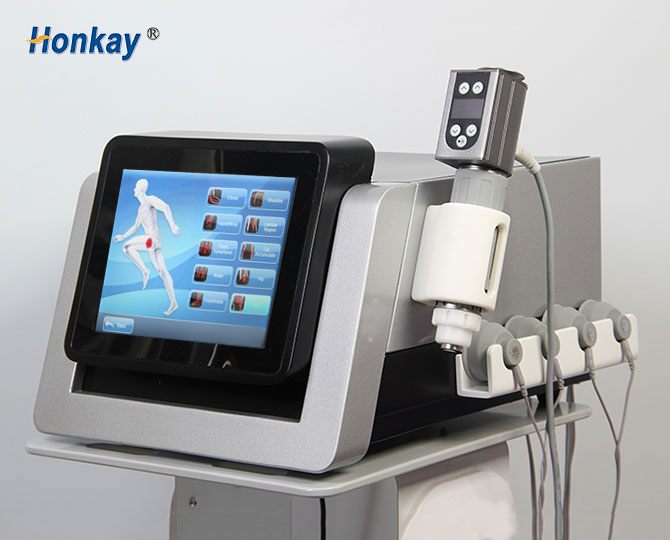
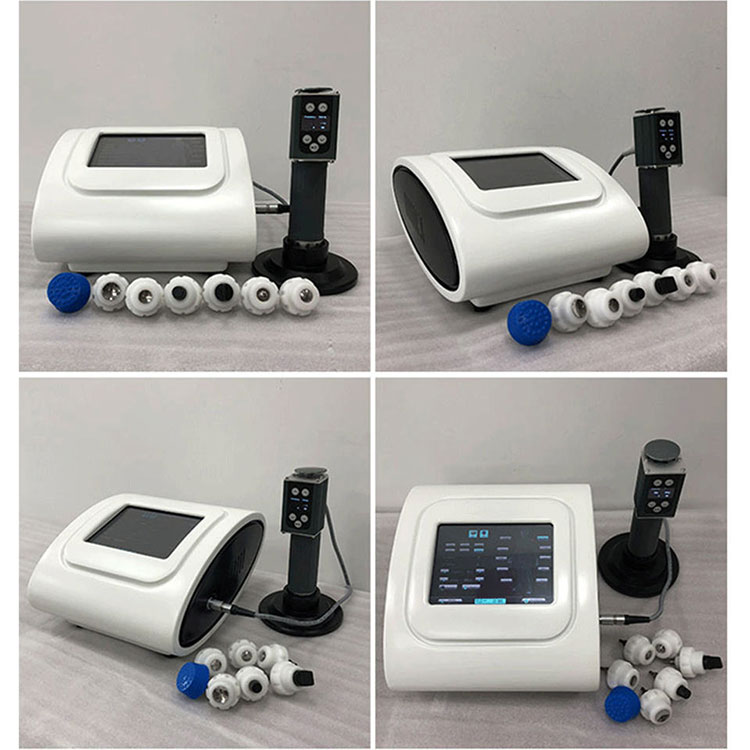
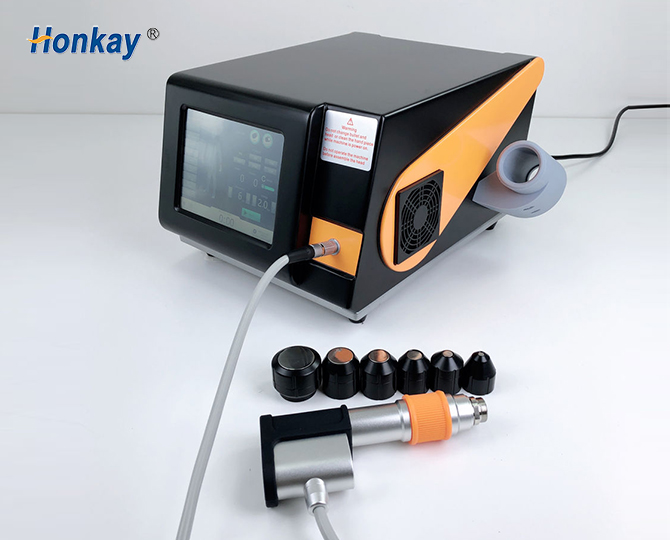
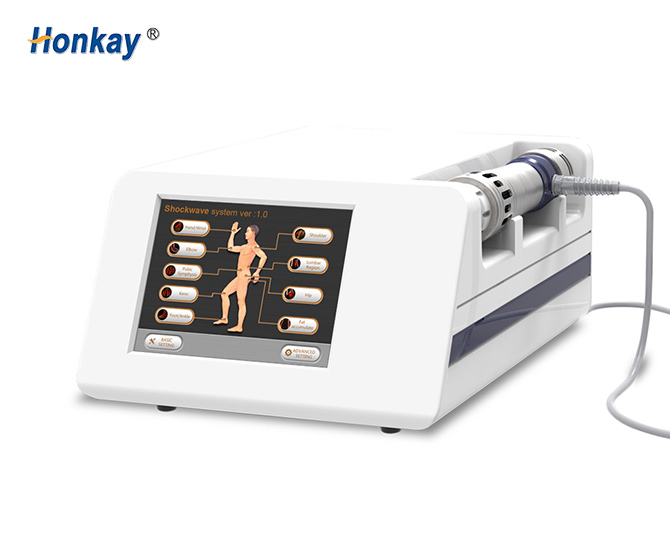
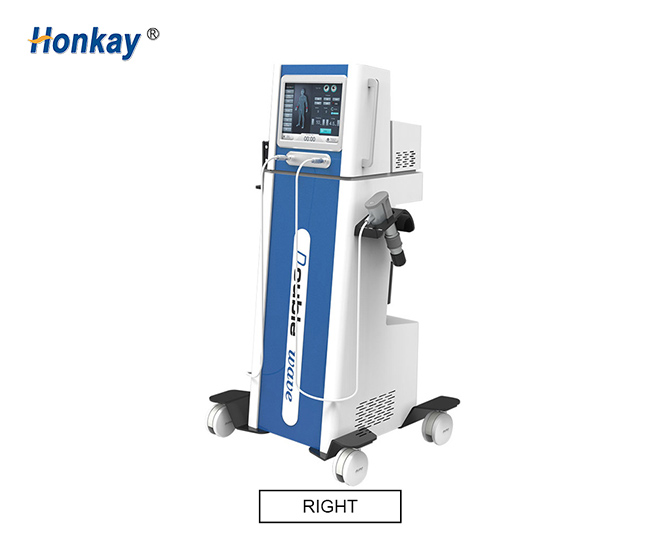
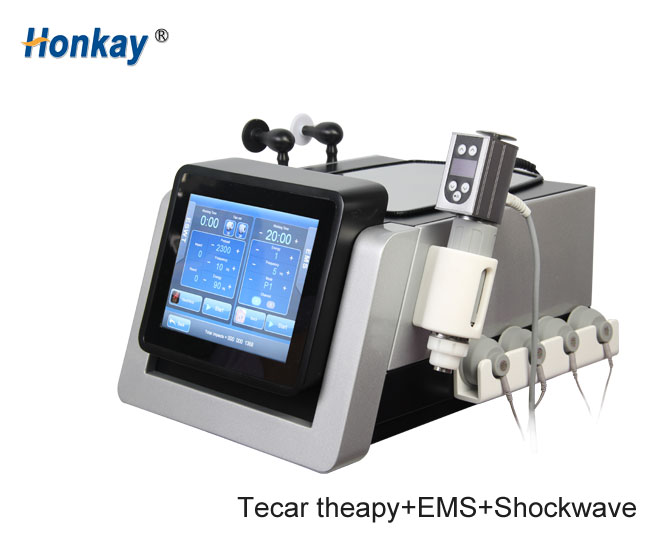
The same platform is built in a standing cabinet and a desktop housing. The specification is identical — energy, frequency, applicator and controls do not change. The choice is about room layout: a desktop unit sits on a treatment trolley and can be moved between rooms; a standing unit occupies floor space and stays put.
That means a quote difference between the two forms should be explainable by housing and shipping volume, not by capability.
| Item | Standing housing | Desktop housing |
|---|---|---|
| Energy, frequency, applicator | Identical | Identical |
| Working depth | 0–8 cm | 0–8 cm |
| Water reservoir and fill | Same rear-panel arrangement | Same rear-panel arrangement |
| Practical difference | Floor space, fixed position | Trolley-mounted, moves between rooms |
Maintenance that keeps the dial honest
| Item | Interval | What to check |
|---|---|---|
| Water level | Start of each clinic day | Level against your protocol mark; top up cold |
| Water condition | Per supplier schedule | Clarity, no debris; change rather than top up if cloudy |
| Applicator cap | Weekly | Pitting, clouding, tears at the coupling face |
| Head seat | Weekly | Full seating, no wobble, collar free of dried gel |
| Cooling fan intake | Monthly | Dust build-up — the usual cause of a unit running hot |
| Applicator cable | Quarterly | Cracking at the strain relief |
| Spare cap on shelf | Always | One spare per applicator in use |
What to ask before ordering
Ask these four in writing, and keep the answers with the machine:
- What water is specified, and at what interval is it changed rather than topped up?
- What is the working depth range, and which setting produces the deepest value?
- What does a replacement applicator cap cost, and what is the lead time?
- Are standing and desktop housings specified identically, in writing?
Frequently asked questions
Does more water mean more power?
No — the opposite. On this platform a higher water level gives lower energy and shallower penetration; a lower level gives higher energy and greater depth.
Why does the machine feel weaker after a top-up?
Because the level was raised. Return the water to the marked level for the protocol rather than assuming a fault.
What is the working depth?
0–8 cm. Figures such as 0–66 mm or 10–15 cm that appear in some listings do not describe this platform.
Does the water need to be a particular type?
Follow the supplier’s specification for the unit. What matters operationally is that the reservoir is filled to a marked level and that cloudy water is replaced rather than diluted.
How often should the applicator cap be replaced?
On condition rather than a fixed calendar: pitting, clouding or a tear at the coupling face means replace. Keep one spare per applicator so a worn cap does not idle the machine.
Can I move a desktop unit between rooms?
Yes — the desktop housing is trolley-mounted. Both housings carry the same specification, so moving rooms does not change capability.
Is focused better than radial?
They concentrate energy differently. Focused geometry puts the highest density below the surface, which is why depth is specified; radial spreads from the applicator face.
What is the warranty?
24 months from factory shipment.
About Honkay
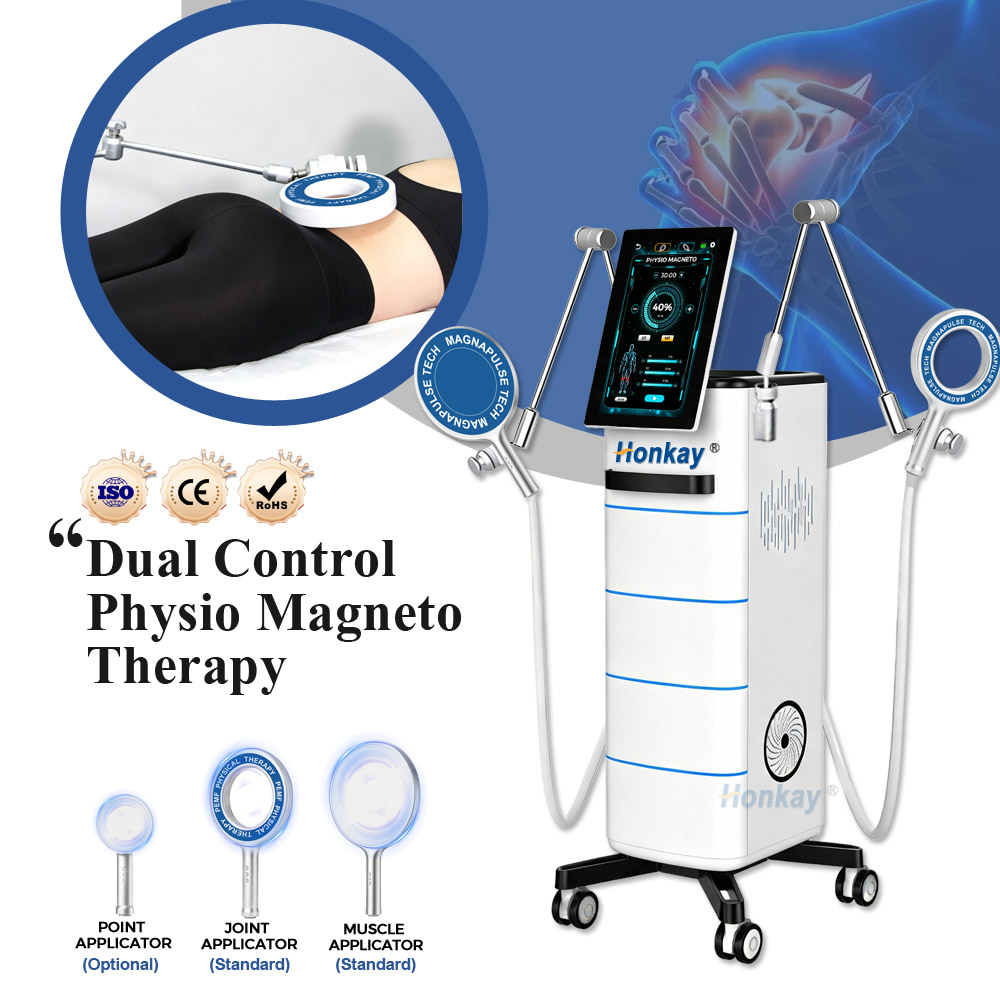
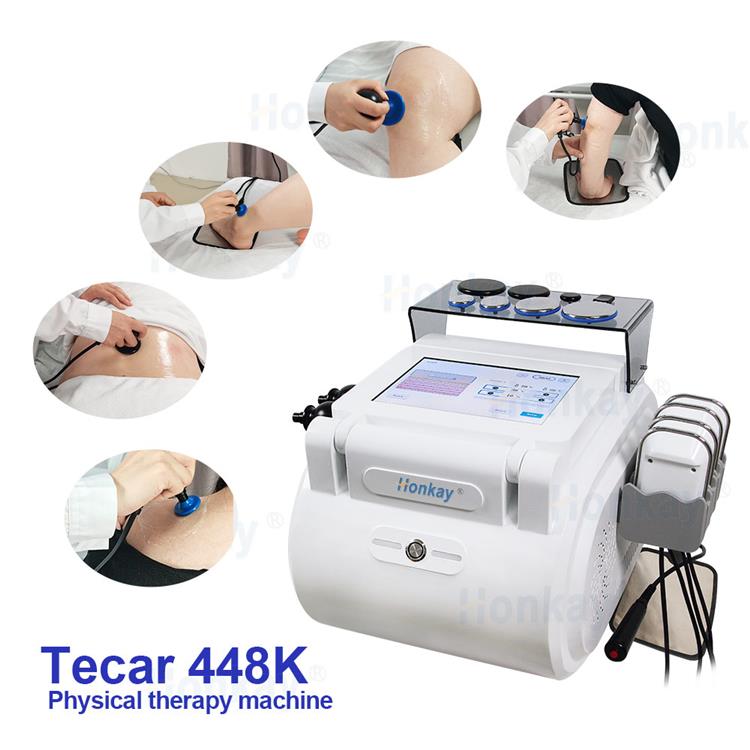
Honkay has built physiotherapy and aesthetic equipment since 2005, including focused and radial shockwave platforms, magneto and pulsed electromagnetic field systems, TECAR and radiofrequency units. Units are assembled and tested in-house before packing, and the range carries a 24-month warranty from factory shipment.
Confirm the water protocol before you compare prices
Two quotes for the same housing can differ because of what is included with the applicator. Ask the Honkay team for the water specification, the cap price and the depth-setting table, then compare.
- WhatsApp: +8613751821215
- E-mail: hk6@huang-kai.com
- Manager: Lisa
This device is intended for adjunctive use alongside professional care, not as a replacement for diagnosis or treatment. Suitability should be confirmed with a qualified clinician; individual experience varies.