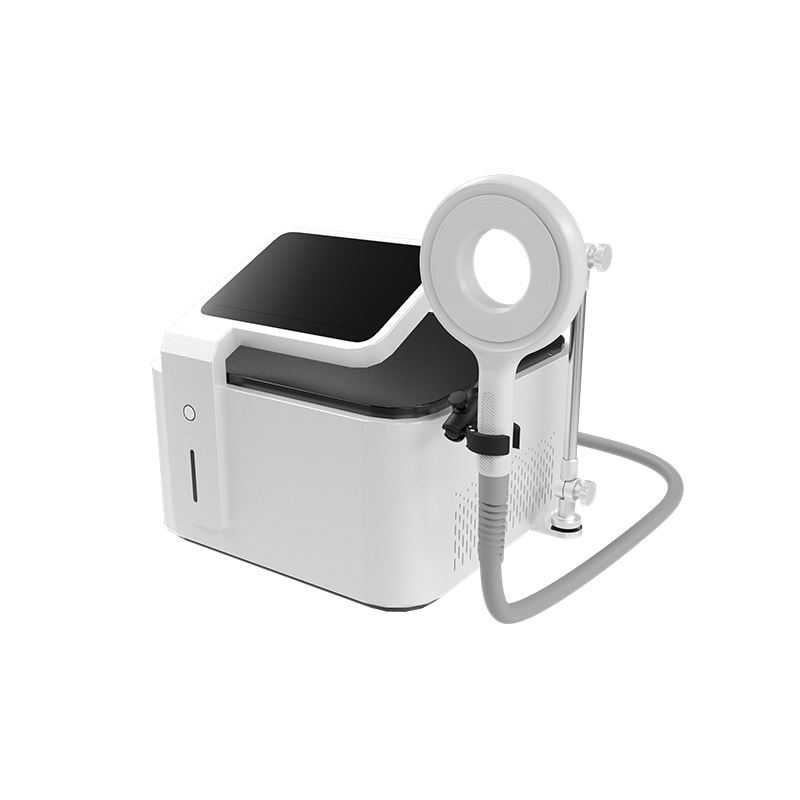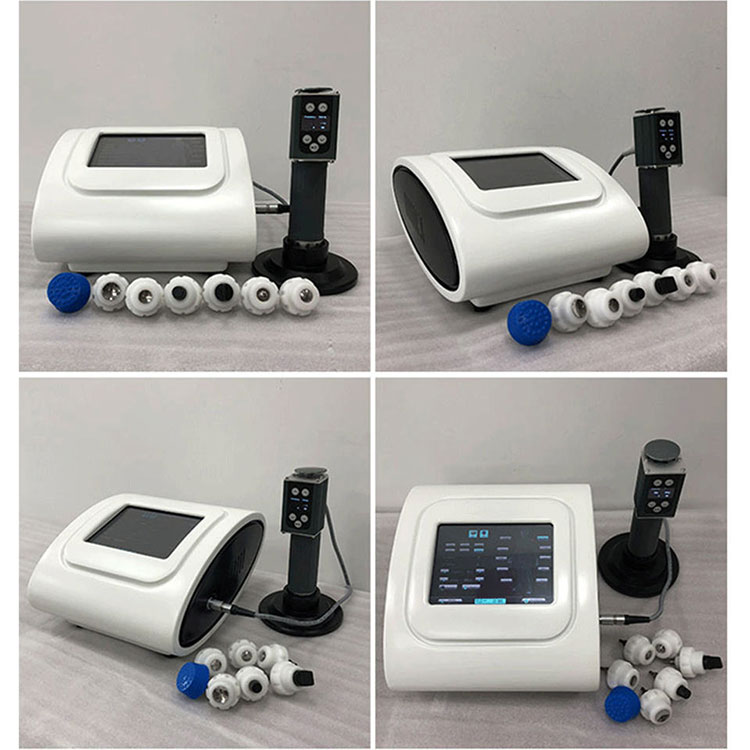
Dual Control PEMF Machine: Running Two Channels With One Therapist
Most clinic owners who ask about a dual control pemf machine are imagining two patients treated at once. That is not what the second channel buys you. What it buys is two different settings running simultaneously on one patient — or on one patient and one mat — without resetting the console between them. The distinction matters because it decides whether the machine saves you staff time or only treatment time.
This guide covers what the two channels actually hold, three workable ways to run a day with one therapist, and where the real constraint sits.
What the second channel does and does not do
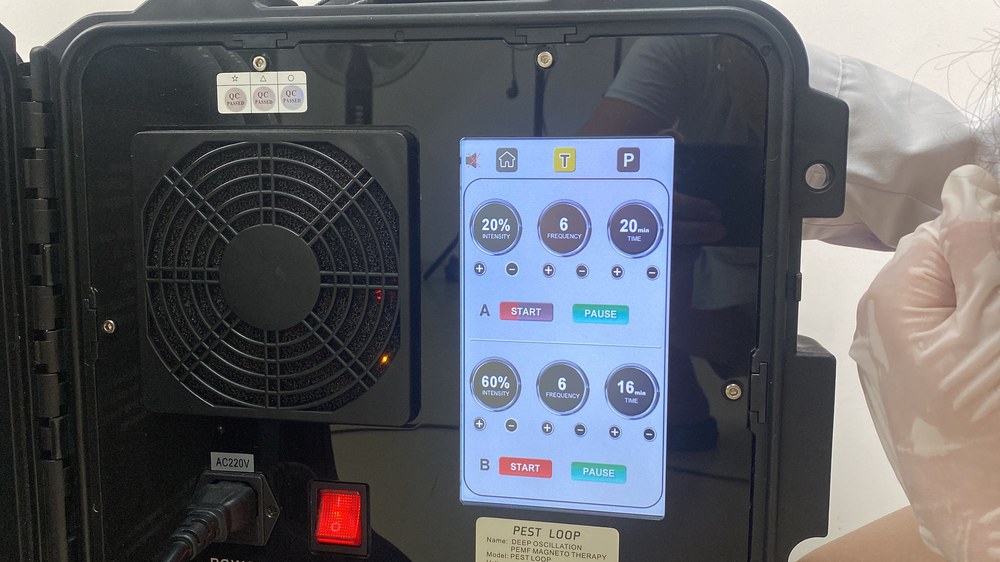
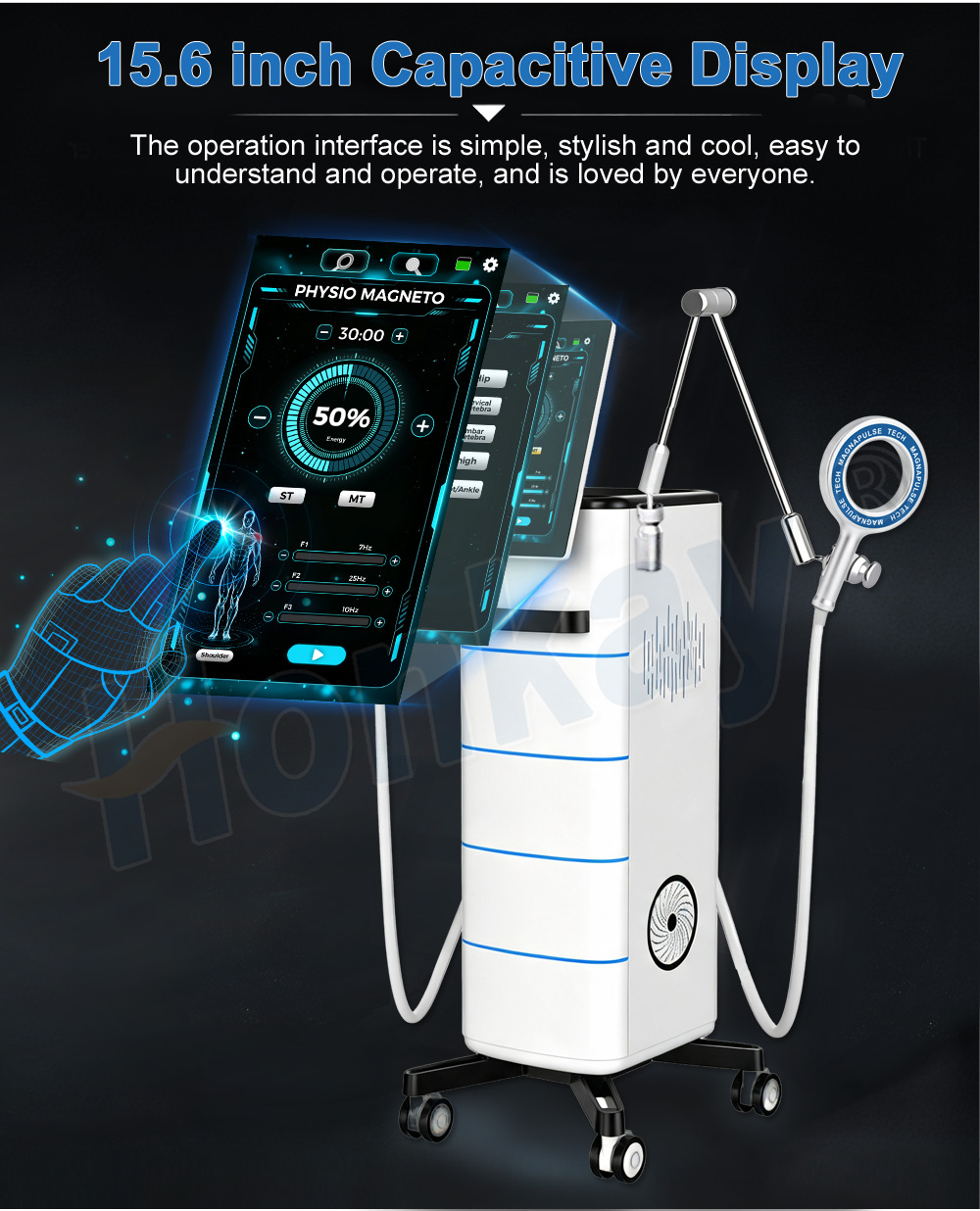
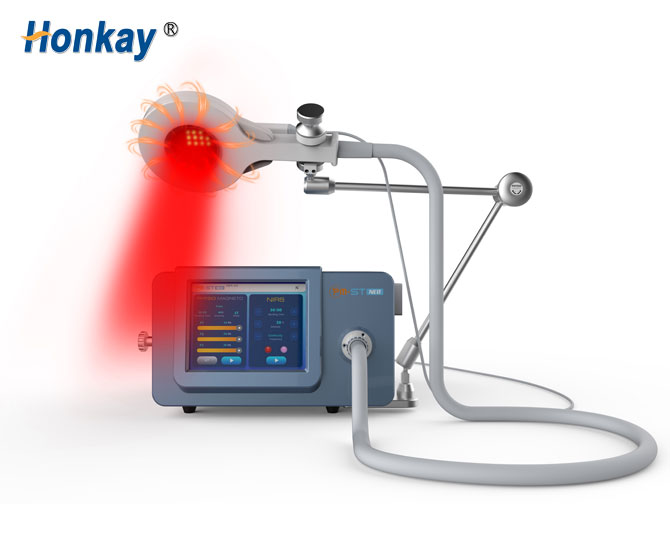
On this unit the screen carries two independent rows. Each row holds its own intensity percentage, its own pulse frequency and its own timer, and each has a separate start and pause. Set channel A for one area and channel B for another, and both run.
What it does not do is supervise the patient. A therapist still has to be in the room, still has to position the applicator, and still has to respond if someone becomes uncomfortable. So the honest statement of the benefit is this: dual control halves the setup time for a two-area session and makes a two-area session practical in one appointment slot. It does not double your patient capacity.
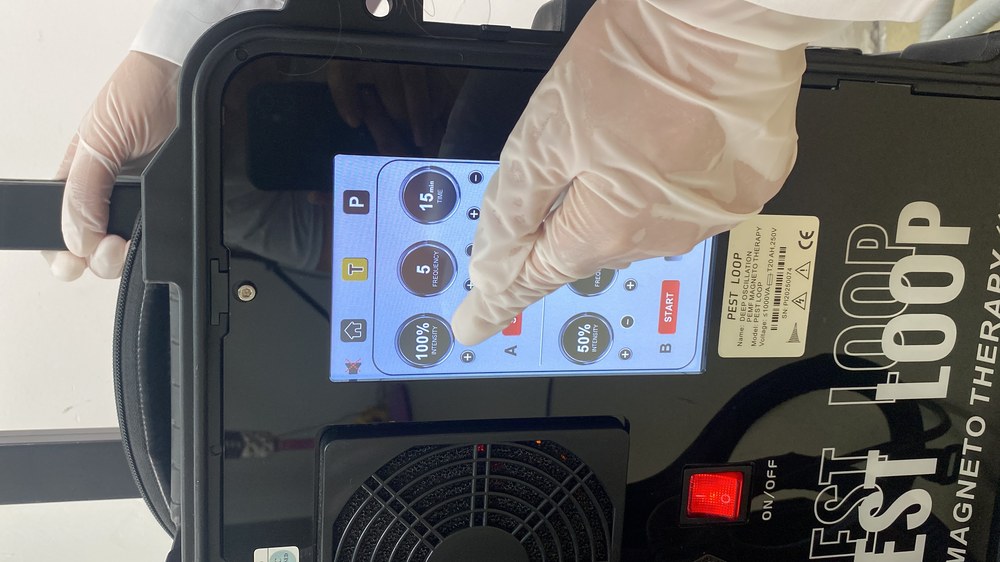
What each row holds
Reading the screen properly is the whole skill. The three values behave differently, and operators who treat them as one dial tend to leave everything at the factory setting.
| Value | What it changes | Typical mistake |
|---|---|---|
| Intensity (%) | Field output for that channel | Starting high because “more is better” |
| Frequency (Hz) | How often pulses repeat | Using one frequency for every area |
| Time (min) | The channel’s own countdown | Setting both channels to the same time out of habit |
The habit worth building is to write the three numbers down for each channel separately. A session that cannot be repeated is not a protocol, it is an event.
Three ways to run a day with one therapist
There are only three patterns that work for a single practitioner, and each has a different constraint:
| Pattern | How it works | Best for | Limit |
|---|---|---|---|
| Parallel supervised | Both channels on one patient, therapist present | Two areas in one 20-minute appointment | Applicator placement on both areas at once |
| Staggered | Channel A runs while therapist sets up B for the next patient | Two rooms or a screened bay | Never leave B’s patient unattended during A |
| Single channel | One channel, one area, full attention | First sessions, sensitive patients | Lower throughput per hour |
The staggered pattern is the one that actually raises throughput, and it is also the one that requires the most discipline. It only works if the second patient is within sight or earshot and the therapist can stop the channel immediately. If the layout does not allow that, the pattern is unsafe regardless of what the machine can do.
The 20-minute block, and what a day really holds
A 20-minute treatment is not a 20-minute slot. Add positioning, applicator placement, setting the channel and clearing the room, and a realistic block is 30 to 35 minutes. In a six-hour clinical day that is roughly ten to eleven blocks with no breaks, or eight to nine with the breaks a real clinic takes.
That number is the honest one to plan a purchase around. If you expect the second channel to lift you from eight to sixteen patients, it will not. If you expect it to let you treat two areas in the same appointment instead of booking a second visit, it will — and that is worth more per patient than an extra slot.
No consumables, and why that matters here
PEMF does not use gel, pads that wear out, or single-use electrodes. The applicator is reusable and the running cost per session is electricity plus the therapist’s time. Across a year of daily use that is a materially different cost structure from shockwave or TECAR, both of which consume coupling gel and eventually wear parts.
Two practical consequences. First, the cost-per-session figure you can quote a patient is stable, whether you run a full clinic unit or a pemf pulse machine in a single room. Second, the parts that do wear are mechanical rather than consumable — the cable entry, the connector and the applicator covering — so ask for those prices rather than assuming a consumable line item.

Where the machine limits you, not the therapist
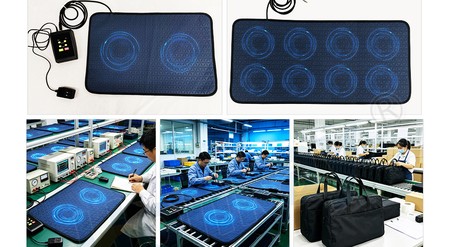
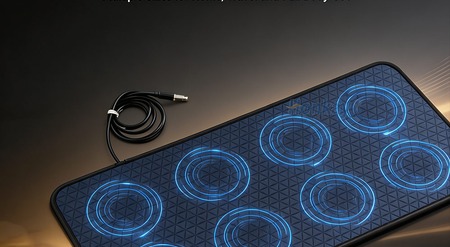
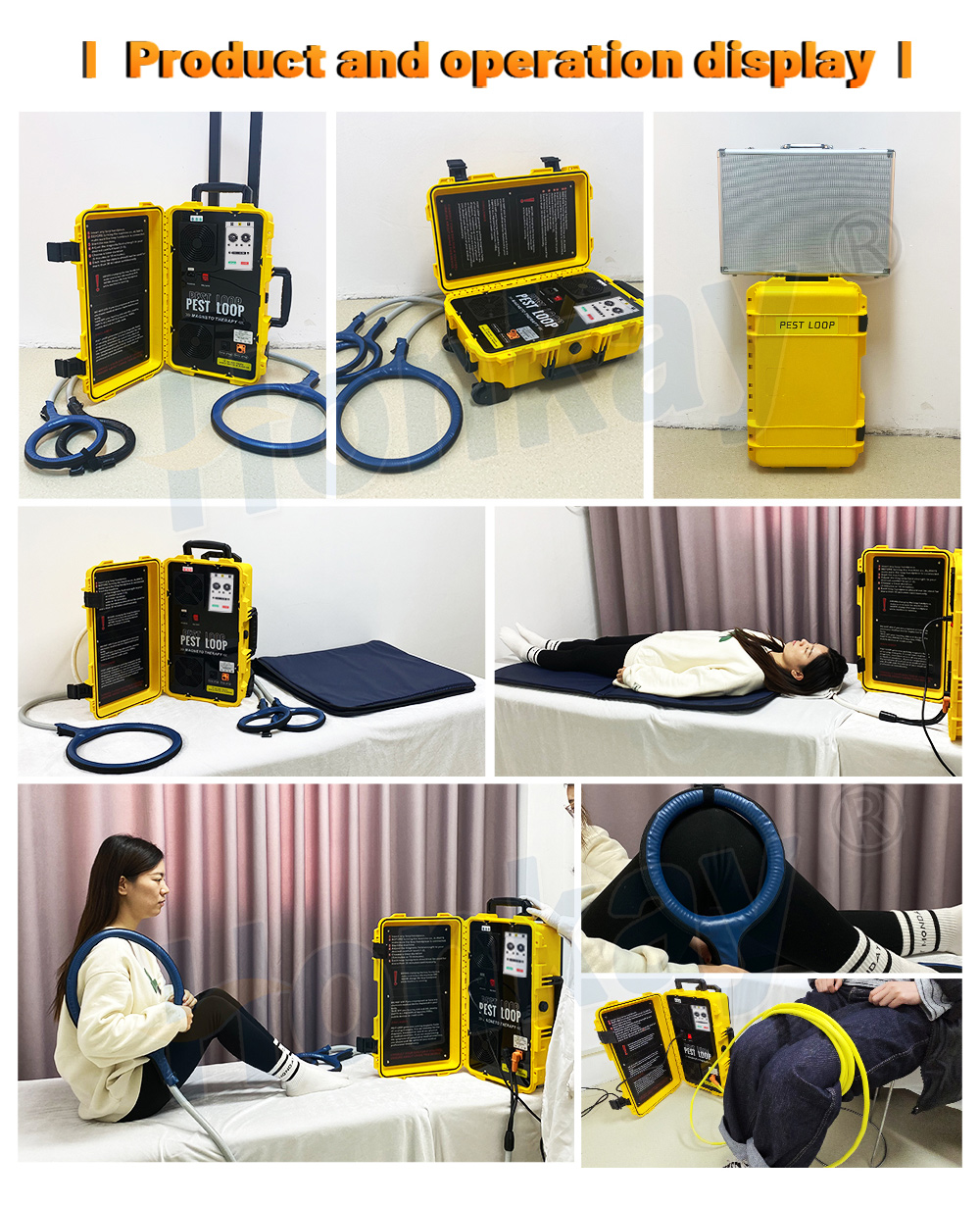
- Applicator reach. A loop or mat is tethered by its cable. Check the length against your couch position before you plan a two-area setup, or you will find the second channel cannot reach.
- Room layout. The staggered pattern needs line of sight. A curtain is enough; a wall is not.
- Power. One unit, one socket, but confirm the supply is dedicated if the clinic runs other equipment on the same circuit — this is the one point where a magnetic field therapy machine is treated like any other clinical load.
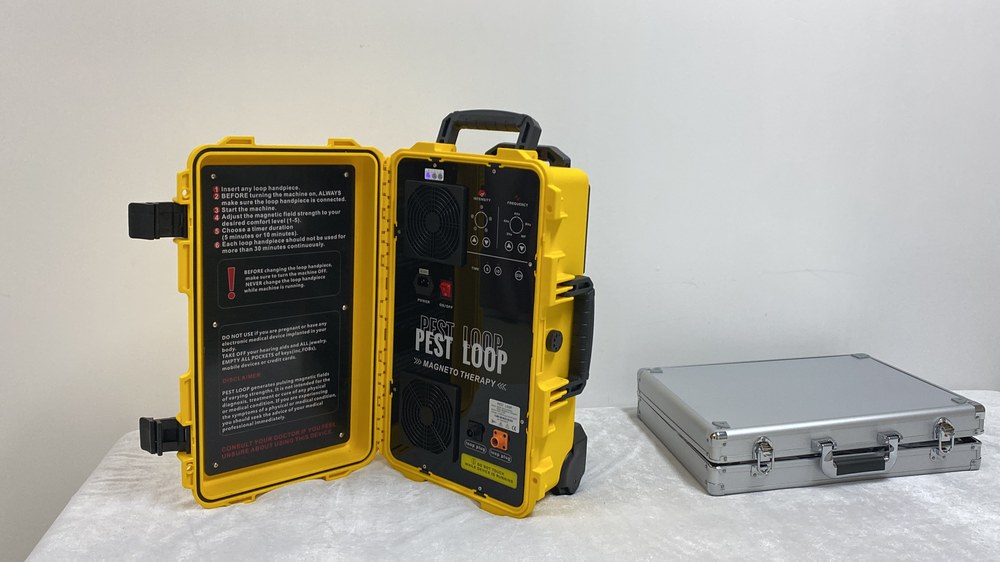
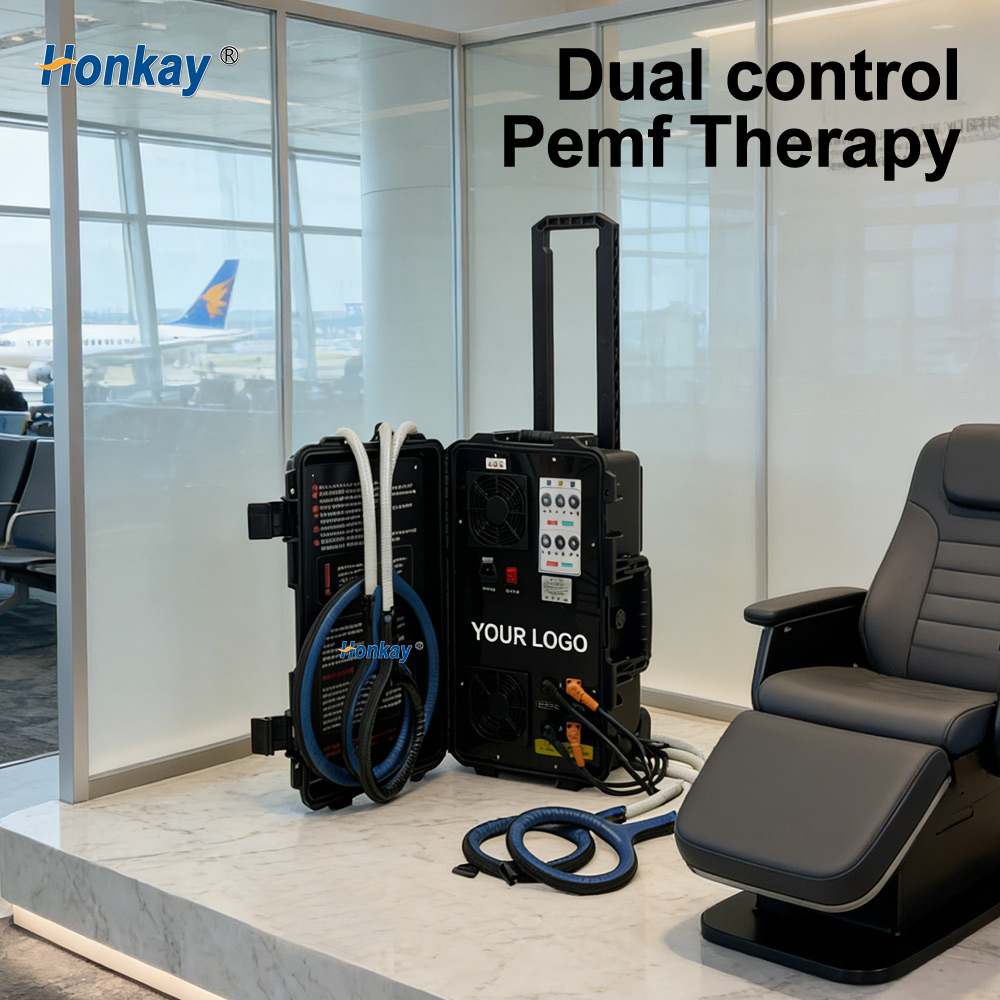
- Storage. The unit lives in a case; if it stays in the case between patients, setup time goes up and the throughput plan falls apart.
What to record per session
A short log per channel is enough, and it is the difference between a treatment and a repeatable treatment:
- Channel, area and applicator used
- Intensity, frequency and time actually set
- Position of the patient (sitting, supine, side-lying)
- Anything the patient reported during the session
- Who operated
Two channels means two lines in the log, not one. If you collapse them into a single record you lose the only data that would tell you which setting worked.
Before you order
- Confirm the two channels are independently settable, not a single setting mirrored to two outputs. Ask for a photo of the screen mid-session, exactly like the one above.
- Ask for the applicator cable lengths and measure them against your room.
- Ask what happens if one channel fails — does the other keep running?
- Confirm the warranty term and start date. The standard on this range is 24 months from factory shipment.
- Ask for the per-part price of the connector and cable entry, the parts that actually wear.
Frequently asked questions
Can two patients be treated at the same time on a dual control machine?
The machine can run two channels at once, but a therapist still has to supervise. Treating two patients simultaneously is only appropriate where both are within sight and the operator can stop a channel immediately.
Are the two channels independently adjustable?
On this unit, yes. Each channel has its own intensity percentage, frequency and timer, with separate start and pause controls.
Does a dual channel machine need two separate applicators?
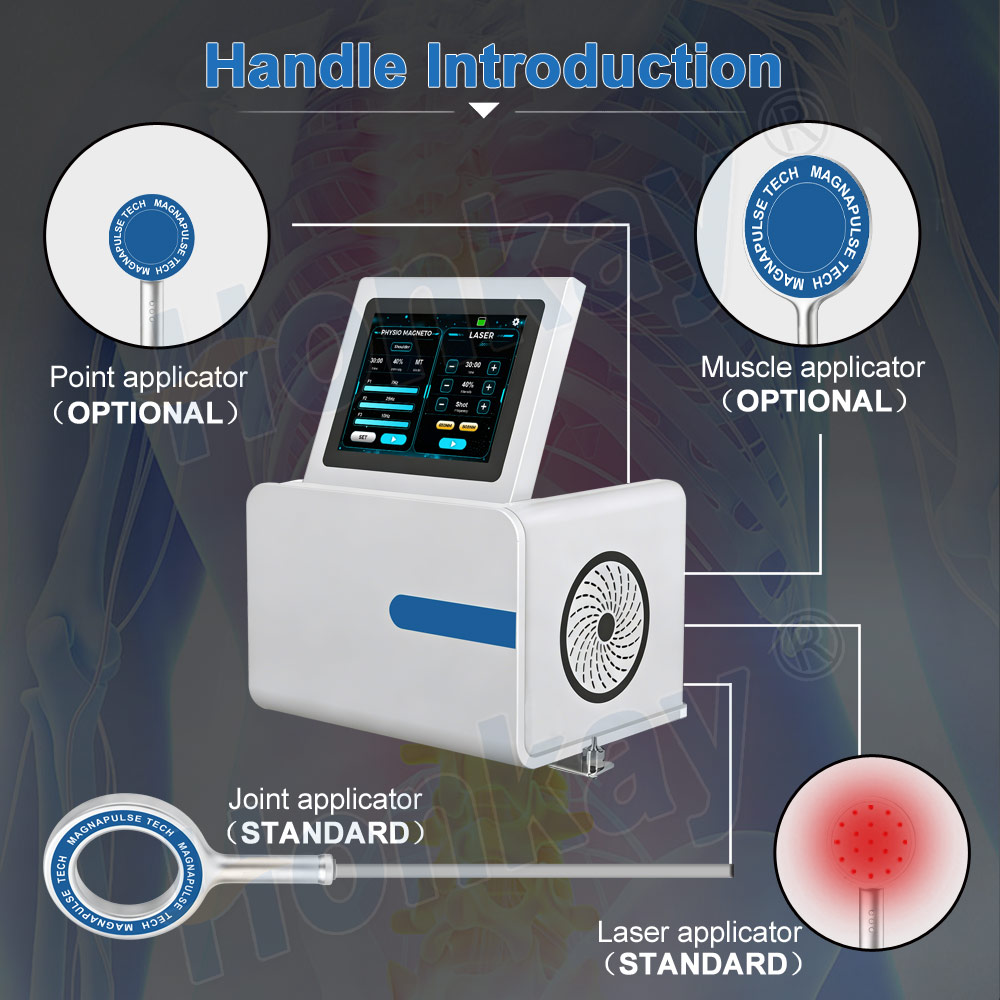
It needs two outputs. Whether you run two loops, a loop plus a mat, or a double-pad blanket depends on the applicator set you order — confirm the configuration, because dual mat is standard on some platforms and loops are optional.
How long is a typical session?
Around 20 minutes per channel on this platform. Plan 30 to 35 minutes of room time per appointment once positioning and changeover are included.
Does PEMF use consumables?
No gel and no single-use electrodes. The applicator is reusable, so the recurring cost is electricity and operator time rather than supplies.
What is the real throughput gain from a second channel?
It removes a second appointment for two-area treatment rather than doubling patient numbers. Expect the same number of slots with more value per slot.
What should I check before buying?
Independent channel settings, applicator cable lengths, behaviour if one channel fails, the warranty term and start date, and the price of the parts that wear.
Is this suitable for a single-therapist practice?
Yes, provided the room allows line of sight for a staggered pattern. Without that, run a single channel at a time and treat the second as a convenience for two-area sessions.
About Honkay
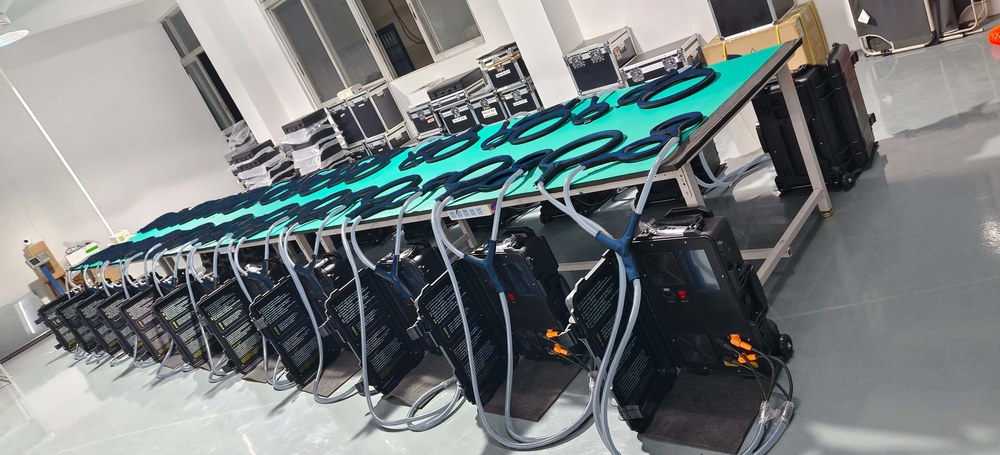
Honkay has built physiotherapy and aesthetic equipment since 2005, including pulsed electromagnetic field systems, shockwave platforms, TECAR and radiofrequency units. Units are assembled and tested in-house before packing, and the range carries a 24-month warranty from the factory shipment date.
Talk through your room layout before you choose a channel count
Send the Honkay team your room dimensions, couch position and the number of appointments you want to run per day. The reply will tell you whether a dual channel setup fits your layout, which applicator combination suits it, and what the real slot count looks like.
- WhatsApp: +8613751821215
- E-mail: hk6@huang-kai.com
- Manager: Lisa
This device is intended for adjunctive use alongside professional care, not as a replacement for diagnosis or treatment. Suitability should be confirmed with a qualified clinician; individual experience varies.