PEMF Mat Programs: What the Five Presets Actually Set
A preset is three numbers, not one
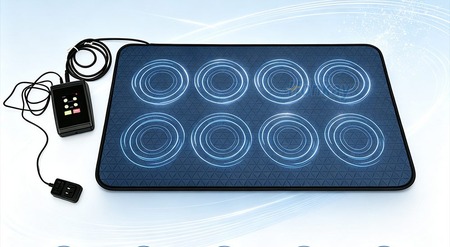
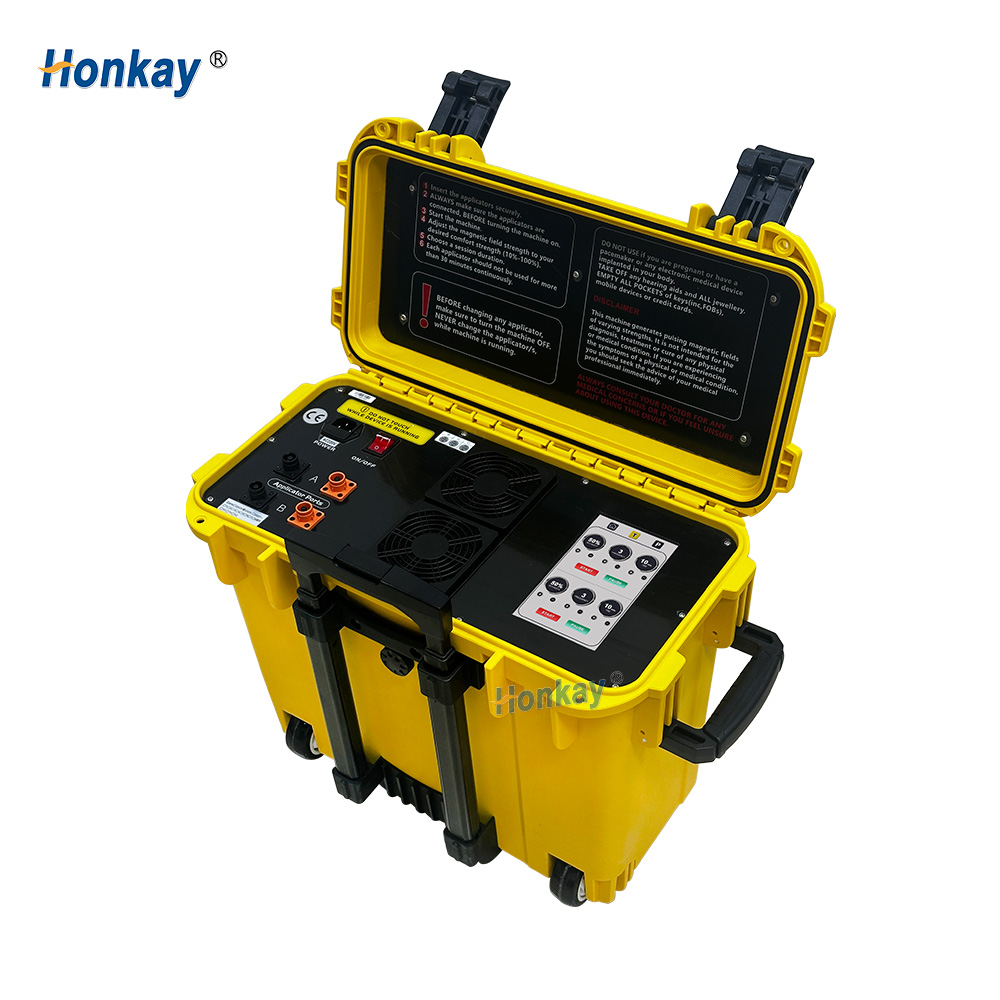
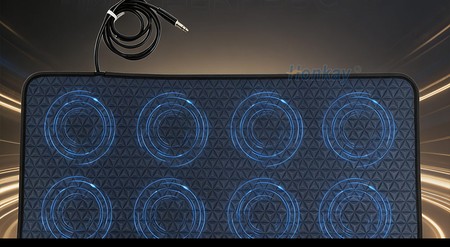
The control unit that ships with this mat is not a single dial. It carries five starting points, and each one is a combination of three separate settings: a frequency, an intensity level, and a session length. Once those three are separated in your mind, the presets stop being mysterious and start being adjustable.
That distinction matters because most disappointing first weeks come from treating a preset as a fixed programme. A user picks the one whose name sounds closest to their situation, runs it at full length, and concludes the mat is not for them — when in fact only the duration was wrong.
Keeping the three numbers apart also makes the first month testable. A note of the date, the preset, the level and the minutes is enough to see whether a change did anything, instead of relying on a general impression of whether the mat “works”.
The five presets, in the manual’s own figures
These are the five settings listed in the manual, with the ranges attached to each. They are quoted rather than paraphrased, because the boundaries are what make them useful.
| Preset | Frequency | Level | Duration |
|---|---|---|---|
| Daily Relaxation | 5–10 Hz | 1–3 | 20–30 min |
| Pre-Sleep Relaxation | 1–5 Hz | 1–2 | 20–40 min |
| Muscle Recovery | 10–30 Hz | 3–6 | 30–45 min |
| Deep Recovery | 30–60 Hz | 5–8 | 30–60 min |
| High-Intensity Recovery | 60 Hz and above | 7–10 | 20–40 min |
Read the table down the columns rather than across the rows. Duration does not increase steadily from the first preset to the last, and the highest-intensity preset is not the longest one — it is shorter than the two above it.
Frequency: the whole span is 1–100 Hz
The platform runs from 1 Hz to 100 Hz, and the screen reports the current value as a number. The five presets occupy different slices of that range: three of them sit in the low tens, one sits at the bottom, and one sits at the top.
The manual attaches two hard boundaries to frequency that apply whatever preset you are in. When the mat is used on the head area, frequency must not exceed 2 Hz. And above 15 Hz is not advised after 20:00, on the grounds that higher frequencies are stimulating rather than settling. Both are stated flatly, without a range, which is a signal to treat them as limits rather than preferences.
Level: a 1–10 scale, and why it is not frequency
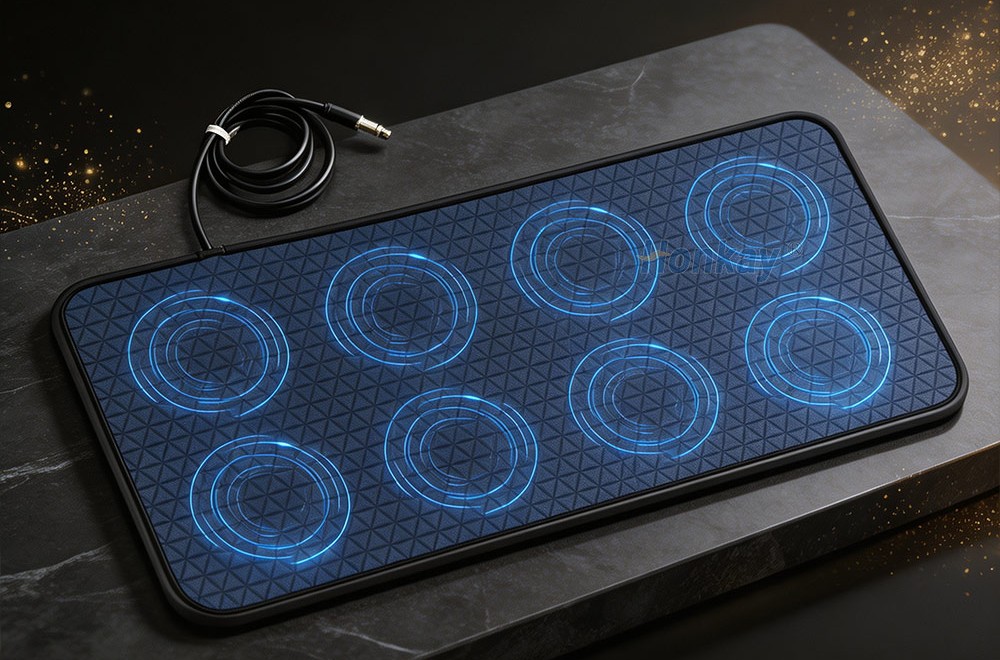
Intensity is a separate setting, numbered 1 to 10, and it moves within a 0–25 Gs range. The distinction is easy to lose: turning the level up does not change the frequency the mat is running at, and changing the frequency does not make the field stronger. They are two dials that happen to be adjusted from the same panel.
The practical consequence is that a user who finds a preset uncomfortable has two ways to soften it, and most people only try one. Dropping from level 6 to level 3 keeps the same frequency band and reduces intensity; moving from Muscle Recovery to Daily Relaxation changes the frequency band and reduces intensity at the same time. For a first week, the second option is usually the better experiment, because it changes one familiar thing at a time.
Duration, and the ceiling above it
Session length in the presets runs from 20 to 60 minutes, but those are preset defaults, not entitlements. Two limits sit above them and apply regardless of which preset is selected: at least five hours between sessions, and no more than 120 minutes in a day across all sessions.
For a first-time user the manual is more conservative still: 5–15 minutes at the lowest level. A sensible ramp is to use the shortest end of the chosen preset’s range for the first three sessions, then extend by ten minutes per week while staying inside the daily ceiling.
In a household with more than one user, the daily ceiling is worth writing down rather than estimating. Two people at the long end of Deep Recovery reach 120 minutes between them in a single evening, which is the whole day’s allowance used before bedtime.
Alternating frequency: the manual’s own tip
One detail in the manual is easy to miss and rarely appears in product descriptions: alternating frequencies between sessions can help the body adapt. In practice that means not running Deep Recovery every single day for a month, but rotating between a lower band and a higher one across the week.
It also gives the user something to observe. A two-week log with the date, preset, level and duration in it will tell you more about which setting suits a household than any general recommendation, because the variables stay visible instead of blurring into “the mat”. Four lines per session is enough, and it takes less time than deciding which preset to press.
Where presets go wrong
The four failures below account for most of the complaints that reach a supplier in the first month. None of them is a fault in the machine; each is a setting used outside the range the manual describes.
| Mistake | What it looks like | Fix |
|---|---|---|
| Starting at the top | Level 10 on day one, full 60 minutes | 5–15 min at the lowest level, then build |
| High frequency late | Deep Recovery at 22:00 | Stay at or below 15 Hz after 20:00 |
| Stacking sessions | Three sessions before lunch | Five hours apart, 120 minutes a day |
| Head on the pad | Full-body mat running at 40 Hz under the pillow | 2 Hz cap for the head area, or keep the head off the pad |
Frequently asked questions
Do the five presets cover the whole 1–100 Hz range?
No. They occupy five bands, and the gaps between them are adjustable manually if the control unit is set by hand rather than by preset.
What do the numbers on the screen mean?
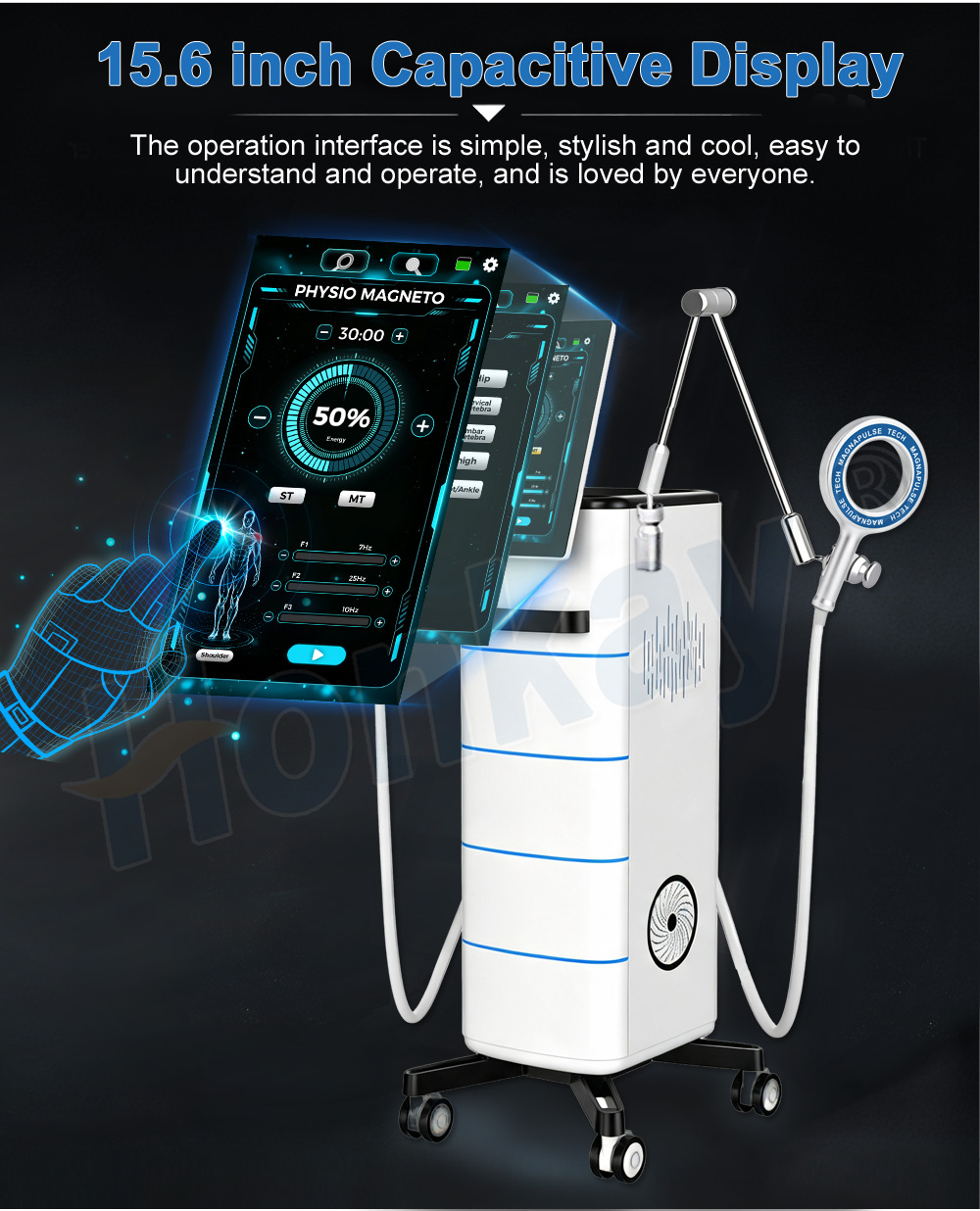
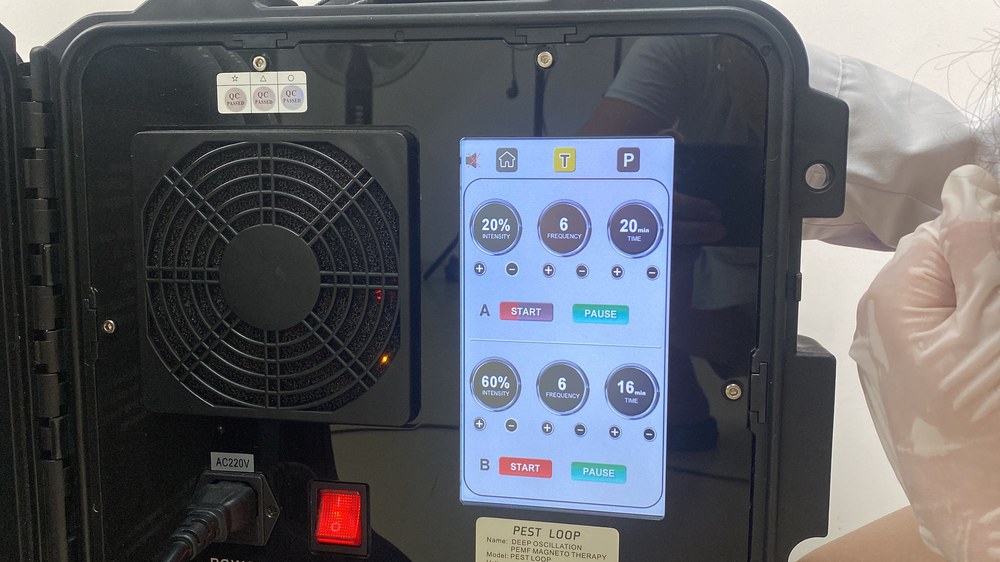
The display reports time remaining, the frequency in hertz, and the energy level. The manual’s own screens show those three fields as Time, Frequency and Energy.
Is a higher level always better?
No. Level is intensity, not effectiveness, and the manual starts first-time users at the lowest level. There is no instruction anywhere in it to work up to level 10.
Can I run two presets back to back?
The five-hour spacing rule and the 120-minute daily ceiling both apply to the day as a whole, so two presets in one sitting count against the same ceiling.
Which preset should someone start with?
Daily Relaxation at the short end of its range, at level 1. It sits in the middle of the low bands and is the least likely to surprise a first-time user.
Why is the highest-intensity preset shorter?
That is how the manual sets it: 20–40 minutes at 60 Hz and above, against 30–60 minutes for the band below. The pattern suggests duration is not meant to grow with intensity.
Does the level change the frequency shown?
No. They are independent settings. Adjusting one does not move the other, which is why the two-dial habit is worth building early.
Does the mat remember settings between sessions?
The manual does not describe a memory function, so assume the preset is chosen at the start of each session rather than carried over.
About Honkay and the next step
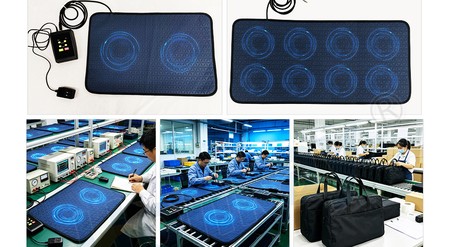
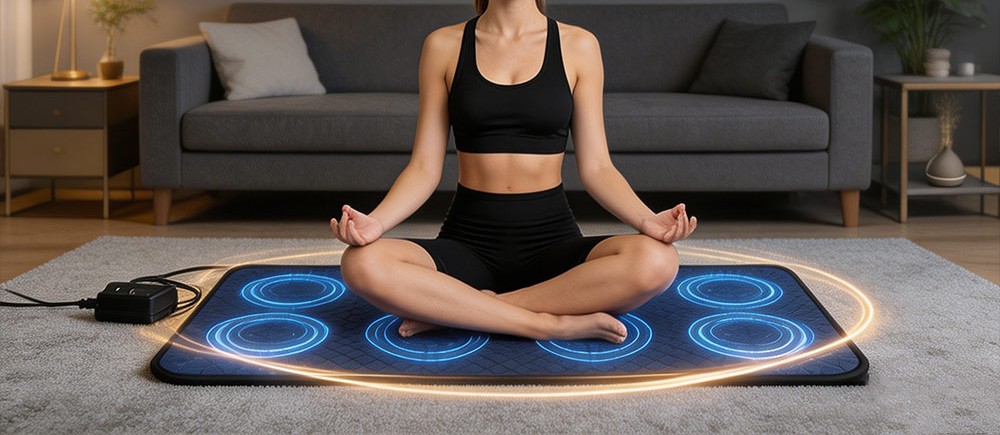
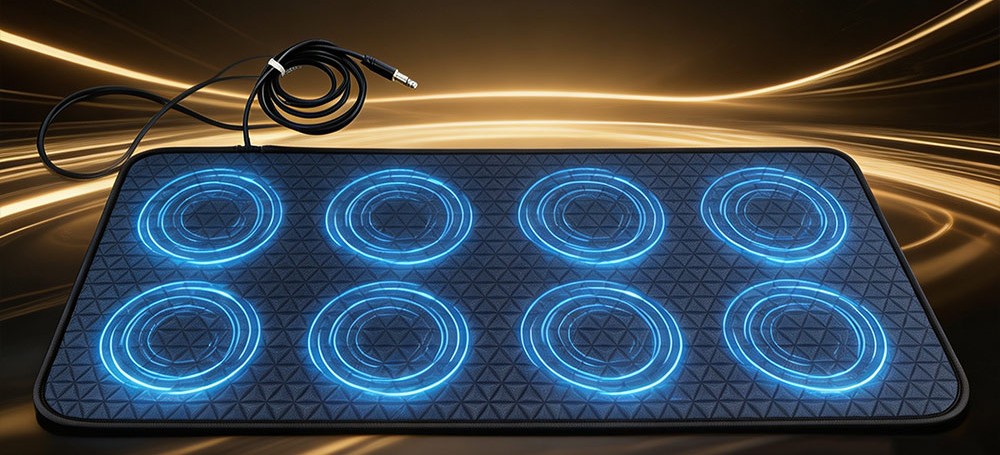
Honkay has manufactured physiotherapy and aesthetic equipment since 2005, with 20 years of OEM and ODM work behind the range. The PEMF mat line is produced in house, in four sizes from 40×60 cm with two coils to 60×200 cm with eight, each supplied with a control unit, connection cable, power adapter and carry bag.
If you are choosing between presets for a household rather than one user, tell the team who will use the mat and at what time of day. The five settings are fixed, but the recommended starting point is not. Warranty runs 24 months from the factory shipment date.
Reach the Honkay team on WhatsApp at +8613751821215, or by email at hk6@huang-kai.com.
This device is intended for adjunctive use alongside professional care, not as a replacement for diagnosis or treatment. Suitability should be confirmed with a qualified clinician; individual experience varies.
Chat with the Honkay team on WhatsApp | Email hk6@huang-kai.com