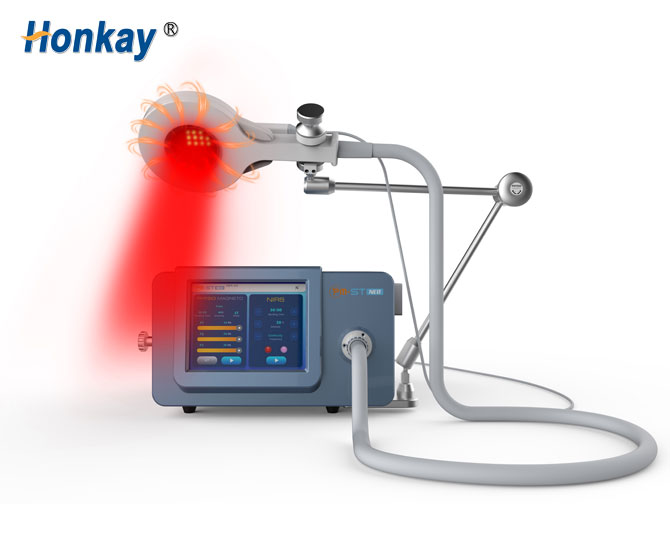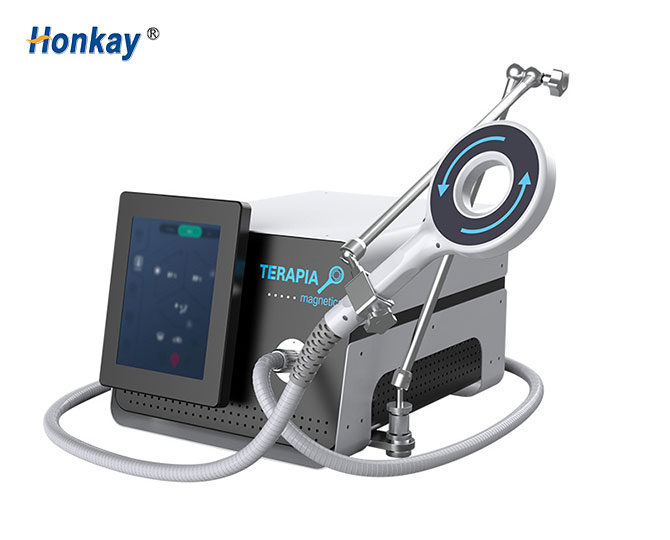
High Intensity PEMF Machine: What the Intensity Figure Actually Tells You
Two suppliers both describe their console as high intensity, and both quote a number. That number looks like the one thing you can compare directly. It is not, because a magnetic intensity figure means nothing on its own: three pieces of information have to travel with it — where it was measured, which applicator produced it, and which pulse mode the console was in when the reading was taken. A high intensity PEMF machine is a system, and the number is one output of that system.
This is what to ask for so two quotations can actually be compared, and what the headline figure will never tell you.

Why two high intensity PEMF machines with the same number behave differently
Where it was measured. Magnetic field strength falls off with distance. A figure taken at the applicator face and a figure taken two centimetres away are two different measurements of the same machine, and they are not interchangeable. If the measuring point is not stated, the number cannot be compared with anything.
Which applicator produced it. A large applicator spreads its field across a wider area; a smaller applicator concentrates the same output into a smaller one. Change the applicator and you change the number, without touching a single setting.
Which mode it was taken in. Consoles in this class run more than one pulse mode, and the mode changes the pulse behaviour the tissue receives. A quotation that lists one intensity figure without saying which mode it belongs to has described one operating condition out of several.
How long it can hold that output. Duty cycle matters more than peak output in a busy clinic. Ask whether the applicator is cooled and whether the console is rated for continuous operation.
Those four answers take a supplier two minutes to give, and they separate a specification from a marketing line.
The applicator set decides what the number does
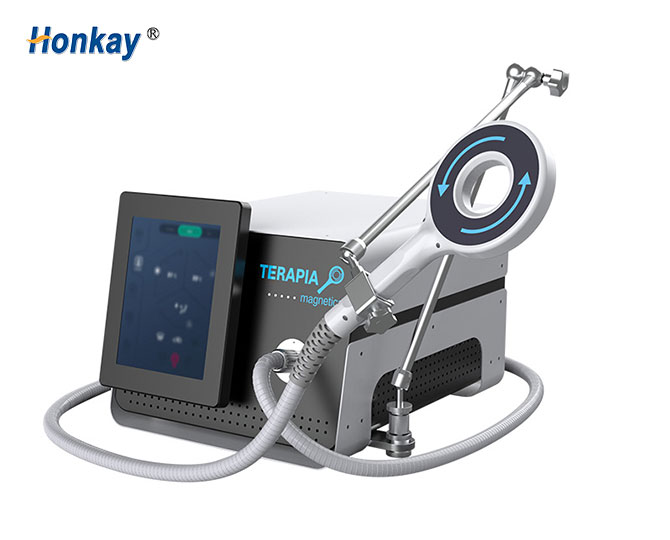
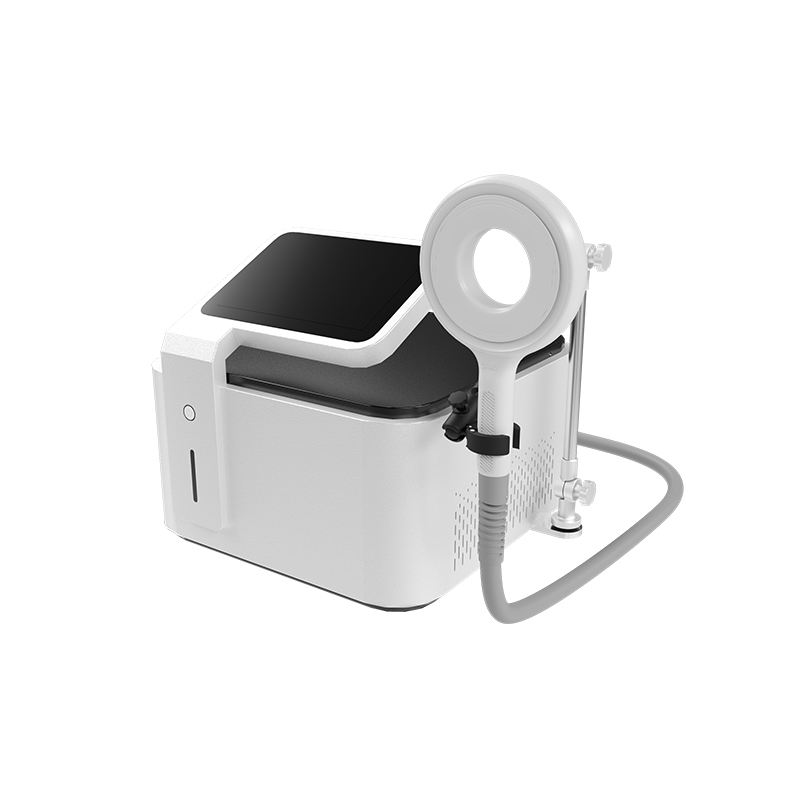
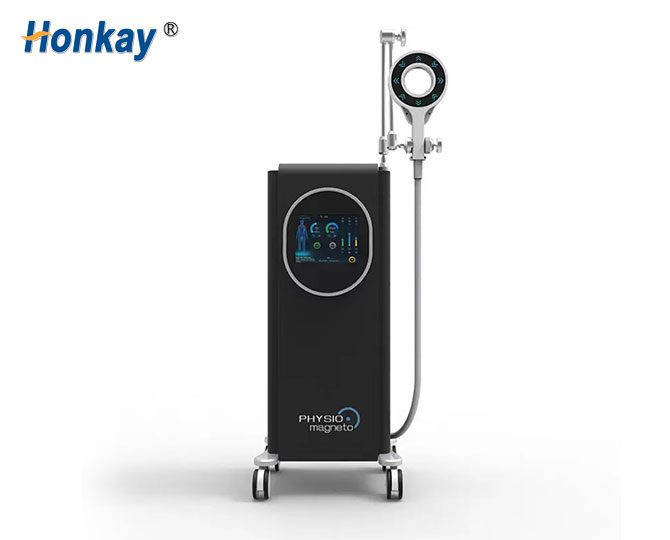
Each applicator is a different working tool, so an intensity figure belongs to one of them rather than to the console in general.
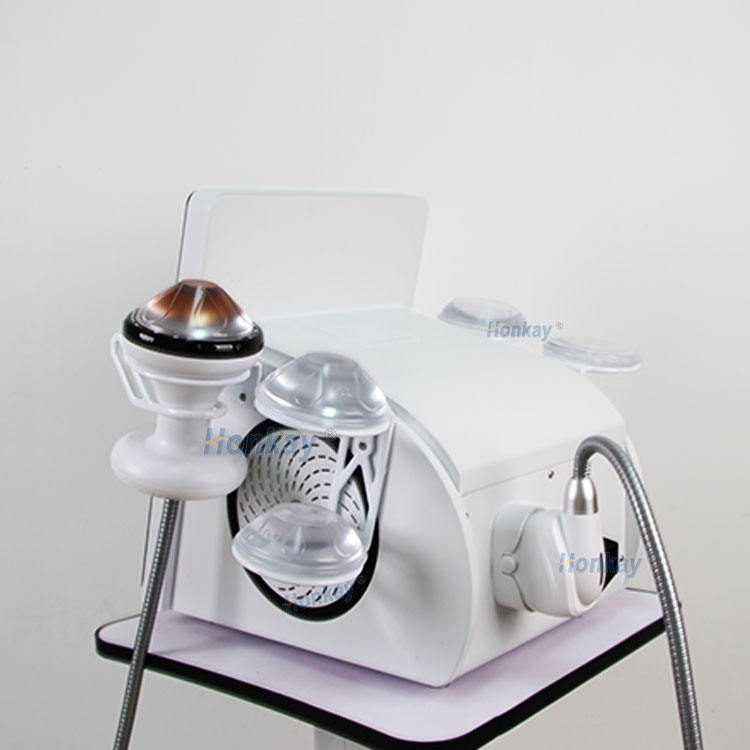
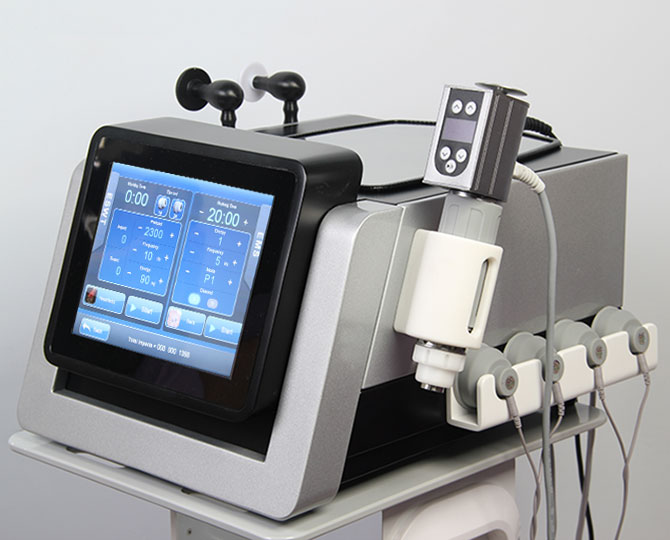
- Joint applicator — the larger standard applicator, used around joints and over larger areas.
- Muscle applicator — the second standard applicator, for muscle-focused work across a wider area.
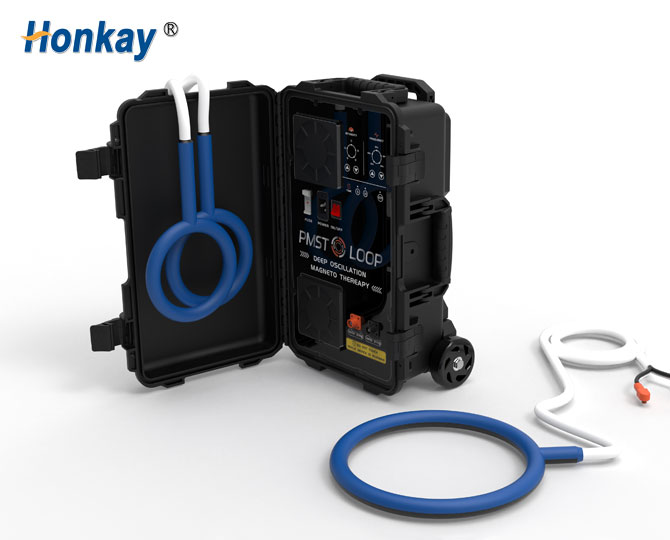
- Point applicator — the optional small applicator, for localized areas where a large applicator would cover more than intended.
| Applicator | Positioned over | Effect on the quoted figure |
|---|---|---|
| Joint (standard) | Joints and larger areas | Spreads the field across a wider area |
| Muscle (standard) | Muscle groups and broad areas | Spreads the field along a longer area |
| Point (optional) | Small, localized areas | Concentrates the field into a smaller area |
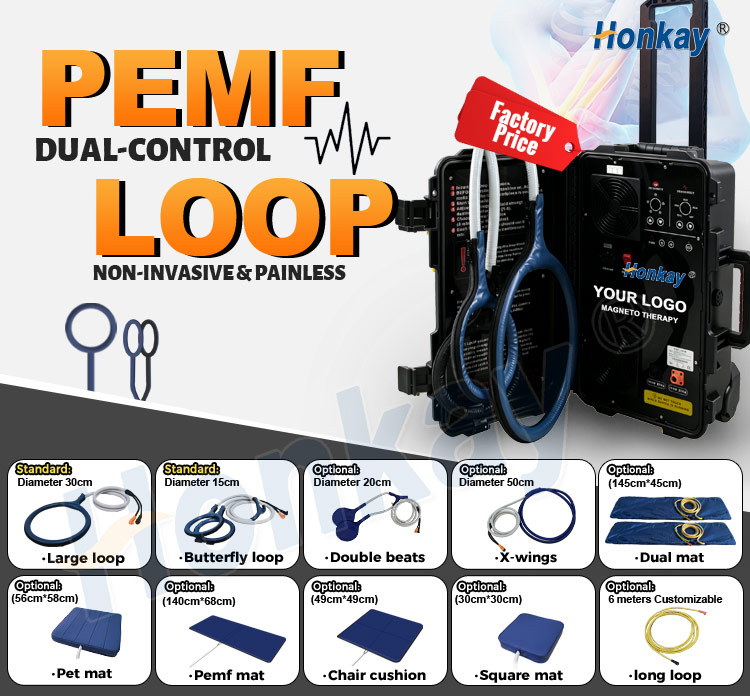
A console quoted with one applicator is not the same product as the same console quoted with three, which is why the applicator list with diameters belongs on the comparison sheet rather than in a footnote.

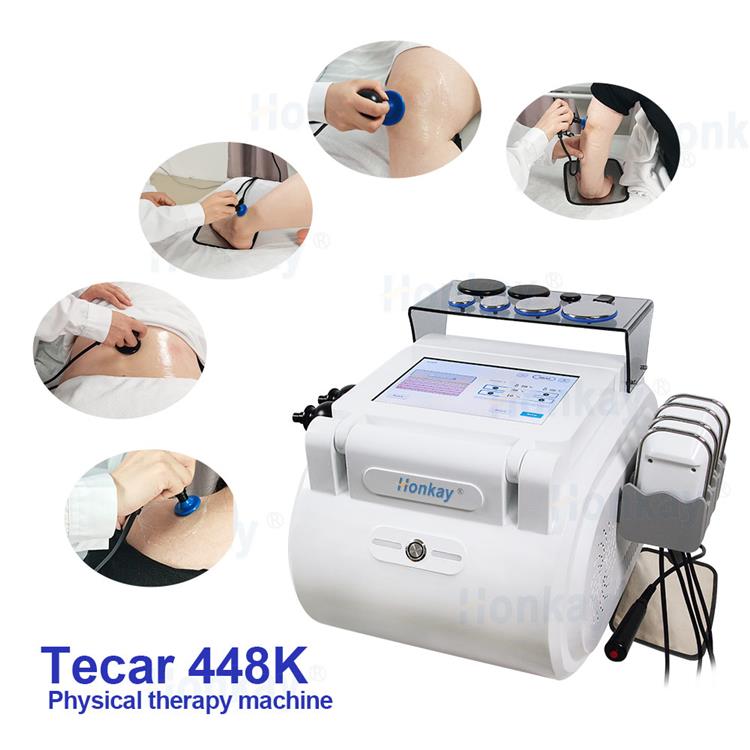
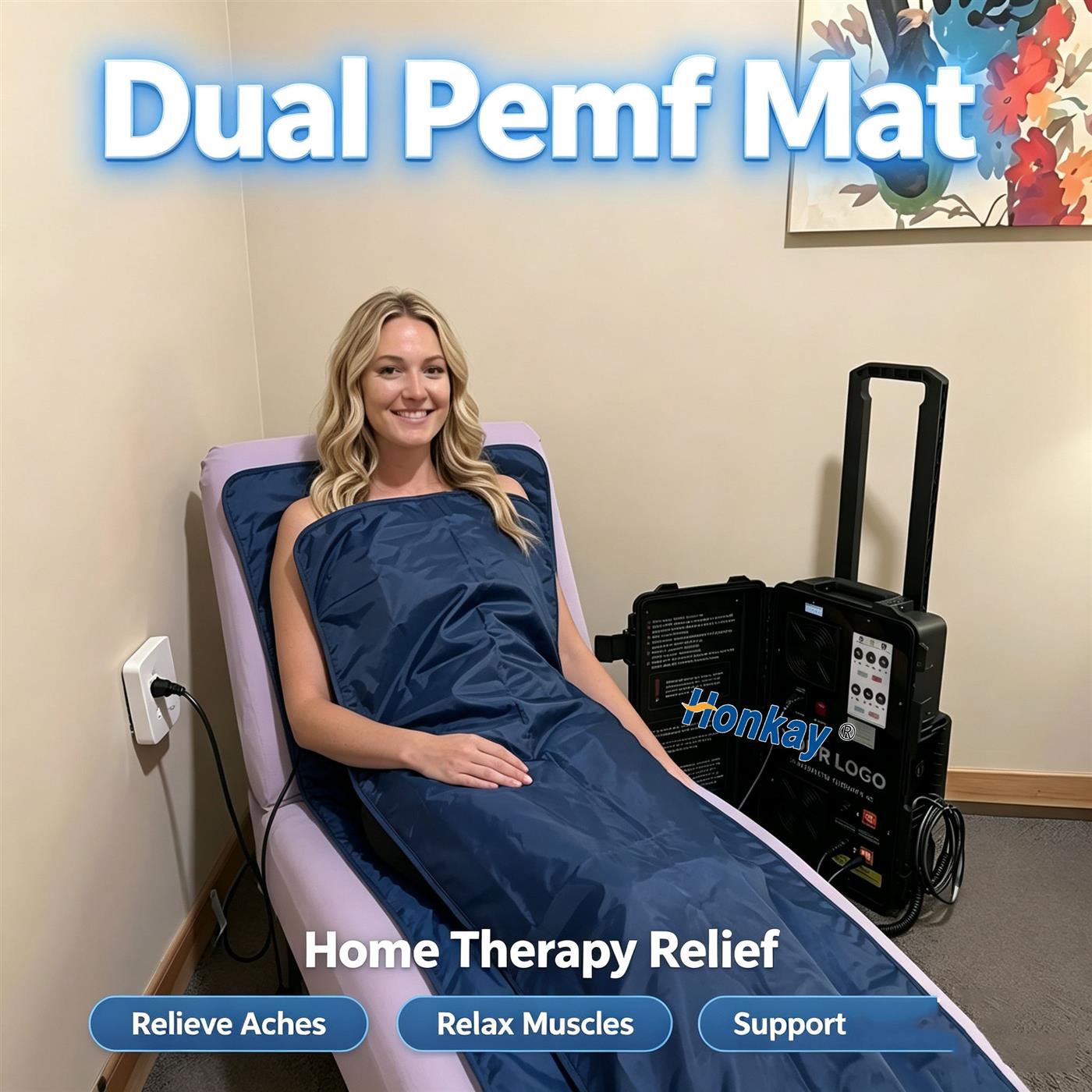
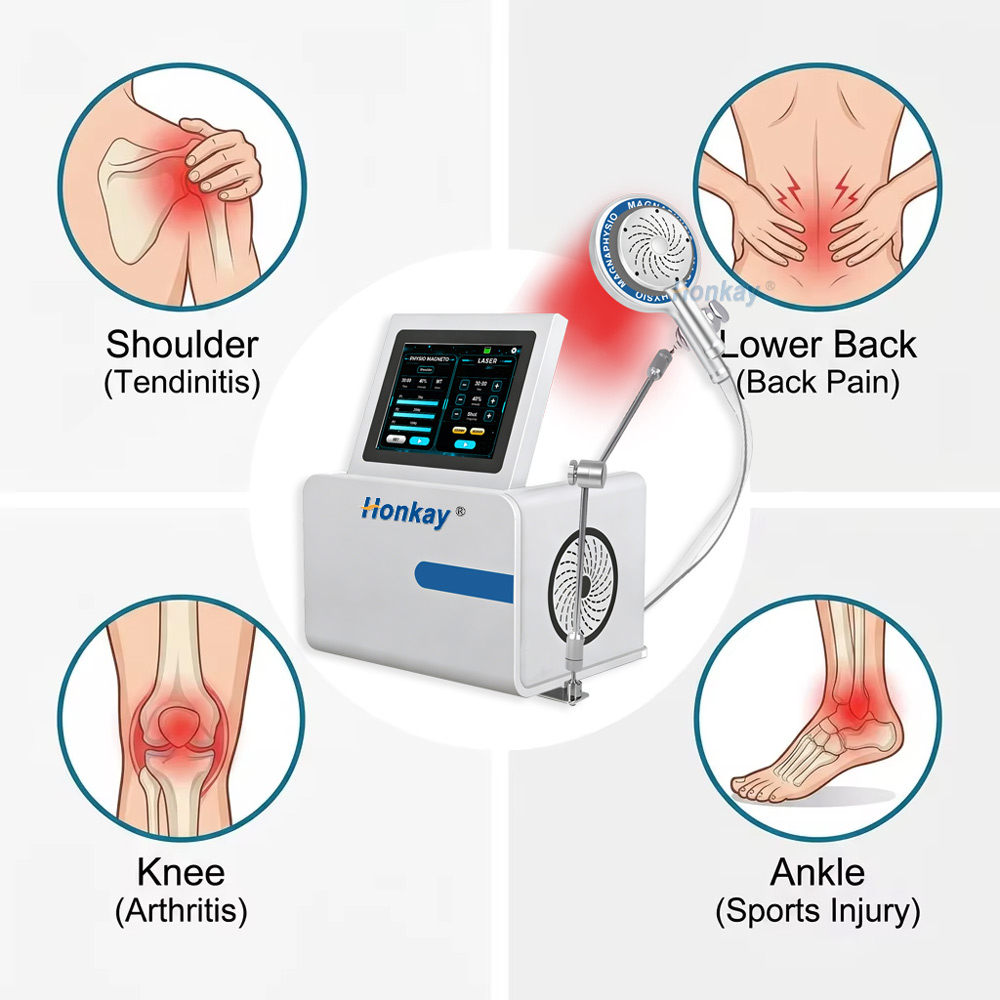
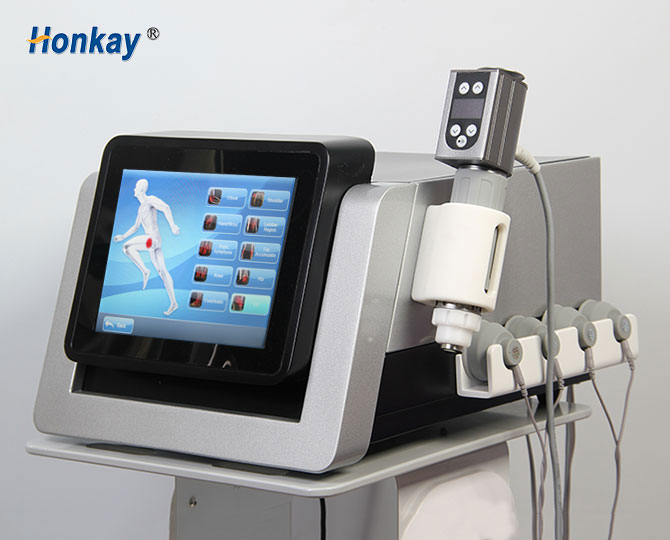
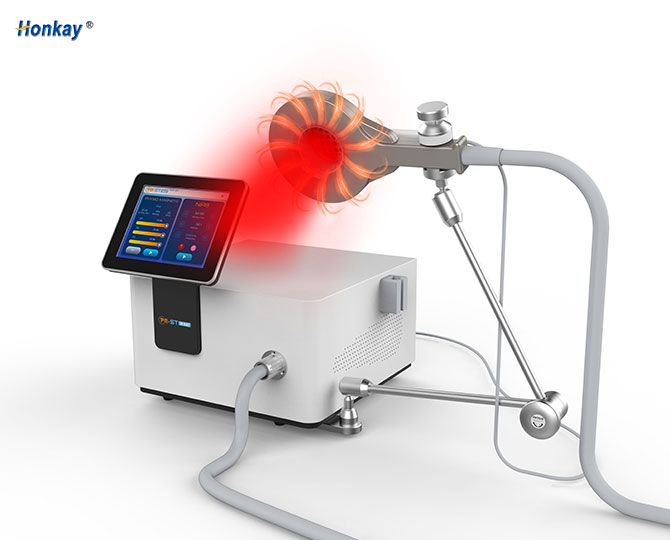
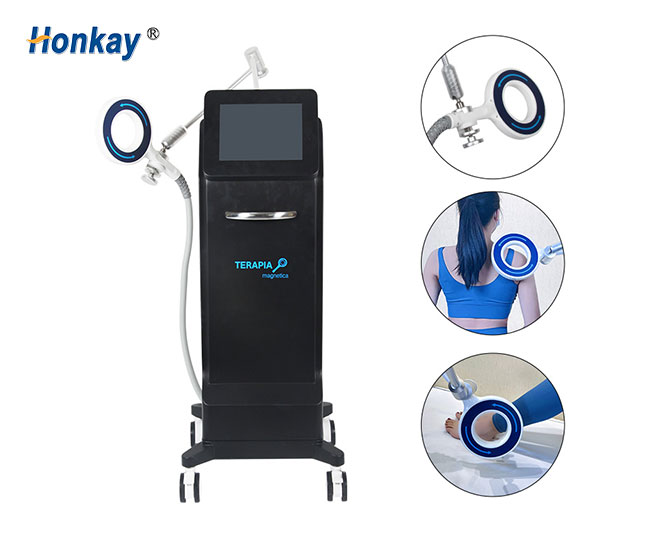
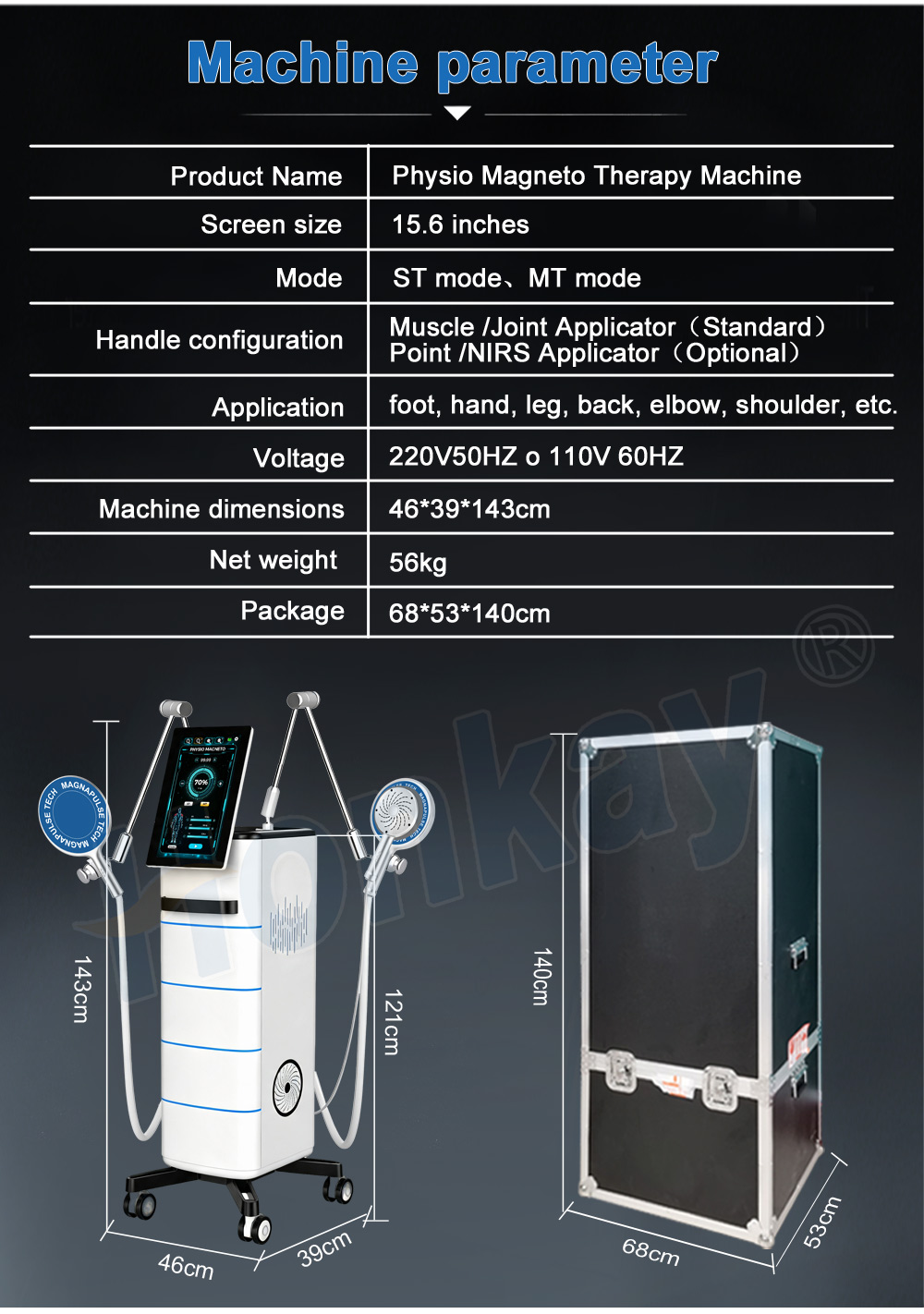
The application map above is the manufacturer’s own list of where this class of applicator is positioned, and it is a useful test when you are shown a demonstration: the applicator should sit over the area being worked on, at a consistent distance, with the support arm holding it rather than a hand. If a machine can only be positioned by hand for the whole session, the delivered field moves with the operator’s hand.
The distance rule that changes what the tissue receives
Manufacturer guidance for this type of applicator is to keep it 1 to 2 cm away from the skin. Because the field falls off with distance, a session run at 4 cm is not the same session as one run at 1 cm, even when the panel shows identical settings. Two practical consequences follow: write the working distance into your protocol, and train every operator to keep it the same from one session to the next.
That is also why a demonstration is worth watching closely. The setting on the screen is only half of what the patient receives; the gap between the applicator and the skin is the other half.
Comparing two quotations line by line
When you line up PEMF therapy devices for sale side by side, the headline intensity figure is the line that tells you least. These are the lines that decide whether two offers are the same product:
| Item to confirm | Why the headline number is not enough |
|---|---|
| Intensity range with its measuring point stated | A figure without a distance is not comparable with anything |
| Which applicator it was measured on | A small applicator concentrates what a large one spreads |
| Pulse modes, with frequency ranges and units | The same console lists different figures per mode |
| Full applicator list with diameters | One applicator is not the same purchase as three |
| Duty cycle and applicator cooling | Decides whether the console runs back to back all day |
| Mains voltage and plug type | Both 220 V 50 Hz and 110 V 60 Hz are built — confirm before shipping |
| Machine and packed dimensions, net weight | Room, doorway and freight planning, before the crate arrives |
| Warranty terms | Written as 24-month warranty from the factory shipment date, with the claim process set out |
What the intensity figure does not tell you
Three things decide whether a console works in your clinic, and none of them appear next to the number.
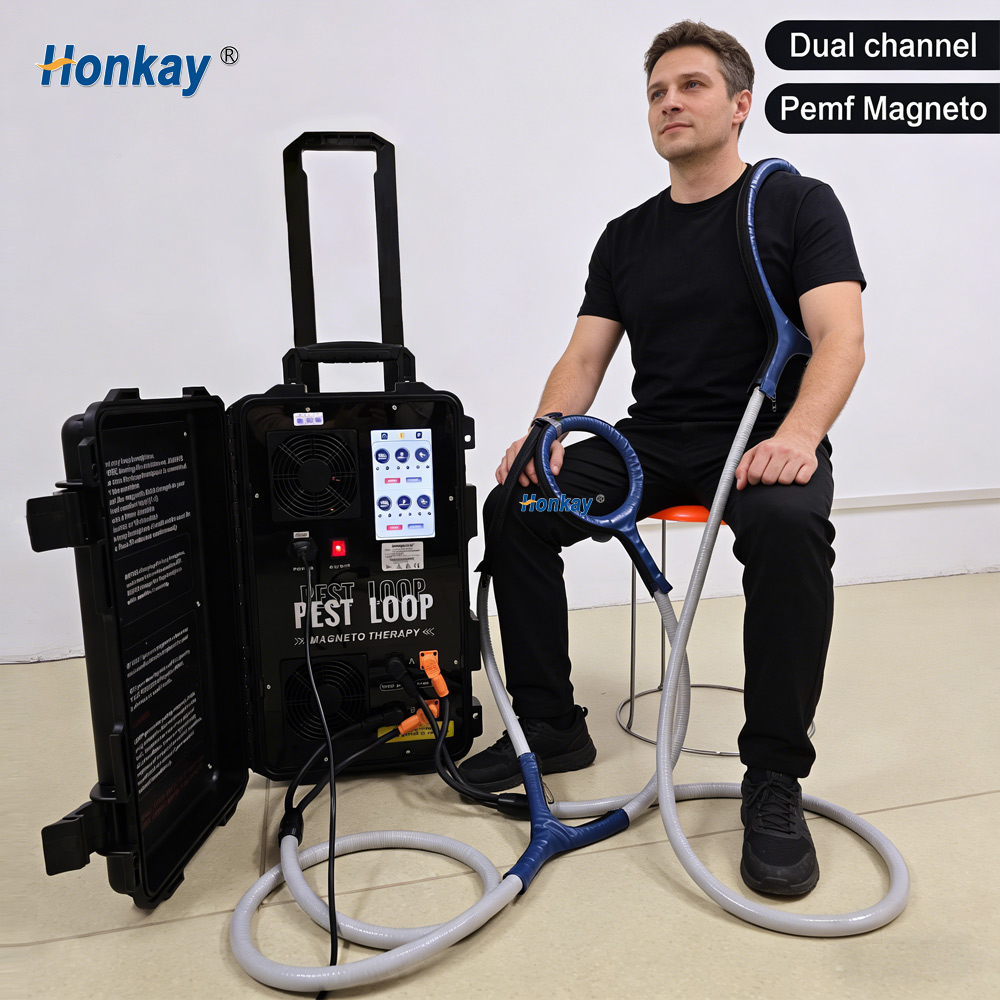
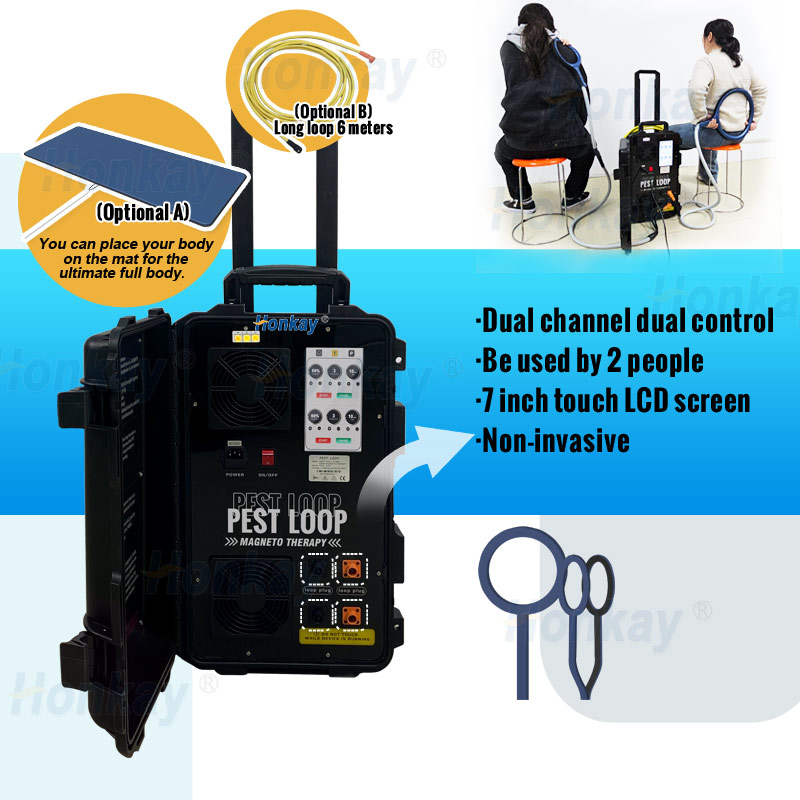
Whether it fits the caseload. A clinic treating two areas per patient on one channel has a different requirement from a clinic where one operator works on two people at once. Intensity has no bearing on that; channel configuration does.
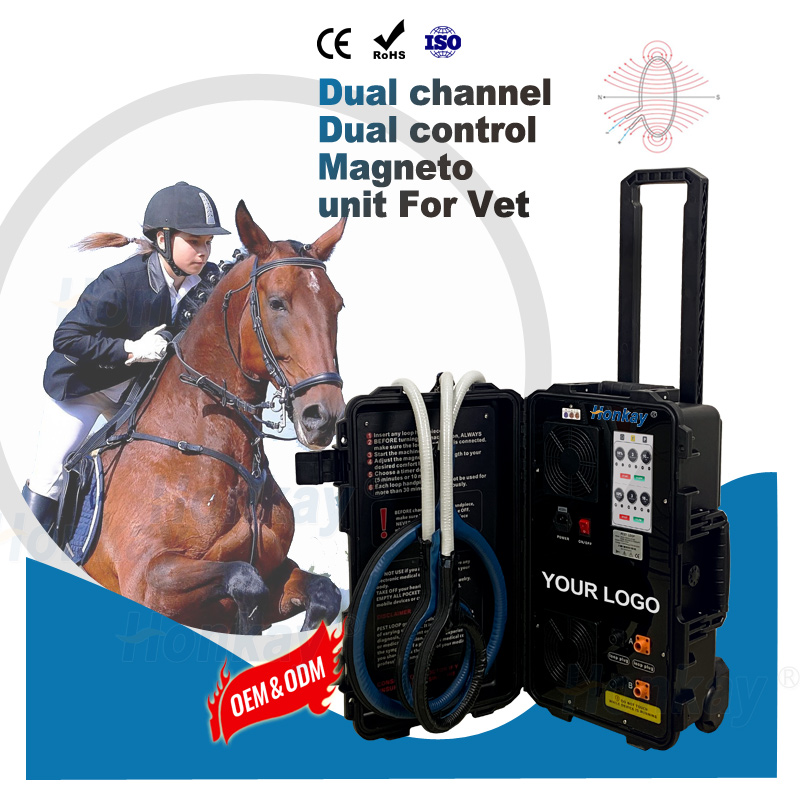
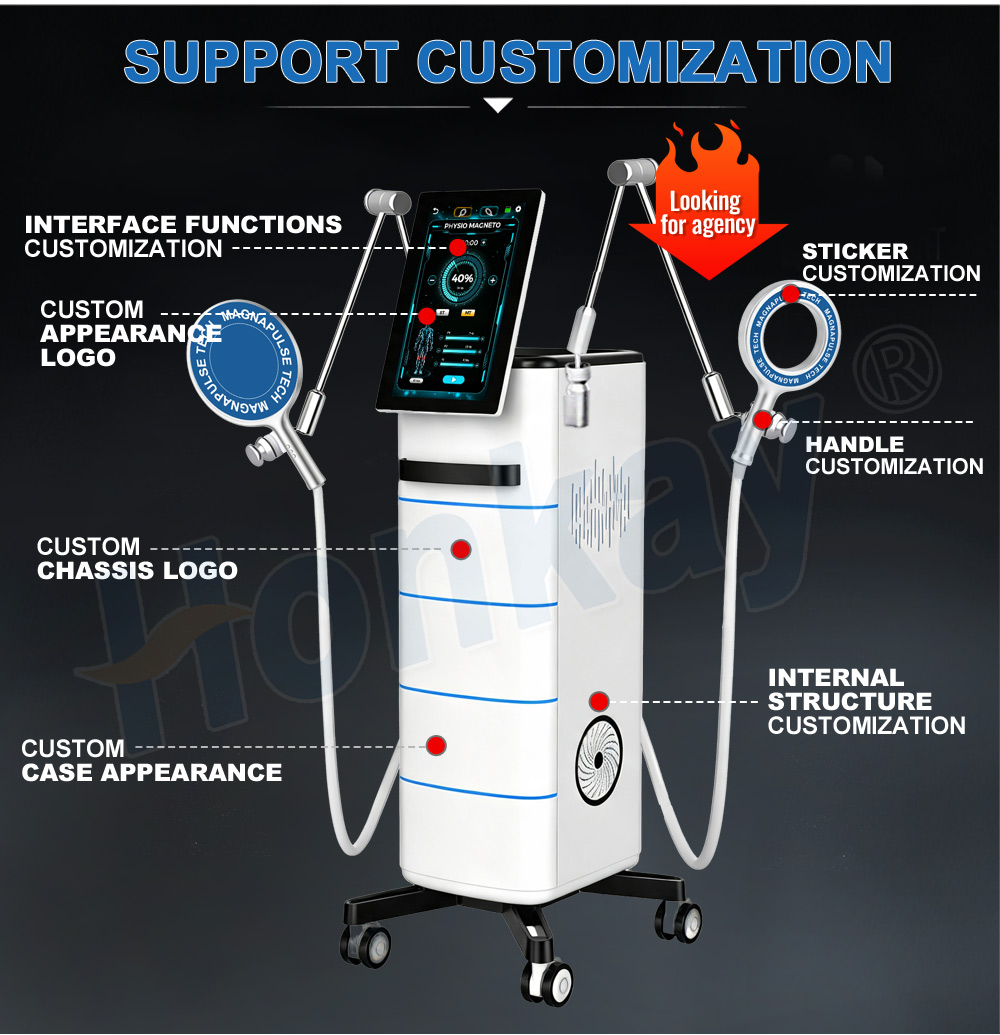
Whether it can carry your branding. If you buy for resale, the delivered unit is part of your product, and interface wording, appearance, logo placement, the handle and the chassis are all points where that is decided.
Who teaches the operators. The number cannot tell you whether a manual arrives in your language, whether training is delivered and by whom, or who answers questions three months after delivery.
Frequently asked questions
What does “high intensity” actually measure?
The strength of the magnetic field the applicator produces. It should always be quoted with the point at which it was measured — at the applicator face or at a stated distance from it — because the two are not comparable with each other.
Is a higher number always better?
No. Above the level your caseload needs, a larger number buys nothing, and the applicator and the working distance change what the tissue actually receives from the same setting. Compare the range and the applicator list, not just the peak.
Why do two machines with the same figure feel different in use?
Different measuring points, different applicators, different pulse modes and different working distances. Any one of them is enough to explain the difference, and a supplier who cannot name the measuring point has not given you a comparable figure.
Should the intensity be quoted per applicator?
Yes. The standard larger applicators spread the field; the optional point applicator concentrates it. Ask for the figure against each applicator in the set.
Does the distance from the skin matter?
It matters as much as the setting. Manufacturer guidance is to keep the applicator 1 to 2 cm from the skin, and the field falls off as the gap grows, so a session run further away delivers less even though the panel is unchanged.
How do I compare PEMF therapy devices for sale?
Put the same lines side by side: intensity range with its measuring point, the applicator it was measured on, pulse modes with units, the full applicator list, duty cycle and cooling, mains requirement, dimensions and weight, and the written warranty terms.
Which is the best PEMF machine for a clinic?
Fit, not peak output: the channel configuration your patient flow needs, an applicator set that matches the areas you work on, a support arm that holds position, and training and spares you can actually reach after delivery.
What should the quotation include?
The specification lines above, the applicator set with diameters, the mains requirement for your country, the training handover, and the warranty terms — 24-month warranty from the factory shipment date, with the claim process written out.
Request a quotation
Send us the areas you work on, how many operators will use the console, and the mains supply in your clinic, and we will come back with the applicator set and the specification lines above filled in — so you can compare our offer with the next one on the same terms rather than on the headline figure.
Manager: Lisa
WhatsApp: +8613751821215
E-mail: hk6@huang-kai.com