Why TECAR Therapy Devices Sit Unused: Six Fixes for a Small Clinic
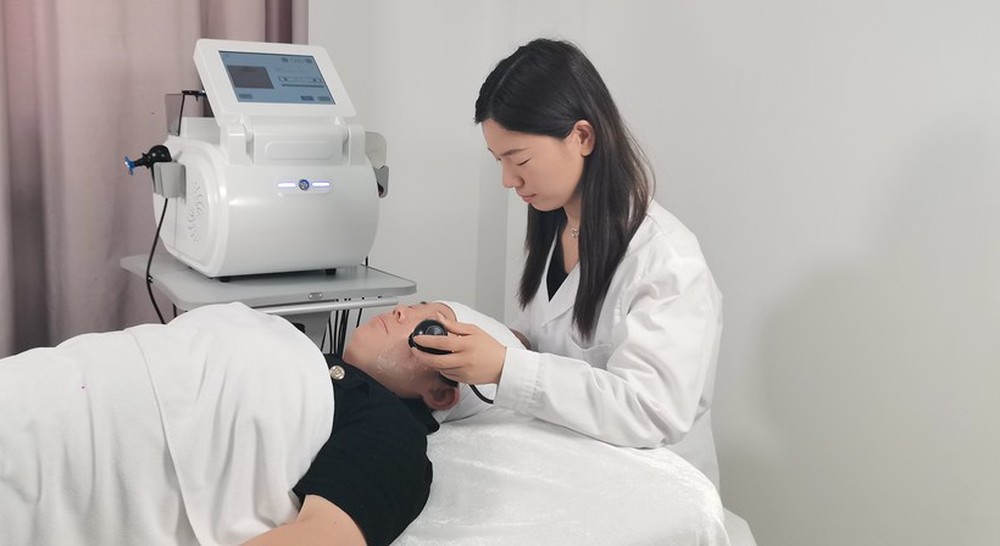
A TECAR unit is an expensive thing to leave in a corner. Yet it happens constantly, and almost never because the machine is wrong. Clinics that buy one, use it for a month and then quietly stop are usually stuck on one of six operational problems — none of which show up in a specification sheet, and all of which are fixable.
This guide is written for the small physiotherapy clinic where one or two people do everything: the six reasons TECAR therapy devices get shelved, the fix for each, and the short list of things that actually matter when you specify one.
The pattern behind a shelved unit
The first month goes well because someone is enthusiastic and the machine is new. Then three things happen together: the enthusiastic person gets busy, the sessions stop being written down, and the results become impossible to demonstrate. Once a clinic cannot show what changed, the device loses its argument against the treatment room it occupies.
Everything below is a way of interrupting that sequence — and it is the same sequence in clinics struggling with TECAR therapy devices of every brand, which is why the fixes are operational rather than technical.
Fix 1: choose the electrode by tissue, not by habit
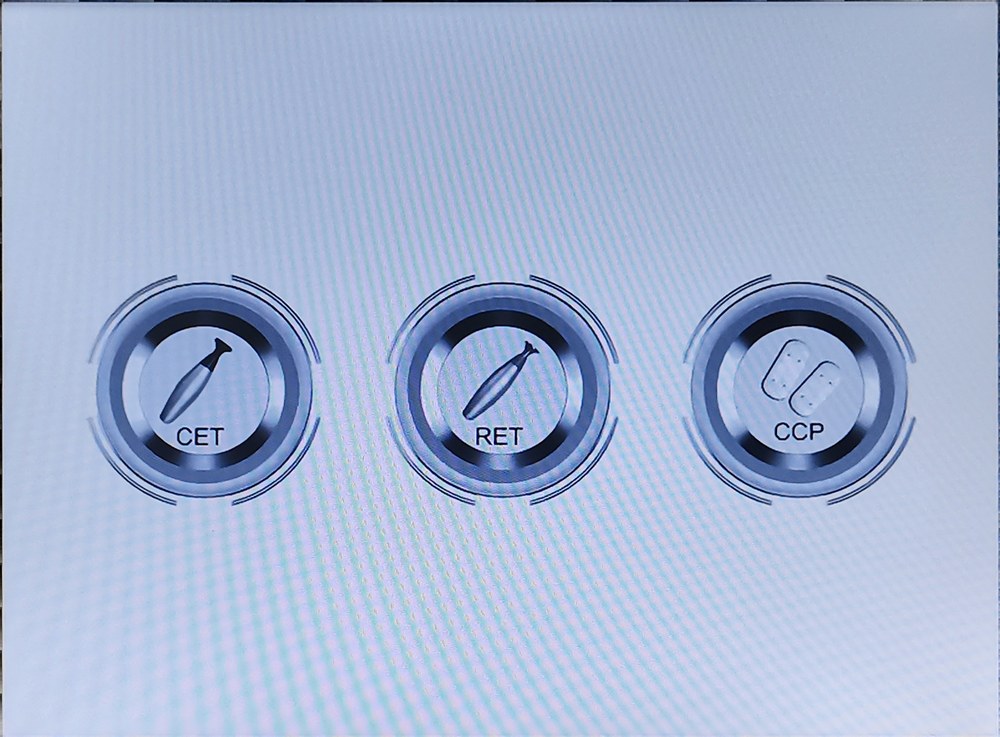
The screen offers three modes, and most clinics settle on one and never move. That is the single most common reason sessions feel identical regardless of what is being treated.
The three are not interchangeable, because they load the current differently:
| Mode | Electrode type | Where the energy concentrates | Typical use |
|---|---|---|---|
| CET | Insulated capacitive plate | Wider, more superficial volume | Broad areas, larger muscle groups |
| RET | Bare resistive electrode | Higher-impedance tissue — tendon insertions, bone surfaces | Focal work on dense tissue |
| CCP | Capacitive contact plate | Through a plate held or strapped in place | Hands-free or long, low-attention sessions |
Note the label: this build calls the plate channel CCP on screen, while other units in the same family label it PAD. Same idea, different firmware label — worth confirming on the actual unit you receive rather than assuming from a brochure.
The fix: write the three modes on a card and tape it to the machine, with one sentence each on when to use it. Operators default to what is in front of them.
Fix 2: treat the contact as the treatment
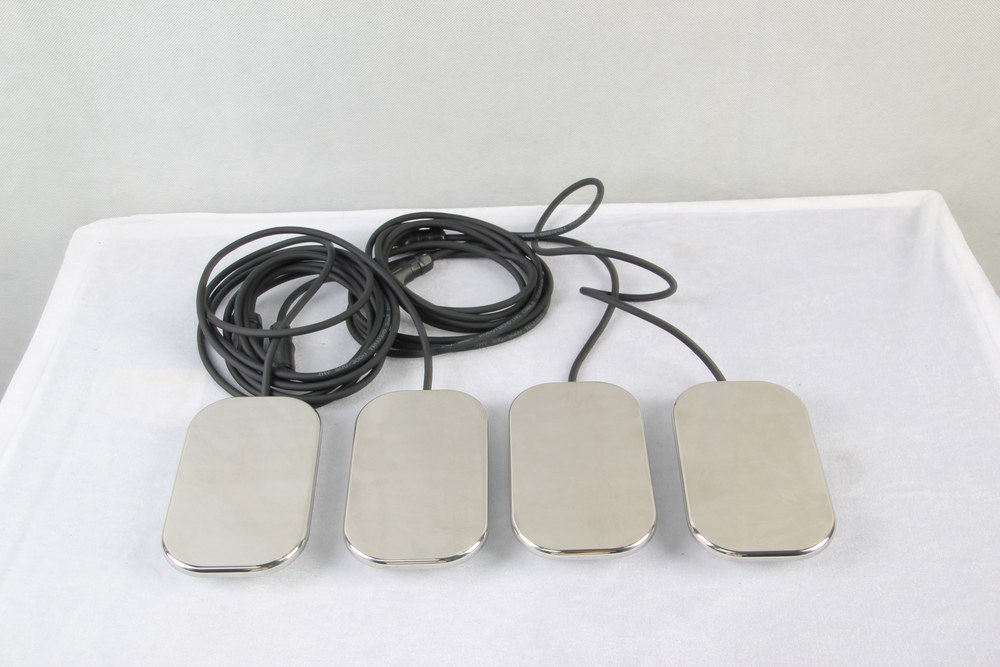
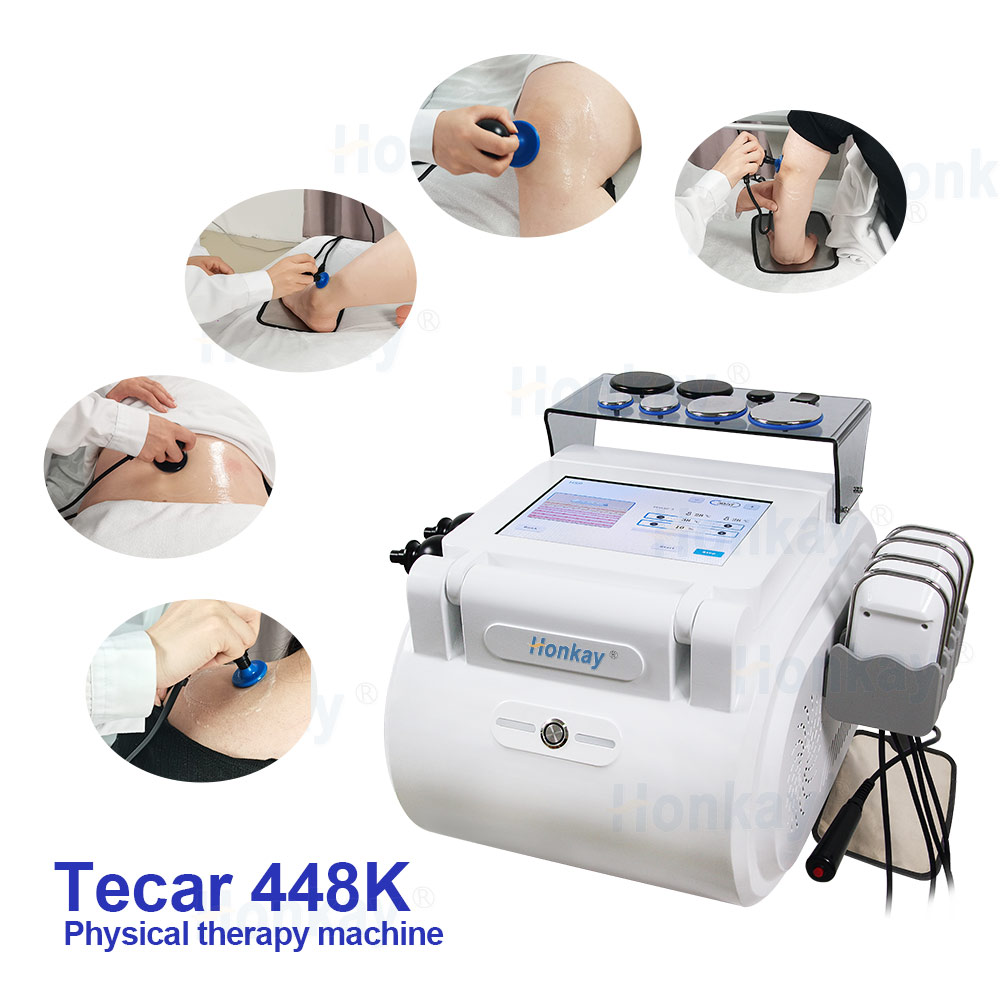
Radiofrequency at 448 kHz needs a continuous path. A partial lift, a dry patch, or a plate positioned over a bony ridge instead of muscle changes the load, and the operator feels it as “the machine is weak today”.
Three habits that prevent most of it:
- Move slowly and continuously. A stationary handpiece concentrates energy in one spot; a moving one spreads it.
- Keep the coupling medium in place. Whatever medium the supplier specifies, the electrode should glide rather than drag.
- Check plate placement before starting, not after the patient says something feels uneven.
The fix: build a thirty-second pre-start check into the routine — electrode seated, medium applied, cable clear of the body, patient comfortable.
Fix 3: write the protocol down
A protocol is not a treatment philosophy, it is four numbers and a name: mode, energy level, duration, and which electrode was used. If those five facts are not written down, every session restarts from zero and no two operators can reproduce each other.
Keep one page per area treated. Four lines is enough, and it turns a vague impression into something a colleague can repeat on a different day.
Fix 4: use the feedback the handle already gives you
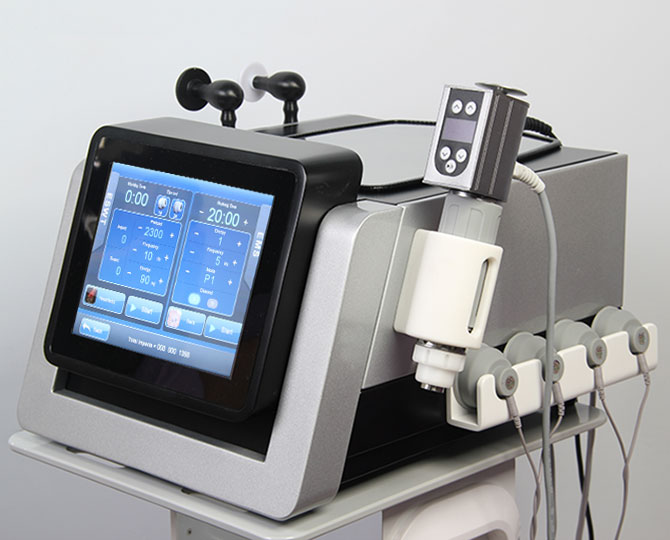
The digital handle on this class of device reports temperature and counts pulses. Both are useful and both are usually ignored.
- Temperature tells you whether energy is going in or the electrode is merely warm on the surface.
- Pulse count accumulates, which makes it a rough wear indicator and a session record in one number.
The fix: note the temperature at two points in the session — a few minutes in, and near the end. Two numbers turn “it felt warm” into a datapoint.
Fix 5: one training session is not training
Most clinics train once, at installation, with the person who happened to be free. Six weeks later a different therapist uses the machine with a half-remembered routine.
The fix: a short competency check, not a course. Have each operator run one session on a colleague while someone reads the protocol aloud. If they cannot follow the page, the page is wrong.
Fix 6: record enough to demonstrate change
Clinics lose faith in a device because they cannot answer “is this helping?” at the review. Five fields per session solve it: date, area, mode and settings, duration, and the patient’s own one-line comment.
You are not building a study. You are building the ability to look back over ten sessions and see a direction.
What a small clinic should actually specify
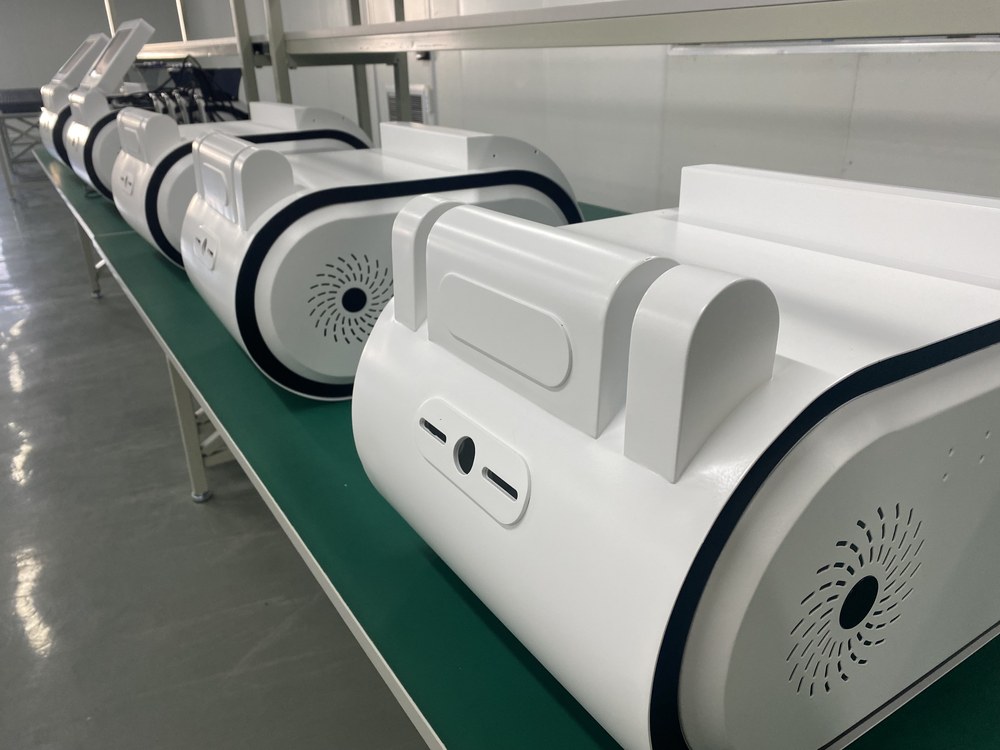
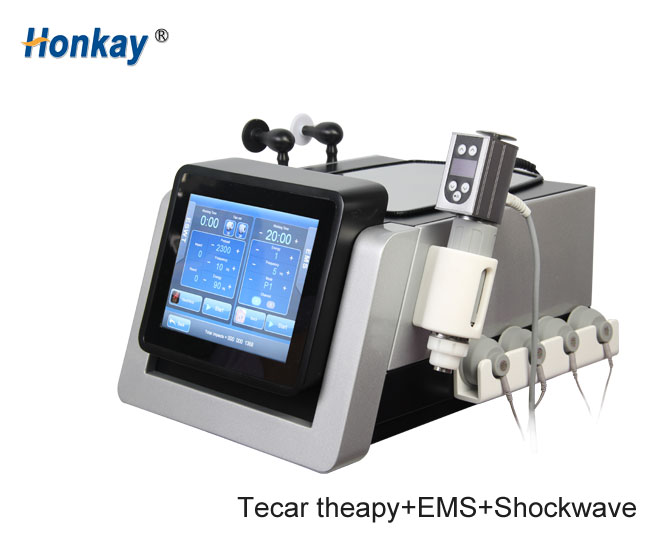
When you compare devices for a single-room practice, these are the requirements that change day-to-day use — not the numbers on the front of the brochure. In practice, the best TECAR therapy device for a small physiotherapy clinic is the one that ships with all three electrode modes and a protocol page someone actually follows:
| Requirement | Why it matters in a small clinic | What to ask |
|---|---|---|
| All three electrode modes present | A single-mode unit forces every treatment into one shape | Can I see the mode screen? |
| Handpiece feedback | Temperature and pulse count are your only in-session data | Does the handle display both? |
| Footprint | Bench or trolley space is the scarcest resource | Unit and carton dimensions |
| Session length | Determines how many appointments fit a day | Typical minutes per area |
| Electrode durability | Plates and cables wear before the console does | Replacement price per plate |
| Training handover | One operator must be able to teach the next | What is included at handover |
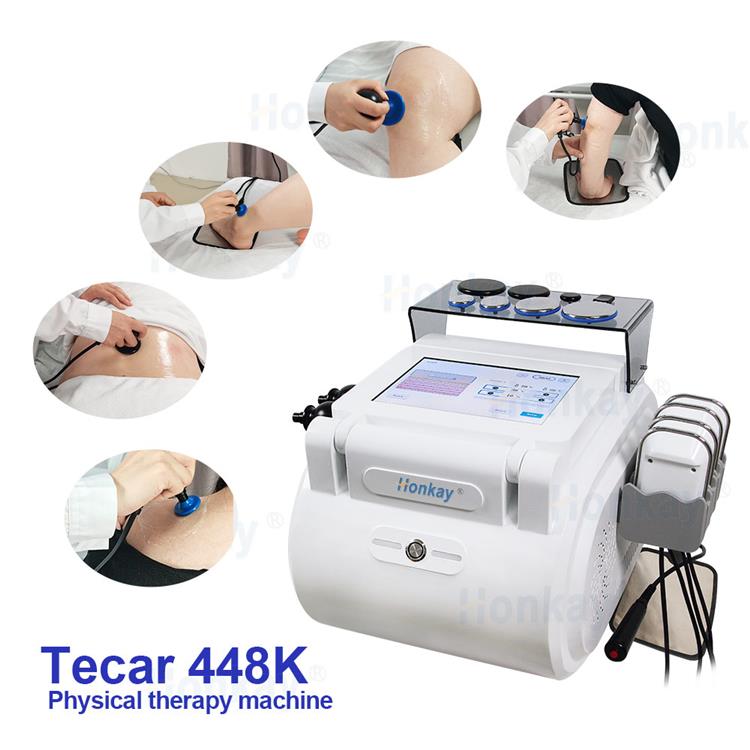
On this platform the working figures are 448 kHz, a unit of 47 × 60.5 × 37 cm in a carton of 45 × 50 × 62 cm, sessions of around 20 minutes per area, and a course typically running to five to ten sessions. The range carries a 24-month warranty from factory shipment.
Starting over with a shelved unit
If your unit is already in the corner, the recovery is not a new machine. It is one week of doing the six things above with a single patient and writing down what happened. Most clinics find the device was never the problem.
Frequently asked questions
Why do clinics stop using TECAR devices?
Almost always operationally: one electrode mode used by habit, no written protocol, no session record, and no way to show change at review. The device itself is rarely the cause.
What is the difference between the CET, RET and CCP modes?
CET uses an insulated capacitive plate and works over a wider, more superficial volume; RET uses a bare resistive electrode and concentrates on higher-impedance tissue such as tendon insertions and bone surfaces; CCP is a capacitive plate used in place, often hands-free.
Should I use one electrode for everything?
No. Using a single mode for every area is the most common reason sessions feel the same regardless of the complaint.
How long is a TECAR session?
Around 20 minutes per area on this platform, with a course typically running five to ten sessions depending on the area.
Do I need to record sessions for a single-therapist clinic?
Yes, and five fields are enough: date, area, mode and settings, duration, and the patient’s own comment. Without them you cannot demonstrate change at review.
What should a small clinic check before buying?
All three electrode modes, handpiece temperature and pulse feedback, unit and carton footprint, typical session length, replacement price of plates and cables, and what training is included.
Does the machine require consumables?
It requires a coupling medium as specified by the supplier. Electrode plates and cables are durable parts rather than single-use consumables, so ask for their replacement price.
What is the warranty term?
24 months from the factory shipment date on this range. Confirm the claim route before ordering.
About Honkay
Honkay has manufactured physiotherapy and aesthetic equipment since 2005 — TECAR and radiofrequency platforms, pulsed electromagnetic field systems, shockwave units and pressotherapy — assembling and testing in-house before packing. Units are supplied to clinics, distributors and OEM buyers, with a 24-month warranty from factory shipment.
Send us the problem, not the order
If your current unit is underused, describe the room, the patients and how the device is being used now. The Honkay team will reply with what to change on the device before anyone talks about replacing it.
- WhatsApp: +8613751821215
- E-mail: hk6@huang-kai.com
- Manager: Lisa
This device is intended for adjunctive use alongside professional care, not as a replacement for diagnosis or treatment. Suitability should be confirmed with a qualified clinician; individual experience varies.