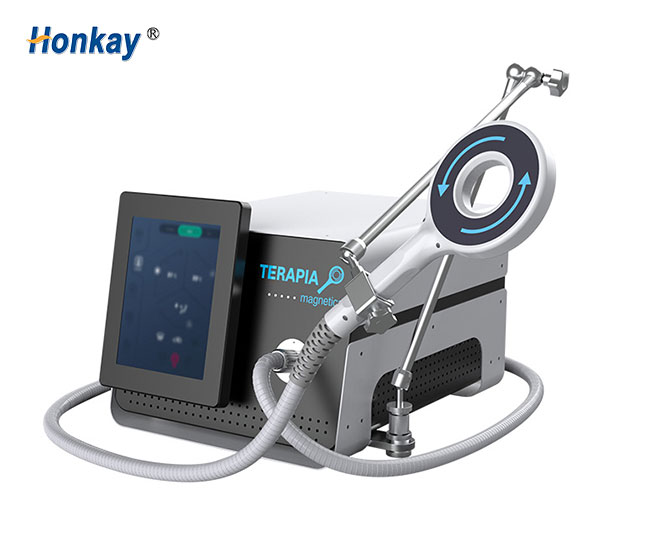
Portable Shockwave Therapy Machine: Heads, Gel and What Wears First
A portable shockwave therapy machine is bought as a capital item and then run on consumables. The heads, the coupling gel and the cable are what the clinic actually spends money on after the invoice is paid — and they are the parts that decide whether the unit still performs in year three.
This guide covers the wear side of ownership: which parts of the kit are consumable, what to stock from day one, the checks that catch a failing head early, and how a warranty claim actually runs.
Seven heads are seven wear surfaces
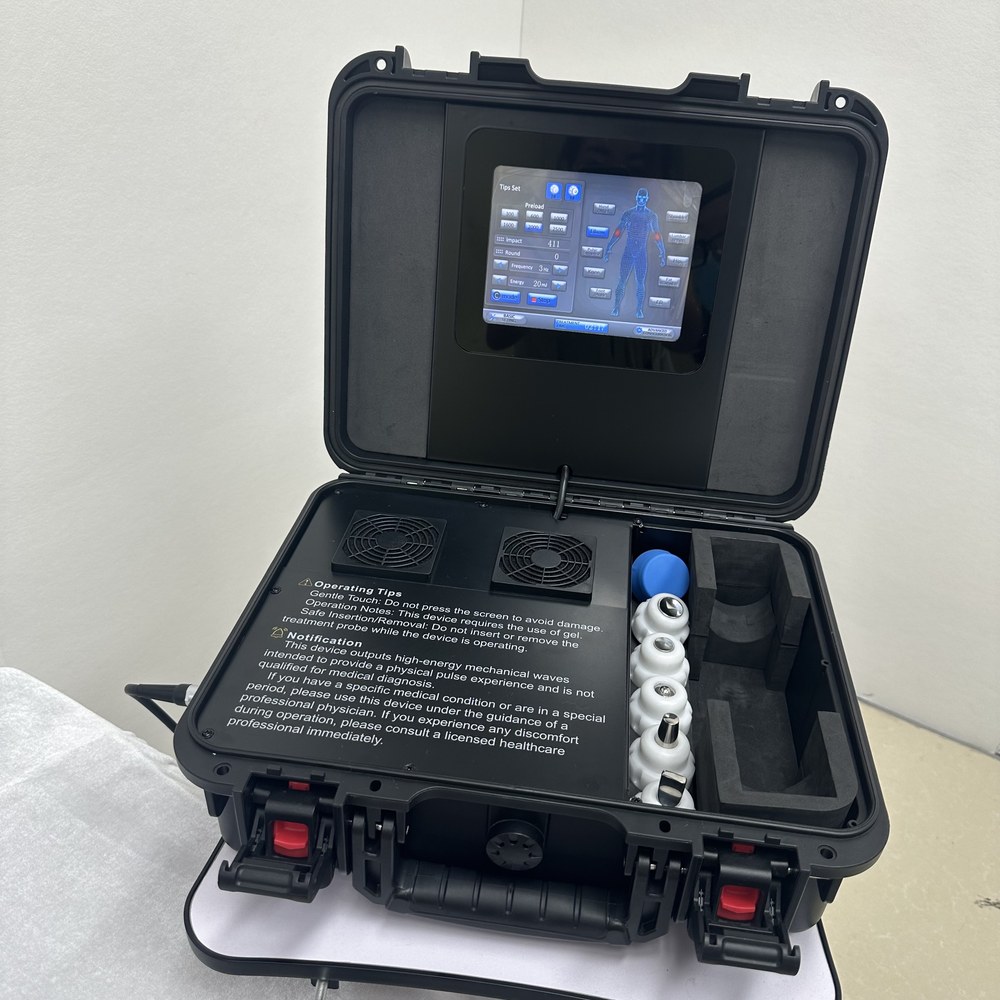
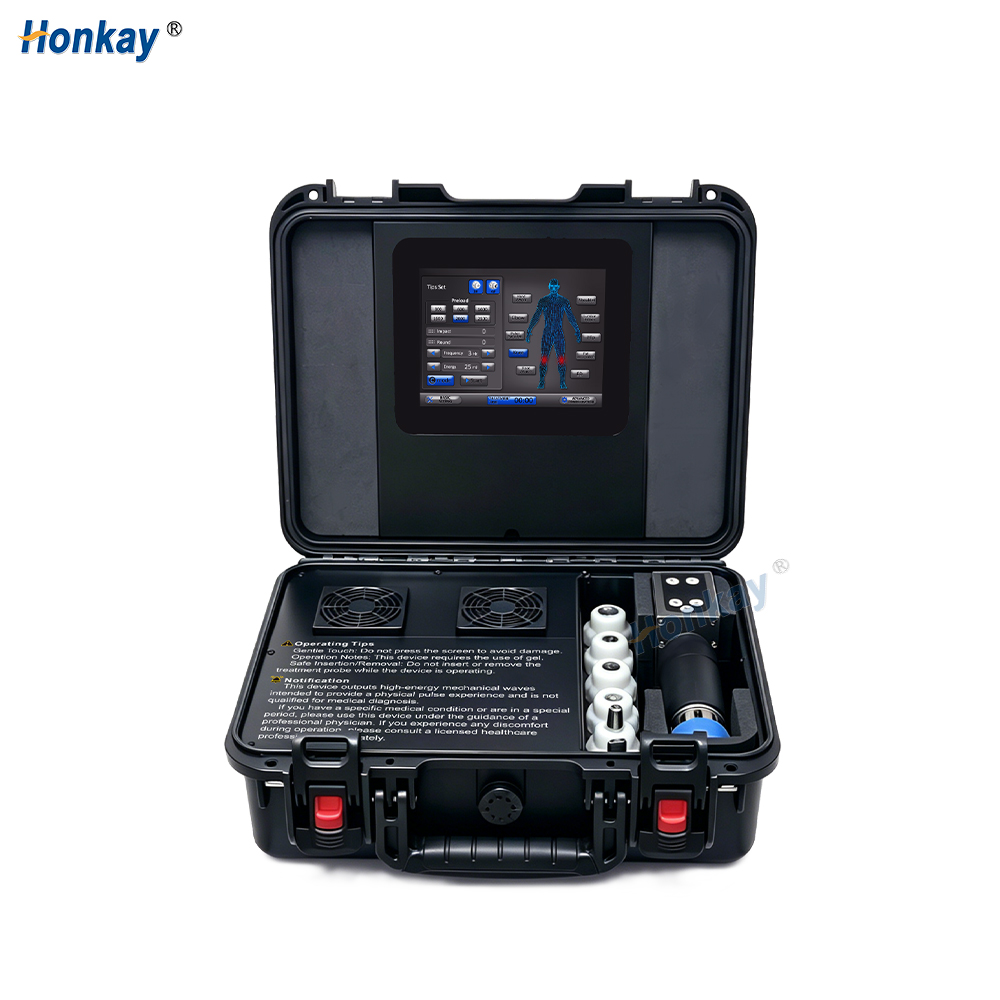
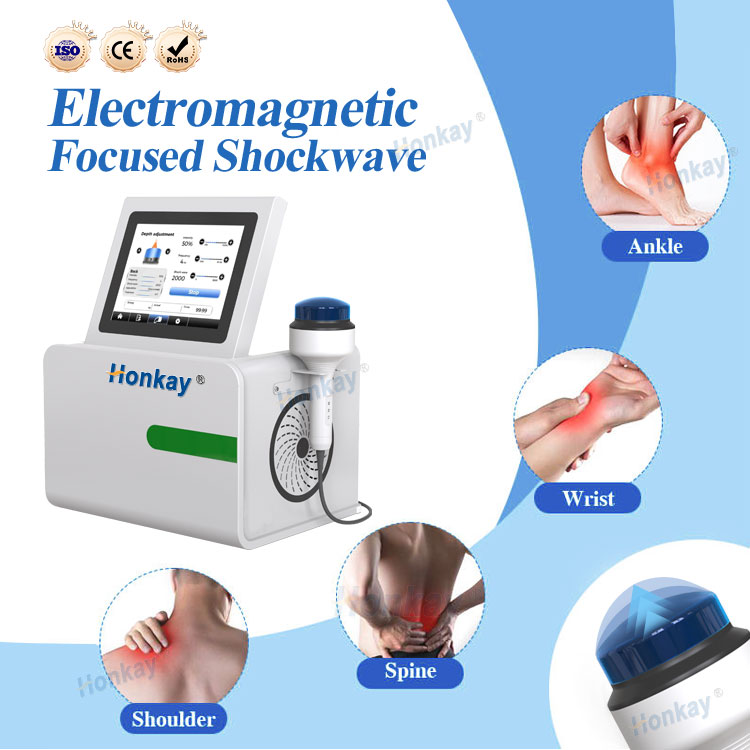
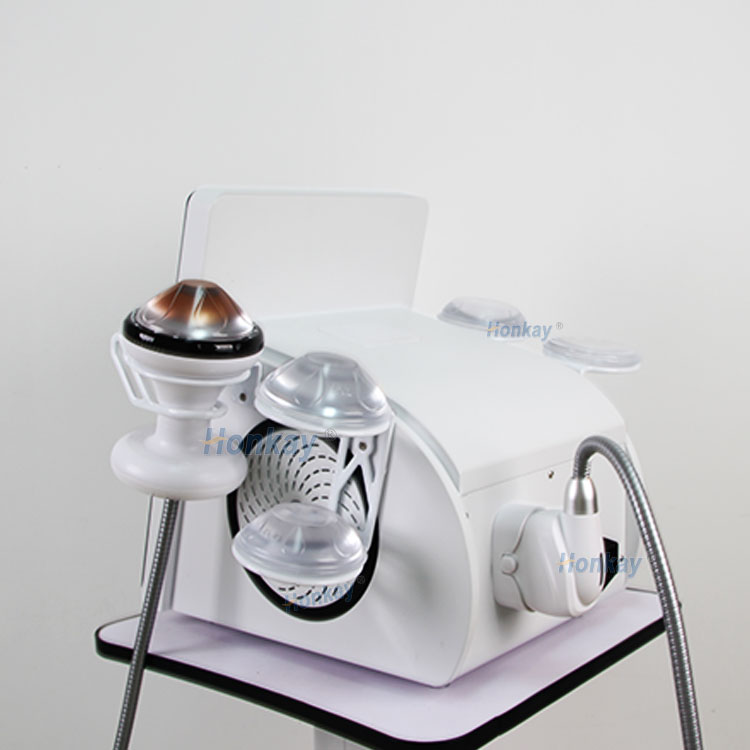
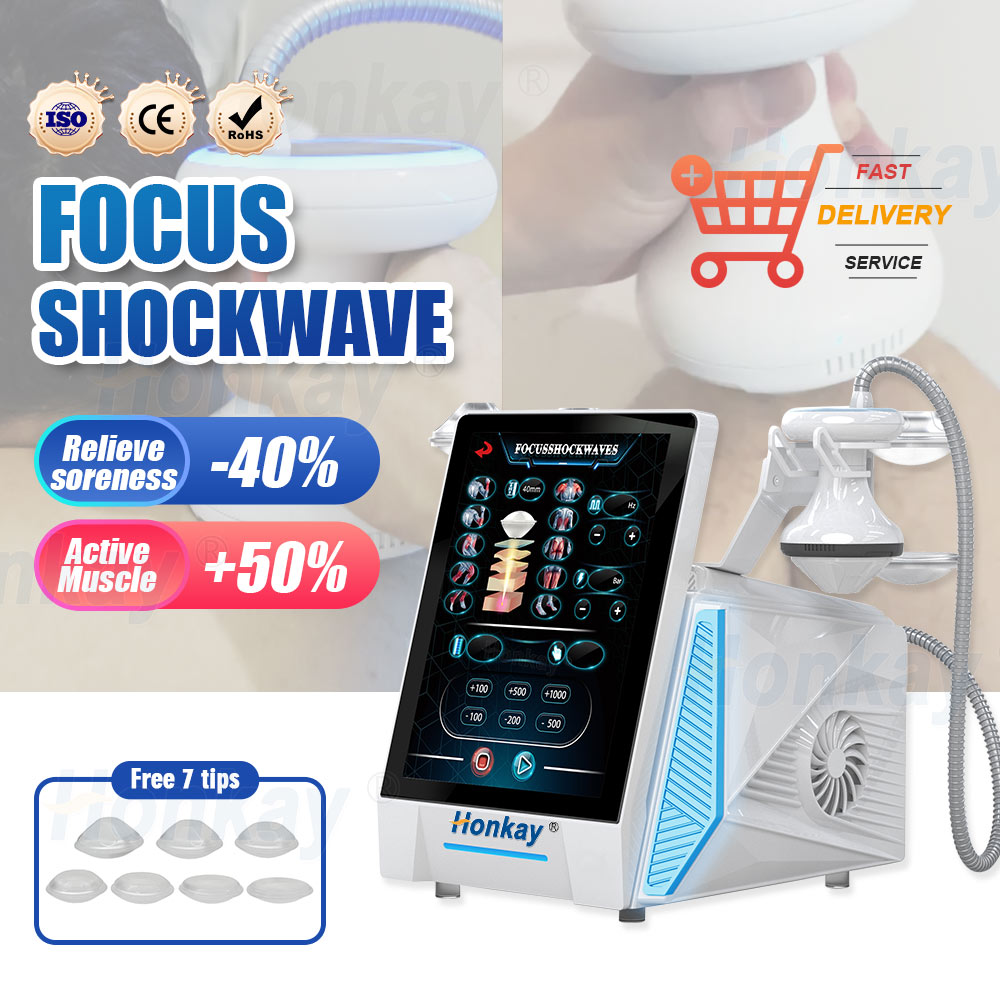
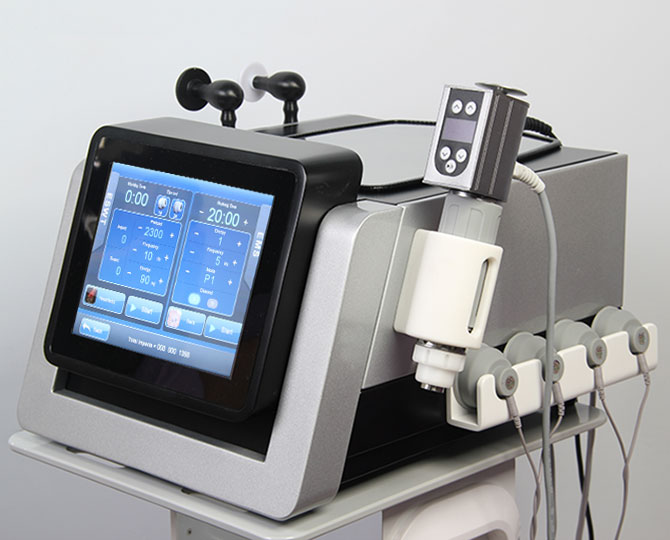
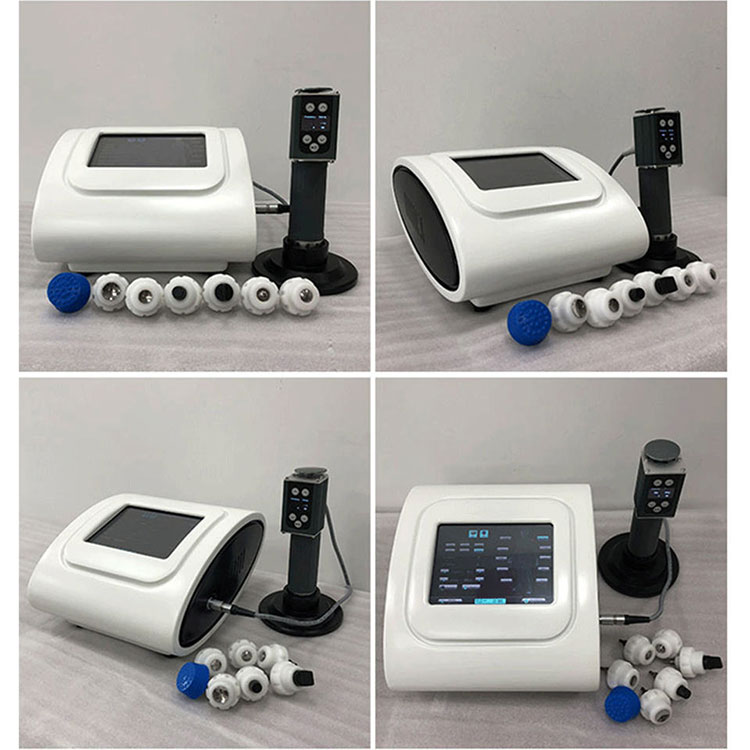
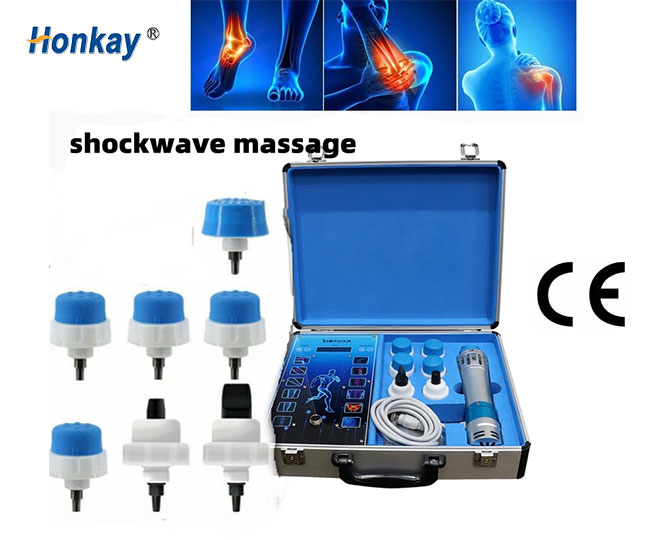
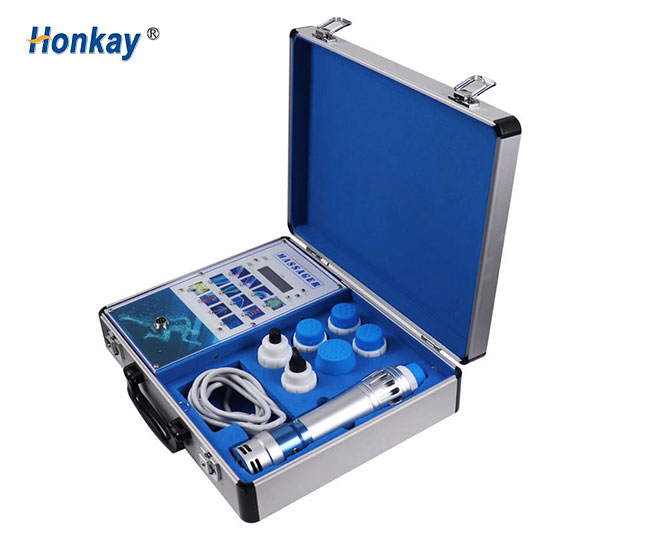
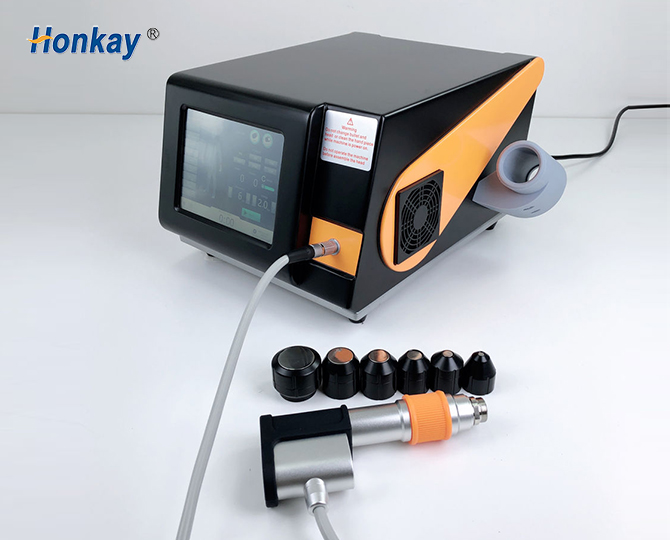
The kit carries seven treatment heads. They are not spares of one another — each is a different working face, and each one is a separate wear surface that touches gel, skin and cleaning fluid.
Two of the seven are supplied for a separate application that this article does not cover; ask the team directly if that is part of your plan. The other five carry the general musculoskeletal work.
Two consequences follow, and both matter commercially:
- Wear tracks usage, not time. The head you use on every patient wears out while four others sit untouched. Track which head you reach for, and stock that one.
- A worn head is invisible on the panel. The machine will still count impacts and fire at the set energy. Nothing on the screen tells you the face has degraded — only inspection does.
Gel is the consumable nobody budgets for
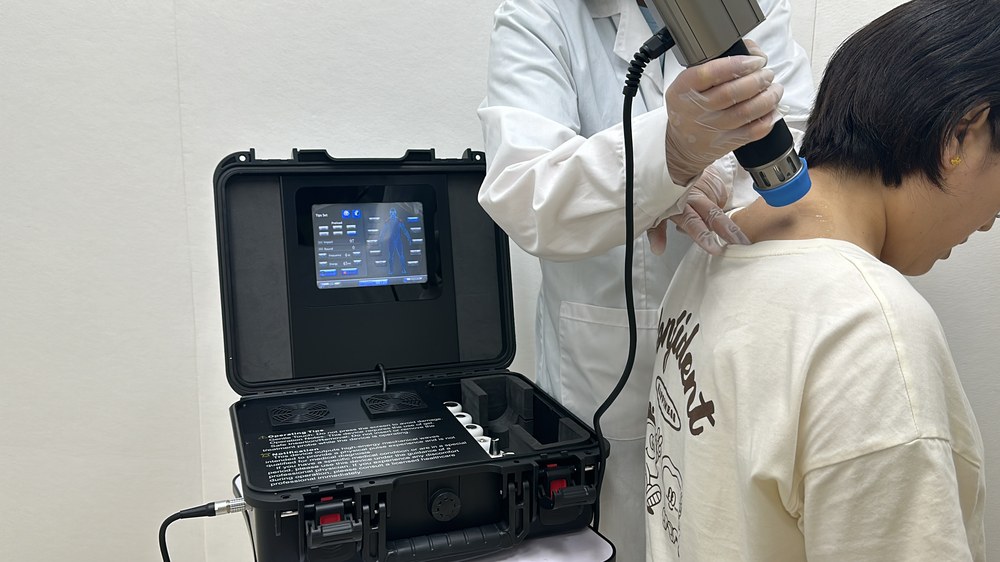
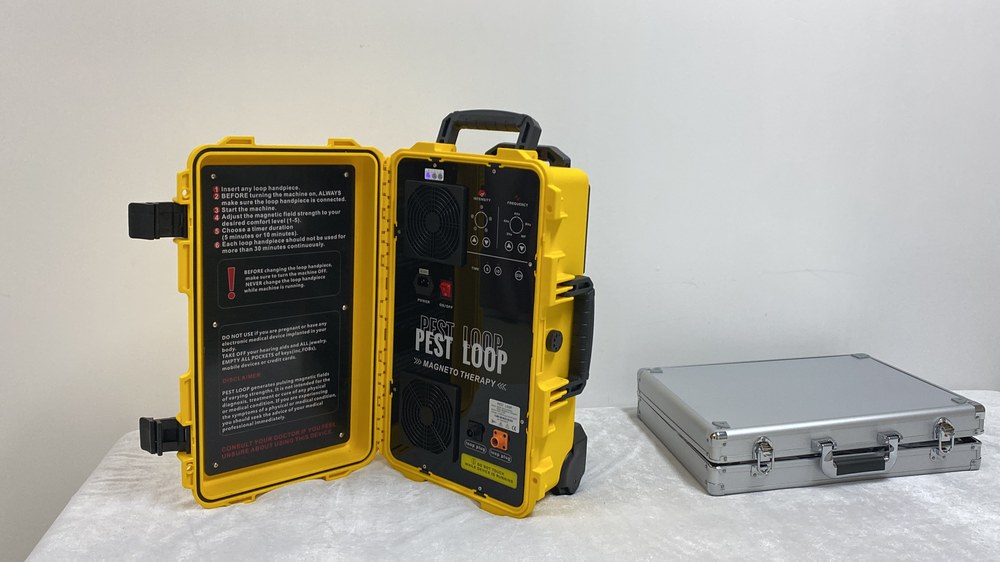
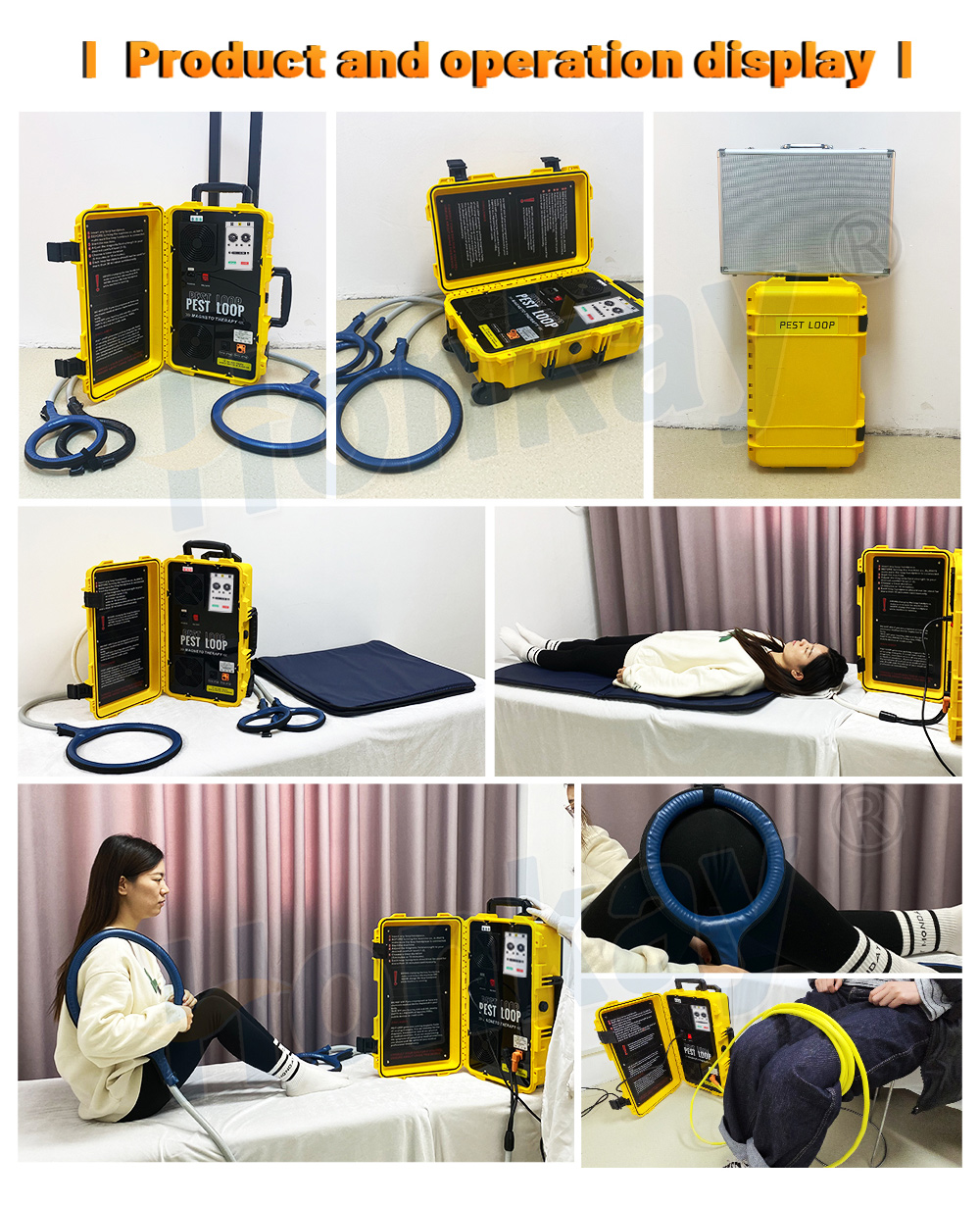
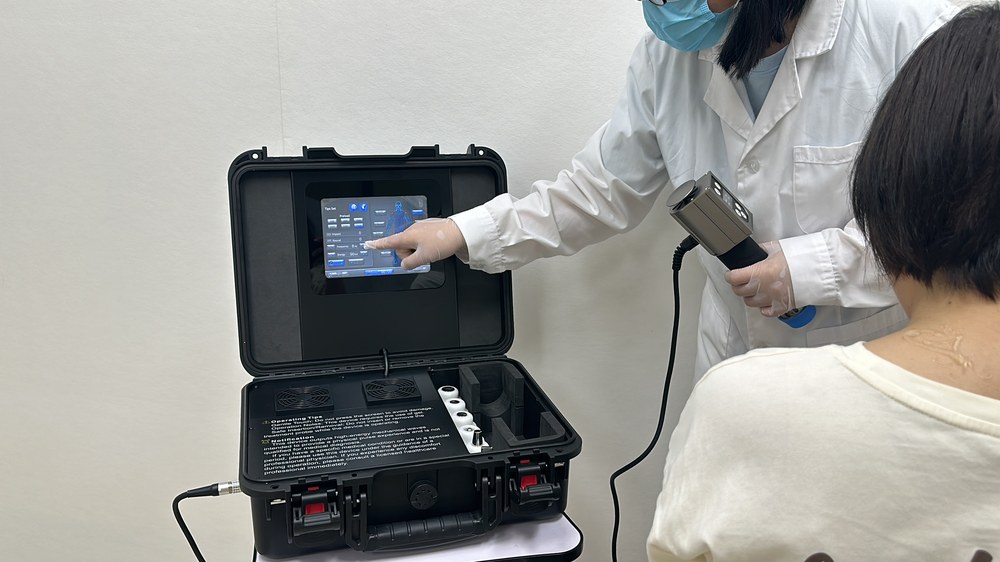
The printed panel on the inside of the case states plainly that operation requires the use of gel. That makes gel a recurring cost with three practical consequences:
- Buy it by the case, not by the tube. A clinic running several sessions a day will empty small tubes faster than expected, and the temptation to “make it last” produces exactly the dry interface that ruins a session.
- Reapply, do not top up. Gel thins out over a treatment area. A second application mid-session costs less than a session delivered through a drying film.
- Clean it off the head, not just the patient. Dried gel on the coupling face hardens and holds the head off the skin next time.
The printed rules on the panel
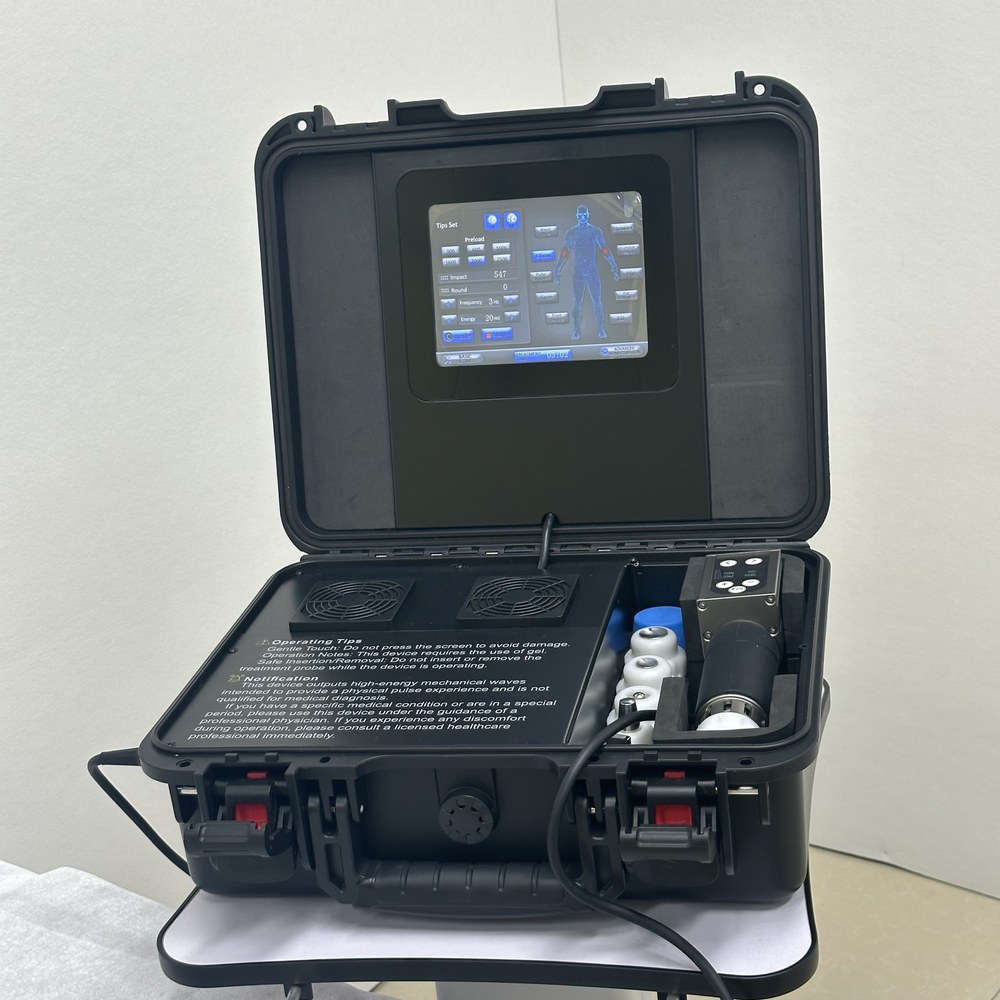
The case interior carries the operating rules, and four of them are worth repeating because they are the ones people break:
- Do not press the screen to operate the unit — it is a display, and pressure damages it.
- Operation requires coupling gel.
- Do not insert or remove the treatment head while the device is operating. Power down before changing heads.
- The device outputs high-energy mechanical waves and is not intended for medical diagnosis; if a patient has a specific medical condition or is in a special period, use it under professional guidance and stop if they report discomfort.
Rule three is the one that shortens head and cable life. A head swapped mid-session is a head swapped with the coil still live.
The stock list to order with the machine
Ordering consumables with the machine is cheaper than ordering them after a failure, because the second order carries express freight and lost clinic days. A sensible first order:
| Item | Why it belongs in the first order | Quantity guide |
|---|---|---|
| Coupling gel | Required for every session | A case, not a tube |
| One spare head of your most-used size | The highest-wear item in the kit | 1 per busy head |
| Spare head cable | Fails at the strain relief, not the middle | 1 |
| Head O-rings or seals, if specified | Cheap, and a leak ends the session | Per supplier pack |
| Cleaning wipes, non-alcohol | Gel and sweat removal after each session | Monthly box |
| Printed panel photograph | The only copy of the rules you control | File it once |
That last row is not a product. The instruction panel fades, and a photograph in the clinic folder is the only durable copy of the operating rules.
What fails first
In order of likelihood, based on how the parts are used:
- The head face. Pitting, crazing or a polished flat spot where it contacts skin. Coupling degrades before output does, so the session feels weaker while the panel reads normally.
- The cable at the handpiece. Constant flexing at one point. A visible crack in the boot means replace, not monitor.
- The head seat. Gel residue in the collar prevents full seating, and a partly seated head delivers energy at the interface instead of at depth.
- The case seal and hinges. A portable unit is carried, and a case that no longer seats squarely is being carried badly.
Three checks, once a month
| Check | Pass condition | If it fails |
|---|---|---|
| Head face, all seven | Smooth, uniform, no pitting or flat spot | Retire that head; do not “use it up” |
| Cable boot at the handpiece | No crack, no exposed conductor | Replace before the next session |
| Head seat and collar | Full seating, no wobble, no dried gel | Clean; replace the seal if it recurs |
| Fan intake | Free of lint and dust | Clear it — a blocked intake is the usual cause of overheating |
| Case seal, hinges, latches | Closes squarely, latches hold | Repair the case before the next trip |
Running a warranty claim
The range carries a 24-month warranty from factory shipment, which is the date to check on the paperwork rather than the date the box arrived. When something fails, the claim moves faster with evidence attached:
| Evidence | Why the claim needs it |
|---|---|
| Serial number from the unit | Identifies build and shipment date |
| Photograph of the failed part | Shows whether it is wear or failure |
| Short video of the fault in operation | Settles most disagreements without a return |
| Purchase date and invoice | Establishes the warranty window |
| Head usage estimate | Distinguishes a manufacturing fault from expected wear |
Send those five together rather than in a slow exchange. A claim that arrives complete is resolved in one round instead of four.
What to confirm before ordering
Ask these in writing:
- How many heads ship in the case, and what are their working faces?
- Which heads are the high-wear sizes for a general musculoskeletal clinic?
- What does a replacement head cost, and what is the lead time?
- Is the head cable a separate orderable part?
- What packed weight and case dimensions should be expected, given the head count?
- What is the warranty period, and from which date does it run?
Frequently asked questions
How many heads come with the machine?
Seven. Two of them are for a separate application not covered here; the remainder carry general musculoskeletal work.
Do I need to replace heads on a schedule?
No fixed schedule is meaningful, because wear follows usage rather than calendar time. Inspect monthly and retire a head on condition.
Can I change heads while the machine is running?
No. The printed panel states that the treatment head must not be inserted or removed while the device is operating. Power down first.
Is gel really required?
Yes. The operating instructions on the case interior state that the use of gel is required. A dry interface is the most common reason a session feels weaker than the setting.
How long does a head last?
That depends on how many sessions it delivers and how well the face is cleaned. There is no published session count — which is why the monthly inspection matters more than a replacement calendar.
What is the warranty?
24 months from factory shipment. Confirm the shipment date on the paperwork, not the delivery date.
What should I keep on the shelf?
Gel, one spare of your most-used head, a spare cable, and cleaning wipes. That set covers almost every interruption a small clinic will meet.
Can the unit be shipped with extra heads?
Yes — extra heads and cables can be added at order. Adding them later means express freight and clinic downtime, so decide at purchase.
About Honkay
Honkay has built physiotherapy and aesthetic equipment since 2005, including portable and floor-standing shockwave platforms, magneto and PEMF systems, and TECAR units. Machines are assembled and tested in-house before packing, and the range carries a 24-month warranty from factory shipment.
Price the consumables into the comparison
Two quotes for the same housing can differ by the head count and what is included with them. Ask the Honkay team for the head list, the spare-part prices and the lead times, then compare on three-year cost rather than invoice price.
- WhatsApp: +8613751821215
- E-mail: hk6@huang-kai.com
- Manager: Lisa
This device is intended for adjunctive use alongside professional care, not as a replacement for diagnosis or treatment. Suitability should be confirmed with a qualified clinician; individual experience varies.