PEMF Machine Cost: Reading a Portable Quote Line by Line
Two quotes for the same class of portable PEMF unit can differ by a factor of two and both be honest. The difference is rarely the machine — it is what sits around it: the applicator set, who pays freight and duty, what happens in year three when a cable fails, and who trains the operator.
This is how to read those quotes, built around the one number that matters after the invoice: what the unit must earn back each month.
What the machine price does not include
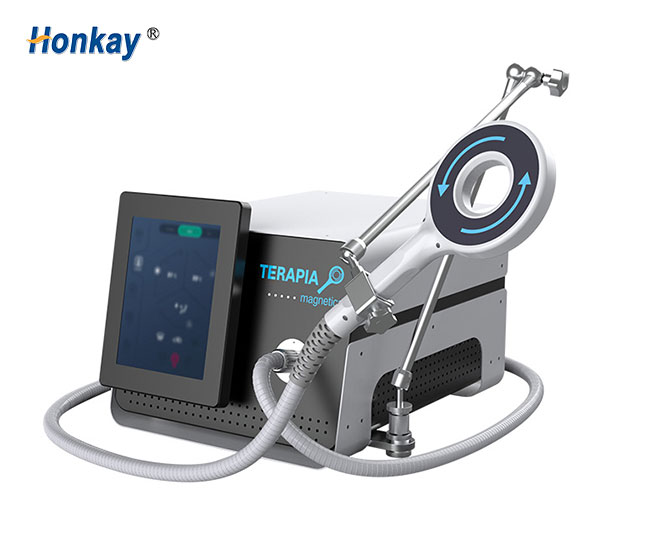
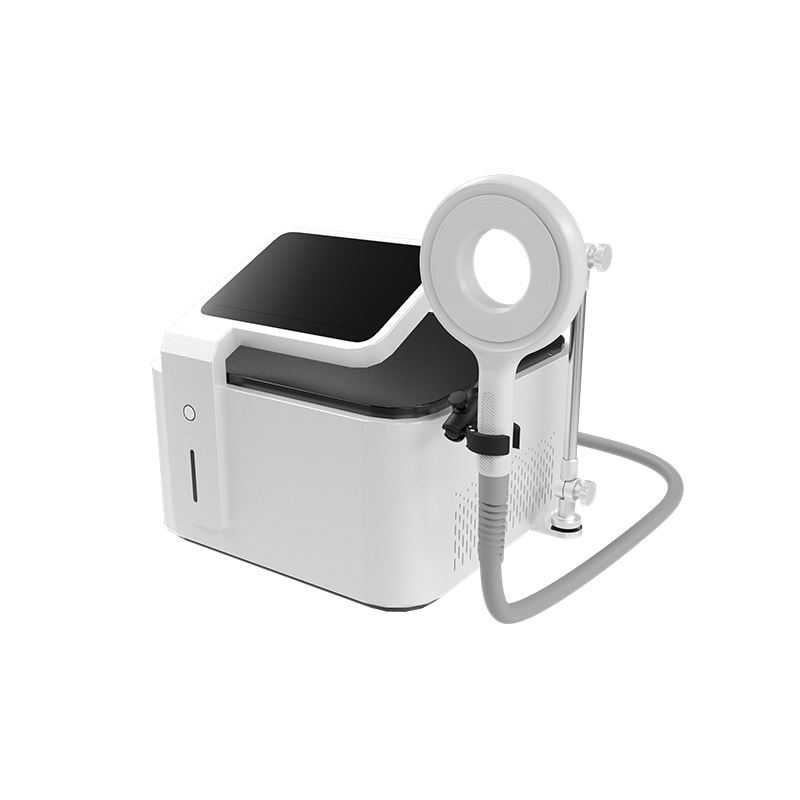
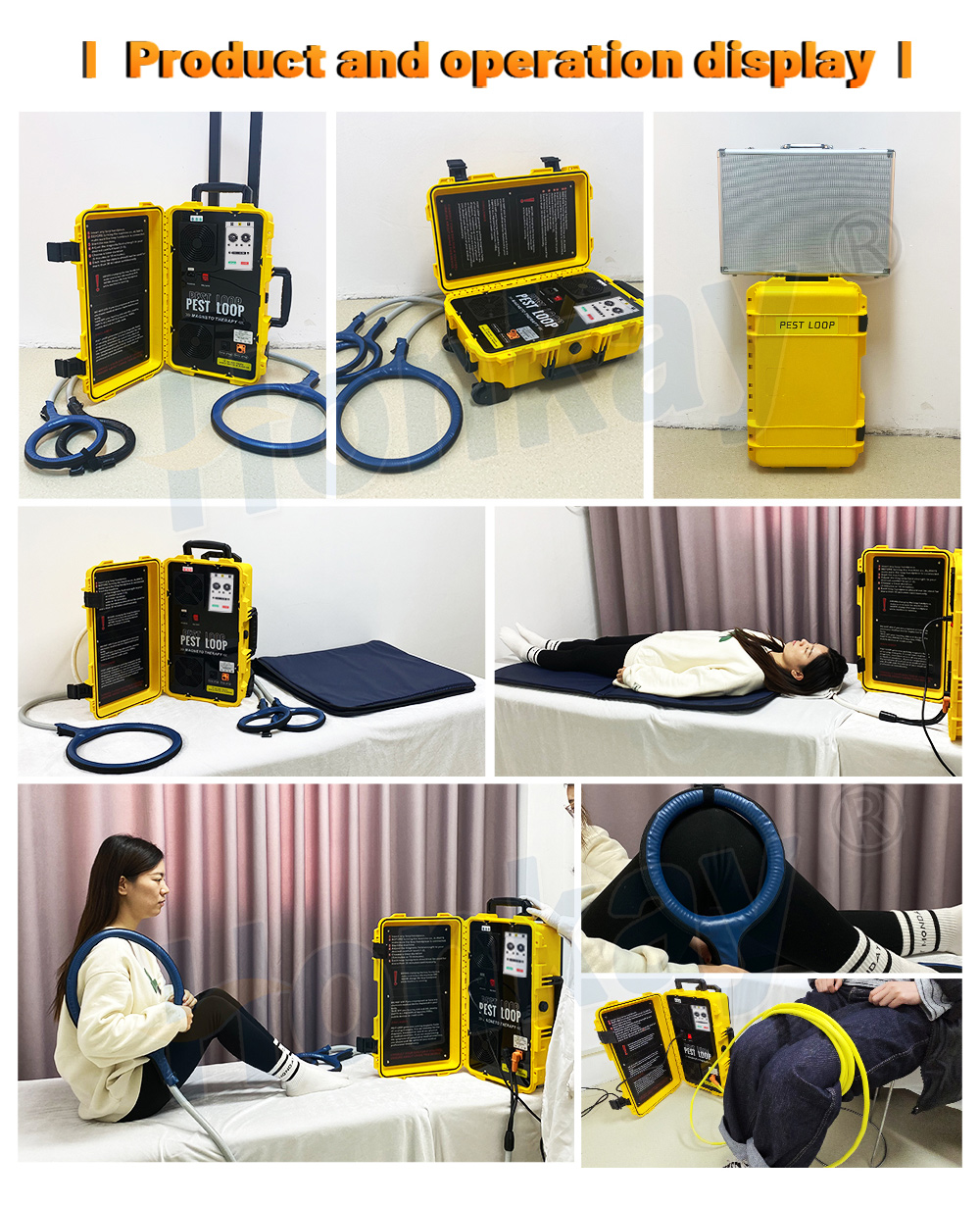
The PEMF machine cost on the first line usually covers the case and one loop. Everything below is where quotes diverge:
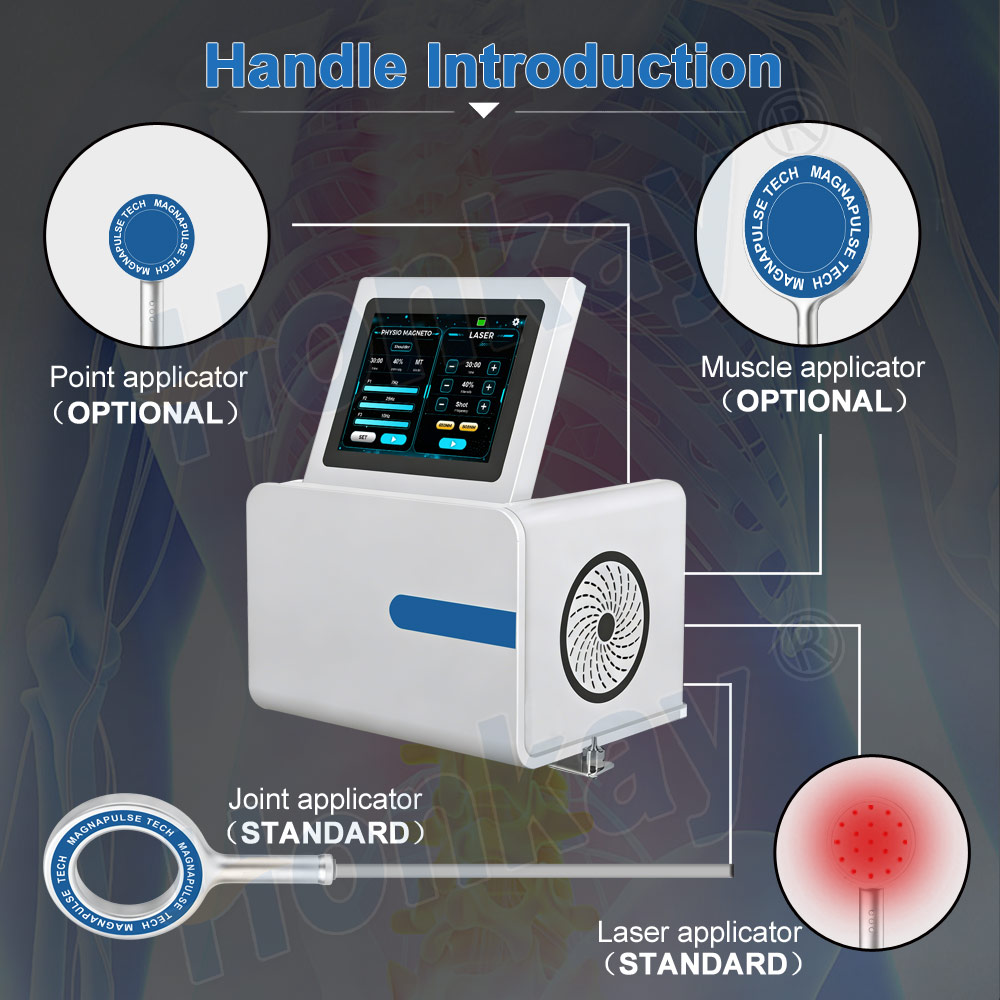
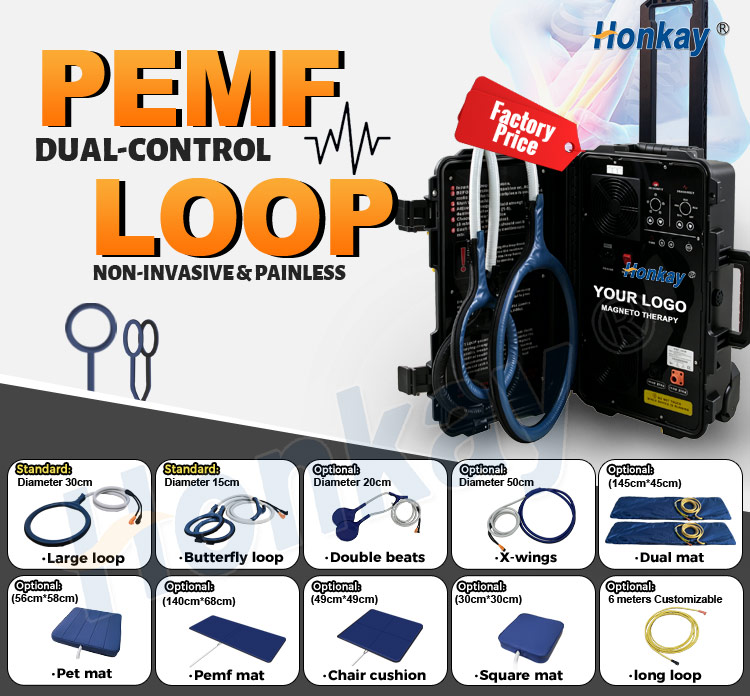
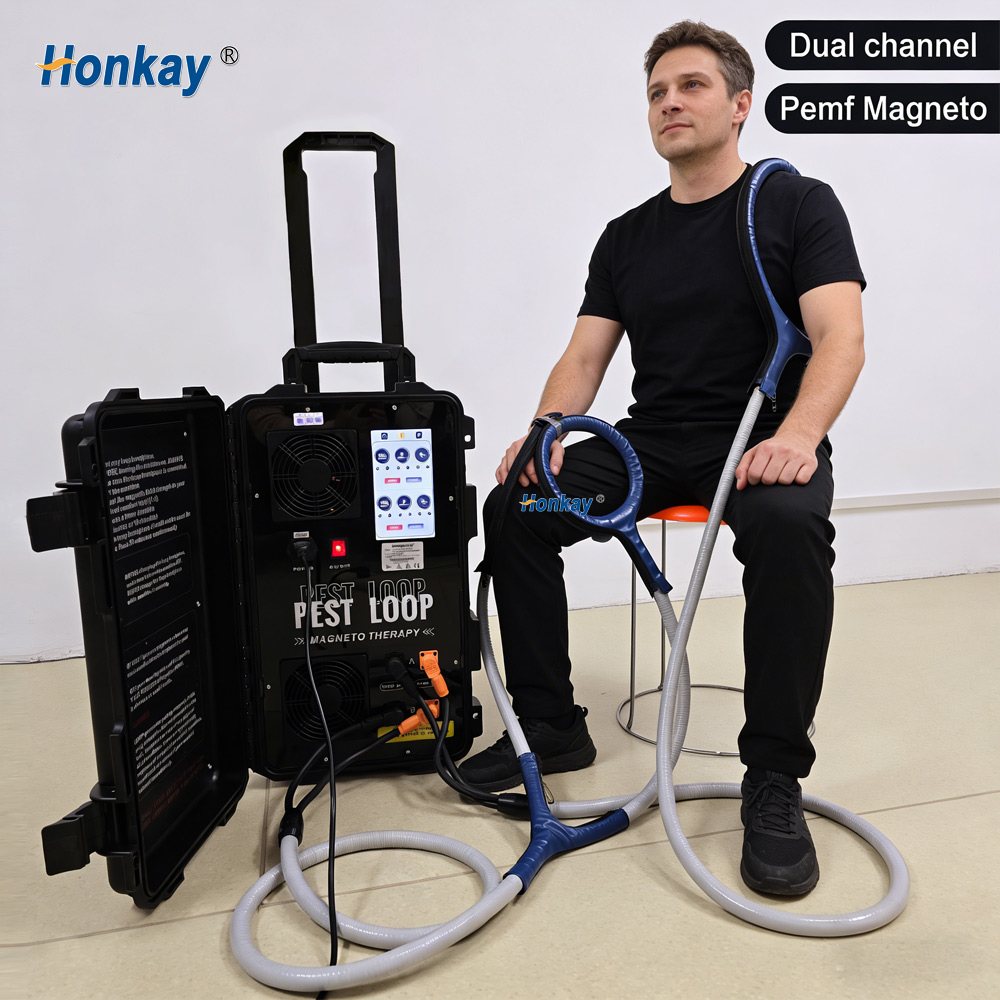
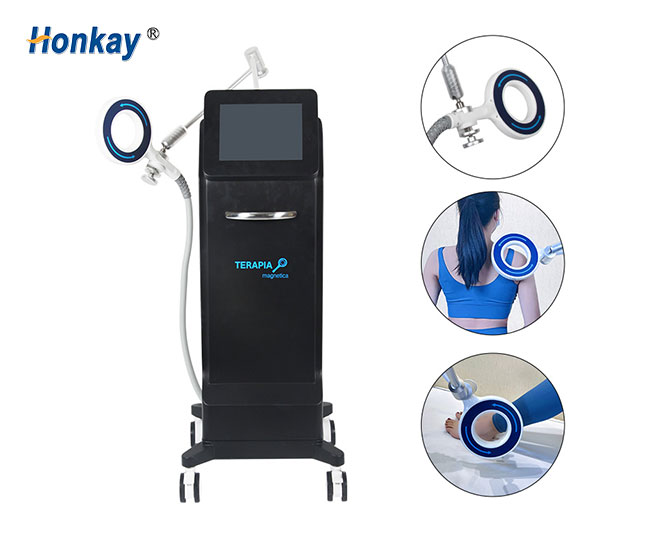
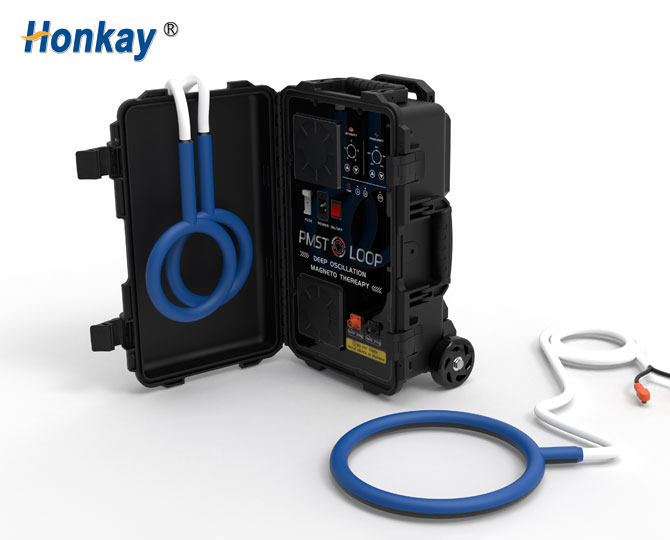
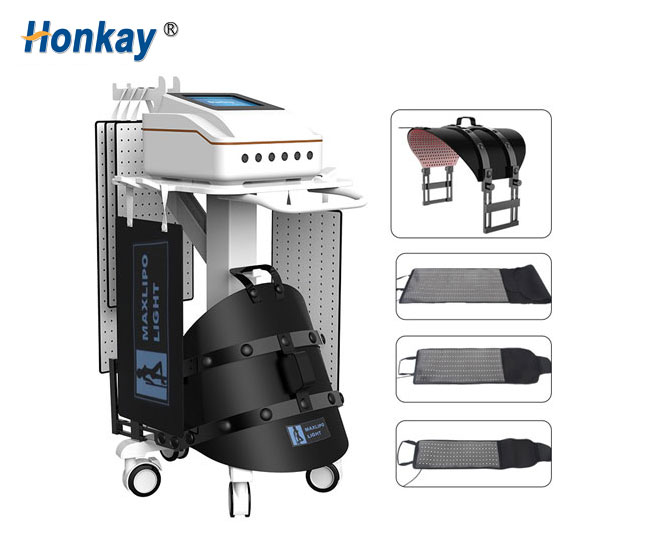
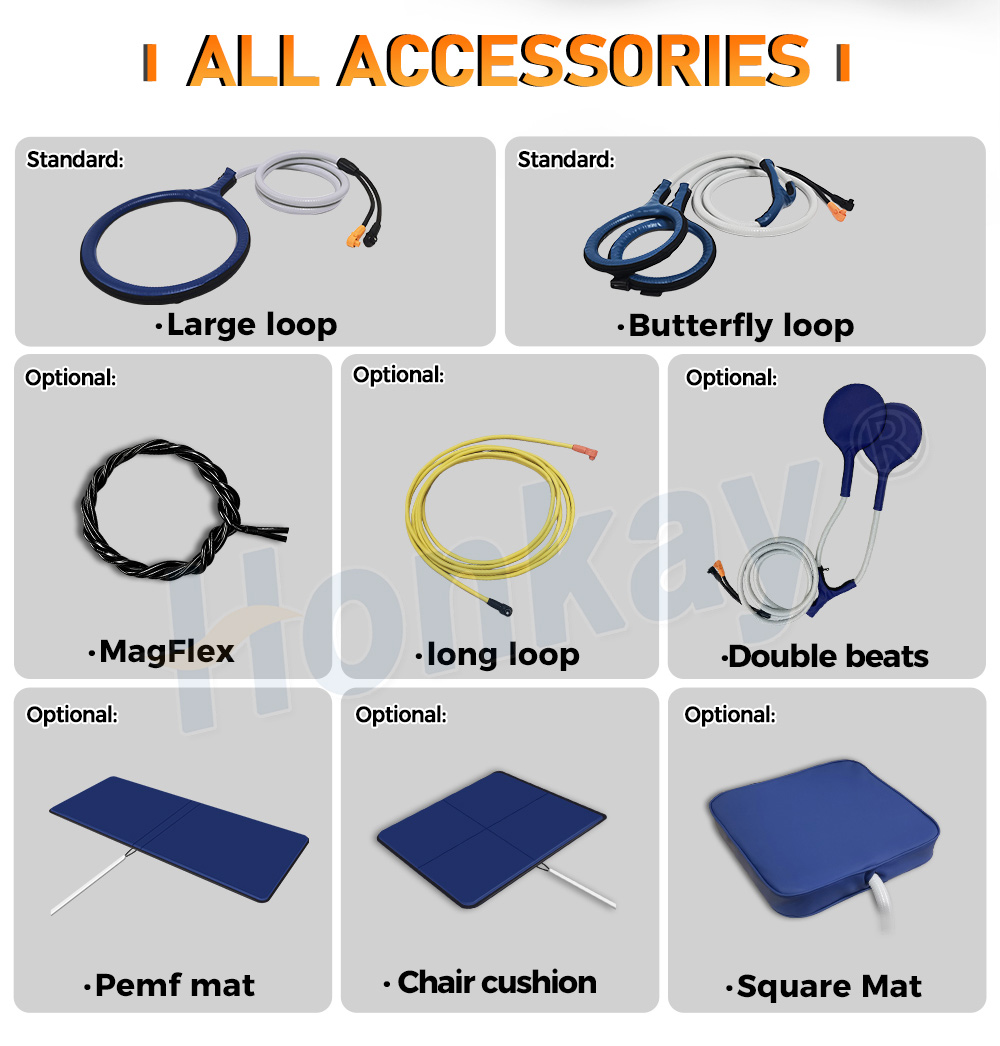
The applicator set. Loops are priced individually and the diameters differ. A quote that includes one large loop is not comparable to one that includes a large loop, a small loop and a mat panel. Ask for the loop list with diameters before you compare totals — a single extra loop can move the total more than a discounter’s margin.
Freight, insurance and duty. Portable units travel as a case, so they are charged on volumetric weight rather than actual weight. Ask for the freight term by name, and ask who clears duty at destination. A quote that stops at the airport is not the same purchase as one delivered to your door.
Spares and consumables. Loop cables, connectors and the loops themselves wear. Ask which parts are field-replaceable, what they cost, and what the lead time is. A unit with a cheap cable and a four-week lead time has a different five-year cost than one with a slightly dearer cable in stock.
Training and documentation. Ask whether the operating manual is in your language, whether set-up training is included or charged, and whether it is delivered on site or by video call.
Warranty terms. Get them written, not implied: duration, start date and the claim process. Our units are supplied with a 24-month warranty from the factory shipment date, with claims handled against the machine serial number plus a short video of the fault — ask any supplier to state their terms in that same level of detail.
Working out the PEMF machine cost that matters
You do not need an industry benchmark to answer “is this worth it”. You need four numbers you already know, and one you can estimate. Fill this in with your own figures; the arithmetic is the same in any currency.
| Line | What goes in | Where to get it |
|---|---|---|
| A. Landed cost | Unit + applicator set + freight + duty + training | The quotation, all lines together |
| B. Annual running cost | Spares allowance + electricity + any service visits | Your own estimate, kept deliberately high |
| C. Revenue per session | What you charge for one session | Your price list |
| D. Sessions per week | Sessions that would not happen without the unit | Your booking history |
| E. Payback months | A ÷ ((C × D × 52) − B) × 12 | Calculated |
Two habits keep it honest: put only incremental sessions in D — sessions you already run on another device do not pay for a second machine — and treat B as a real line, because a unit used daily will consume cables and at least one loop.
If E lands inside the warranty period, the purchase is defensible on throughput. If it lands far beyond, the case for buying is scheduling control, not volume.
Rent or buy: three tests
Rental looks cheaper up to the moment it does not. A PEMF machine rental agreement and a PEMF machine buy decision are priced differently, and most of that difference is transferred risk. Three questions separate the cases:
- Do you know the demand is permanent? Rental suits a market you are testing, a seasonal contract, or a device you need for one event. If the sessions are already on your books week after week, the rental premium is buying you an option you are not using.
- Who maintains it? A rental normally includes service and replacement. If you buy, you own the spares question. Price that in before comparing the two monthly figures.
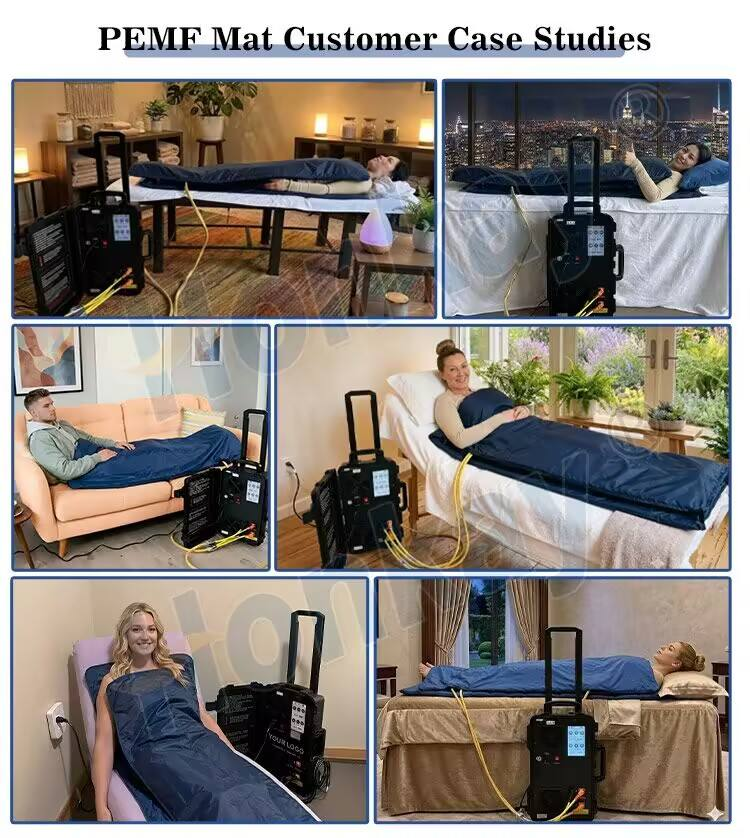
- Does the machine need to travel? This is where a portable earns its keep. A unit that goes to homes, hotels or stables turns travel time into billable time, and that is a return a fixed installation cannot produce.
The middle arrangement — buy the unit, rent it to satellite locations on quiet days — only works if the case survives repeated transport, so check the latches, hinges and handle first.
Where two portable quotes actually differ
Put the two documents side by side and compare these rows rather than the totals.
| Row | Why it changes the number |
|---|---|
| Loop list with diameters, marked standard or optional | The single largest variance between quotes |
| Number of channels with independent settings | Two loops sharing one setting is not a two-channel unit |
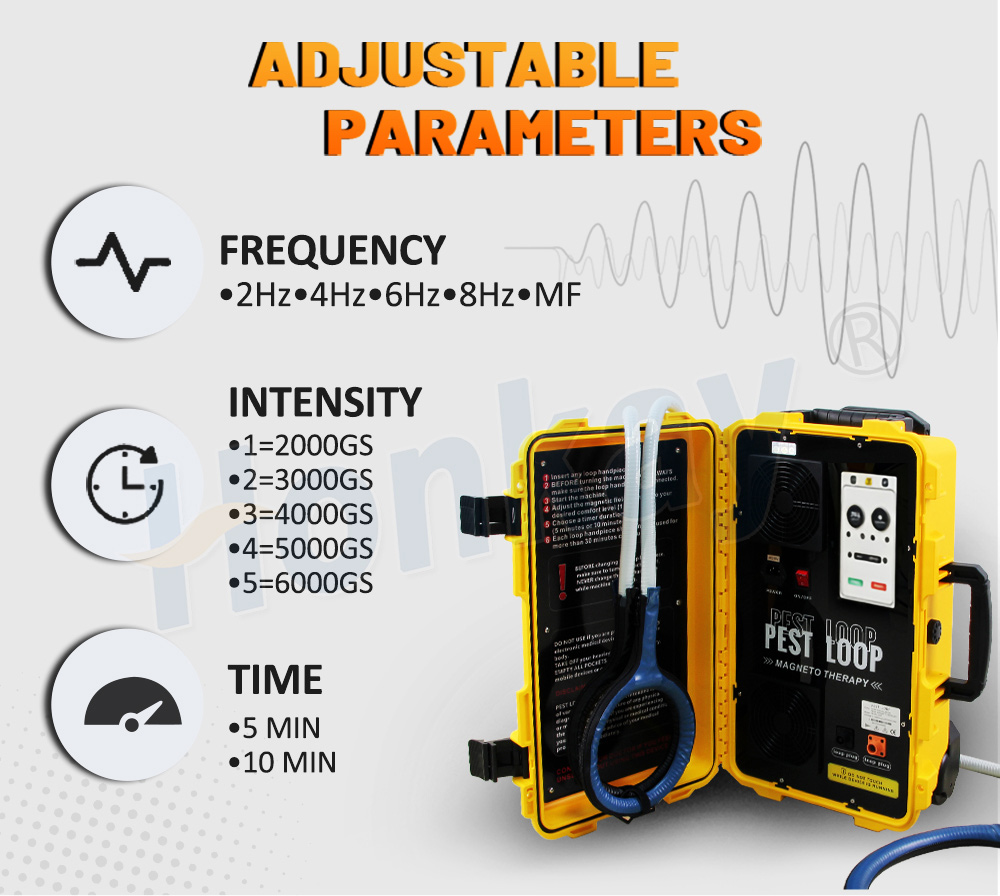
| Frequency range and step size | Decides how closely a protocol can be repeated |
| How intensity is expressed | A percentage of a mode cannot be compared across machines |
| Timer range and whether it can pause | Loops are repositioned mid-session on this format |
| Duty cycle and any stated cooling | Decides whether sessions can run back to back |
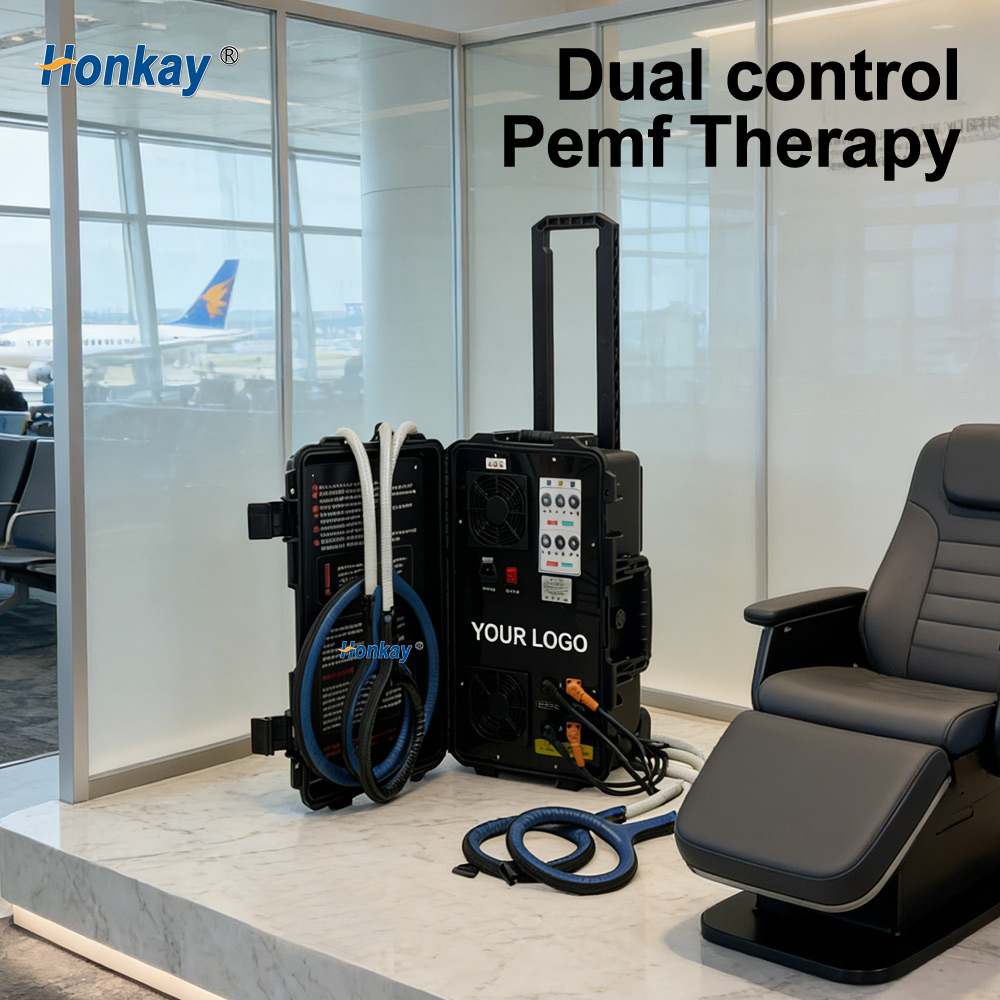
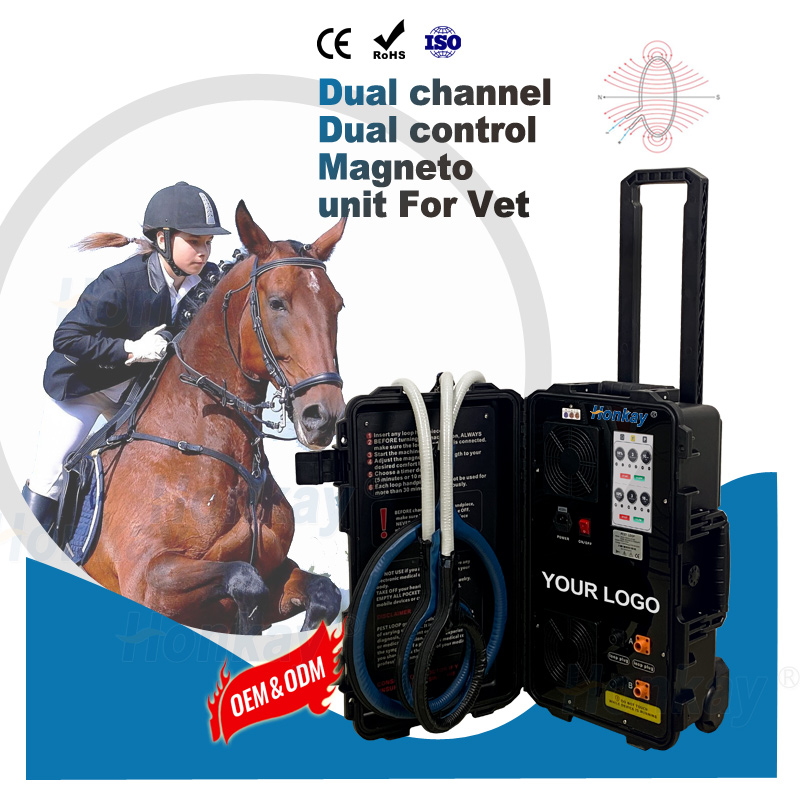
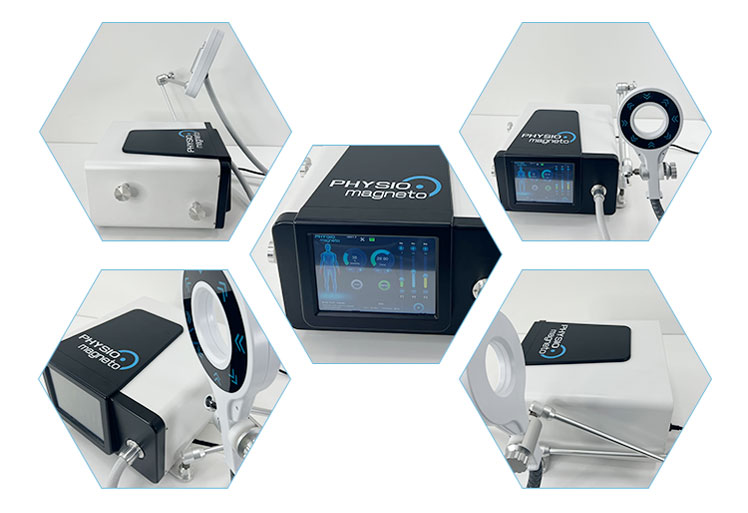
| Case hardware: wheels, handle, latches, hinges | In this format the case is used on every session |
| Spares list, unit prices and lead time | The real five-year cost sits here |
| Warranty duration, start date and claim process | Terms, not adjectives |
| Training: included, on site or remote, in which language | A unit nobody was trained on is a sunk cost |
What to ask before you sign
Six questions, in the order that saves the most money:
- What exactly is in the box, item by item, with diameters and part numbers?
- What is the freight term, and who clears duty at my end?
- Which parts are expected to wear, what do they cost, and how fast can they ship?
- What does the warranty cover, from which date, and how is a claim filed?
- What training is included, and in what language is the manual?
- Can the case be branded, and does that change the lead time?
A supplier who answers all six in writing is telling you something about year three. One who answers only the first is quoting a box, not a purchase.

Frequently asked questions
Why do two quotes for the same portable unit differ so much?
Almost always the applicator set: one quote includes a single loop, the other several loops and a mat panel, and those are priced separately. Compare box contents before totals.
Is a portable PEMF unit cheaper than a floor-standing one?
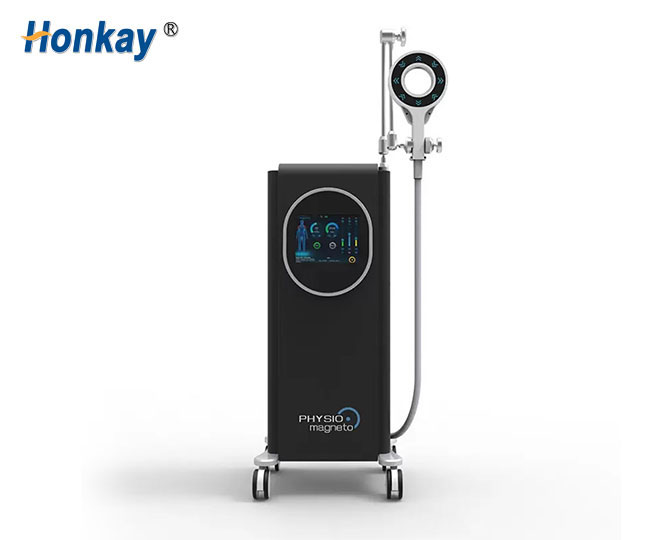
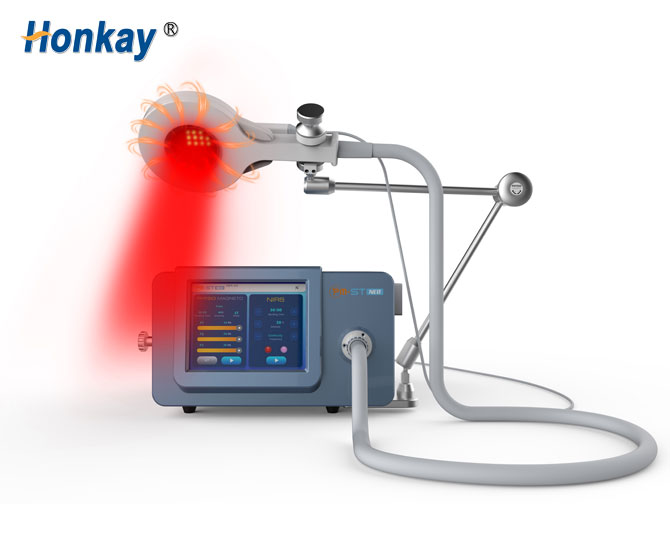
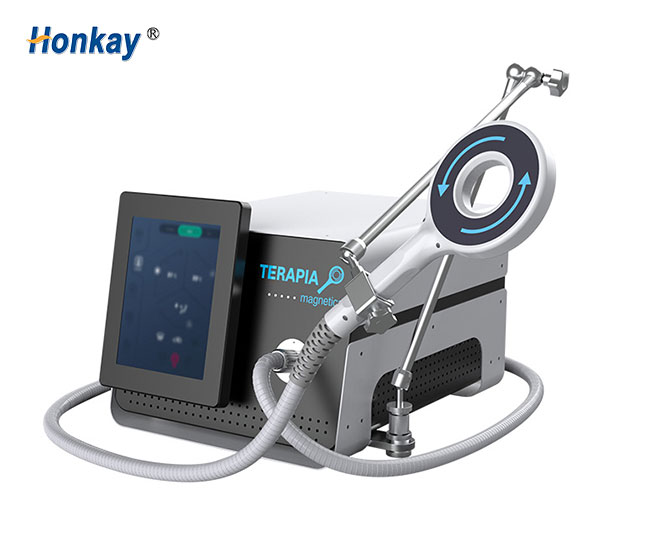
Usually the unit is, because it carries fewer accessories and no positioning arm. The gap narrows once you add the loops you need, and can close entirely if you also buy a cart.
How do I work out whether to rent or buy?
Estimate the incremental sessions the unit would create per week, multiply by your session price, subtract an annual spares allowance, and divide the landed cost by the monthly figure. If payback lands inside the warranty period, buying is defensible on throughput alone.
What should a spares allowance cover?
Loop cables and connectors first, then a replacement loop if the unit runs daily, then freight. Ask for unit prices on those three — the number is small and always worth knowing.
Does the warranty start on delivery or on shipment?
Ask explicitly, because suppliers differ. Ours is a 24-month warranty counted from the factory shipment date, which means transit time is inside the period. If that matters to you, get the start date written on the order confirmation.
Can I buy the machine and add applicators later?
Yes, and it is often the cheaper way in — provided the control unit supports the applicator you plan to add. Confirm the connector type and supported list first, so the second purchase is a loop, not a machine.
What does OEM branding change?
The case face is the largest printable surface on the product, so branding is a normal factory option. It can affect lead time and, at small quantities, unit price. Ask for artwork requirements and minimum quantity together.
What is the single most expensive mistake buyers make?
Buying on the unit price and discovering the applicator set, freight term and spares lead time afterwards. Those three routinely cost more than the gap between two machines.
About Honkay
Honkay manufactures beauty and physiotherapy equipment for clinics, distributors and training schools, supplying both standard units and OEM/ODM orders. Machines ship with an operating manual, a spare parts channel and after-sales support, and our team answers specification and quotation questions directly rather than through a reseller.
Request a quotation
Send us the sessions you expect to run per week and the areas you work on, and the Honkay team will put an itemised quotation together — unit, applicator set, freight term, spares and warranty — so the comparison is line by line from the start.
Manager: Lisa WhatsApp: +8613751821215 E-mail: hk6@huang-kai.com