PEMF Mats Under Your Own Brand: What a White-Label Order Actually Changes
White-label is often described as “put your logo on it”, which sets the wrong expectation. On a mat system there are six separate surfaces that can be changed, they cost very different amounts, and only some of them are a graphic-design job. Knowing which is which is the difference between a first order that ships on schedule and one that stalls in artwork review for a month.
This guide covers what a white-label PEMF mats order can actually change, what you have to supply, and where the cost sits — plus the platform specification you are branding.
The six customization points
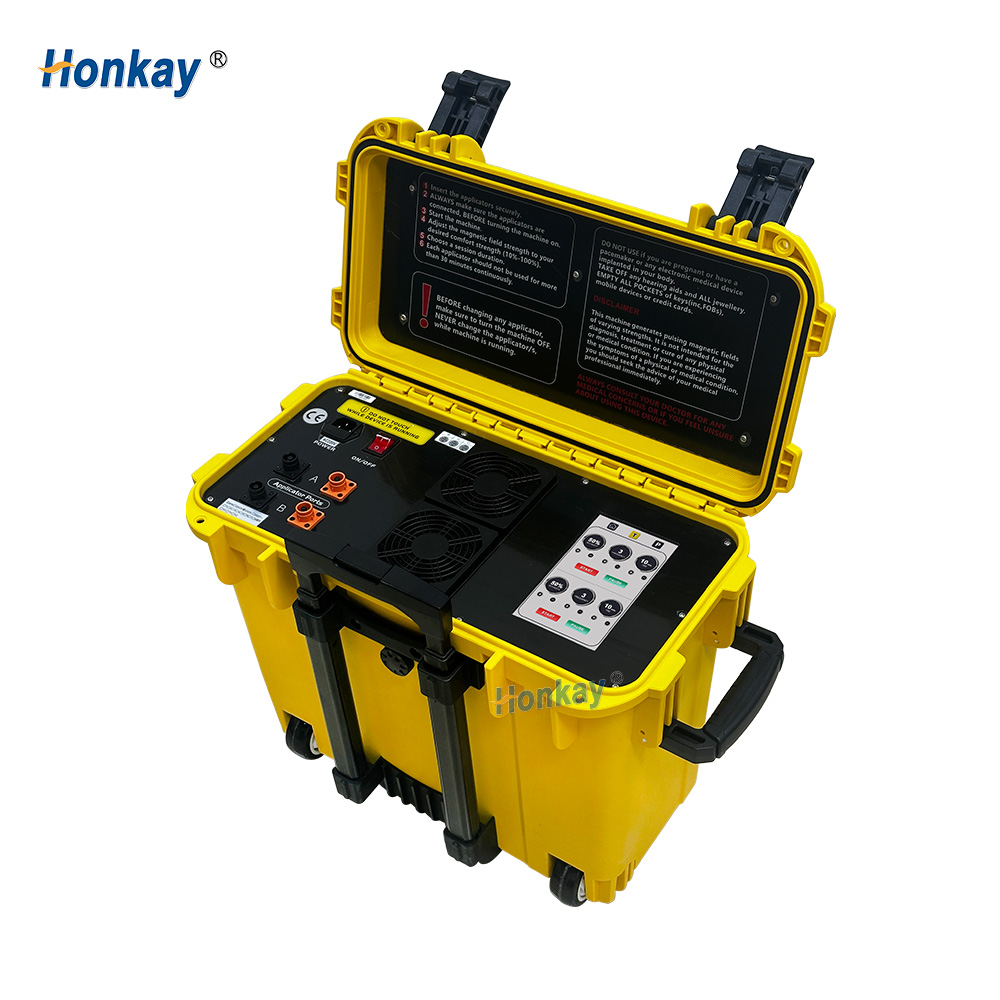
Customization on this platform is not one decision, it is six, and the supplier’s own configuration sheet lists them individually:
| Surface | What changes | What you supply | Effort tier |
|---|---|---|---|
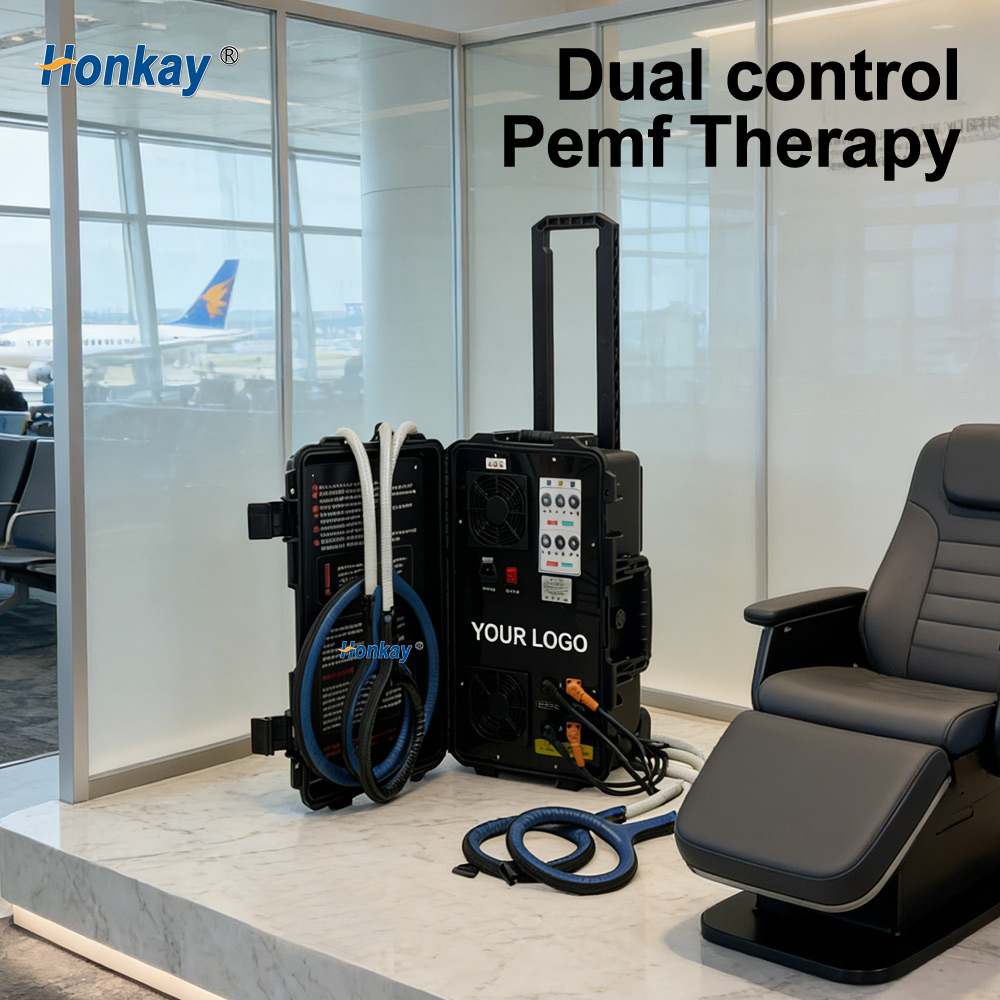
| Outer case logo | Position and print on the hard case | Print-ready vector artwork | Artwork only |
| Handle configuration | Handle style and fitment | Choice from available options | Artwork plus part selection |
| Mat colour | Fabric colour of both mats | Colour reference (Pantone or sample) | Material run |
| Screen logo and style | Boot logo, interface accent colour | Logo file and hex colours | Firmware plus artwork |
| Internal structure | Layout inside the case | Specification discussion | Engineering |
| Overall appearance | Combination of the above | A single reference mock-up | Coordinated |
The tiers matter because they have different minimums and different lead times. Artwork-only changes ride along with a normal production run. Mat colour is a fabric run, so it has a minimum quantity and a dye lead time. Internal structure changes are engineering work and should never be promised against a first-order deadline.
What the buyer has to supply
Most delays in a first white-label order are not the factory’s fault. They come from artwork that arrives in the wrong format or decisions that arrive late:
- Vector artwork. A JPG pulled from a website cannot be printed cleanly. Ask for AI, EPS or SVG, and include the reversed version for dark surfaces.
- A colour reference. “Blue” is not a specification. Give a Pantone number or a physical sample, and accept that fabric will not match a screen exactly.
- Boot logo file with transparent background. Screen logos are rendered, not printed, so transparency and pixel dimensions both matter.
- Label text in the destination language. If the case carries warnings or a rating plate, that text is regulated in most markets and should be agreed before production, not after.
- The market you are selling into. Voltage build and plug type follow from this, and both are fixed at manufacture.
The agency question
Distributors usually ask about exclusivity at the same time as the logo. Treat them as two separate agreements. A white-label order is a manufacturing transaction: you buy units with your mark on them. An agency or distribution agreement is a commercial relationship that defines territory, volume commitments and whether the supplier will sell the same platform to someone else in your region.
Ask for both in writing, and be specific about what “agency” means in the supplier’s own terms — territory, term length, annual volume, and what happens to your branding if the agreement ends. A branded unit you cannot resell is worth less than an unbranded one.
What the platform actually is
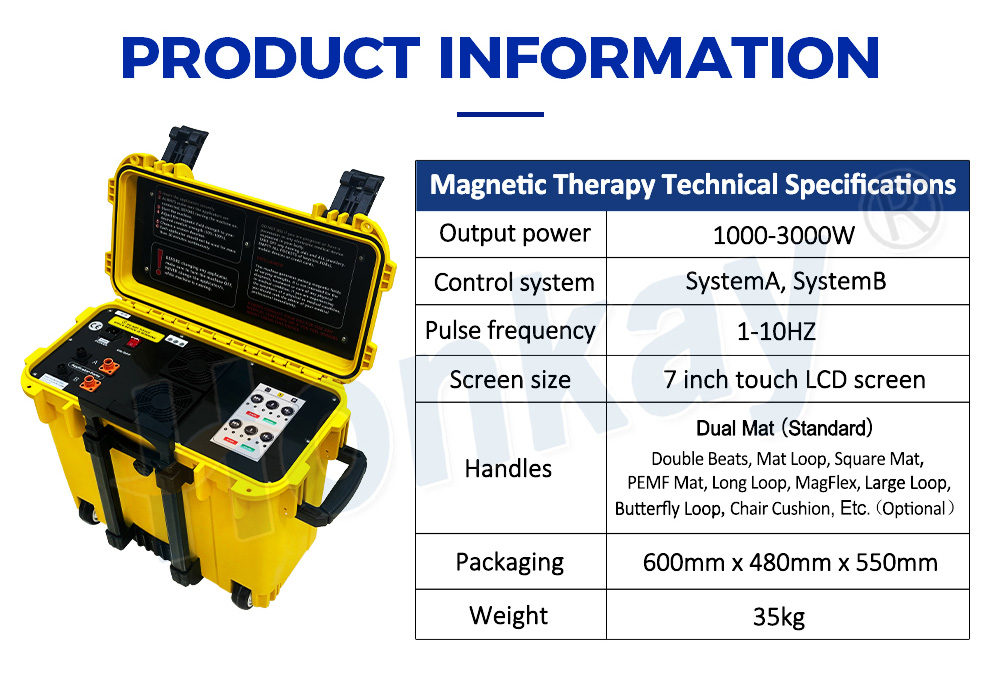
| Parameter | Value |
|---|---|
| Output power | 1000–3000 W |
| Control system | System A and System B, independent channels |
| Pulse frequency | 1–10 Hz |
| Screen | 7 inch touch LCD |
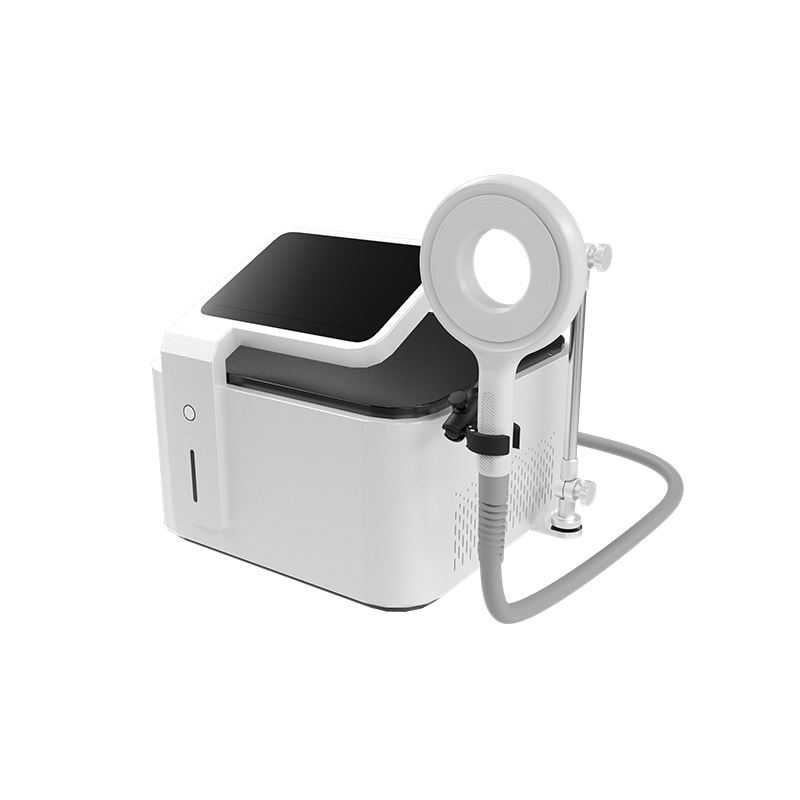
| Applicators included | Dual mat (standard) |
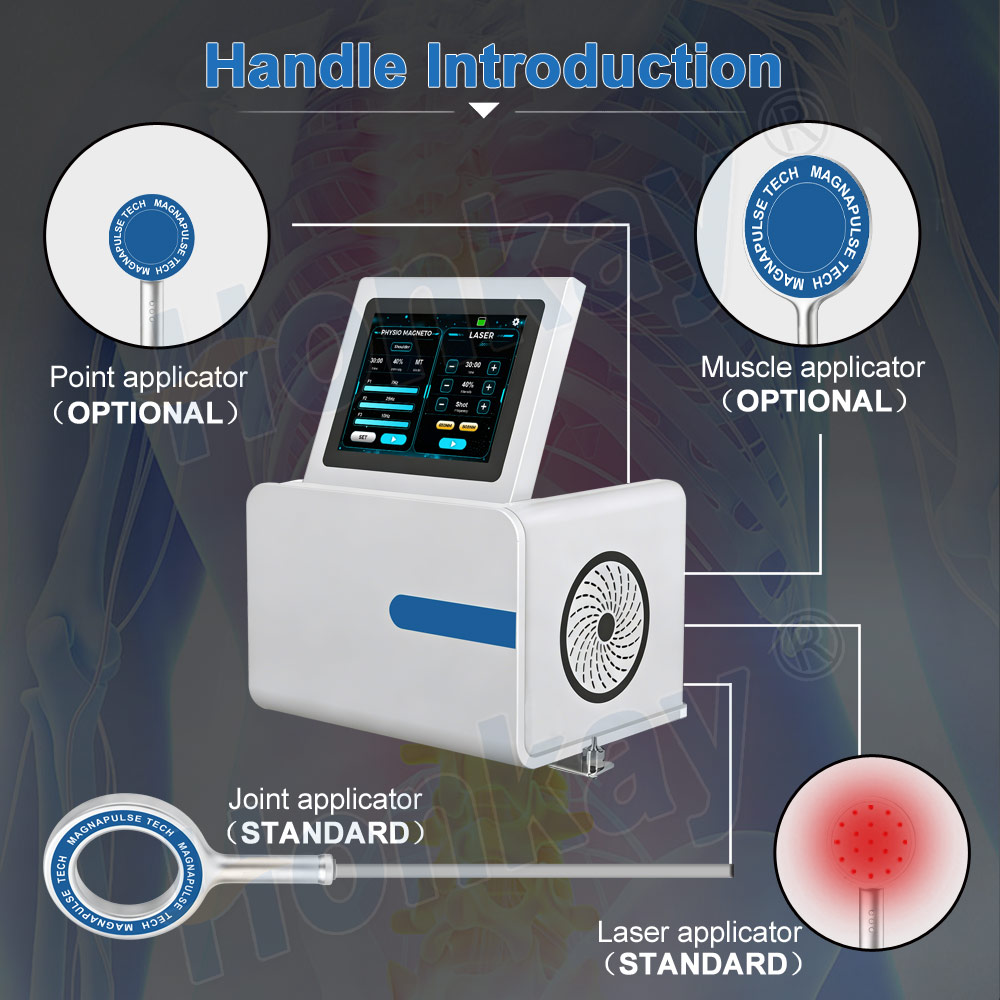
| Optional applicators | Double beats, mat loop, square mat, single PEMF mat, long loop, MagFlex, large loop, butterfly loop, chair cushion |
| Packaging | 600 × 480 × 550 mm |
| Weight | 35 kg |
Two of these are worth pausing on before you design a brand around them.
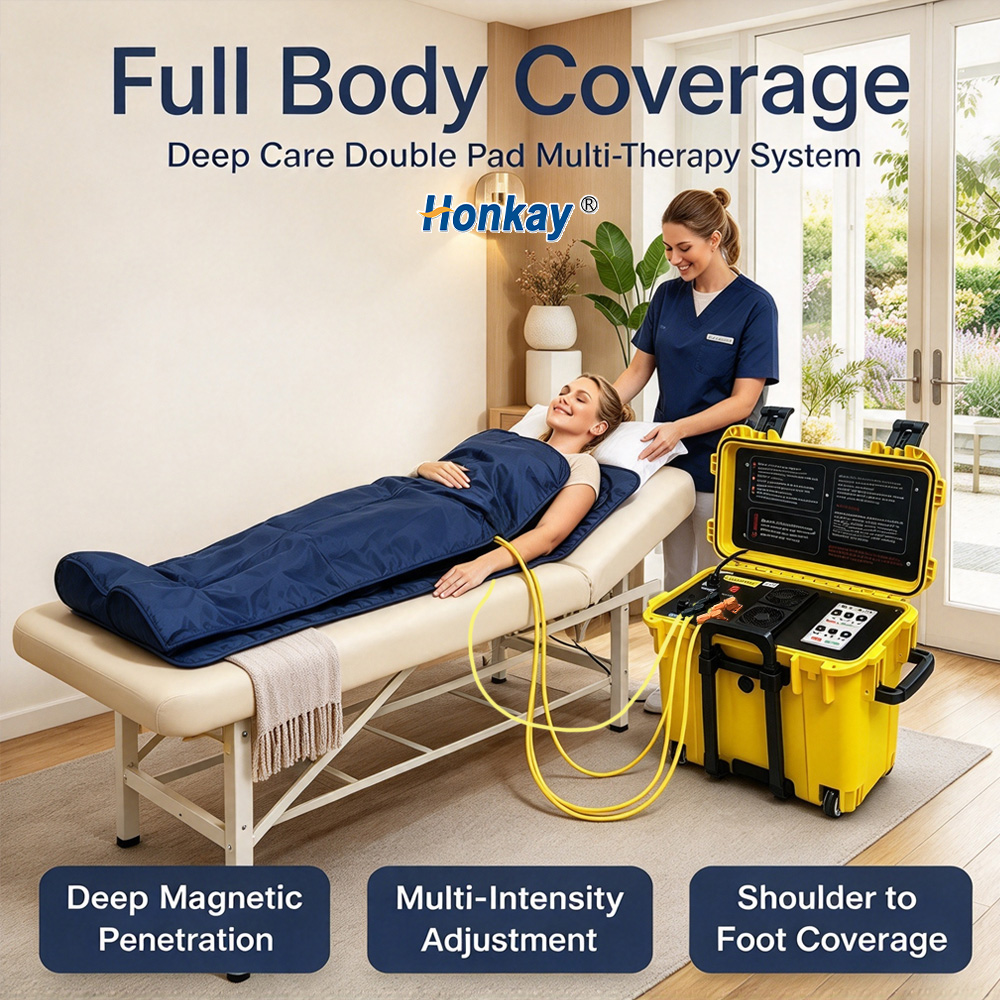
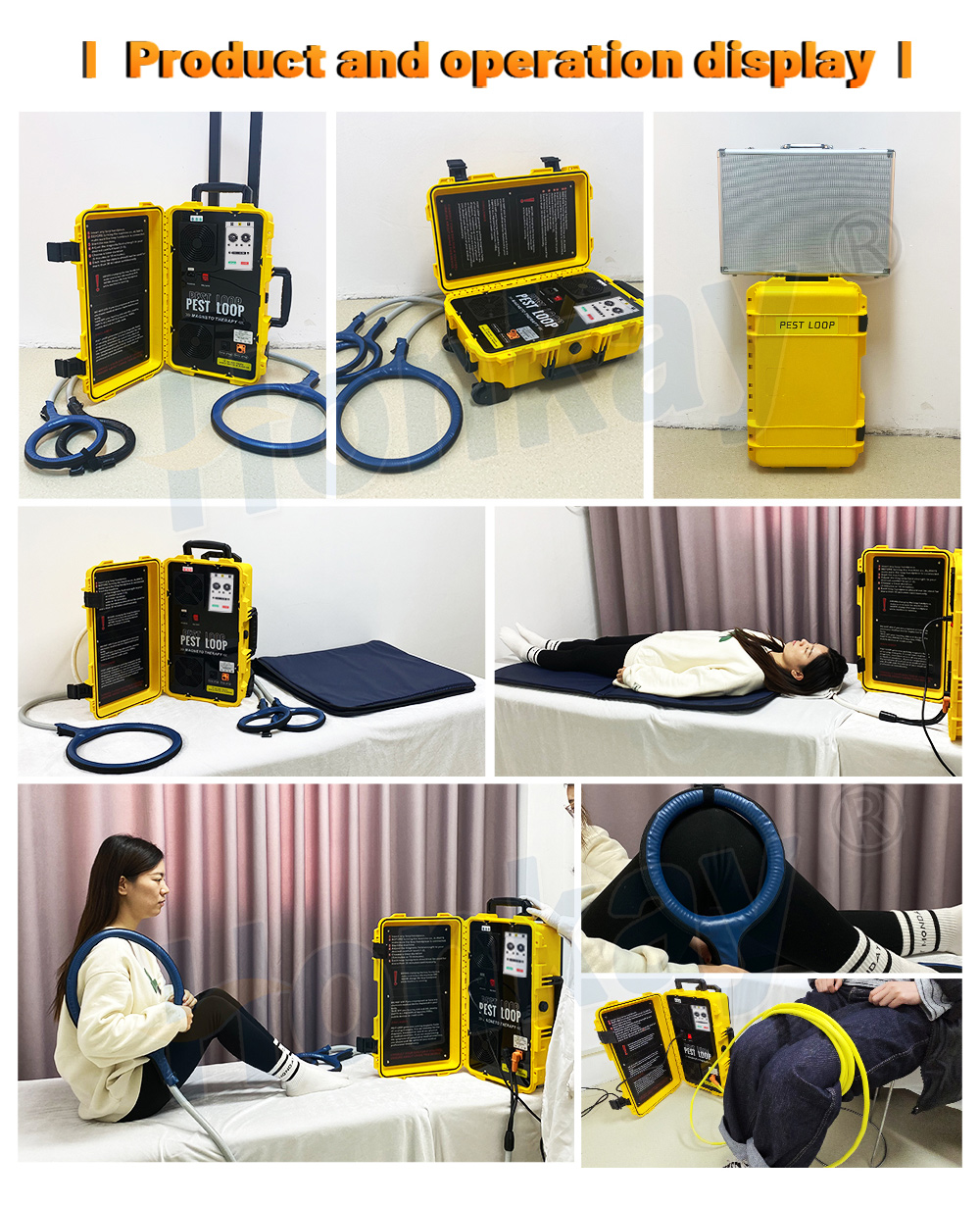
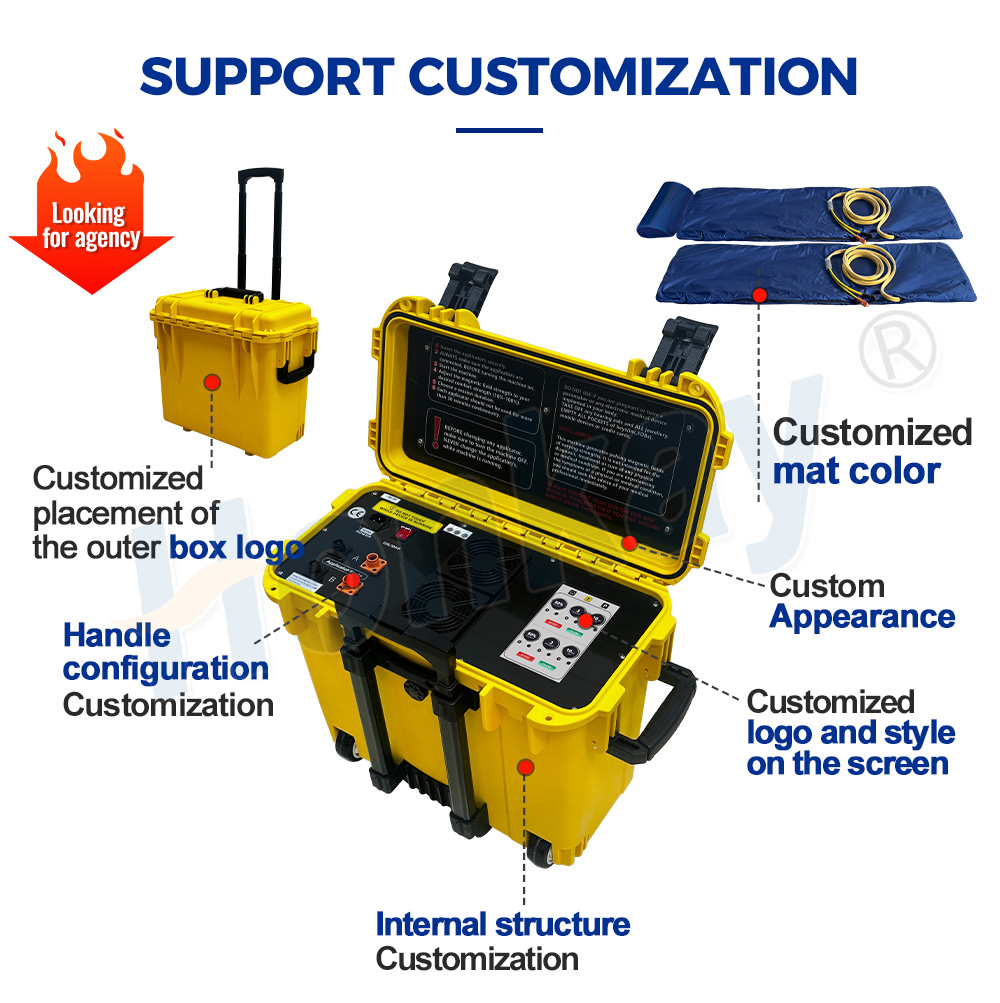
Dual mat is standard, the loops are optional. If your market needs loops, cushion or a chair format, that is a separate line item and it changes the carton count. Do not assume a “complete system” in your marketing copy matches the packing list.
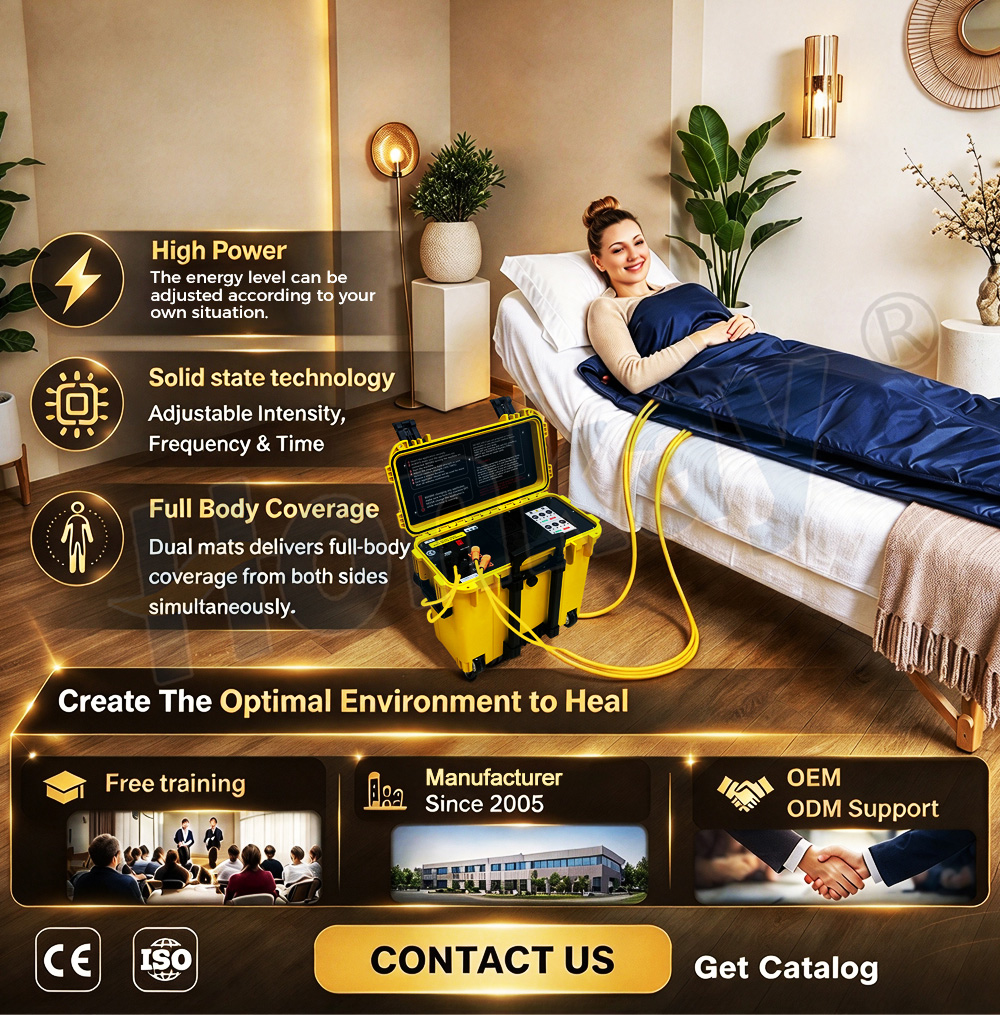
System A and System B are independent channels. That is a genuine product difference rather than a cosmetic one, and it is the feature most worth building a story around — two mats, or a mat plus a loop, run from one case. For a distributor, it is also the cleanest way to separate this platform from a single-output pemf therapy mat sold at a lower price point: the argument is not field strength, it is that one case runs two applications at once.
Training, service and what transfers
A branded unit means you own the first line of support. The supplier’s transfer package on this platform includes operator training and OEM/ODM documentation support, and the standard warranty on the range is 24 months from factory shipment.
Three things to settle in the contract, not in conversation:
- Who handles a warranty claim — you replace and get credited, or the end user ships back to the factory.
- Spare parts availability for mats specifically. Mats are the part that wears: the fabric, the cable entry and the connector. Ask for the per-mat replacement price and the lead time before you commit to a price list.
- Documentation language. Manuals, quick-start cards and the on-screen language set are all customization items; confirm which are included and which are billable.
Mistakes that cost a first order
- Designing the pack before the packing list. The carton is 600 × 480 × 550 mm at 35 kg; retail packaging has to fit inside that or it becomes a second carton.
- Assuming the screen logo is free. It is firmware work, and firmware runs on its own schedule.
- Ordering the branded box but not the branded mat. The mat is the product the customer actually touches; a branded case with a plain mat reads as a compromise.
- Leaving voltage to the last minute. 220 V / 50 Hz and 110 V / 60 Hz are separate builds, and a mixed pallet for two markets is negotiated, not assumed.
- Quoting a portable pemf mat price to a buyer who was shown the dual system. Two different products, two different cartons, and confusing them in a price list is the fastest way to lose a distributor’s trust.
Frequently asked questions
What can be customized on a white-label PEMF mat system?
Six surfaces: outer case logo, handle configuration, mat colour, screen logo and interface style, internal structure, and the overall appearance combination.
Do I need a minimum order to change the mat colour?
Yes. A colour change is a fabric run, so it carries a minimum quantity and a dye lead time that an artwork-only change does not.
Is the dual mat included in the base price?
Yes. The dual mat is the standard applicator. Loops, cushion and single-mat configurations are optional items.
Can the machine carry my brand on screen?
Yes, with a boot logo and interface accent colours supplied as firmware artwork. Budget time for it separately from print artwork.
What is the difference between white-label and an agency agreement?
White-label is a manufacturing transaction for units carrying your mark. An agency agreement defines territory and volume, and whether the supplier will sell the same platform to others in your region.
What voltage builds are available?
220 V / 50 Hz and 110 V / 60 Hz. The build is fixed at manufacture, so it must be decided before production.
What does the system weigh and how does it ship?
35 kg net in a carton of 600 × 480 × 550 mm. Plan retail packaging to fit inside that carton.
What warranty applies?
24 months from the factory shipment date on this range. Confirm the claim route — replacement and credit, or return to factory.
About Honkay
Honkay has manufactured physiotherapy and aesthetic equipment since 2005 — pulsed electromagnetic field platforms, shockwave systems, TECAR and radiofrequency units, and pressotherapy — supplying clinics, distributors and OEM buyers. Branding, mat colour, housing configuration and interface artwork are handled as configuration items by the team that builds the standard range, and a 24-month warranty from factory shipment applies across it.
Start with the packing list and the artwork spec
Send the Honkay team your target market, the format of your logo files and the applicator mix you intend to sell. The reply will itemise which surfaces can change, which carry a minimum quantity, the voltage build and the carton count — before artwork review begins.
- WhatsApp: +8613751821215
- E-mail: hk6@huang-kai.com
- Manager: Lisa
This device is intended for adjunctive use alongside professional care, not as a replacement for diagnosis or treatment. Suitability should be confirmed with a qualified clinician; individual experience varies.