Professional PEMF Machine: Mat vs Loop Applicators Explained
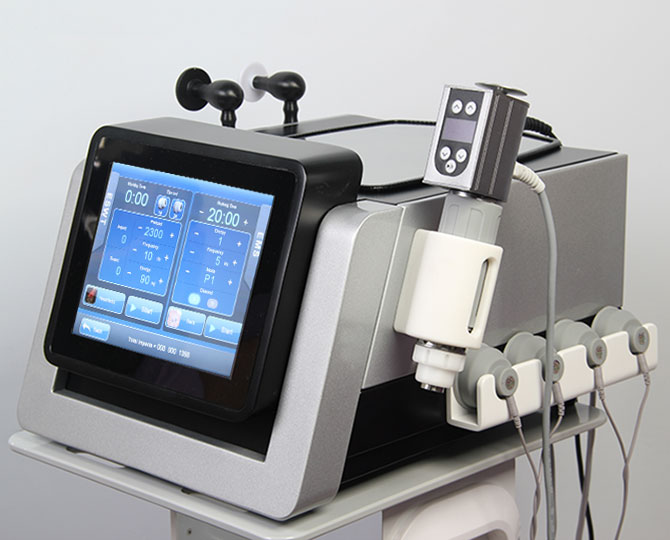
Applicator choice decides more of a clinic’s day than the console does. The same professional pemf machine can fit into a fifteen-minute slot or a forty-minute one depending on whether the field is delivered through a loop held against a limb or a mat the patient lies on — and the difference is not power, it is geometry and positioning.
This is a practical comparison of the applicator families that ship with a dual-control loop system, what each is shaped for, and how the choice changes throughput.
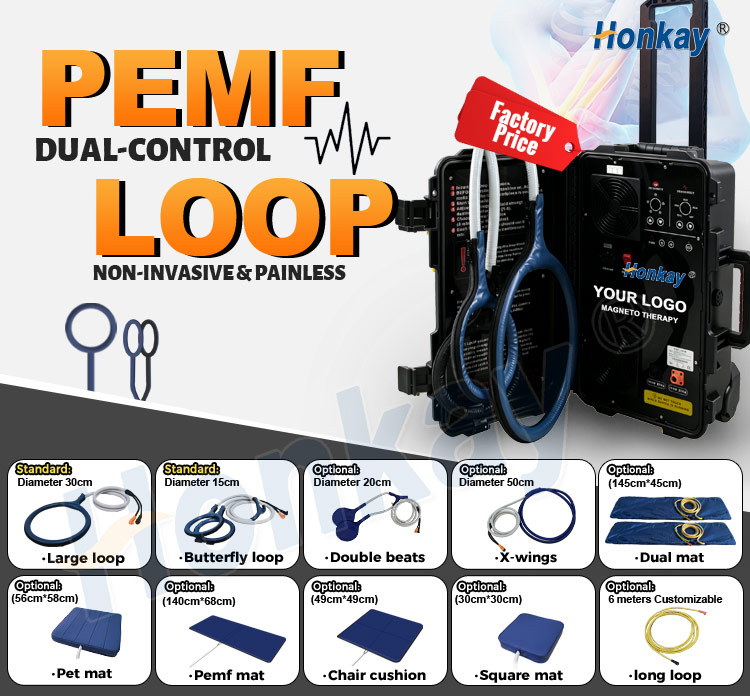
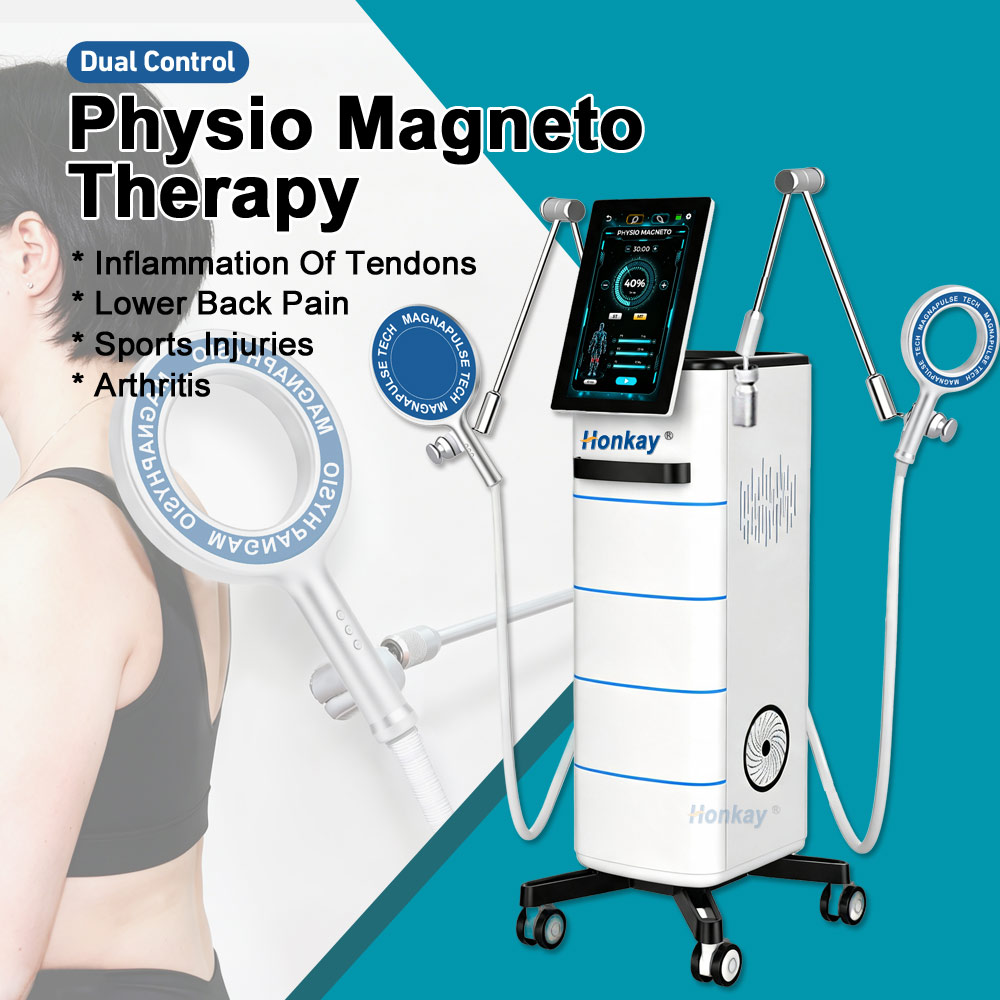
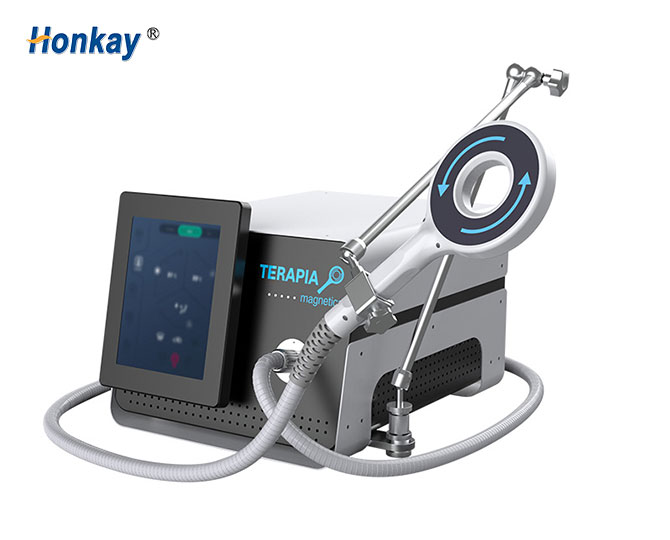
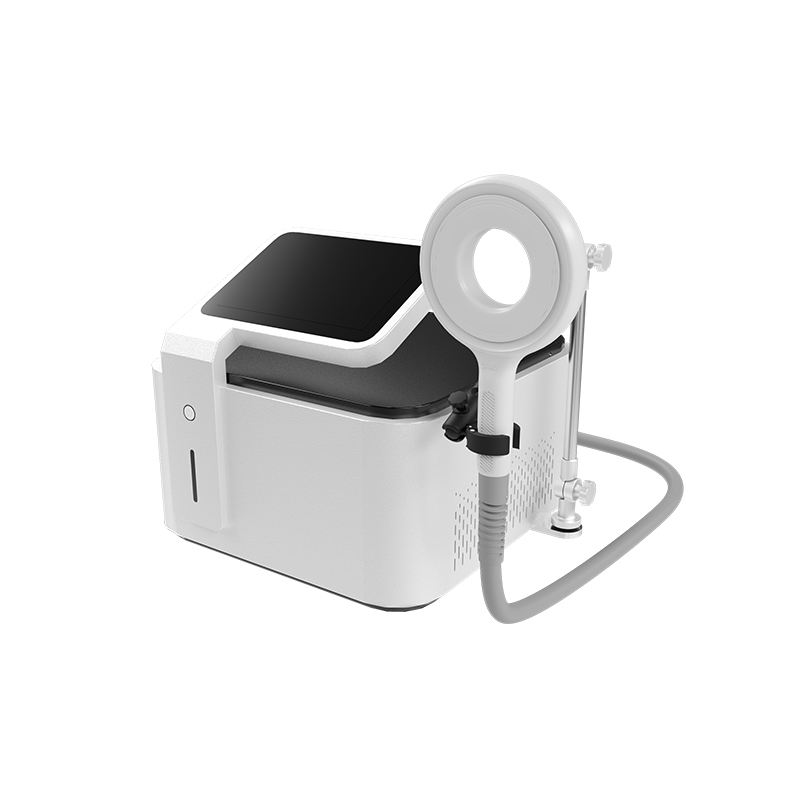
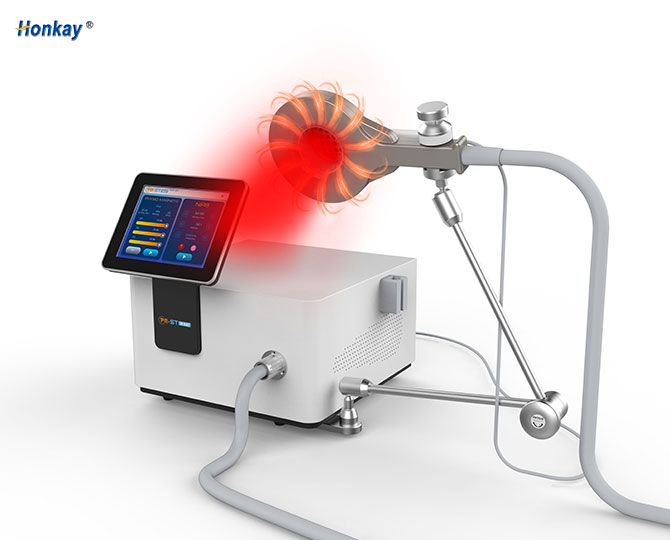
What a professional pemf machine ships with: the loop family
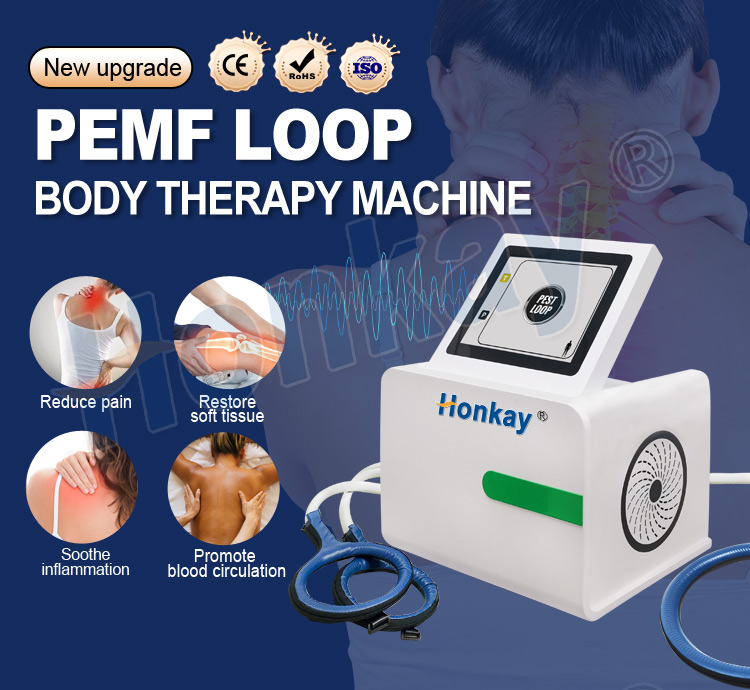
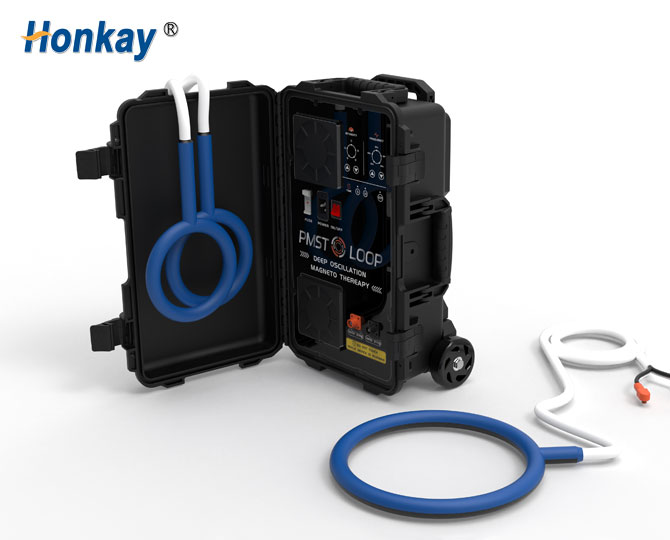
Loops are the applicators that localise the field. Because they come in diameters, the diameter is the selection criterion.
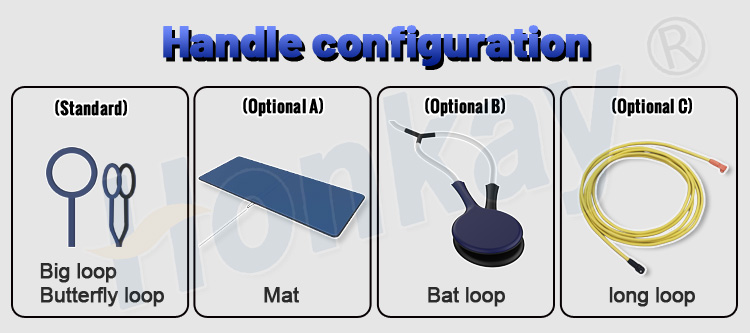
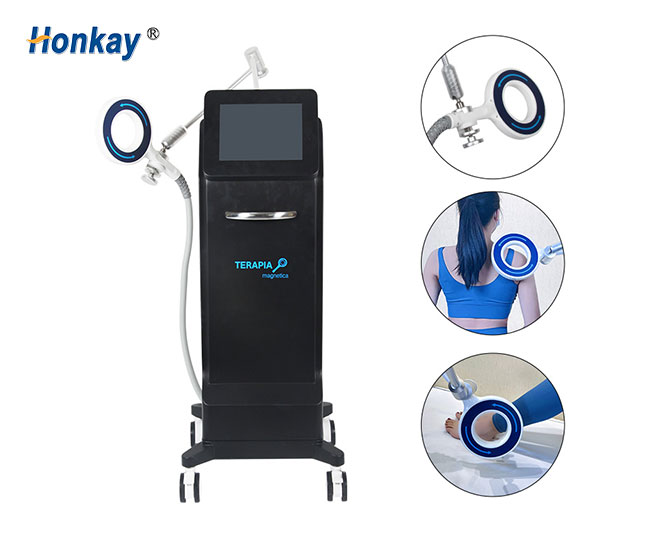
- Butterfly loop (15 cm). Two small coils on one handle, shaped to sit over a joint. It is the applicator for arthritic and small-joint work where the field has to be concentrated on a defined structure.
- Large loop (30 cm). The general-purpose applicator. Big enough to wrap a knee, shoulder, elbow or ankle, and the one an operator reaches for first on most limb cases.
- Double beats (20 cm). A pair of smaller heads for treating two points at once — useful where a presentation has a mirrored pattern on both sides of a joint.
- X-wings (50 cm). The broadest loop, for large muscle groups and the trunk where coverage matters more than pinpoint accuracy.
- Long loop (6 m, customisable). For wrapping a limb, a torso or a horse’s leg when the treatment area is long rather than round.
Read that list as a coverage map. A clinic that treats knees, shoulders and ankles is working almost entirely with the 15 and 30 cm loops. A clinic doing broad trunk and muscle work is working with the 50 cm and the long loop. Buying the console without agreeing the applicator set means discovering the gap mid-course.
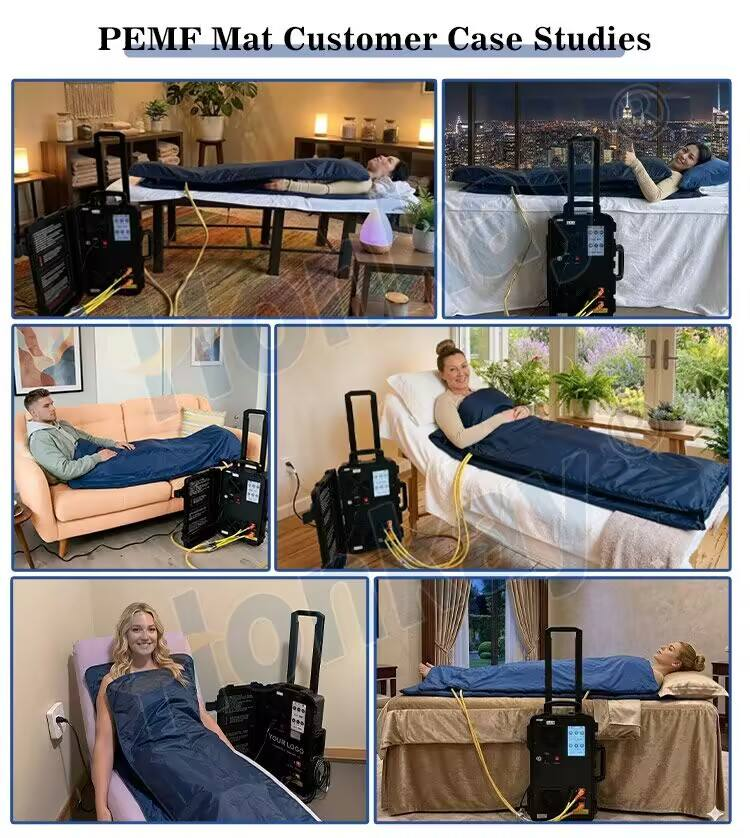
When a mat beats a loop
A mat is not an upgrade on a loop. It solves a different problem: the patient cannot hold a position, or the treatment area is too broad to cover with a handheld coil.
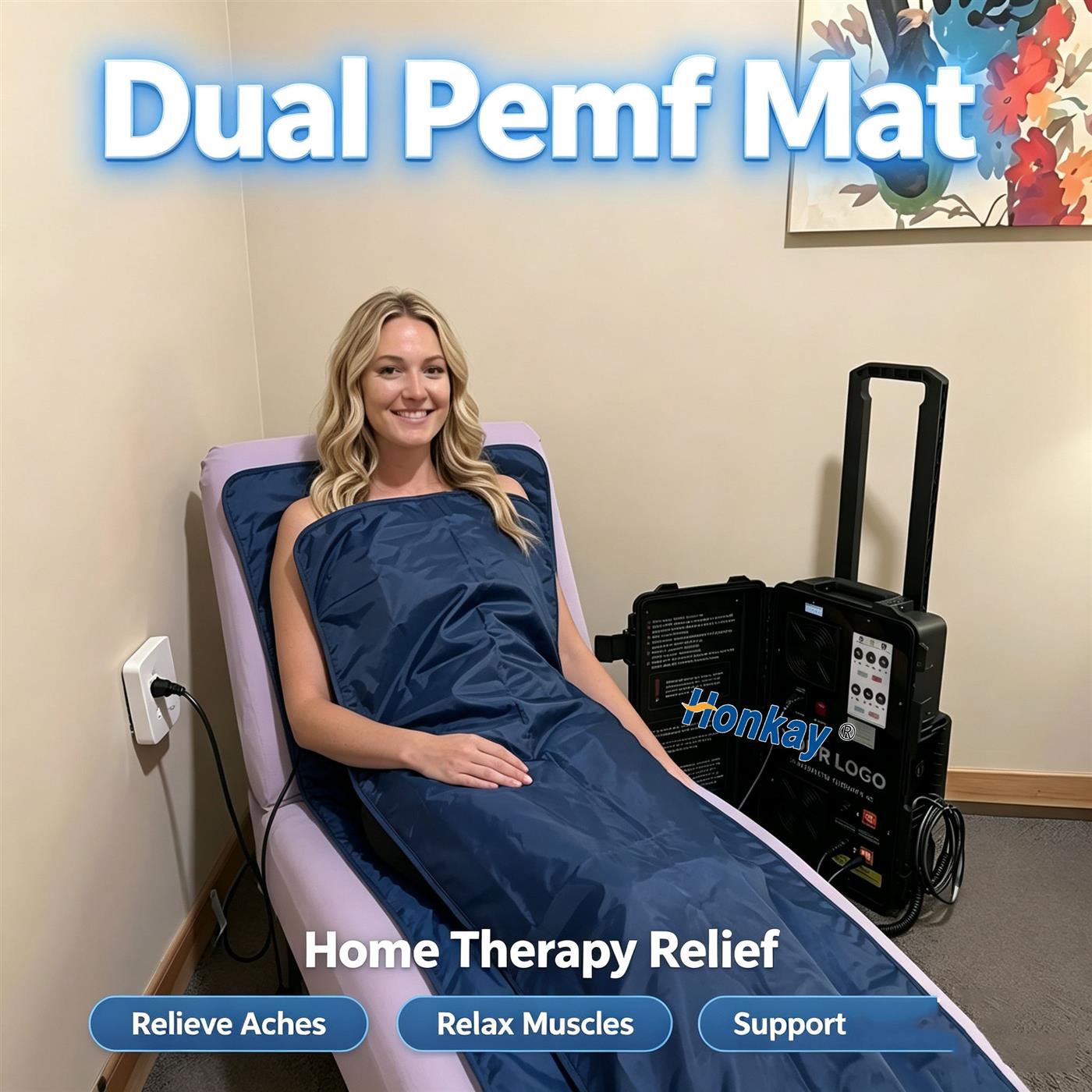
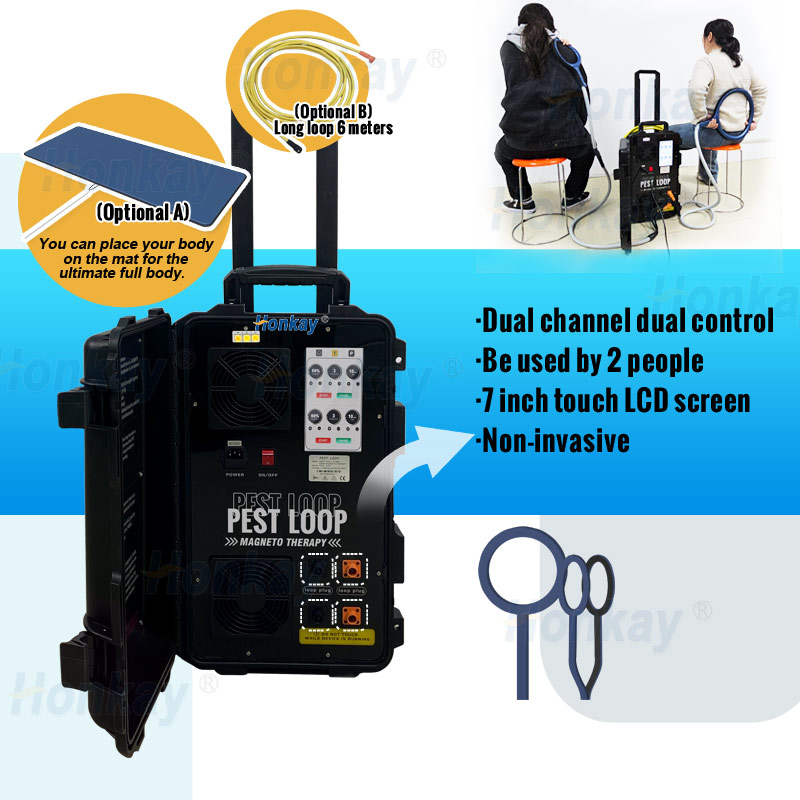
The mat options in this system come in several sizes — a dual mat at 145 × 45 cm, a PEMF mat at 140 × 68 cm, a chair cushion at 49 × 49 cm, a square mat at 30 × 30 cm, and a pet mat at 65 × 50 cm. The size determines the job:
| Applicator | Best for | Why the loop is the wrong tool here |
|---|---|---|
| Dual mat (145 × 45 cm) | Spine and long regions | Too long to cover with a handheld coil in one pass |
| PEMF mat (140 × 68 cm) | Broad back and torso work | Coverage matters more than localisation |
| Chair cushion (49 × 49 cm) | Seated sessions, pelvic-area work | Cannot be held in place for the full session |
| Square mat (30 × 30 cm) | A single region while seated | Frees the operator for the whole treatment |
| Pet mat (65 × 50 cm) | Animal work | Handling safety — the animal should not be restrained against a coil |
The practical rule: if the patient has to hold the applicator, use a loop; if the patient has to hold still, use a mat. A course that starts with a loop and ends with a mat is normal, and a system that cannot do both will push some cases out of the clinic.
Dual channel: the throughput question
Two output channels are only worth having if two applicators can run at once, and that is where the applicator set and the console have to be agreed together.
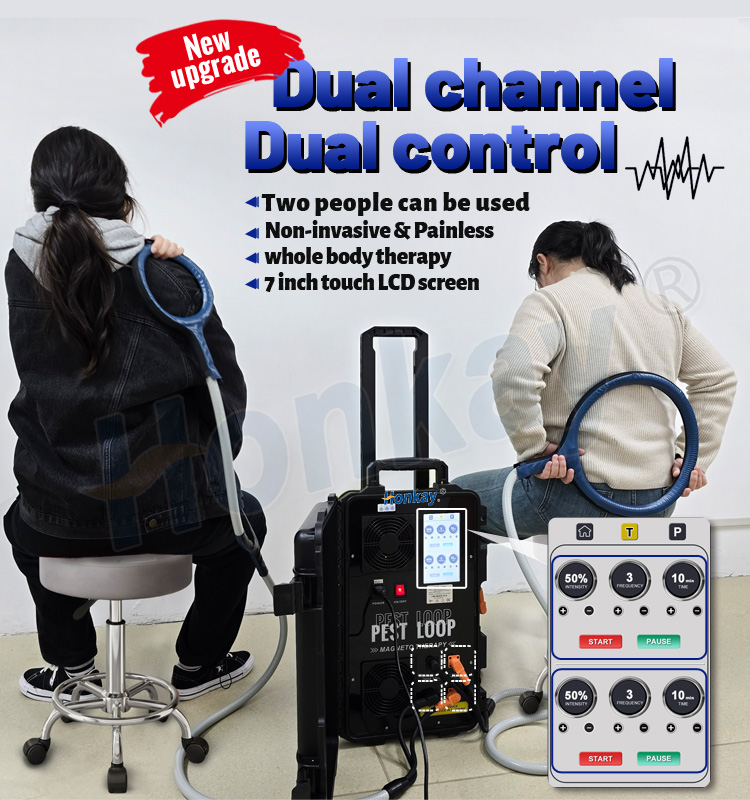
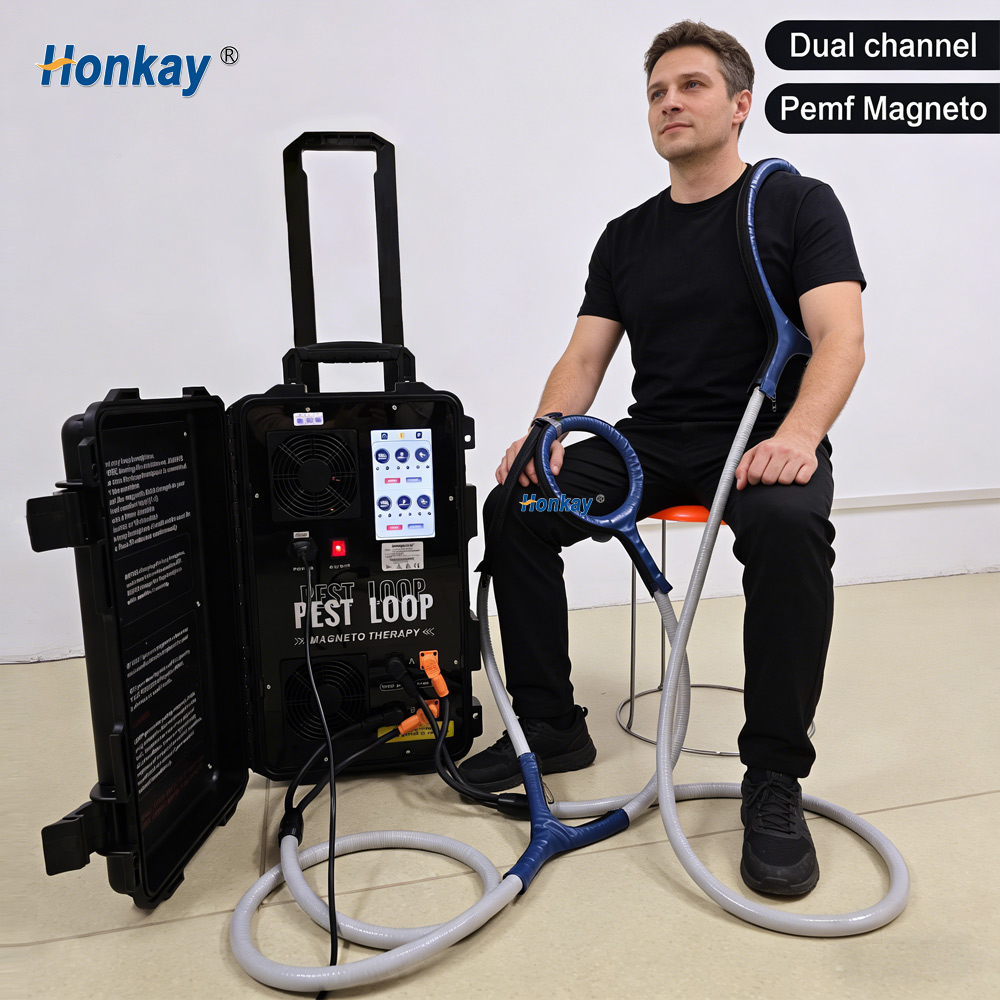
With two independent channels, two patients can be treated side by side, or one patient can have two areas worked in a single appointment. Neither is possible with a single-channel device, and neither is possible with a dual-channel console if you only own one loop.
That produces two buying consequences:
- Budget the second applicator with the console. A dual-channel machine bought with one loop is a single-channel machine in daily use.
- Decide which second applicator it should be. The right answer depends on your list — a second large loop for parallel limb cases, or a mat if one channel is usually used for back work.
Parameters to standardise across applicators
Whichever applicator is on the machine, the parameters should mean the same thing, because staff move between applicators through the day.
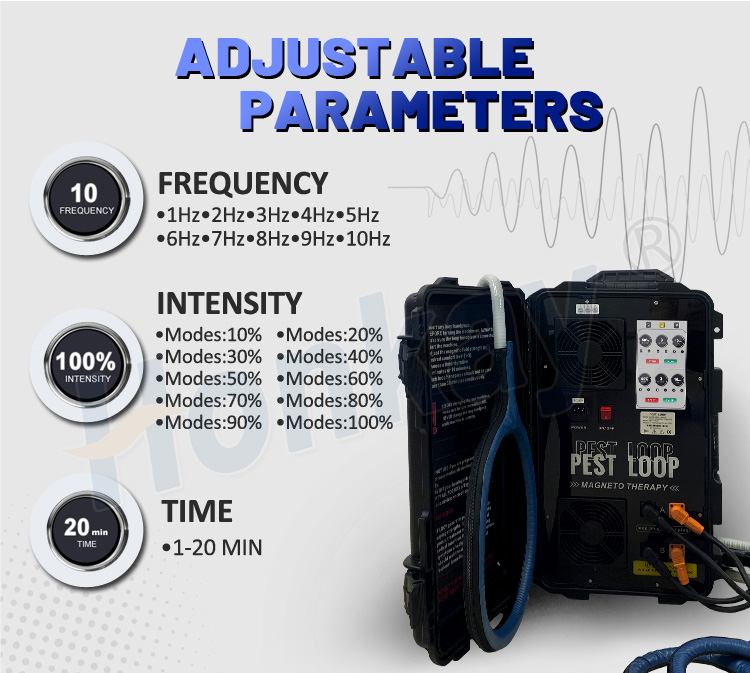
This system exposes frequency in 1 Hz steps from 1 to 10 Hz, intensity in 10% modes from 10% to 100%, and time from 1 to 20 minutes — with the same control set for either channel and a 7-inch touch screen. Three practical points follow:
- A wide parameter range is not the same as a usable one. What matters is whether the steps are fine enough to reproduce a protocol. 1 Hz and 10% steps are; a three-position switch is not.
- Time should be set per area, not per session. A 20-minute range covers both a single localised area and a full mat session.
- Document the setting, not the sensation. “Intensity mode 40%, 3 Hz, 10 minutes” travels between operators; “medium” does not.
| Compare | What to confirm |
|---|---|
| Applicator set | Each loop diameter and each mat size, listed by name |
| Second channel | Whether a second applicator is included, and which |
| Frequency range and step | e.g. 1–10 Hz in 1 Hz steps |
| Intensity range and step | e.g. 10–100% in 10% modes |
| Time range | e.g. 1–20 minutes, set per area |
| Independent channel control | Frequency, intensity and time set separately per channel |
| Packed dimensions and weight | To price freight and judge transportability |
| Warranty | Period and scope in writing |
Frequently asked questions
Should I buy loops or a mat first?
Loops, if your caseload is limb work — knees, shoulders, elbows and ankles are the bulk of most clinics’ lists and a large loop covers them. Add the mat when back, torso or seated sessions become a regular part of the day. Buying the mat first and adding loops later is the more expensive order.
Is a mat as effective as a loop?
They are not competing for the same job, so the question does not resolve cleanly. A loop concentrates the field on a defined structure; a mat covers a broad region and lets a session run without the patient holding a position. Choose by what the treatment area needs, not by which is stronger.
What do the different loop diameters do?
Diameter sets the treatment area. A 15 cm butterfly loop sits over a joint; a 30 cm large loop wraps a knee or shoulder; a 20 cm double-beats pair treats two points at once; a 50 cm X-wings covers large muscle groups; a 6 m long loop wraps a long area such as a limb or a torso.
Do I need two applicators for a dual-channel machine?
Yes, otherwise the second channel is unused. Two loops let you run two patients in parallel; a loop plus a mat lets one patient have a localised area and a broad region worked in one appointment. Decide which pairing matches your list before ordering.
Can the machine be moved between treatment rooms or taken to a patient?
These systems are built as transportable units with a case and a handle, and the console and loops fit in a car. Confirm the packed dimensions and weight so you can price freight and judge whether one person can move it.
What frequency and intensity range should I look for?
Enough resolution to reproduce a protocol: 1 Hz steps across 1–10 Hz and 10% steps across 10–100% intensity are workable, and a time range of 1–20 minutes covers both a single area and a full mat session. Confirm that both channels can be set independently.
How is a treatment recorded if two areas run at once?
Set and note the parameters per channel: intensity mode, frequency and time for each applicator separately. That record is what makes a course repeatable across operators, and it is why independent channel control matters rather than a single shared setting.
What should I confirm before ordering?
The full applicator list with loop diameters and mat sizes; which second applicator is included for the second channel; frequency, intensity and time ranges with their step sizes; independent control per channel; packed dimensions and weight; training and the after-sales contact; and the warranty period and scope in writing.
Request a quotation
Tell us what you treat and how many patients you run in a day, and we will specify the applicator set to match — which loop diameters, which mats, and whether the second channel needs a second loop or a mat. The quotation lists every applicator with its diameter or size, the parameter ranges and step sizes, the independent channel control, packed dimensions and weight, training and after-sales contact, and the warranty terms in writing.
Manager: Lisa
WhatsApp: +8613751821215
E-mail: hk6@huang-kai.com