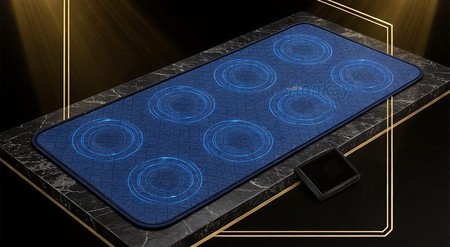
Buying a PEMF Mat for an Older Parent: What Decides the Fit
Buying for a parent is a fit problem, not a features problem
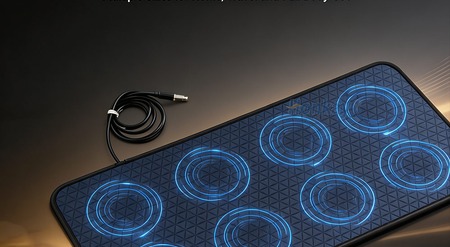
A PEMF mat bought for an older parent usually arrives as a gift, set up in one visit, and then lives with someone who did not choose it. That changes what matters. Frequency range, coil count and preset names matter far less than whether the mat can be laid flat on a bed without lifting a heavy mattress, whether the cable crosses a walkway, and whether the person using it can read what the panel is doing.
This is a checklist for the buyer rather than the user. Every item below can be settled before the order, and each one comes from what the manufacturer’s manual actually specifies rather than from a product listing.
Start with where it will lie, then pick the size
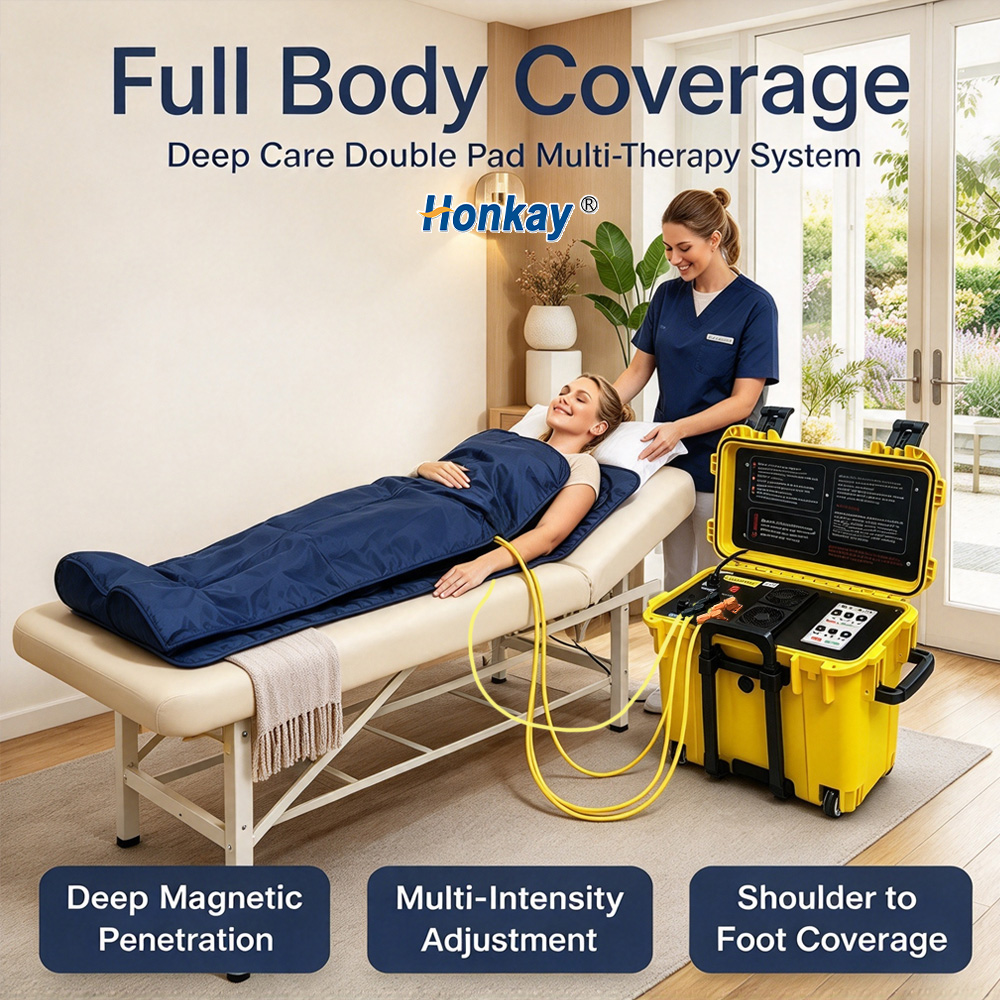
The mat has to sit on a flat, hard, heat-resistant surface. In a parent’s home that usually means one of three places, and each points at a different size.
| Where it will be used | Size that fits | What to check first |
|---|---|---|
| On top of a bed | 60×100 cm or 60×200 cm | Whether it can be laid flat without lifting the mattress |
| On the floor, in front of a chair | 40×120 cm or 60×200 cm | Getting down and up again unaided |
| On a chair or armchair seat | 40×60 cm | Seat width, and whether the mat overhangs |
A full-length mat is the wrong gift if the recipient cannot get down to the floor and back up. A small mat on an armchair is the wrong gift if the intention was to use it lying down. The purchase usually fails at this point rather than at the electronics.
The cable is the part to plan for
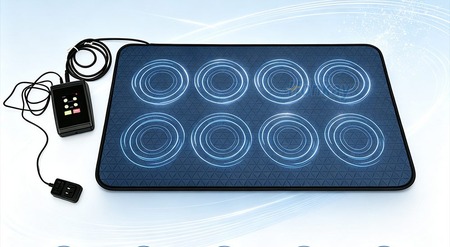
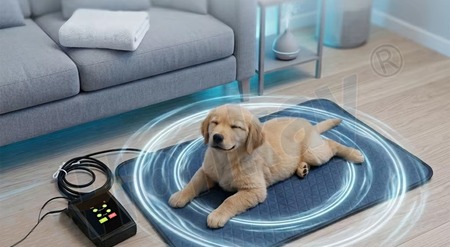
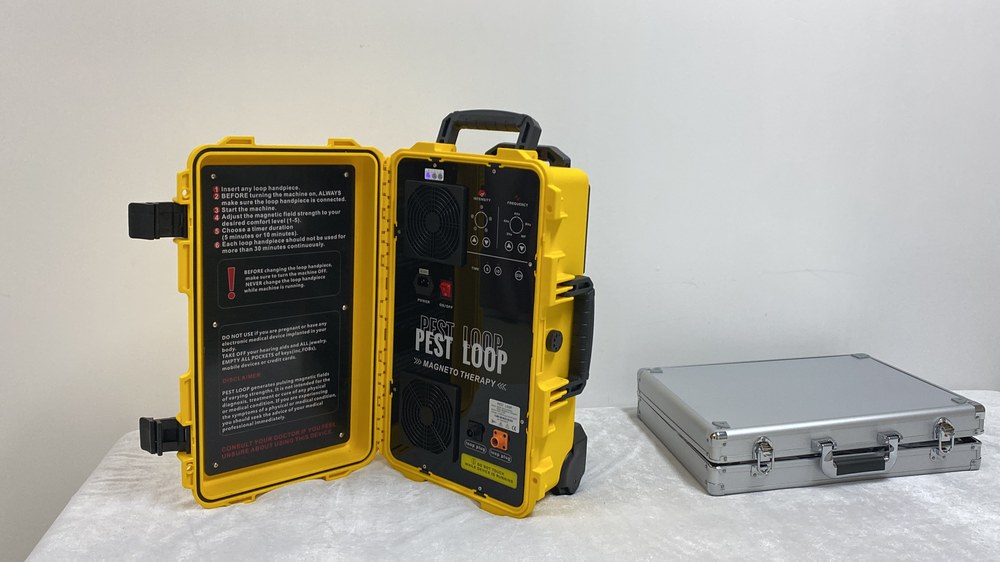
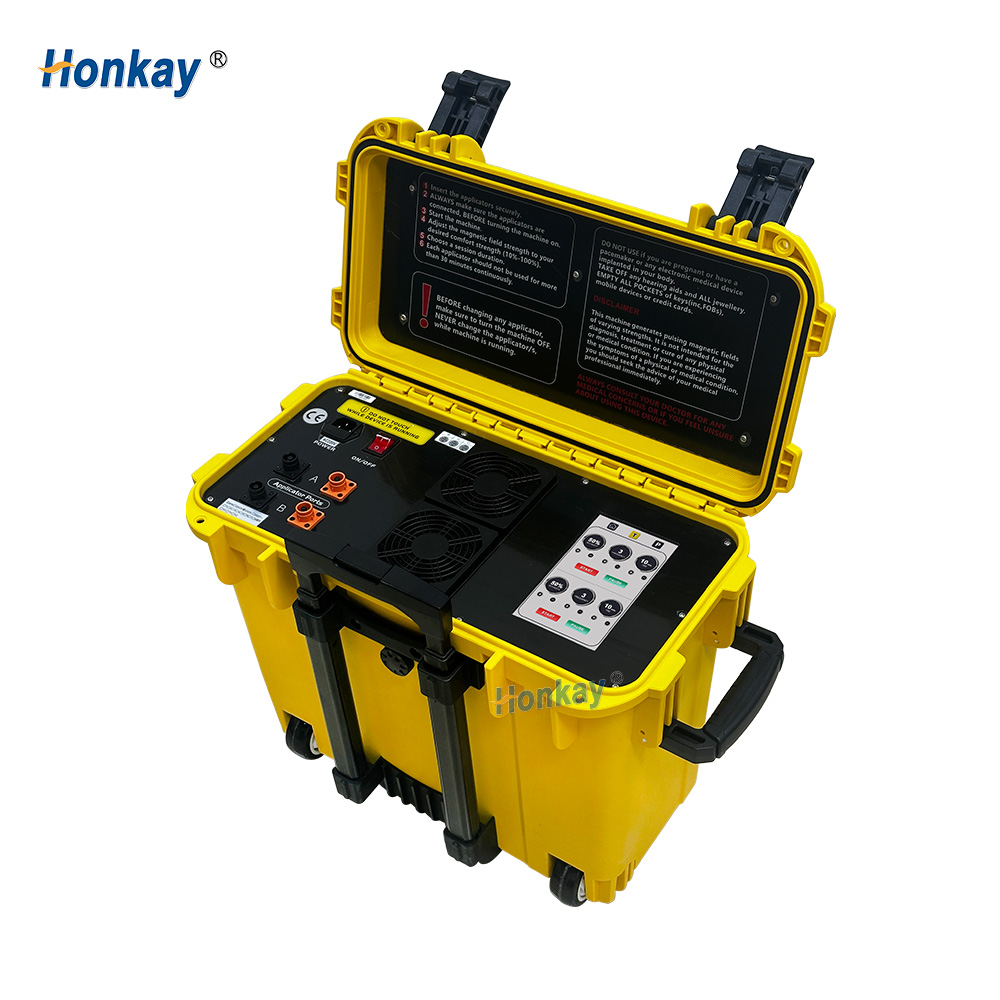
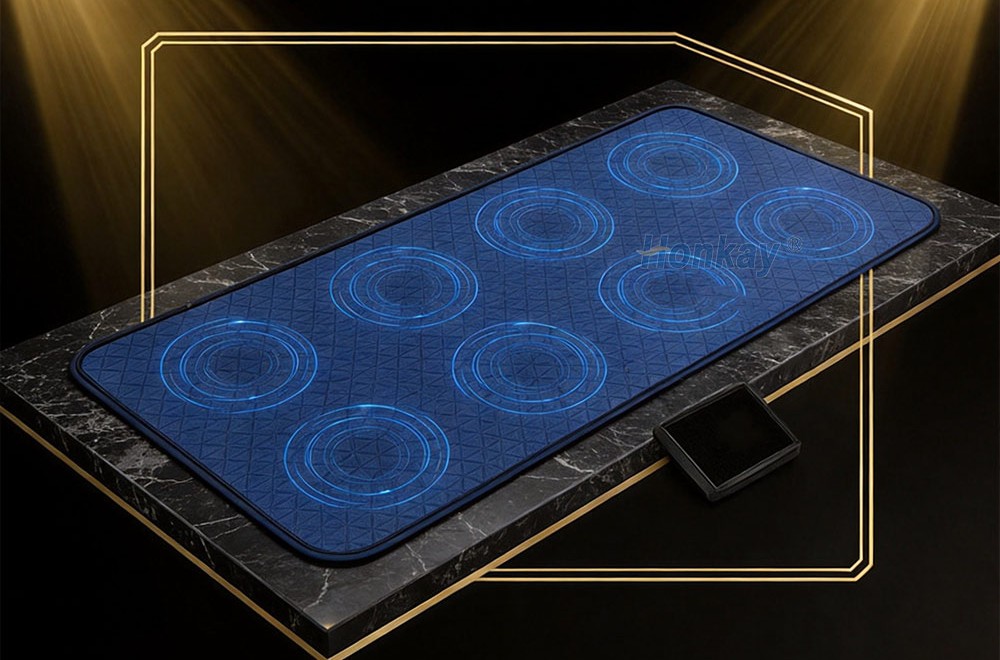
The mat is powered by a separate control unit through a connection cable, and the unit runs from a power adapter. In a household with an older adult, that is three objects on the floor where there used to be none: the pad edge connector, the control unit, and the adapter.
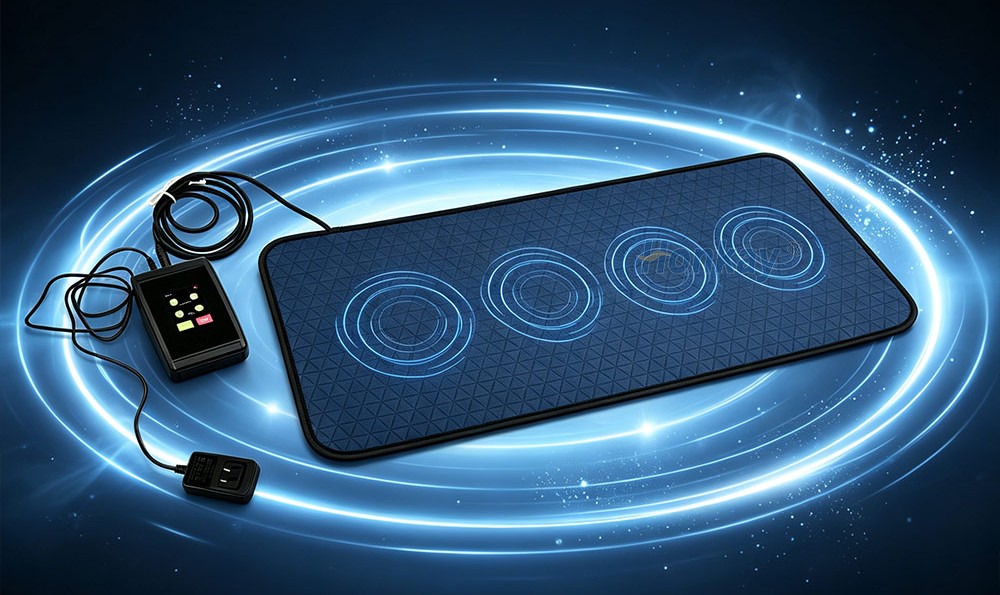
The manual is specific about the order of assembly: connect the cable to the pad and check the connector is fully seated before the adapter goes into the wall. It is also specific that the control unit should sit where it can shed heat — not tucked under a cushion or covered with a towel, both of which are exactly what happens when a device is placed next to a favourite chair.
The practical version of this for a gift: decide in advance where the unit will live, and whether the cable will cross a walking route between the chair and the door. If it will, a shorter mat placed along the wall is usually better than a longer one across the room.
A preset is easier than a panel — for some users
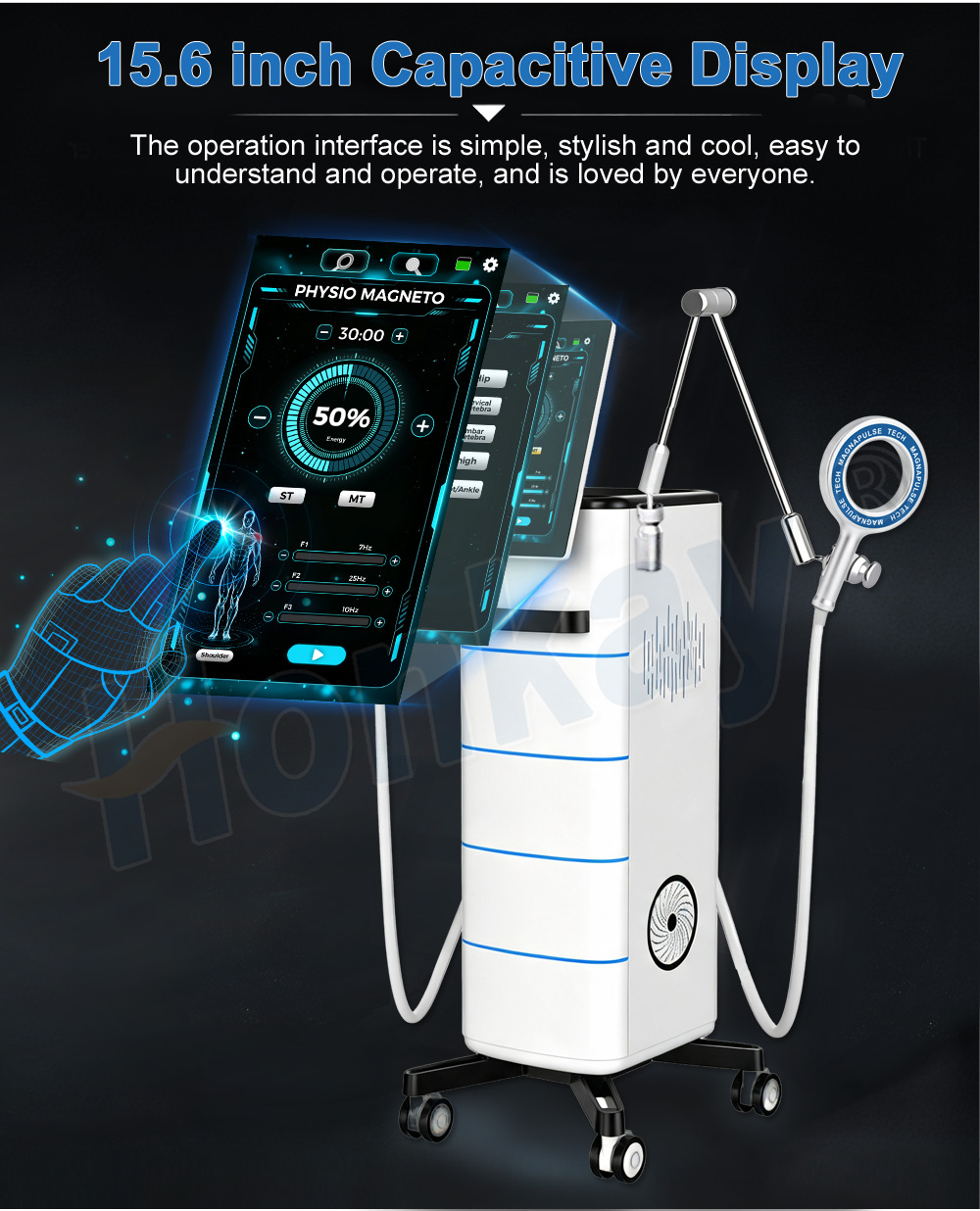
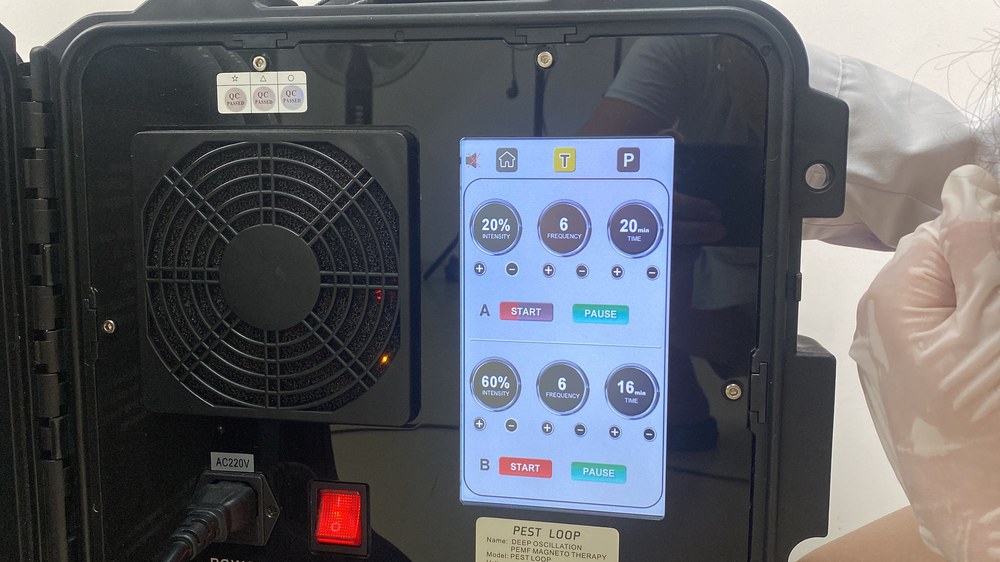
The control unit carries five starting points, each combining a frequency band, an intensity level and a session length. For a user who is comfortable with small screens, the panel is adjustable and gives full control. For a user who is not, the five presets are the entire interface that matters, and the useful question before buying is which one they will press.
It helps to set that up on the first visit rather than leaving the manual in the box. Choose one preset, write its name and the length on a card, and leave the card beside the mat. A single known setting removes the daily decision, which is the usual reason a device ends up unused.
The first session is five to fifteen minutes
The manual gives first-time users 5–15 minutes at the lowest intensity. That is shorter than most people expect, and it is the instruction most often skipped when a mat is set up for someone else. A forty-minute first session is not a faster start; it is the reason some users never try a second one.
A workable ramp is the short end of that range for the first three sessions, then ten extra minutes per week. Everything stays under the two limits that apply to everyone: at least five hours between sessions, and no more than 120 minutes in a day.
Two limits worth writing on the card
The first is the head rule. If the mat is used under the head or neck, frequency must not exceed 2 Hz. On a full-length mat this is easy to get wrong, because the head naturally rests on the pad. Either keep the head off the mat, or set the frequency within that limit.
The second is the evening rule: above 15 Hz is not advised after 20:00. For someone whose only quiet time is late evening, this points at the lower-frequency presets rather than the higher ones, and it is worth deciding that before the first session rather than after it.
When to ask a clinician before starting
This matters more for older buyers than for any other group, and the manual is direct about it. The mat is contraindicated for users with a pacemaker or an implanted electronic device, including implanted neurostimulators. Anyone pregnant, anyone with a serious medical condition, and children should be discussed with a clinician first.
The manual also states plainly that the mat is not a medical device and is not intended to diagnose, treat, cure or prevent any disease. That is worth reading out loud to a parent who expects a treatment, because mismatched expectations — not the device — are what usually end a home-use routine.
What to send the supplier
| Detail | Why it changes the answer |
|---|---|
| Where the mat will lie | Bed, floor and chair point at three different sizes |
| The height of the surface | A high bed changes whether a full-length mat is workable |
| Who will operate it | Decides whether presets or the panel will be used |
| Plug type at the wall | Input is 110–240 V, but the adapter plug is market-specific |
| Manual language | The limits are only useful if they can be read by the user |
Frequently asked questions
Is a full-length mat better for older users?
Only if it can be laid flat and the user can get onto it and up again without help. Otherwise a smaller mat on a chair or bed is used more often.
Can it be used in bed at night?
The mat can be placed on a bed, but above 15 Hz is not advised after 20:00, and the head area must stay at or below 2 Hz if it rests on the pad.
Does a pacemaker rule this out?
Yes. The manual lists pacemakers and implanted electronic devices, including implanted neurostimulators, as contraindications.
How heavy is it to move?
The mat rolls or folds into a carry bag for storage, but the manual warns against repeated tight folding because the coils sit inside the pad.
Is a heating pad the same thing?
No. A heating pad delivers warmth; this mat delivers a pulsed magnetic field and does not warm the surface as its working mechanism.
Can two people share one mat?
They can use it in turn. The daily total of 120 minutes and the five-hour spacing apply to each user, and the surface should be wiped between them.
What if the user forgets the settings?
Leave a card with one preset name, the level and the minutes. A single written setting is more reliable than a manual in a drawer.
How long is the warranty?
24 months from the factory shipment date. Claims need the device serial number and video evidence of the fault.
About Honkay and the next step
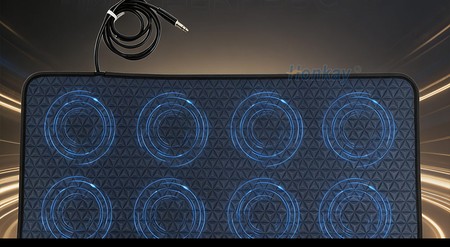
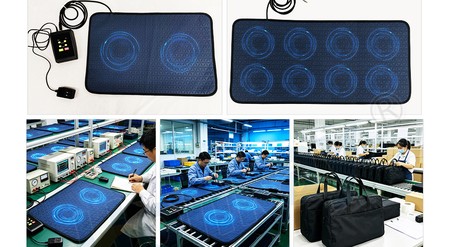
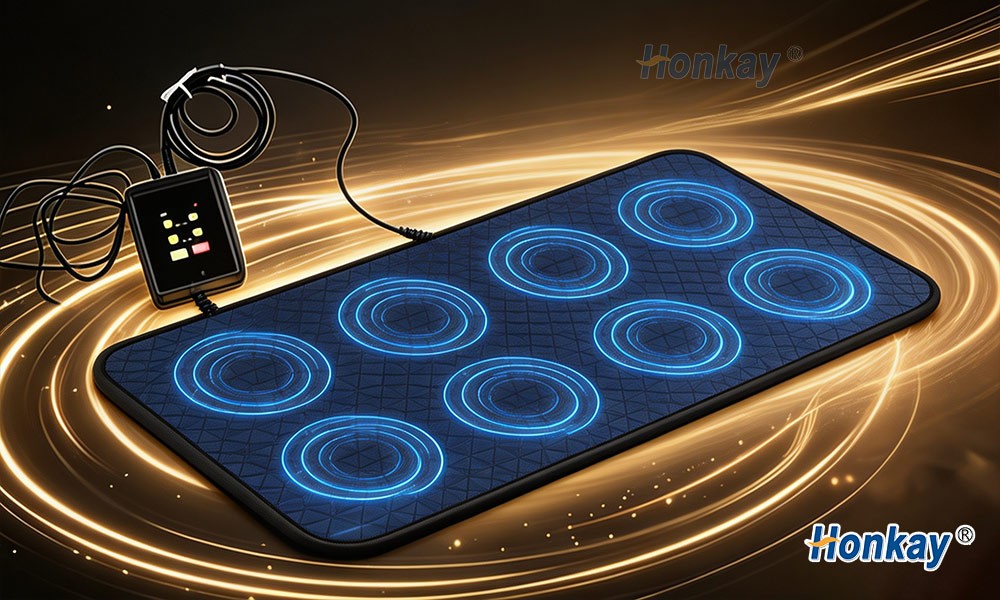
Honkay has manufactured physiotherapy and aesthetic equipment since 2005, with 20 years of OEM and ODM work behind the range. The PEMF mat line is made in house in four sizes, from a 40×60 cm two-coil pad to a 60×200 cm eight-coil mat, each supplied with a control unit, connection cable, power adapter, carry bag and manual.
If the mat is a gift, tell the Honkay team where it will be used and who will operate it. That is usually enough to settle the size before anything else is discussed. Warranty runs 24 months from the factory shipment date.
Reach the Honkay team on WhatsApp at +8613751821215, or by email at hk6@huang-kai.com.
This device is intended for adjunctive use alongside professional care, not as a replacement for diagnosis or treatment. Suitability should be confirmed with a qualified clinician; individual experience varies.
Chat with the Honkay team on WhatsApp | Email hk6@huang-kai.com