Shockwave vs TECAR vs PEMF Therapy: Which Device Should Your Clinic Buy in 2026?
Shockwave, TECAR and PEMF therapy machines compared: how each works, which conditions each suits, certification checks and typical clinic investment.
Direct answer: Pick shockwave (ESWT) if your caseload is dominated by chronic tendon, fascia and calcification problems and you want the deepest evidence base for localised mechanical treatment. Pick TECAR (448 kHz) if you treat a lot of acute soft-tissue injury, post-surgical swelling and sports recovery, where you need thermal and current effects spread over a wider treatment area. Pick PEMF if you want a non-contact, high-throughput modality for pain, circulation and bone healing — and the only one of the three that works equally well on horses, dogs and small animals. Most clinics that buy one eventually own two, because the three technologies overlap in the waiting room but not in the treatment room.
The three technologies at a glance
| Shockwave (ESWT) | TECAR (448 kHz) | PEMF | |
|---|---|---|---|
| Physical principle | High-energy acoustic pressure waves | Capacitive–resistive radiofrequency current | Pulsed electromagnetic field |
| Energy reaches | Focal point, several cm deep | Superficial to deep tissue, broad area | Whole-body or local field volume |
| Contact with patient | Required (handpiece + coupling gel) | Required (electrodes + conductive cream) | Not required for coils/loops/pads |
| Best-evidenced use | Chronic tendinopathy, plantar fasciitis, calcific shoulder, myofascial trigger points | Muscle injury, oedema, post-op rehabilitation, sports recovery, musculoskeletal pain | Pain relief, oedema, bone healing, non-union fracture, circulation |
| Typical session | 5–15 min, 1–4 sessions, 5–10 day intervals | 20–40 min, 6–12 sessions | 10–30 min, repeated frequently |
| Patient sensation | Sharp, brief, can be uncomfortable | Deep warmth | Little to nothing |
| Main limitation | Painful; focus required; not for acute inflammation | Needs trained electrode placement; local effect only | Lower peak effect per session; evidence quality varies |
| Regulatory status | Class II medical device in the US (specific indications cleared) | Medical device in the EU under MDR; classes vary by claim | FDA-cleared for specific indications; not blanket-approved |
| Typical clinic investment | Roughly US$3,000–8,000 radial; US$8,000–20,000+ focused | Quoted per configuration — channel count and energy drive price | Quoted per configuration — applicator count drives price |
Price bands above are from published vendor market data for shockwave systems (2025); TECAR and PEMF are configuration-dependent and should be quoted item by item rather than compared on one headline figure.
How each technology actually works
Shockwave therapy (ESWT)
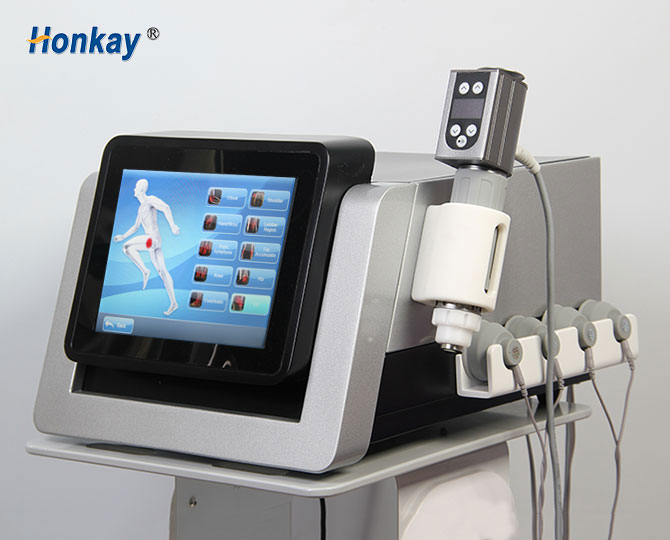
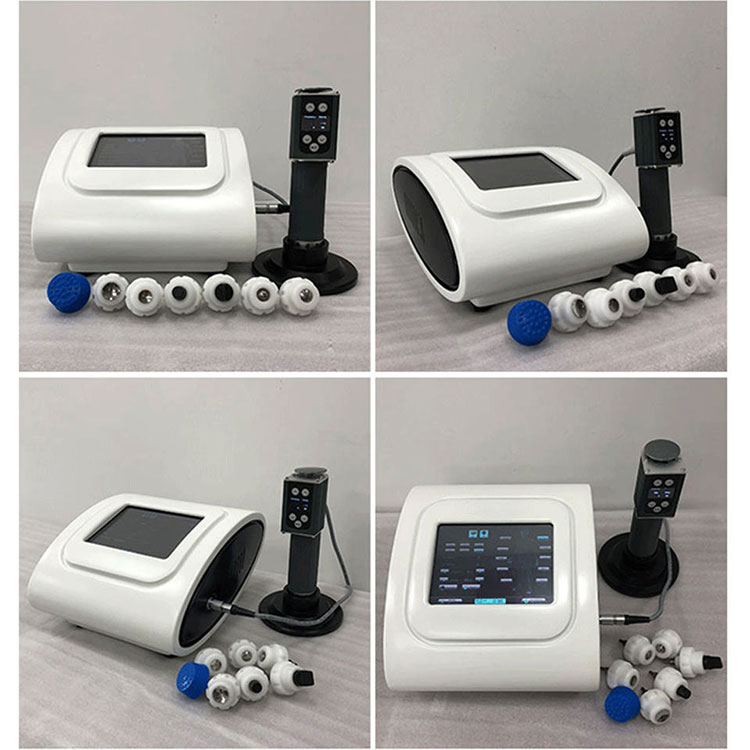
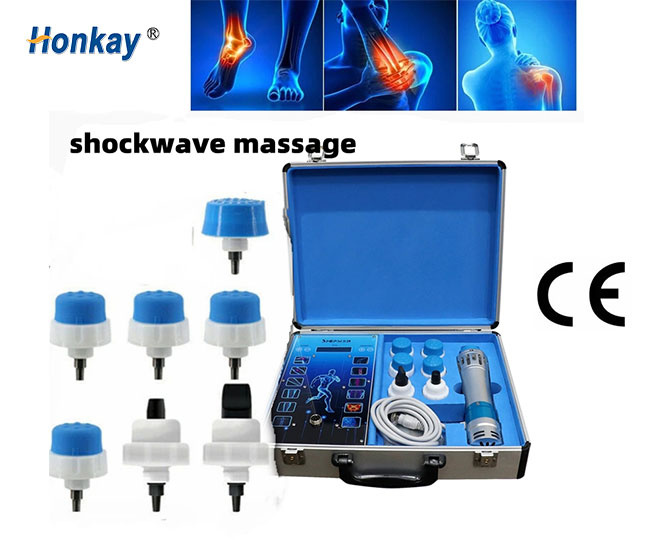
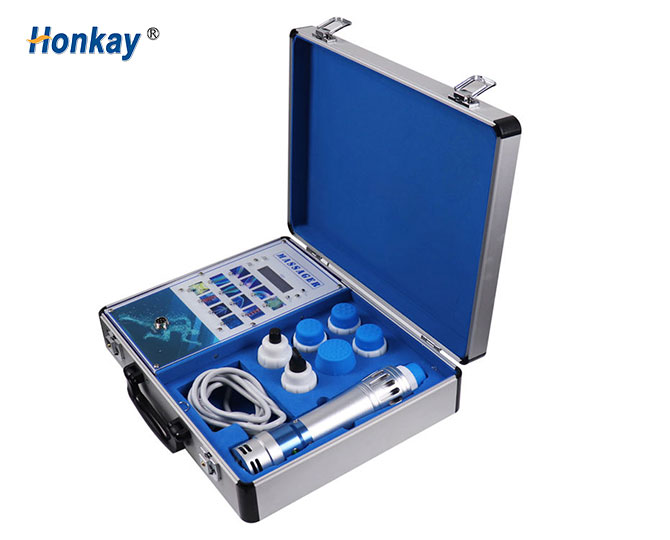
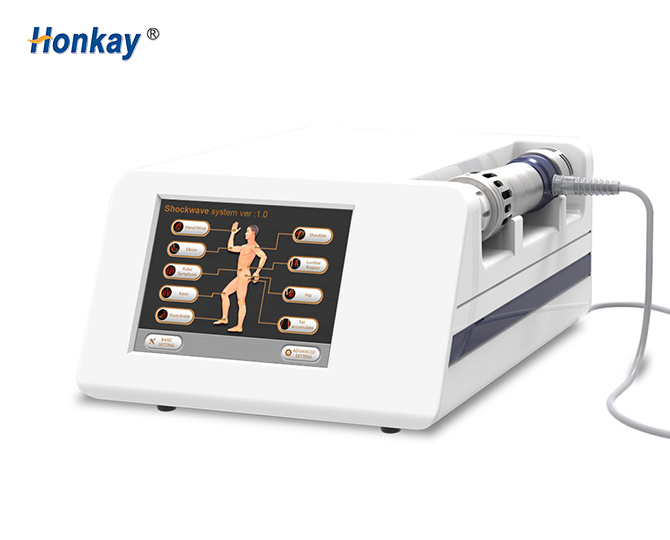
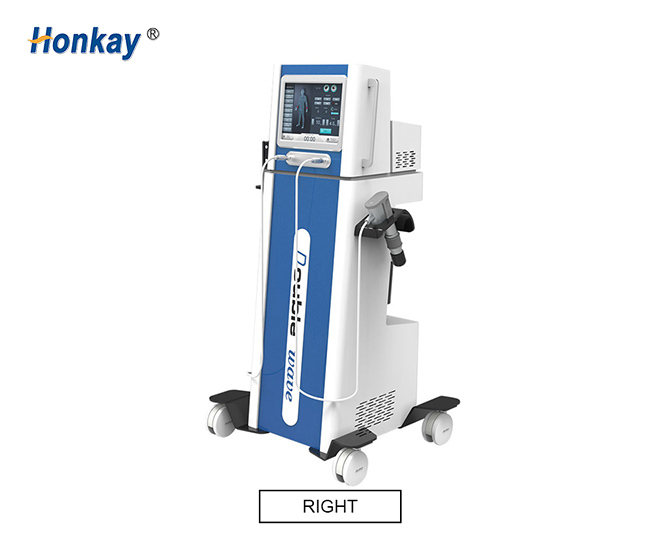
Extracorporeal shockwave therapy delivers acoustic pressure pulses into tissue. Focused systems concentrate energy at a defined depth; radial systems spread lower-energy pulses from the applicator surface. The mechanical stimulus triggers a repair response in chronically degenerated tissue — which is why shockwave is used on problems that have already failed rest and physiotherapy, not on fresh injuries.
Regulatory history matters when you evaluate suppliers. The US FDA first cleared ESWT for proximal plantar fasciitis in 2000 and lateral epicondylitis in 2002, and has since classified extracorporeal shock wave devices for chronic wound treatment as Class II (FDA classification notice, 2018). For current indications, operator training and contraindications, the reference document is the ISMST Guidelines for ESWT, 3rd edition (2024), which also states that treatment should be delivered by trained, certified and licensed professionals. A clinical overview of the musculoskeletal evidence is available in this review of ESWT in musculoskeletal disorders.
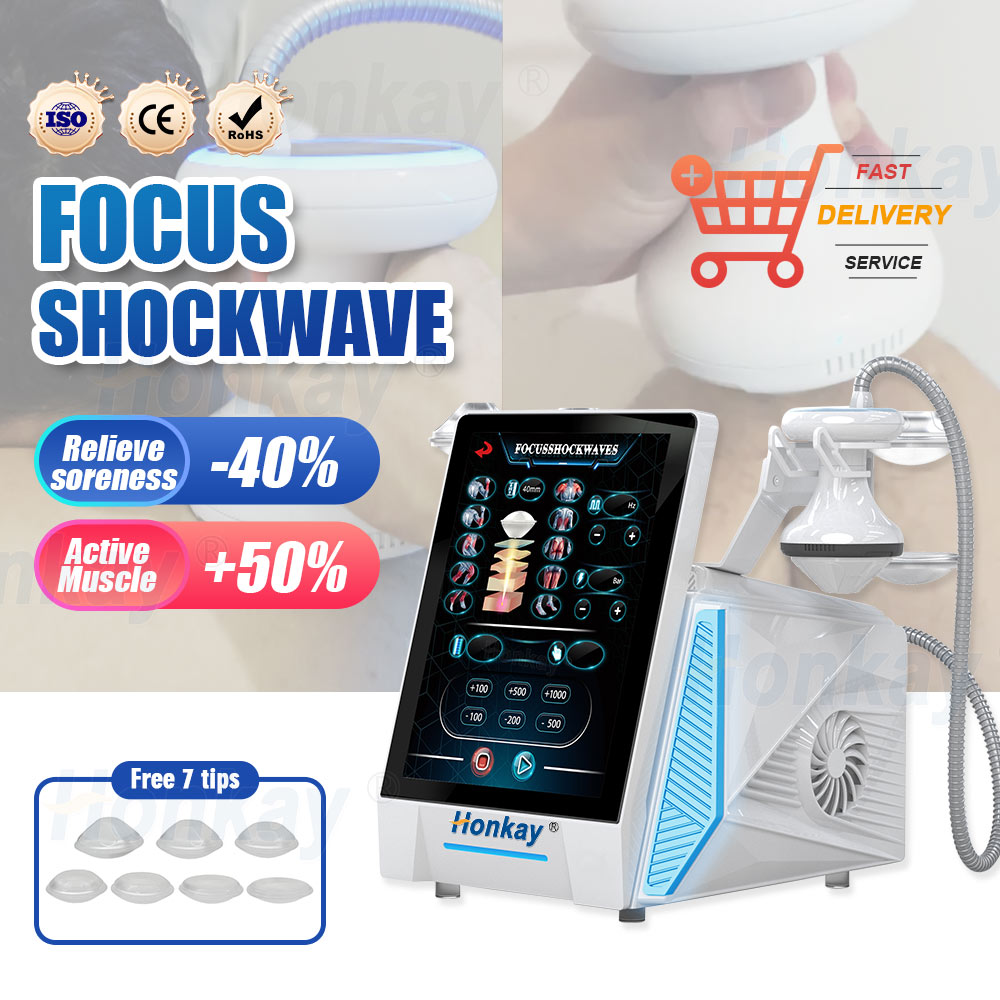
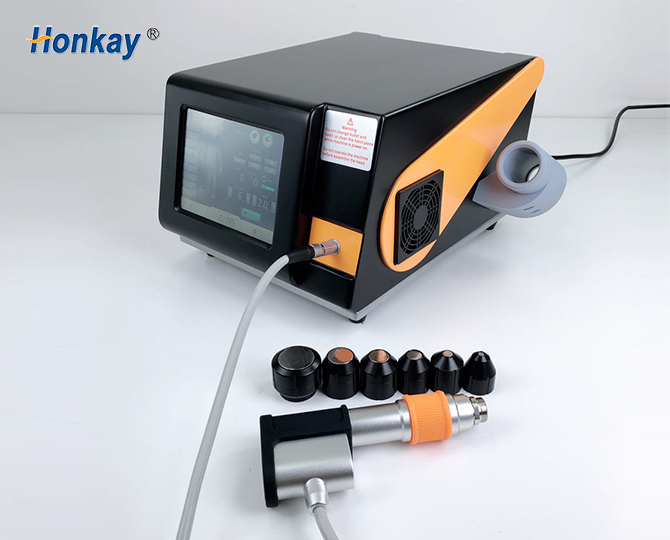
Representative specification — Honkay HKS-39 (electromagnetic focused shockwave)
| Parameter | Value |
|---|---|
| Energy source | Electromagnetic coil drives a diaphragm; the wave is generated in water outside the body and focused by a reflector |
| Working depth | 0–8 cm, single treatment head with intelligent zoom |
| Intensity | 0–100 % (factory preset 40 % on the neck program) |
| Frequency | 0–10 Hz |
| Shocks per session | 0–5,000, adjustable in 500-shock steps |
| Session length | About 10 minutes |
| Preset protocols | 12 body-part programs: neck, shoulder, back, hip, elbow, wrist, hand, knee, calf, ankle, foot, ED |
| Consumables | No-consumable design — coupling is water-based, with automatic de-bubbling |
| Interface | 10.4-inch touch screen |
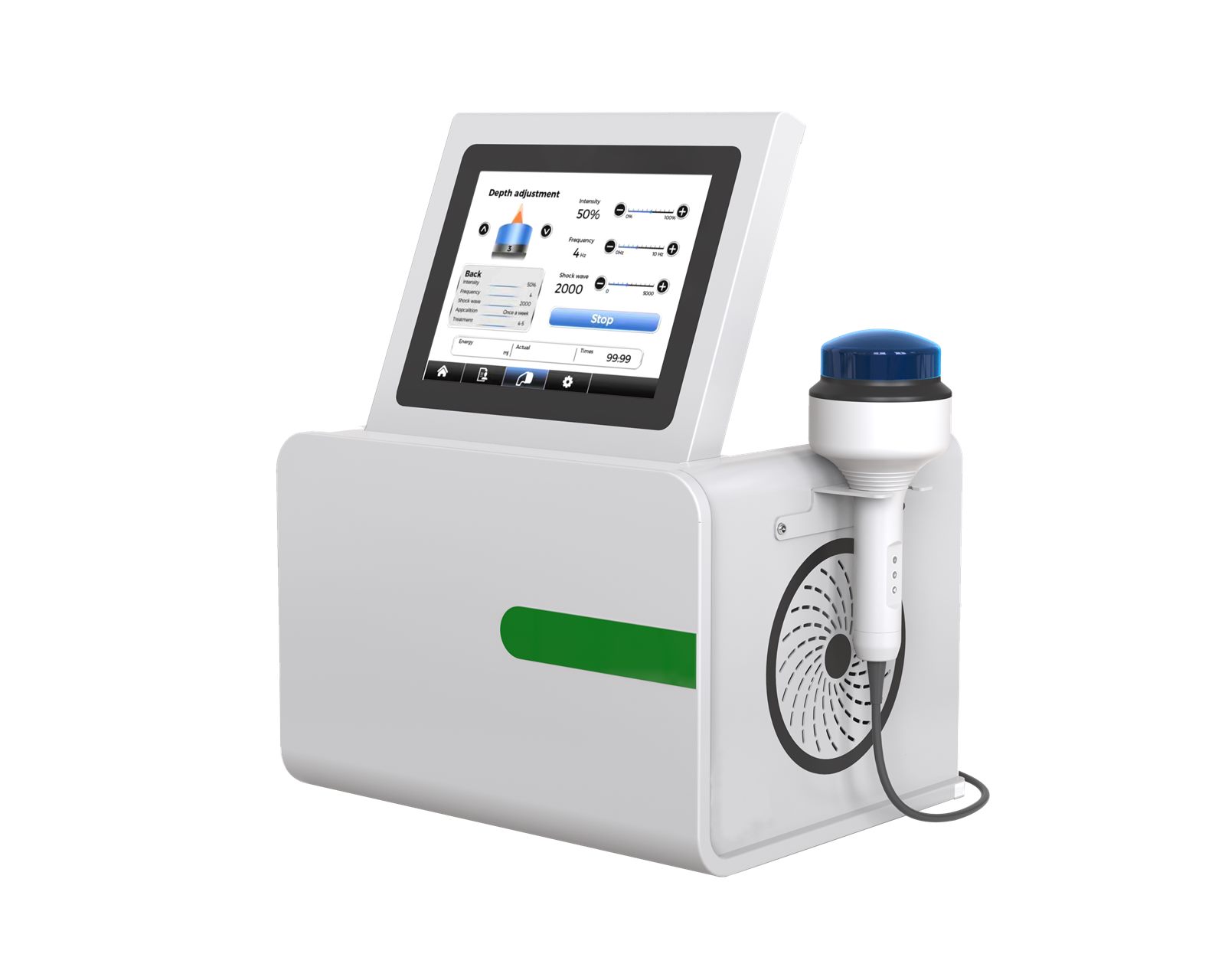
This is where supplier quotes actually diverge. Two vendors advertising “focused shockwave” can differ on working depth, shock count, and whether the applicator needs a consumable cartridge — all three change your cost per treatment, not just your purchase price.
Buying note: radial vs focused is not a quality ranking — it is an indication decision. If you plan to treat deep insertional pathology you need a focused shockwave platform; if your volume is broad myofascial and trigger-point work, a radial unit is the right tool. Clinics that handle both rarely buy two consoles. Check the full shock wave range for units that combine shockwave with other modalities before committing to two devices.
TECAR therapy — 448 kHz capacitive and resistive transfer
TECAR (Transfert Électrique Capacitif et Résistif) applies radiofrequency current at 448 kHz through two electrode modes. Capacitive mode concentrates on well-vascularised, moist tissue; resistive mode is used where resistance is higher, such as tendon and bone-adjacent structures. Physical findings are consistent across studies: 448 kHz therapy can significantly raise and sustain tissue temperature, and it also produces non-thermal effects including changes in microcirculation and vascular permeability (thermal and non-thermal effects of capacitive–resistive transfer; temperature retention study, International Journal of Hyperthermia). Electrode geometry also changes how deeply temperature and current penetrate, which is why protocol training matters more than raw power (comparison of electrode configurations).
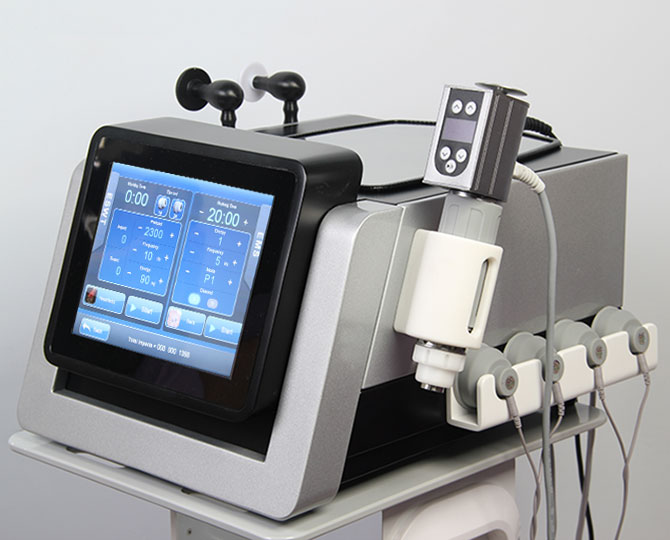
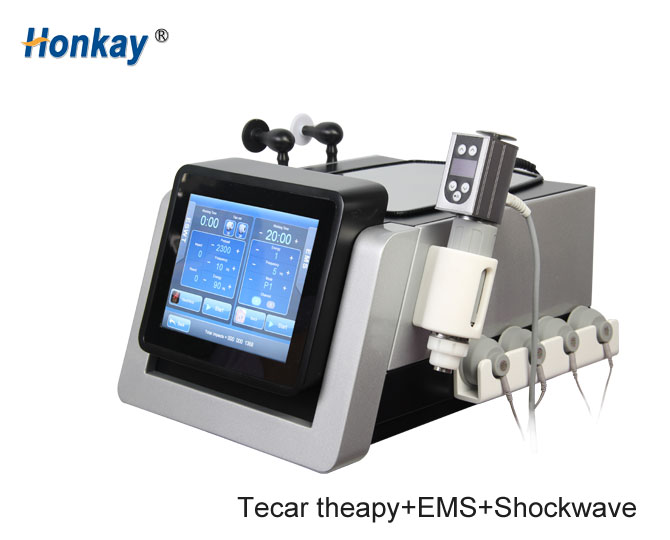
TECAR output is often sold as RET/CET, or bundled into a single 3-in-1 platform that also carries shockwave and laser — a configuration many clinics choose to save bench space, and one that lets you run a combined shockwave + TECAR physiotherapy console instead of two separate units. Honkay builds a dedicated 448 kHz 3-in-1 CET/RET platform in this configuration, which lets a clinic run TECAR protocols without dedicating a separate console.
Representative specification — Honkay 448 kHz CET + RET + PAD series
| Parameter | Value |
|---|---|
| Output frequency | 448 kHz |
| RET power / CET power | 400 W / 400 W (machine power 600 W) |
| RET tips | 4 pieces — 70, 55, 40, 30 mm |
| CET tips | 4 pieces — 70, 60, 35, 30 mm |
| PAD handle | 140 × 85 mm, for large areas |
| Session control | 0–60 min at 0–100 % power; RET-PAD mode caps temperature at 45 °C |
| Interface | 10.1-inch touch screen |
| Built-in interlock | The session will not start unless the handpiece detects full skin contact, RF conductive cream, and the negative electrode plate in place — the progress bar stays blank otherwise |
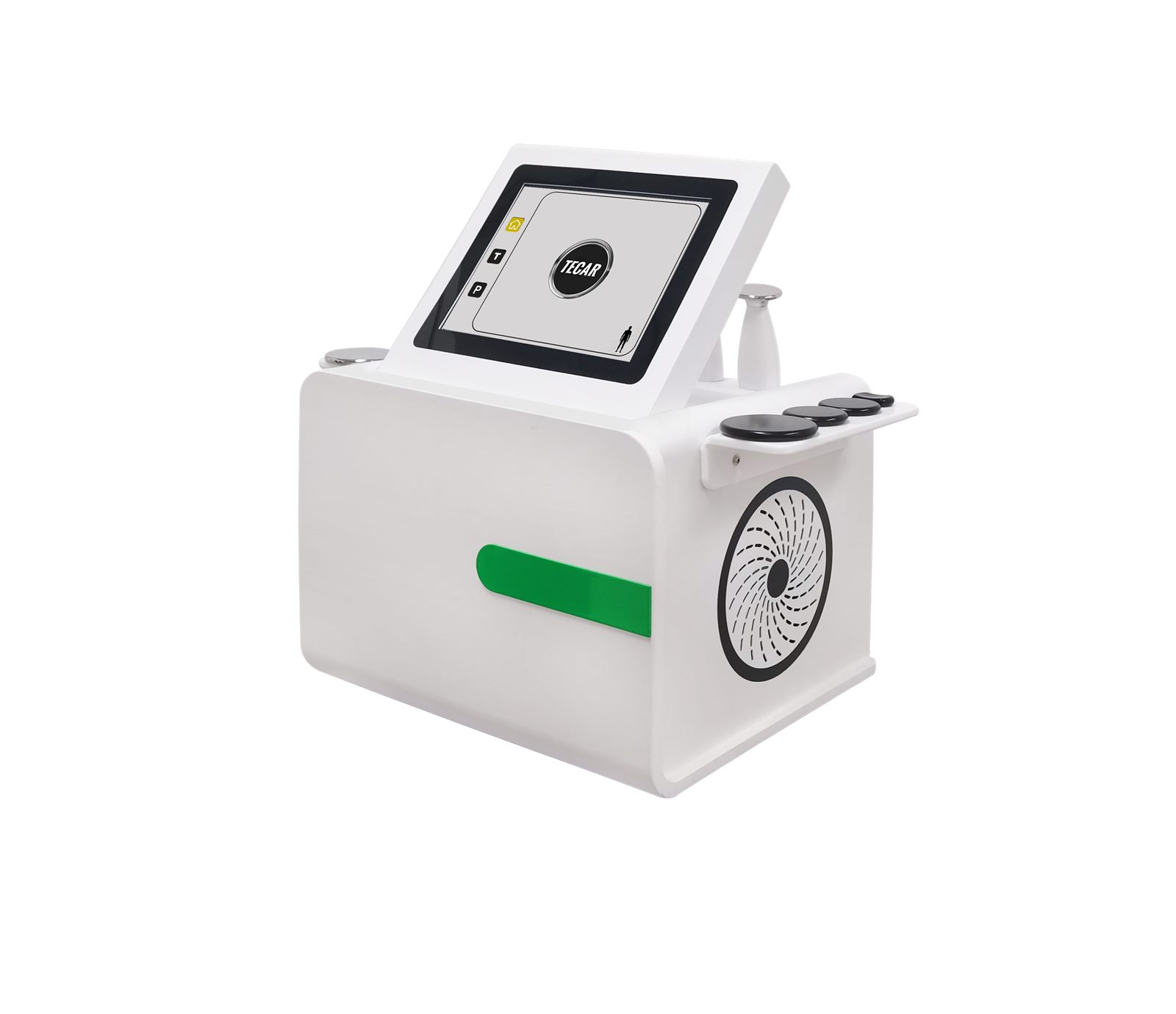
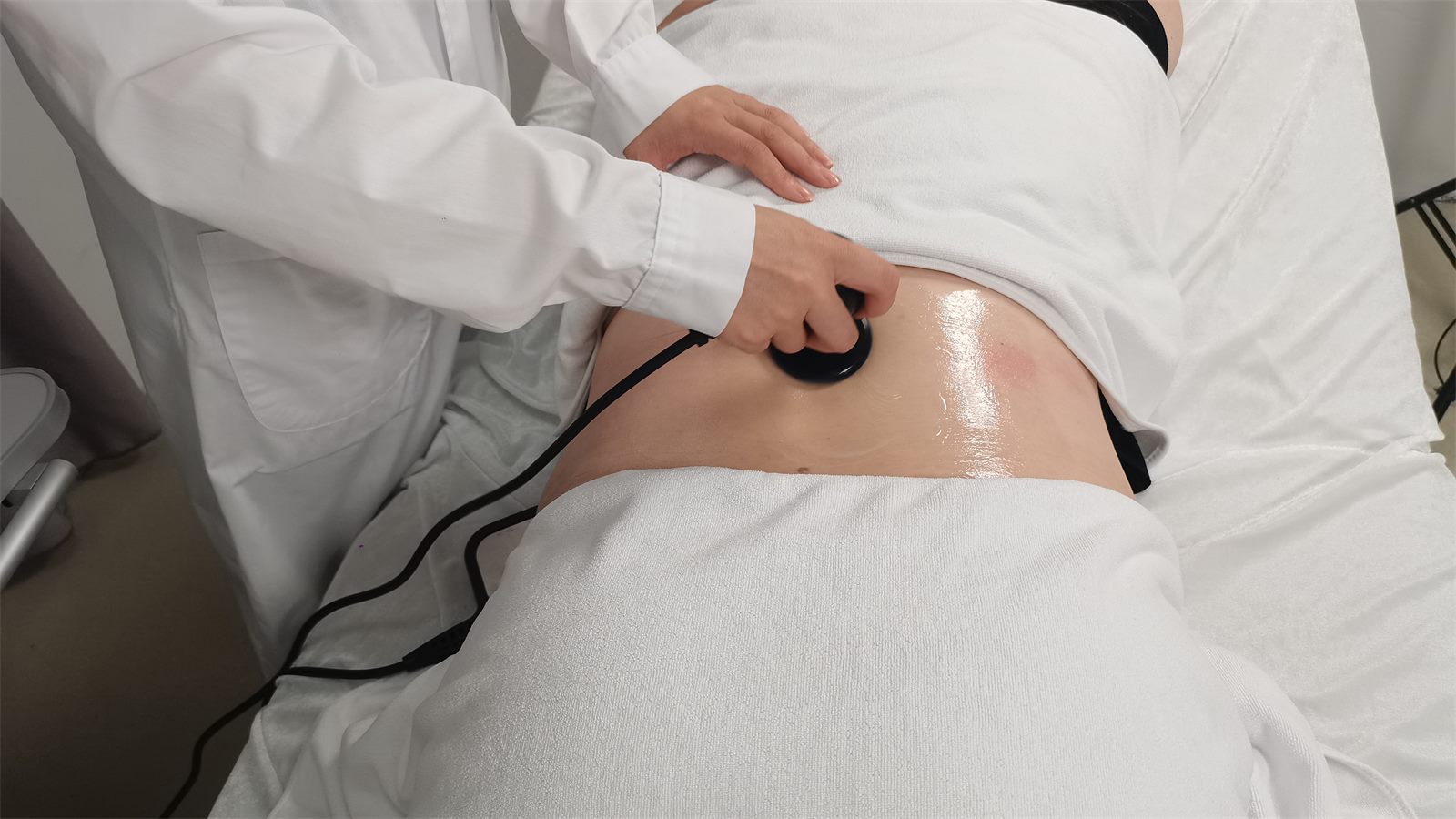
The interlock is worth more than it sounds. When a TECAR handset “doesn’t heat”, the cause is nearly always a missing conductive medium, incomplete skin contact, or a disconnected electrode plate — not a defective generator. A machine that refuses to start and shows no progress bar turns that into a five-second check for whoever is running the room.
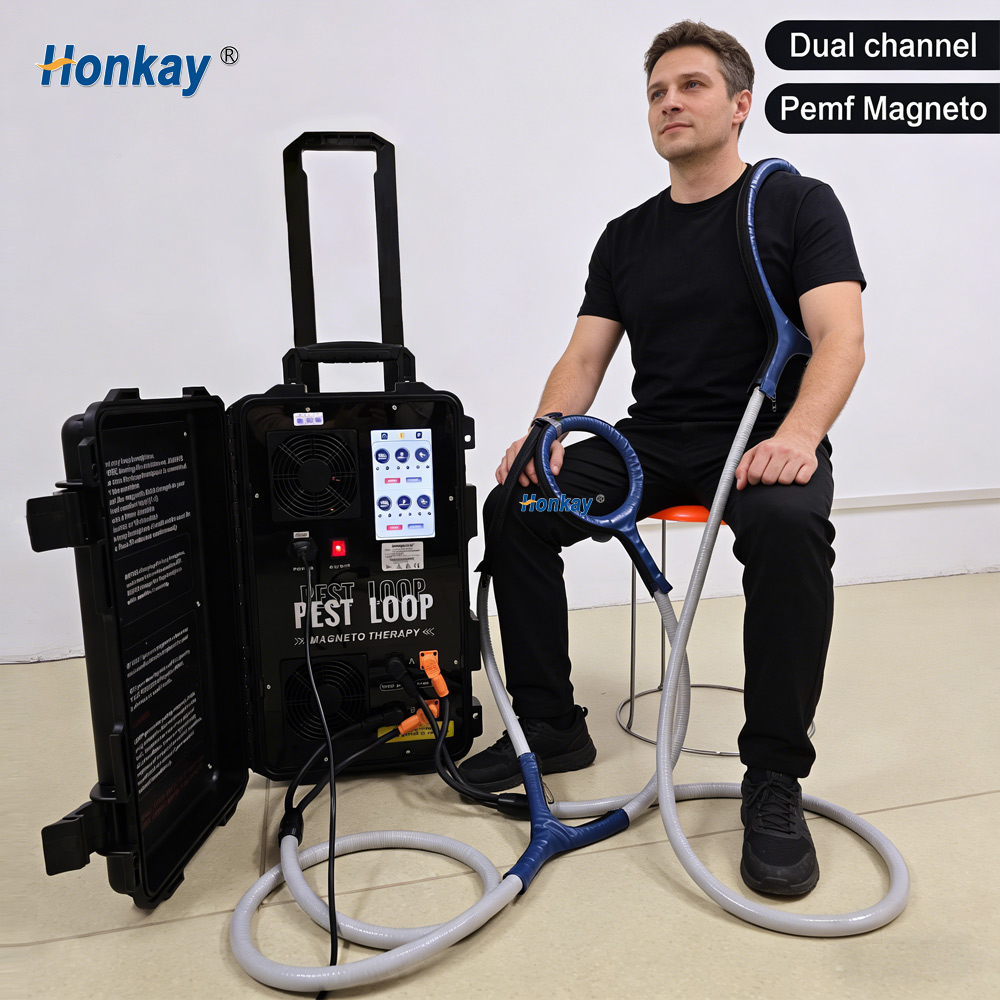
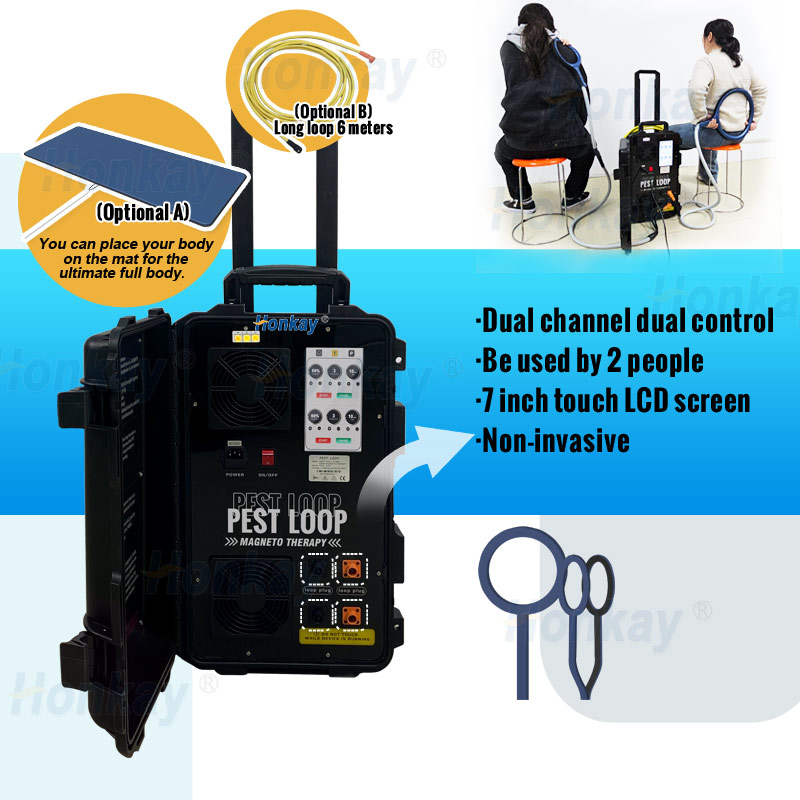
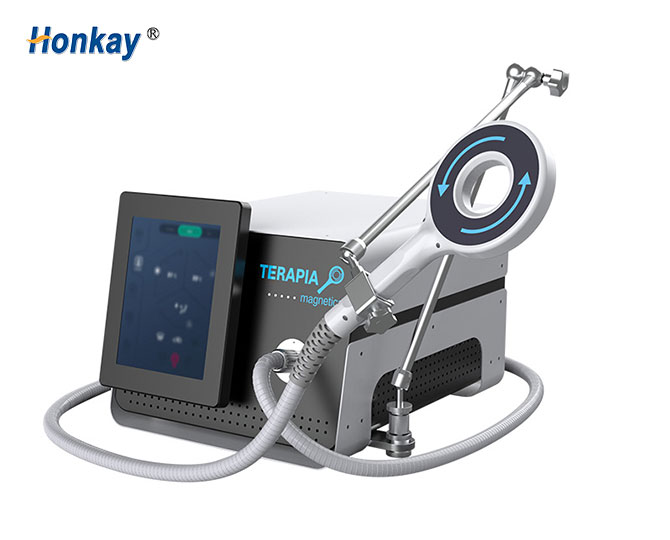
PEMF therapy
Pulsed electromagnetic field therapy delivers low-frequency electromagnetic pulses through coils, loops or mats. Unlike shockwave and TECAR, no contact is needed, so a patient can be treated while seated or lying on a full-body mat — a real throughput advantage in busy clinics. PEMF has FDA clearance for specific indications such as bone healing and non-union fracture, and applications continue to be studied across pain, oedema and inflammation. The evidence base is promising but uneven: a 2026 systematic review concluded that PEMF is a potential non-invasive adjuvant “though clinical evidence remains inconsistent” (systematic review of PEMF effectiveness), while broader literature reviews describe the therapeutic potential in more detail (PEMF literature review). Cleveland Clinic’s patient-facing overview is a useful sanity check on what PEMF is and is not (Cleveland Clinic).
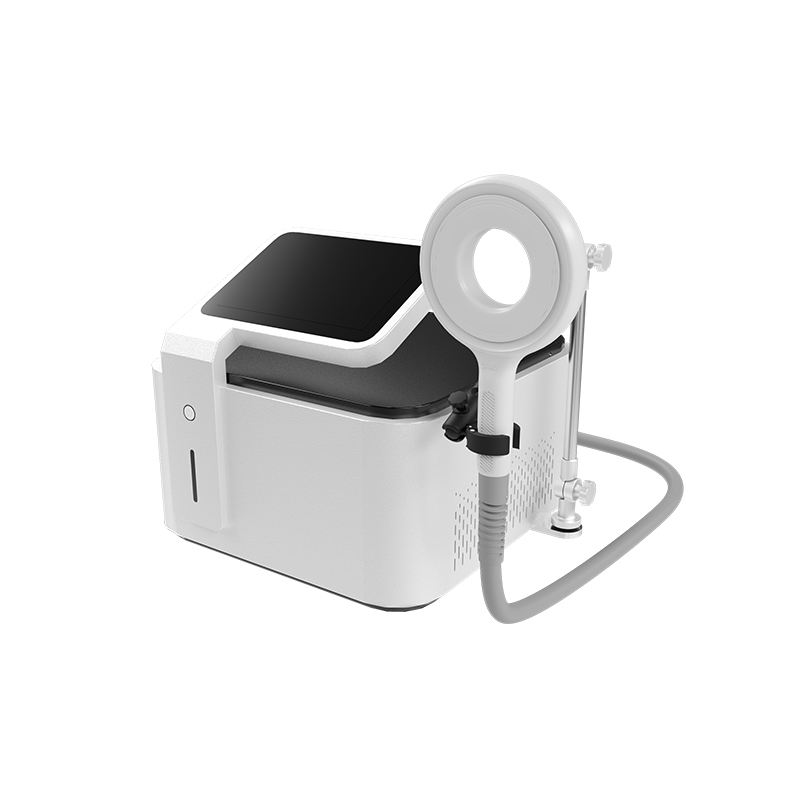
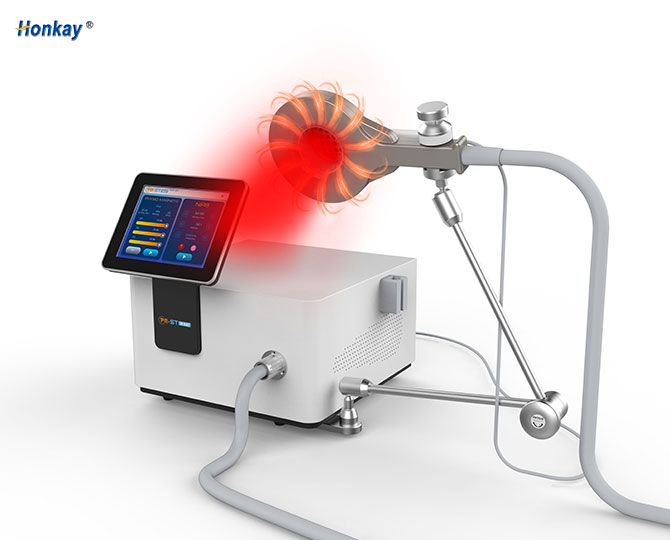
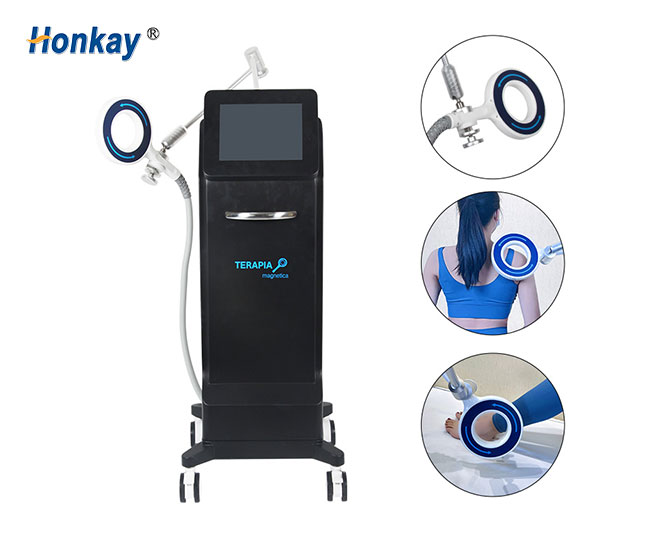
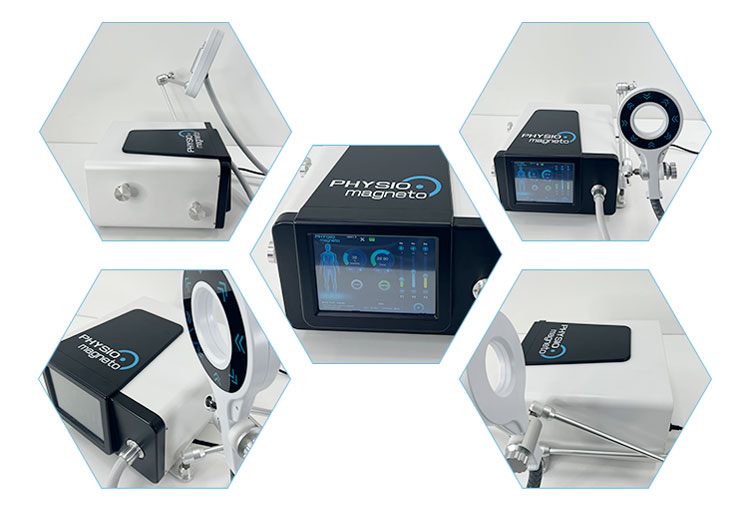
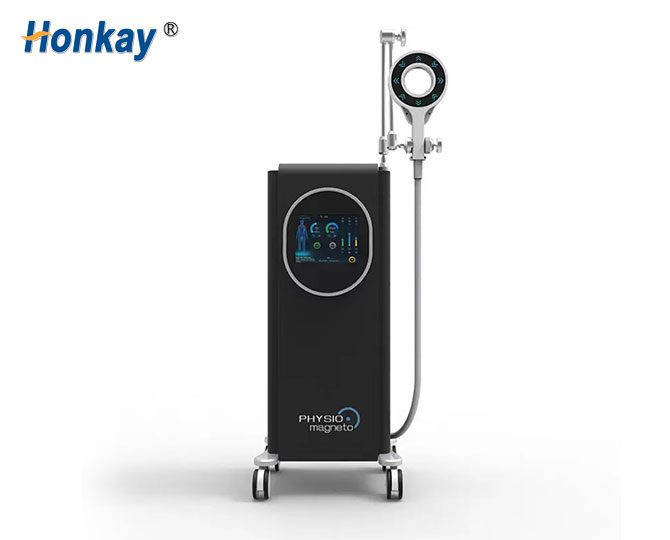
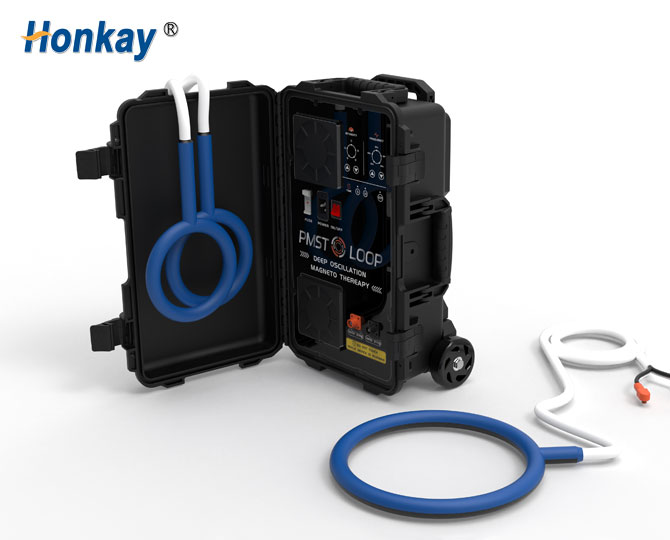
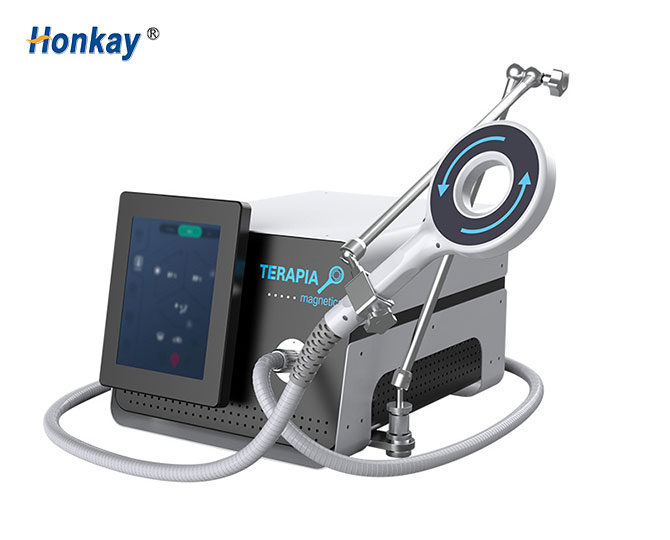
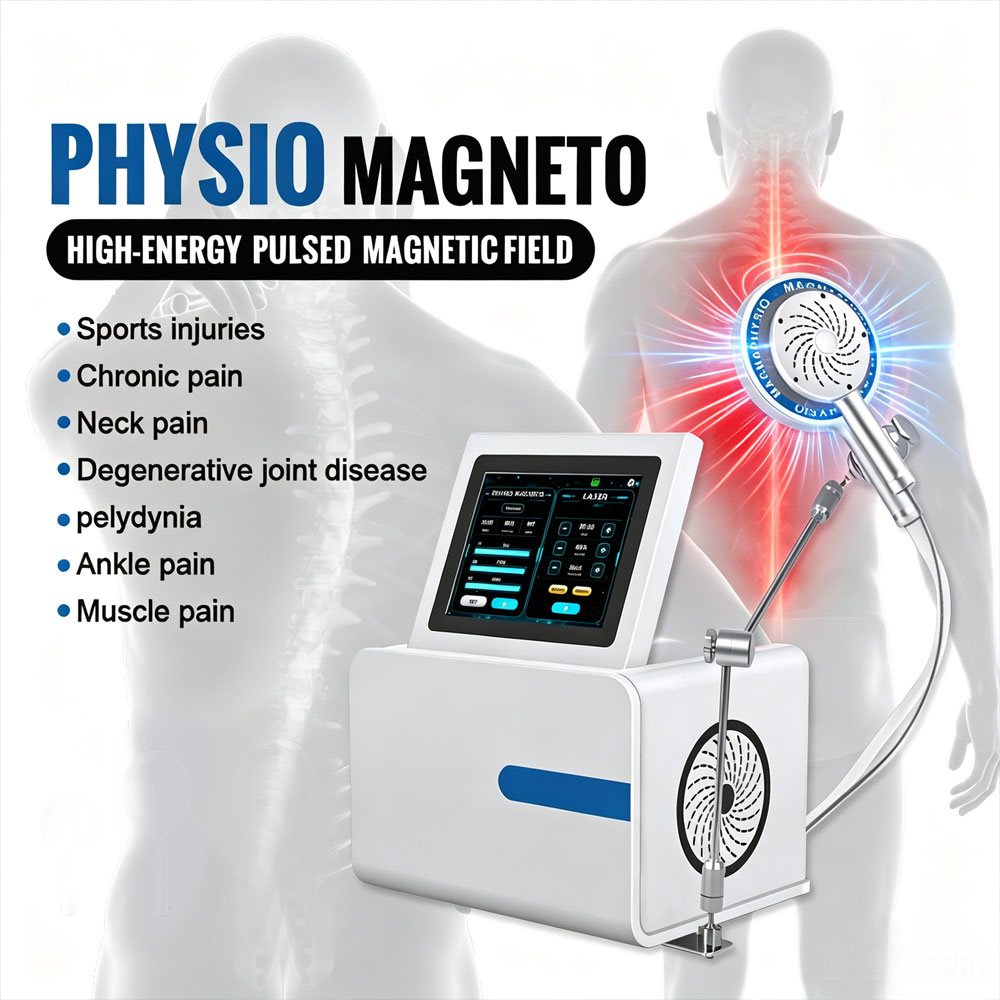
Representative specification — Honkay PEMF LOOP (loop-type physio magneto)
| Parameter | Value |
|---|---|
| Magnetic intensity | 1,000–6,000 Gauss (dual-control model: 1,000–8,000 Gauss) |
| Pulse frequency | 2 / 4 / 6 / 8 Hz (dual-control model: 1–10 Hz) |
| Oscillation | 4,500 Hz |
| Power consumption | 850 W |
| Standard applicators | Large loop + butterfly loop |
| Interface | 7-inch touch screen on the dual-control model |
| Ingress protection | IP31 |
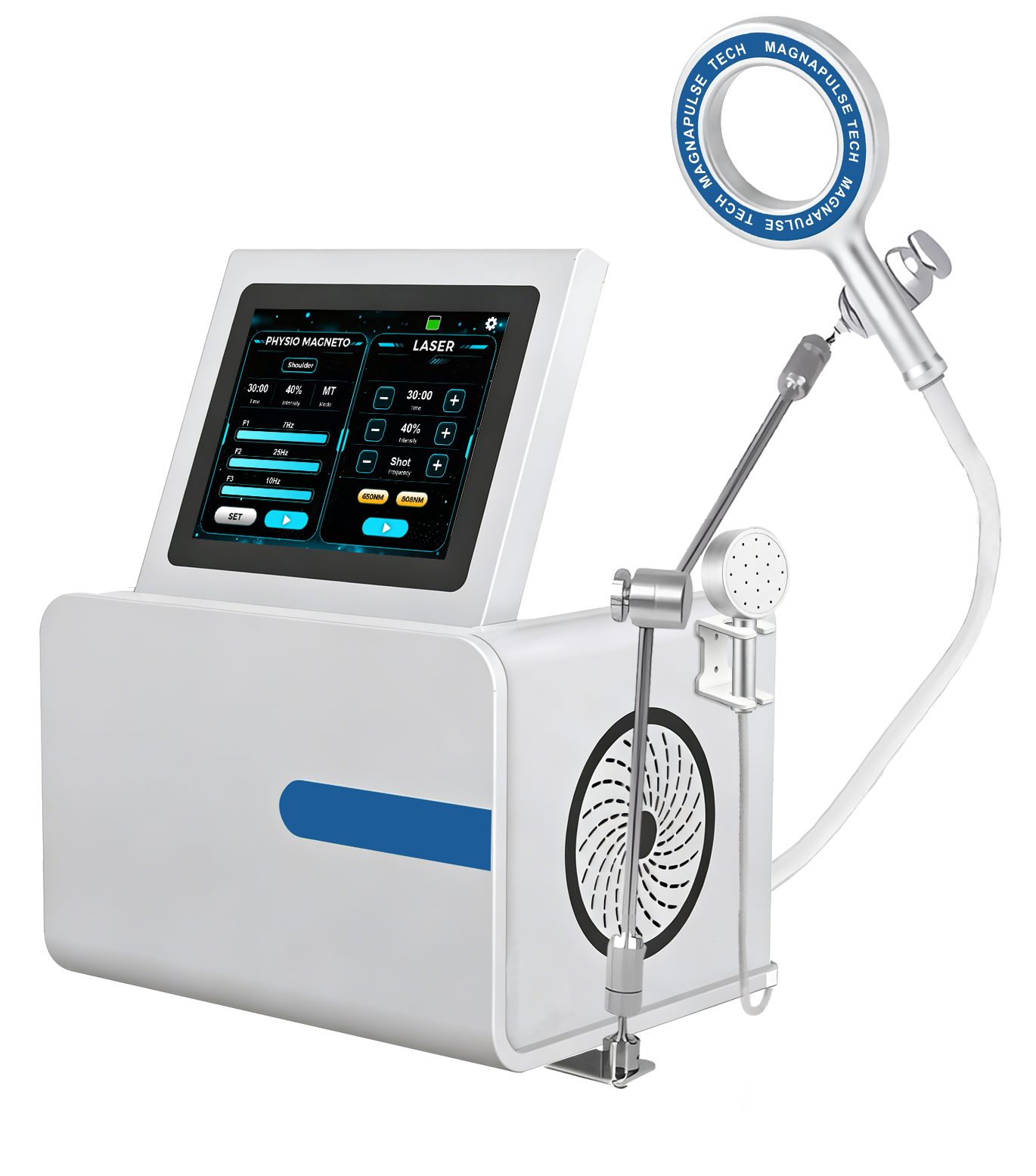
Protocol example taken from the manufacturer’s manual — usable as a starting point, not a clinical prescription:
| Treatment area | Energy level | Frequency | Time | Sessions | Interval |
|---|---|---|---|---|---|
| Elbow, wrist | 3 | 2 Hz | 15 min | 6–8 | Twice a week |
| Shoulder, cervical spine | 4 | 6 Hz | 20 min | 6–8 | Twice a week |
| Lumbar spine, hip | 5 | 8 Hz | 20 min | 6–8 | Twice a week |
| Knee | 3 | 8 Hz | 20 min | 6–8 | Twice a week |
| Foot, ankle | 2 | 4 Hz | 15 min | 6–8 | Twice a week |
Do not compare Gauss with Tesla. Loop-type PEMF systems in this class run 1,000–8,000 Gauss — that is 0.1–0.8 Tesla. High-intensity physio magneto (PMST-class) platforms quote single-digit Tesla values on large applicators, which is a different device class with a different protocol. A “7 Tesla” claim and a “6,000 Gauss” claim are not competing numbers, and a supplier quoting one against the other is either confused or hoping you are.
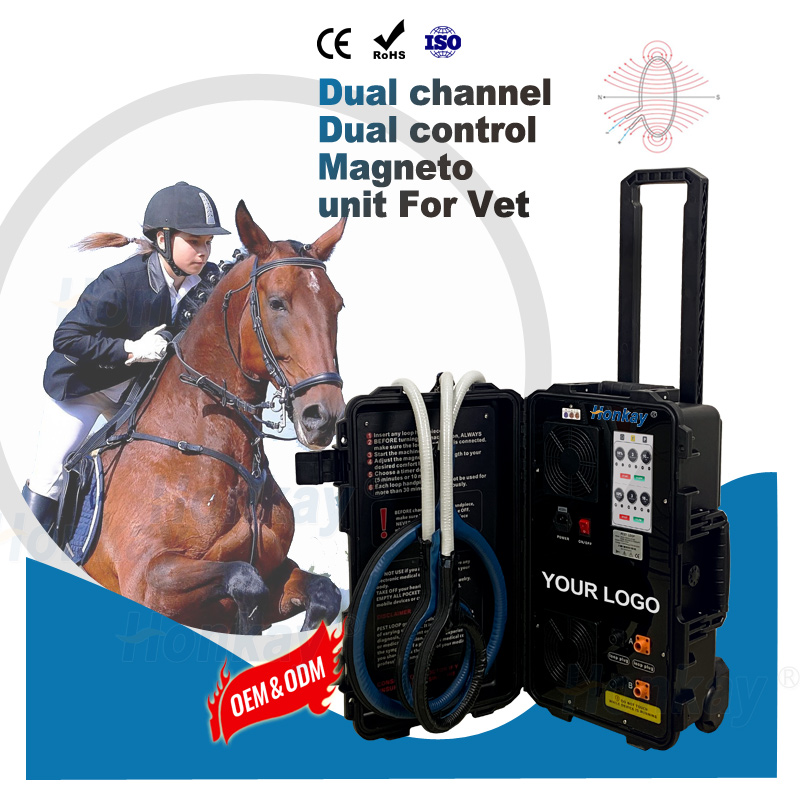
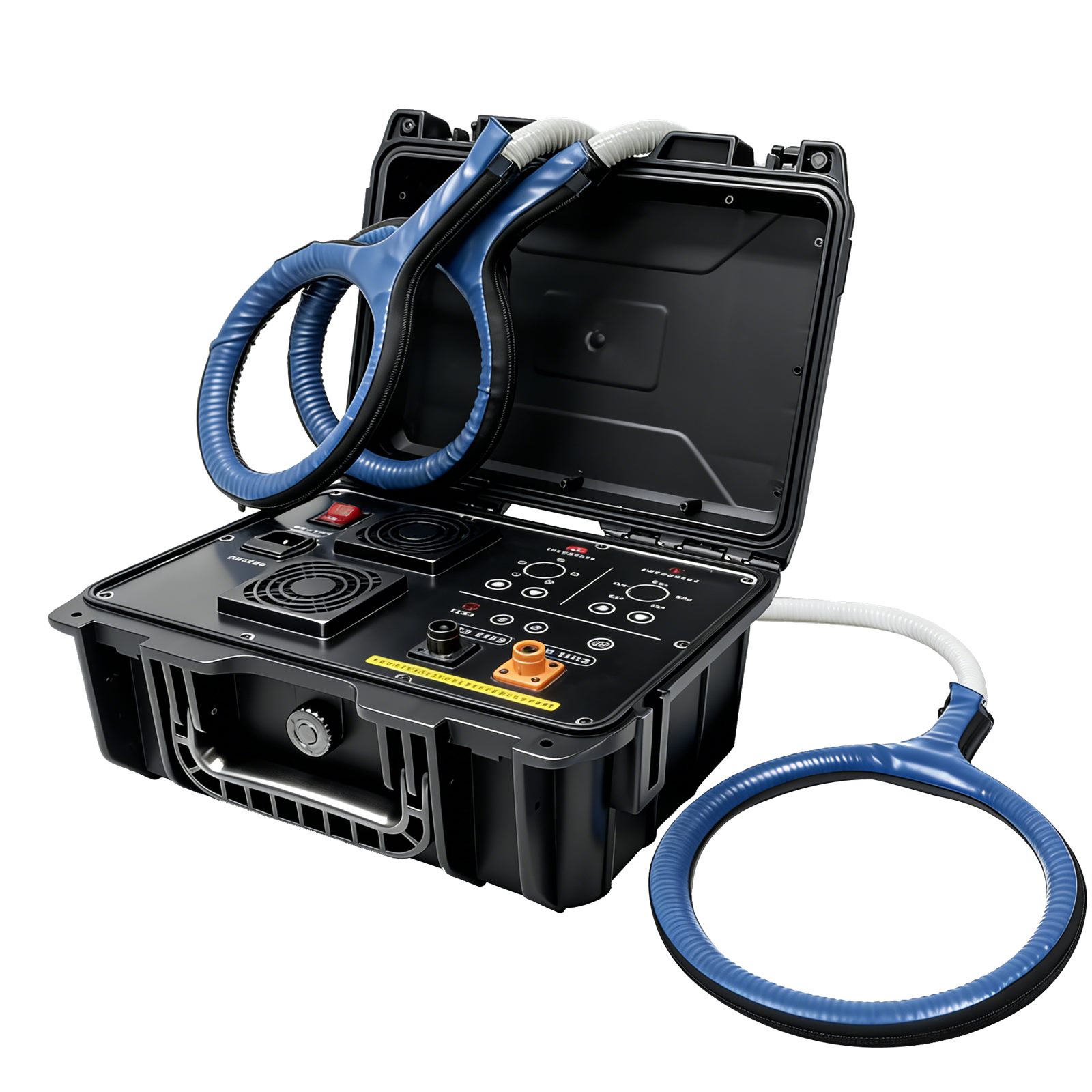
The overlooked market: PEMF is the only one of the three that translates directly to veterinary work. Equine and small-animal practices use loop and mat applicators for the same reasons human clinics do — non-contact, no sedation, repeatable. Honkay manufactures both clinic-grade physio magneto systems — including a portable PMST LOOP unit for mobile practice — and a home-use PEMF mat, so one manufacturer relationship covers both the clinic unit and the patient self-care product.
Which one fits your clinic? A decision guide
| Your clinic profile | First purchase | Why |
|---|---|---|
| Sports physiotherapy | Shockwave (focused) or TECAR | Shockwave for tendinopathy; TECAR if your volume is acute injury and recovery |
| General physiotherapy / rehab | TECAR | Broad soft-tissue caseload, comfortable sessions, easy patient acceptance |
| Pain management clinic | PEMF + shockwave | Non-contact throughput plus a mechanically proven local treatment |
| Medical spa / aesthetic clinic | Shockwave or plasma-adjacent platforms | Body contouring, connective-tissue and post-treatment recovery protocols |
| Equine / veterinary | PEMF | Only one of the three designed for non-contact animal application |
| Mobile or home-visit practice | PEMF | Portable, no consumables, minimal setup |
| New clinic, tight budget | Radial shockwave | Lowest entry point with a defensible evidence base |
If you can only buy one device this year, buy the one that matches your top two referral sources, not the one with the longest feature list.
What drives the price — and how to calculate payback
Three vendors quoting the “same” technology can differ by 3× because of configuration, not quality. The cost drivers are consistent:
Shockwave
- Focused vs radial energy source
- Applicator count and whether transmitters are consumable
- Whether the platform bundles laser, EMS or TECAR
- Published market data puts professional radial systems at roughly US$3,000–8,000 and focused systems at US$8,000–20,000+ — broadly consistent across two independent vendor guides (2025, 2025).
TECAR
- Number of channels and simultaneous-treatment capability
- Electrode/capacitive-resistive accessories included
- Whether a thermal or impedance feedback loop is present
- Bundling with shockwave or laser in a single 3-in-1 console
PEMF
- Applicator type: full-body mat, loop, disc, or a combination set
- Field strength and pulse-program library
- Clinic console vs portable/home unit
- Whether the software allows custom protocols
Payback arithmetic (use your own numbers):
Payback (sessions) = Device cost ÷ (Price per session − Consumable cost per session)
Illustrative only: a US$9,000 device billed at US$40 per session with a US$2 consumable cost per session pays back in about 237 sessions — roughly five months at 12 sessions a week. Set the consumable line to zero and the same device pays back in 225 sessions. That gap is not hypothetical: the HKS-39 focused shockwave platform couples through a refillable water bladder instead of a disposable cartridge, and loop PEMF systems use no consumables at all. TECAR sits in between — conductive cream and electrodes are ongoing costs, though well below a disposable-cartridge shockwave system. Substitute your own fee schedule and run the arithmetic for all three before you decide.
Always ask for an itemised quote covering the console, every applicator, three years of consumables, training, and warranty terms. A low headline price with three applicators sold separately is not a cheaper device.
Certification checklist before you wire money
- CE certificate + EU MDR 2017/745 classification — ask for the certificate and the Declaration of Conformity, and confirm the class matches the claims you intend to make in your marketing.
- FDA 510(k) clearance vs “FDA registered” — these are not the same thing. Registration is an establishment listing; clearance is a reviewed indication for use. Ask for the 510(k) number and check it on the FDA database.
- IEC 60601 medical electrical safety and EMC documentation.
- Operator training and protocol materials — ISMST-style guidance assumes trained operators; a supplier who ships a manual only is a false economy.
- Consumable and spare-part availability for at least five years, in writing.
- Warranty terms in your country, not just the manufacturer’s home market.
Patient screening: what the manuals rule out
Buyers ask about efficacy and forget about exclusions. The manuals for these platforms carry explicit contraindication lists, and a clinic that skips them is exposed no matter how good the device is.
Focused shockwave (per the HKS-39 manual) — treatment is prohibited for pregnant women; infants and young children; patients with coagulation disorders such as haemophilia; patients with severe cardiovascular or cerebrovascular disease; metal implants, infected lesions or tumour lesions in the treatment area; infected or broken skin in the treatment area; children with unclosed epiphyses; uncontrolled hypertension; and patients who cannot cooperate with treatment. For animals: pregnant animals, animals in an acute infection phase, and animals with abnormal coagulation function. The same manual requires operators to have professional training and forbids changing equipment parameters without authorisation.
Loop PEMF — avoid vascular disease in or near the treatment area; local infection; the area around benign or malignant tumours; directly over cartilage surfaces or the small facet joints of the spine; directly over implanted electronic devices such as pacemakers or analgesic pumps; and sites where mechanical vibration could damage tissue, such as metal implants after a fracture. One practical warning from the same manual that clinics routinely ignore: metal objects near the loop can heat and vibrate, and a strong magnetic field can wipe ID cards, car keys and access cards left on the treatment couch.
TECAR — exclusions vary by protocol and applicator, so the instructions for use shipped with your specific configuration govern. The pre-session checklist here is mechanical rather than clinical: conductive cream applied, negative electrode plate connected, handpiece in full skin contact — the three conditions the interlock on the 448 kHz series verifies before it will start.
Treat these as a screening checklist to verify against the instructions for use, not as a substitute for them.
FAQ
Can shockwave, TECAR and PEMF be used on the same patient in one session?
Yes, and combination protocols are common in sports clinics — typically PEMF for broad conditioning, TECAR for tissue preparation and oedema, and shockwave for the focal lesion. Sequence and spacing depend on the condition, so follow published protocols and your clinical judgement rather than a manufacturer’s default preset.
Which is best for plantar fasciitis?
Shockwave has the longest regulatory and evidence track record here — it was the first ESWT indication cleared by the FDA, in 2000. TECAR and PEMF are used as adjuncts for pain and circulation. Choose shockwave as the primary modality if that condition is a significant share of your caseload.
Is TECAR the same as radiofrequency diathermy?
They share a radiofrequency principle, but TECAR specifically refers to 448 kHz capacitive and resistive transfer with electrode-based delivery. It is not the same as aesthetic RF skin-tightening devices, and the clinical literature for 448 kHz should not be assumed to apply to unrelated RF equipment.
Is PEMF safe?
PEMF devices are generally well tolerated, with the most commonly reported issues being mild local discomfort or transient fatigue. As with any electromagnetic modality, patient screening matters — the manufacturer’s contraindication list (implants, pregnancy, pacemakers) must be applied, not skimmed.
Do these machines need consumables?
It depends on the design, and it is a genuine line item. Loop PEMF uses none. Focused shockwave splits two ways: no-consumable platforms such as the HKS-39 couple through a refillable water bladder, while systems built around disposable cartridges or transmitters need replacing on a schedule. TECAR needs conductive cream and periodic electrode replacement. Over three years this difference can exceed the purchase-price gap between two otherwise similar devices — model it before you decide.
How many sessions before patients notice a difference?
Shockwave is typically 1–4 sessions spaced several days apart, with response often judged 4–6 weeks after the series; TECAR is usually a course of 6–12 sessions. Set expectations in writing at the first appointment — it reduces drop-off and protects your review profile.
Can I treat animals with the same machine?
PEMF is the practical choice: loop and mat applicators work without contact or sedation. Shockwave and TECAR are used in veterinary practice but demand handling and restraint that most equine and small-animal settings will not want.
Recommendation
- Buy shockwave first if chronic tendinopathy, fascia or calcification cases drive your referrals. Insist on a focused platform if deep insertional pathology is on your list.
- Buy TECAR first if your caseload is acute injury, post-operative swelling and sports recovery, and you want a modality patients find comfortable.
- Buy PEMF first if you need non-contact throughput, home-use extension, or you treat animals.
Whichever you choose, verify the certificate, the 510(k) number and the consumable plan before you commit — that is where clinics lose money, not on the headline price.
Honkay manufactures focused shockwave and combined shockwave + laser systems, 448 kHz RET/CET TECAR platforms, and PEMF physio magneto devices for clinics, distributors and OEM partners. To compare current configurations against the checklist above, contact the team for an itemised quote.