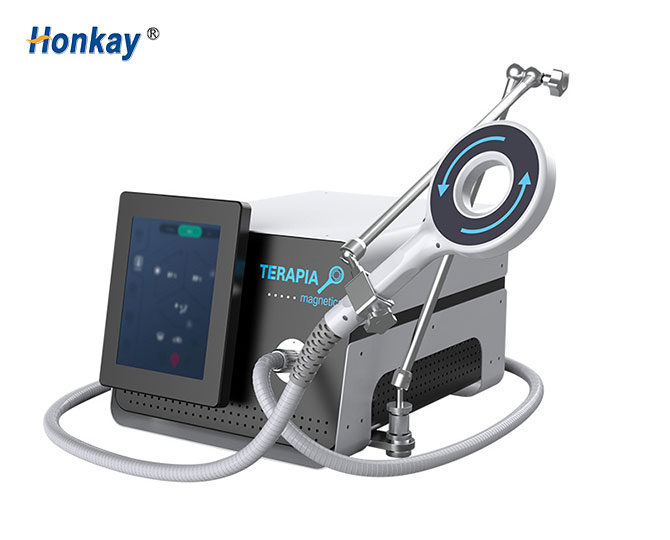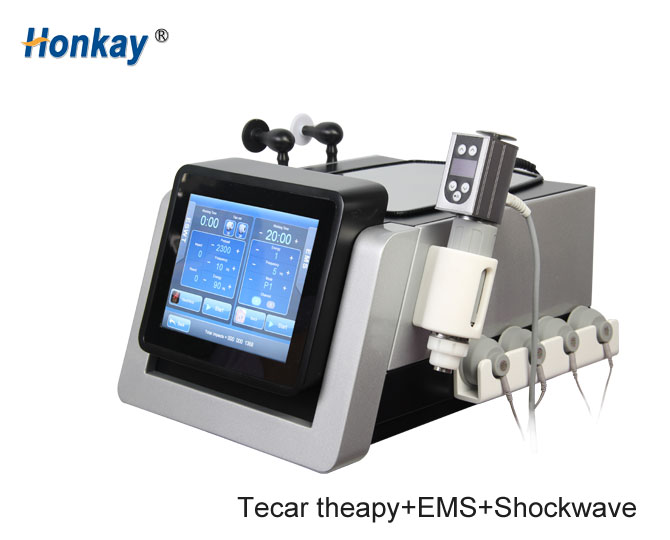
Best PEMF Machine: Choosing by Buyer Profile, Not by Spec Sheet
There is no single best PEMF machine, which is why the question is usually answered badly. A wellness studio, a physical therapy clinic and a reseller all ask for “the best one” and all three need a different machine, because the machine has to fit an operator, a room and a caseload before it fits a specification.
This is the part of the decision that comes before the numbers: pick the buyer profile, then the machine class, then the best PEMF machine for that class. Get the order wrong and the specification work is wasted.
Four buyer profiles, and the machine class each one implies
| Buyer profile | Machine class that fits | What decides the purchase | What to ignore |
|---|---|---|---|
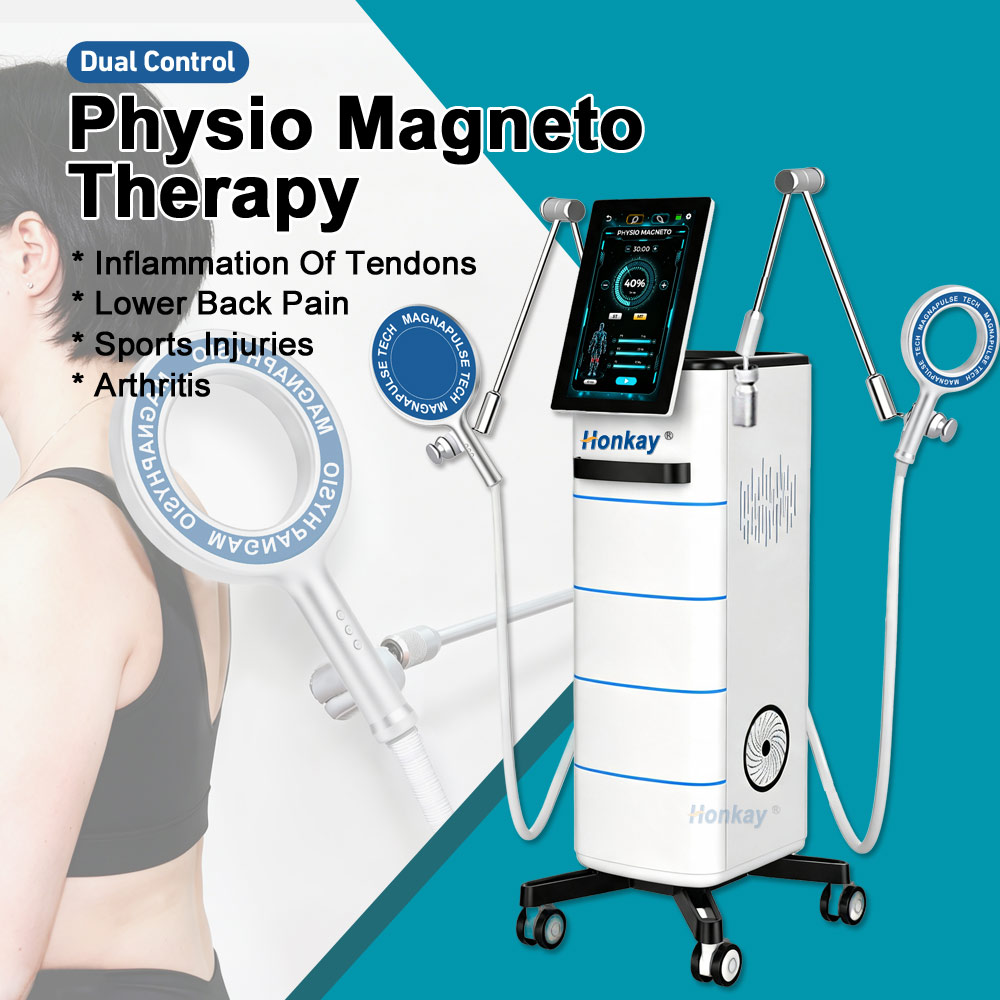
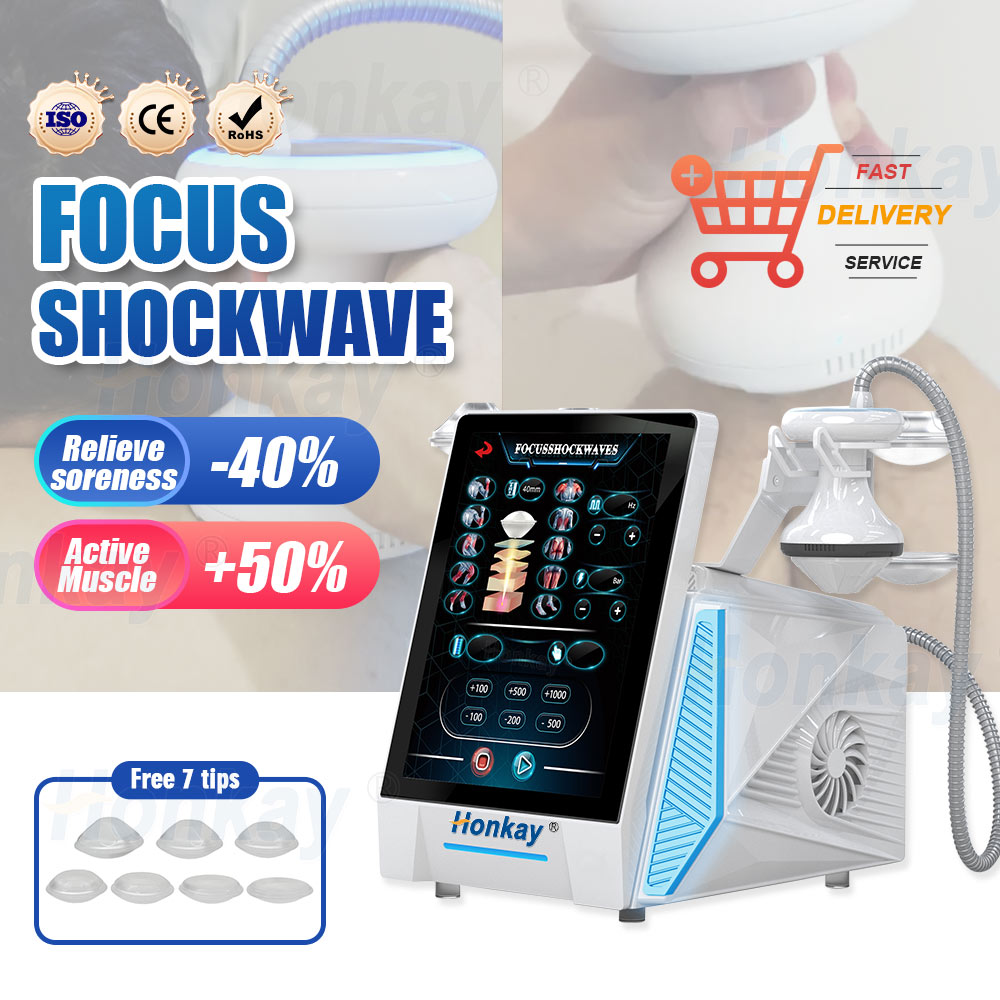
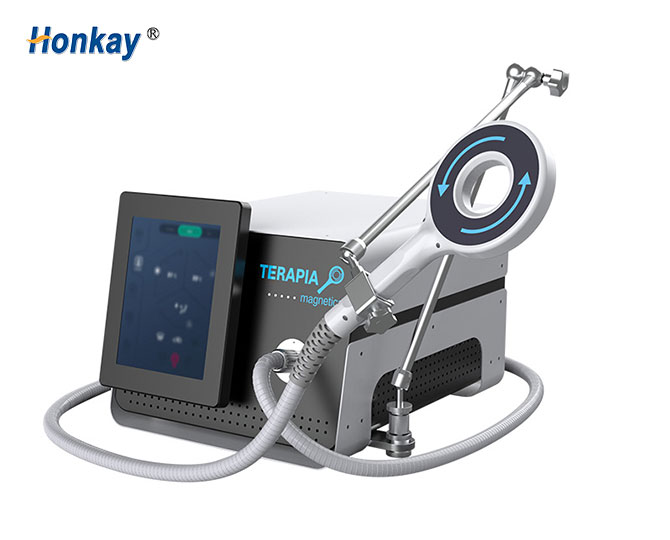
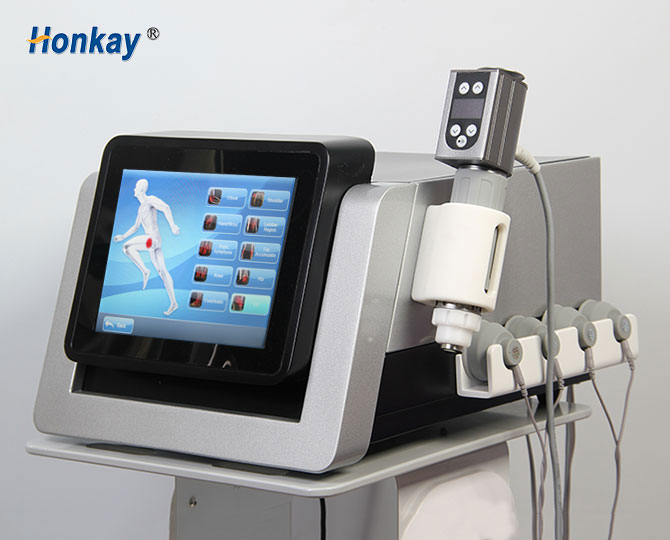
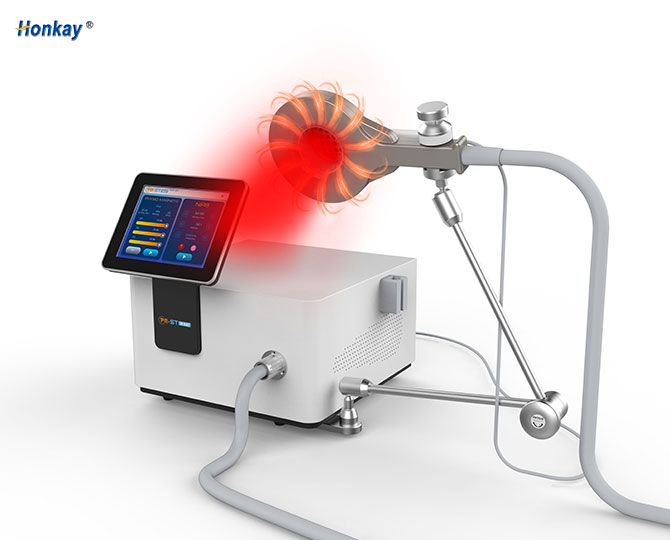
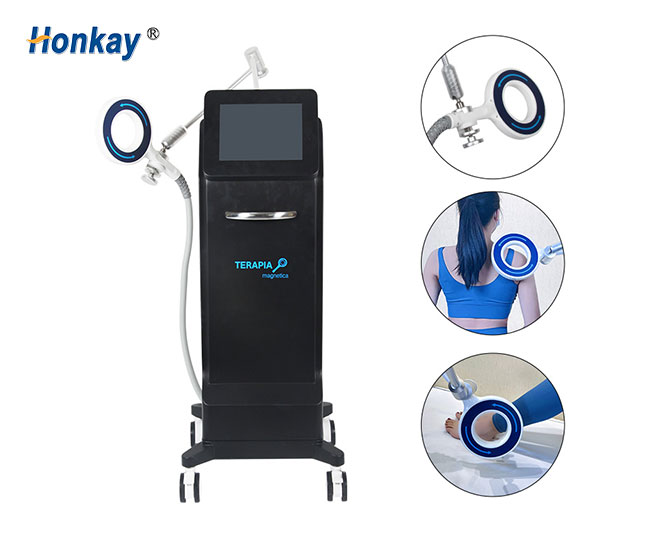
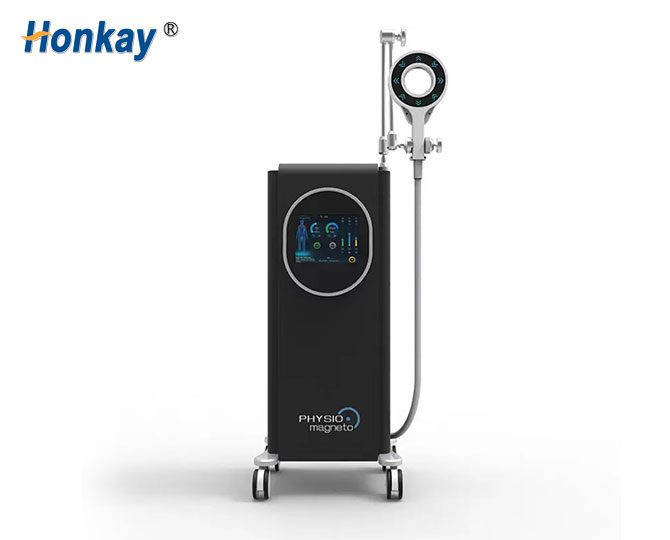
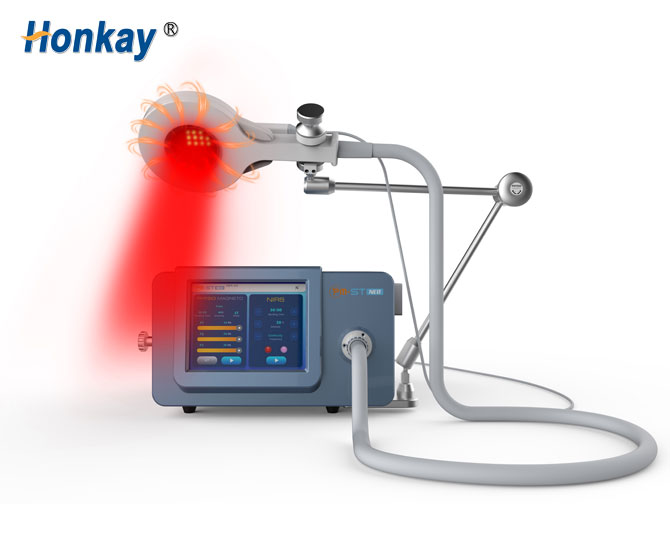
| Clinic with a fixed treatment room | Tabletop or floor-standing console with an applicator set and a holding arm | Applicator set, stored programmes, duty cycle | Portability, case size |
| Wellness studio or sports facility | Console with a session timer and an appearance that fits the room | Session length, number of stored programmes, finish and branding | Deep-target accessories |
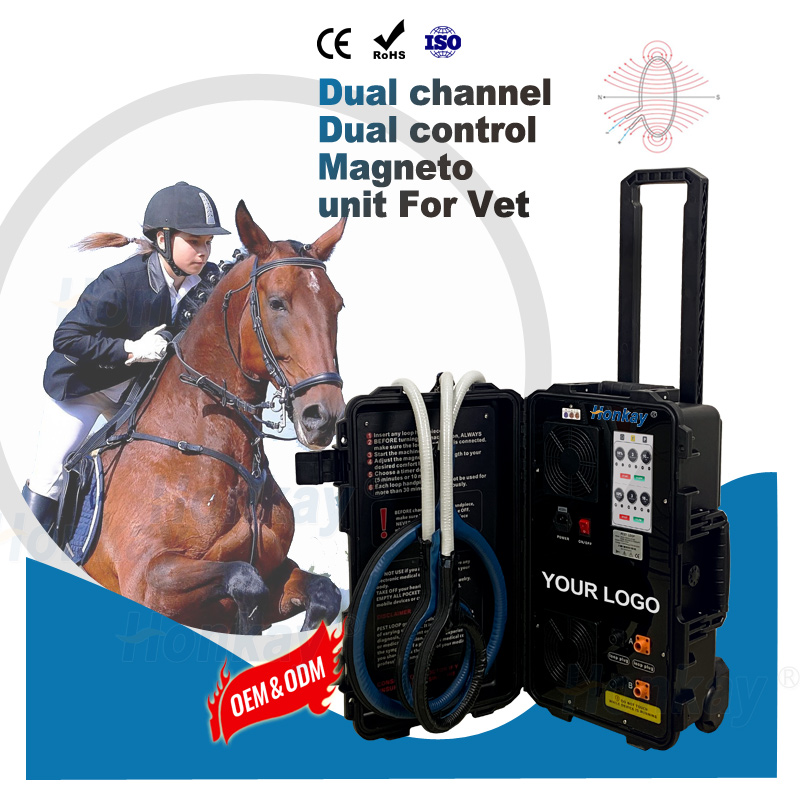
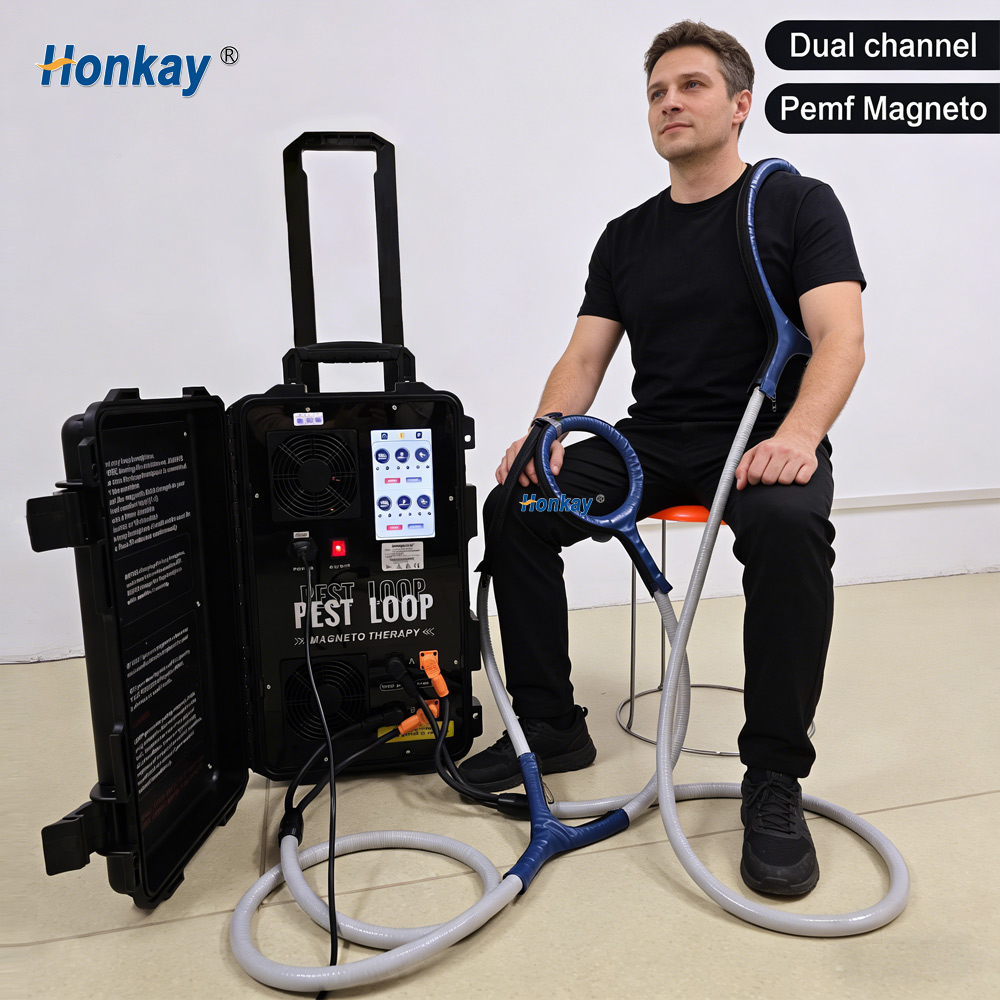
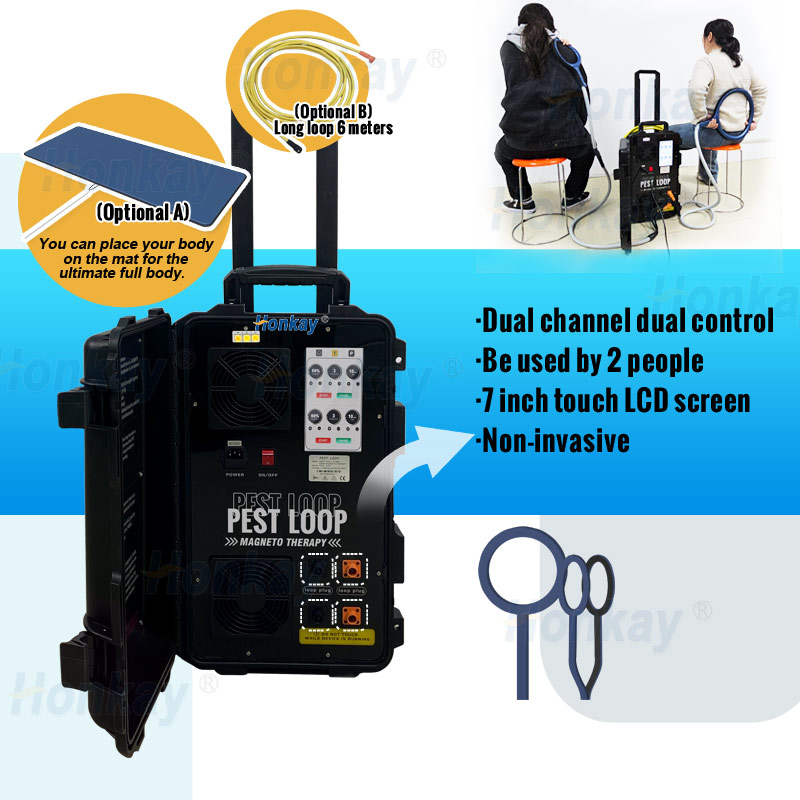
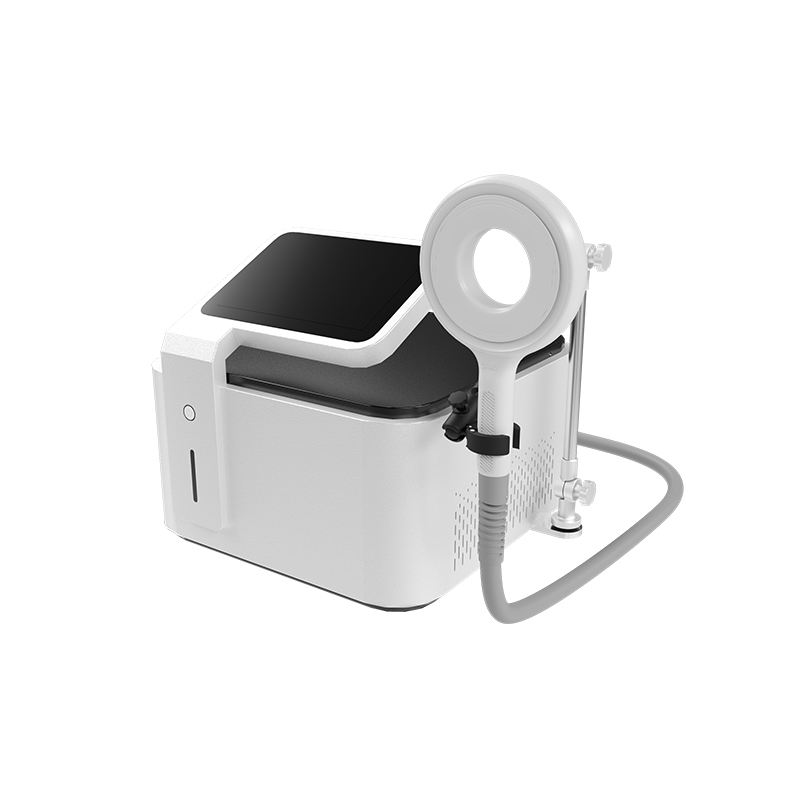
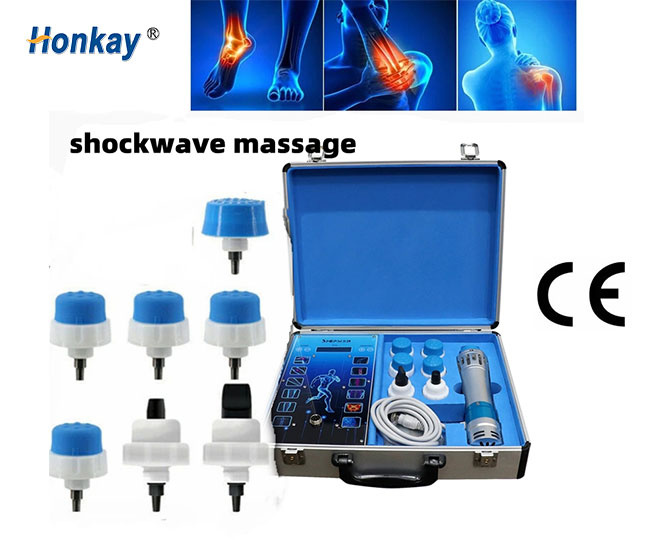
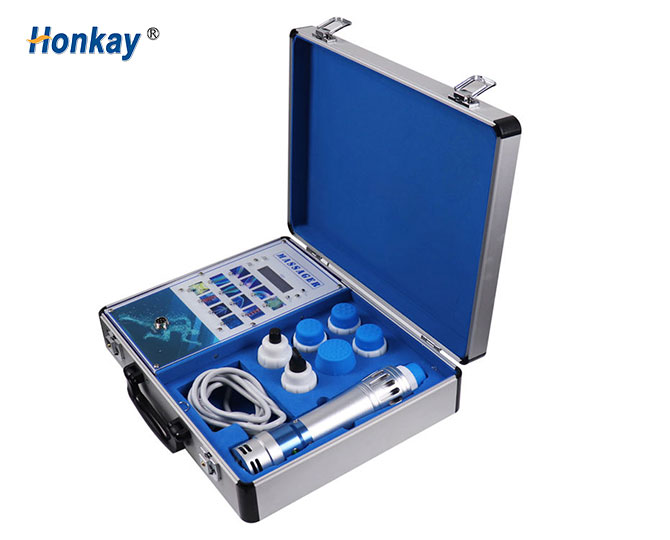
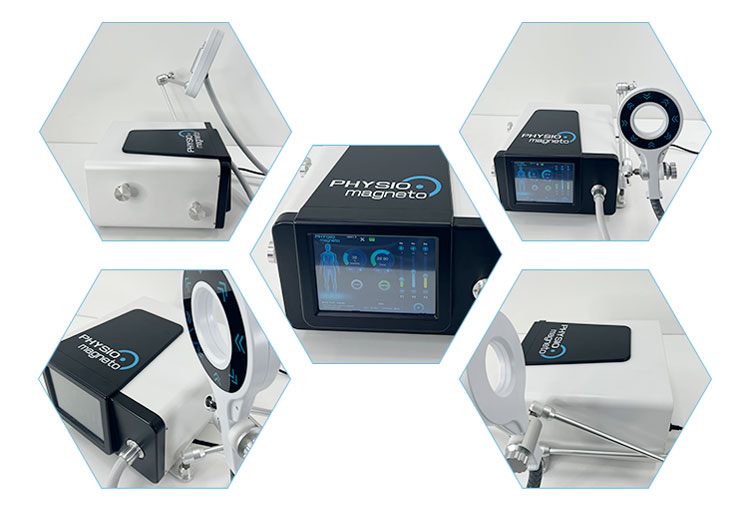
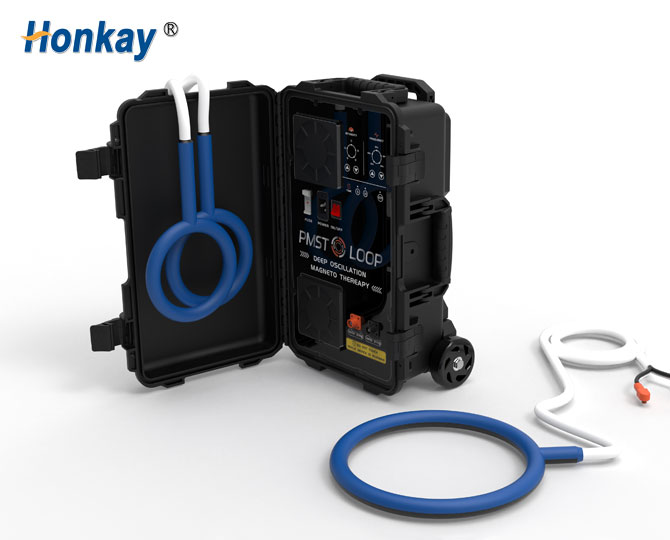
| Practitioner who travels | Portable unit that packs into a case | Packed weight and size, cable handling, power requirement | Wide accessory range |
| Distributor or reseller | A class you can support in your market | Spare parts, documentation, lead time, branding options | Features your customers will not use |
The pattern is that each profile ignores most of the specification. A travel practitioner does not need four applicators, and a fixed clinic does not need a case with a handle. Writing down what you can ignore is as useful as writing down what you need, because it stops the quotation from growing.
The applicator set decides which is the best PEMF machine
Two machines with the same headline output can serve completely different caseloads, because the applicator is what shapes where the field goes.
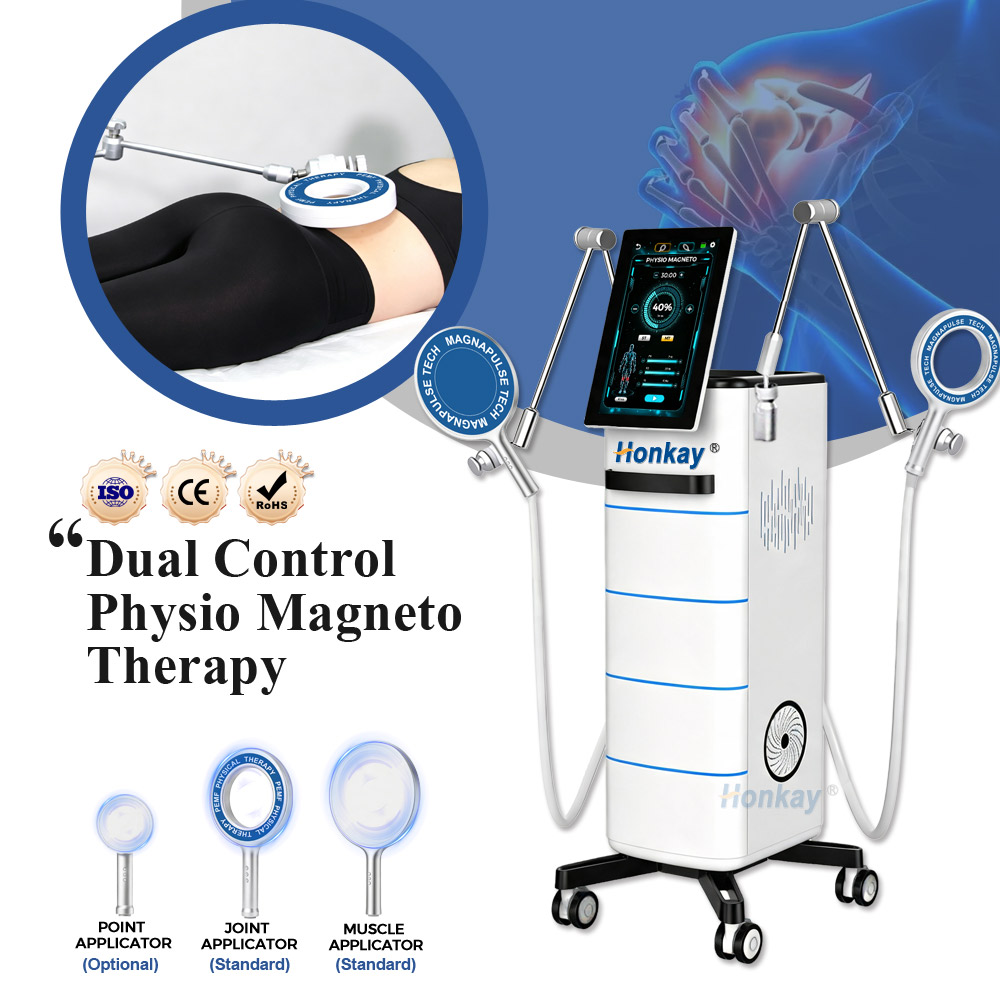
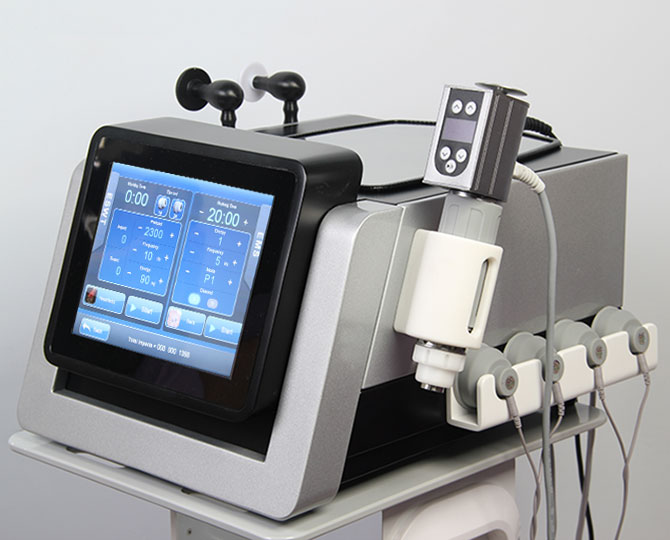
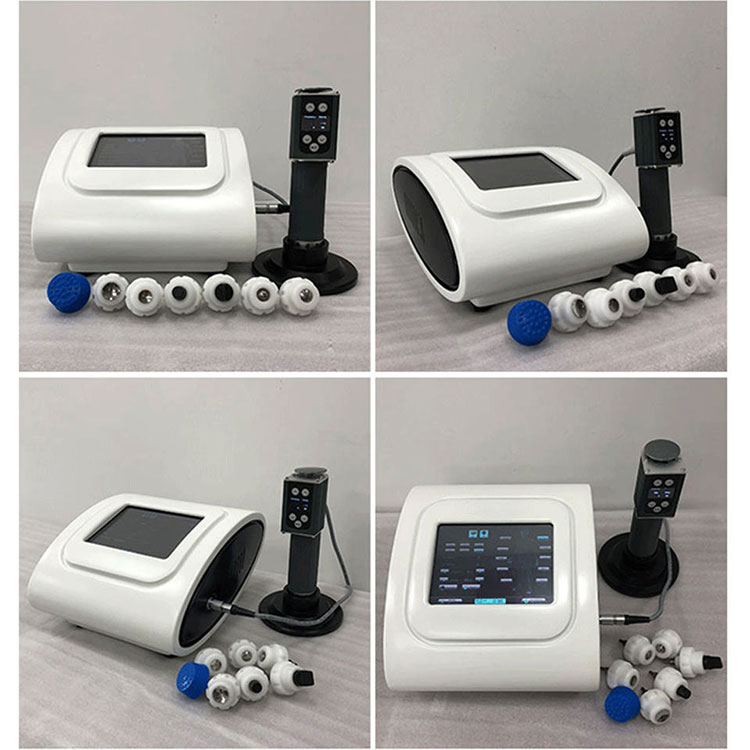
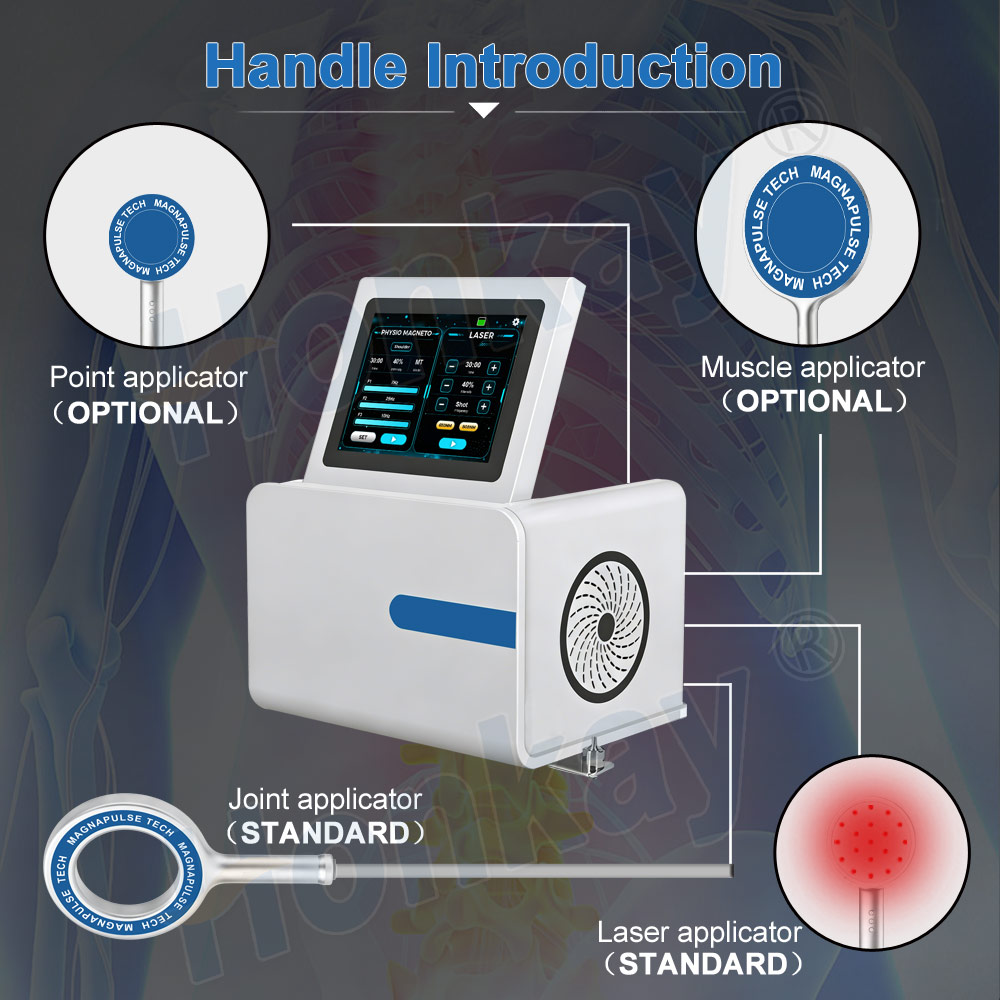
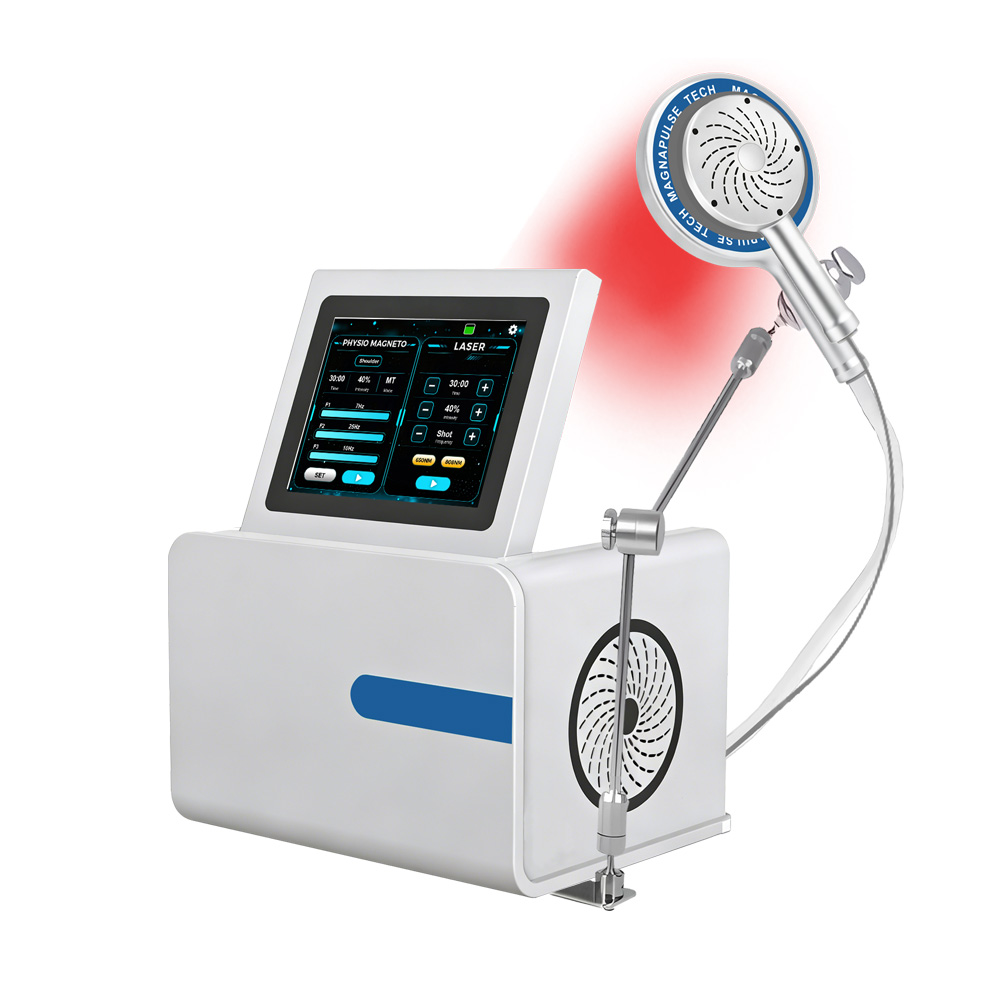
A tabletop console normally ships with a set rather than a single applicator, and the set is where the choice really happens:
| Applicator | Typical role | Diameter matters because |
|---|---|---|
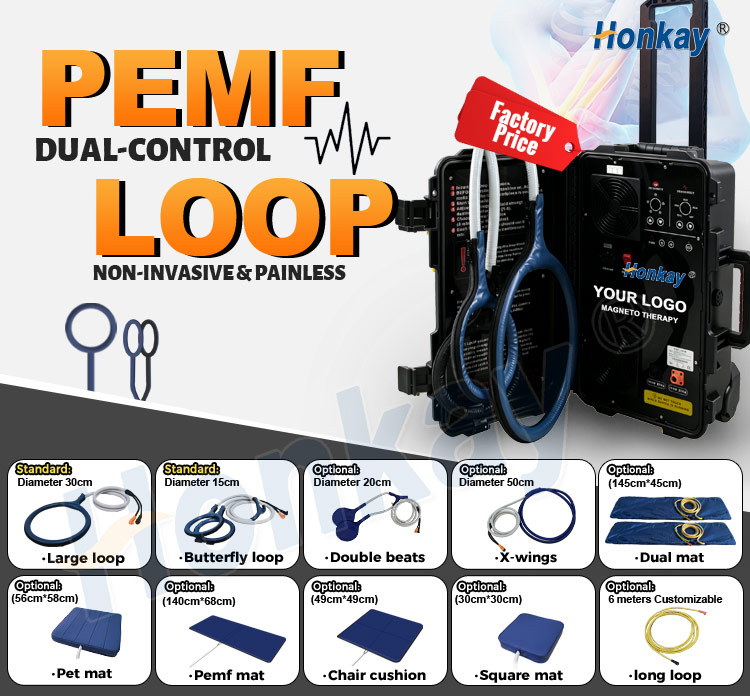
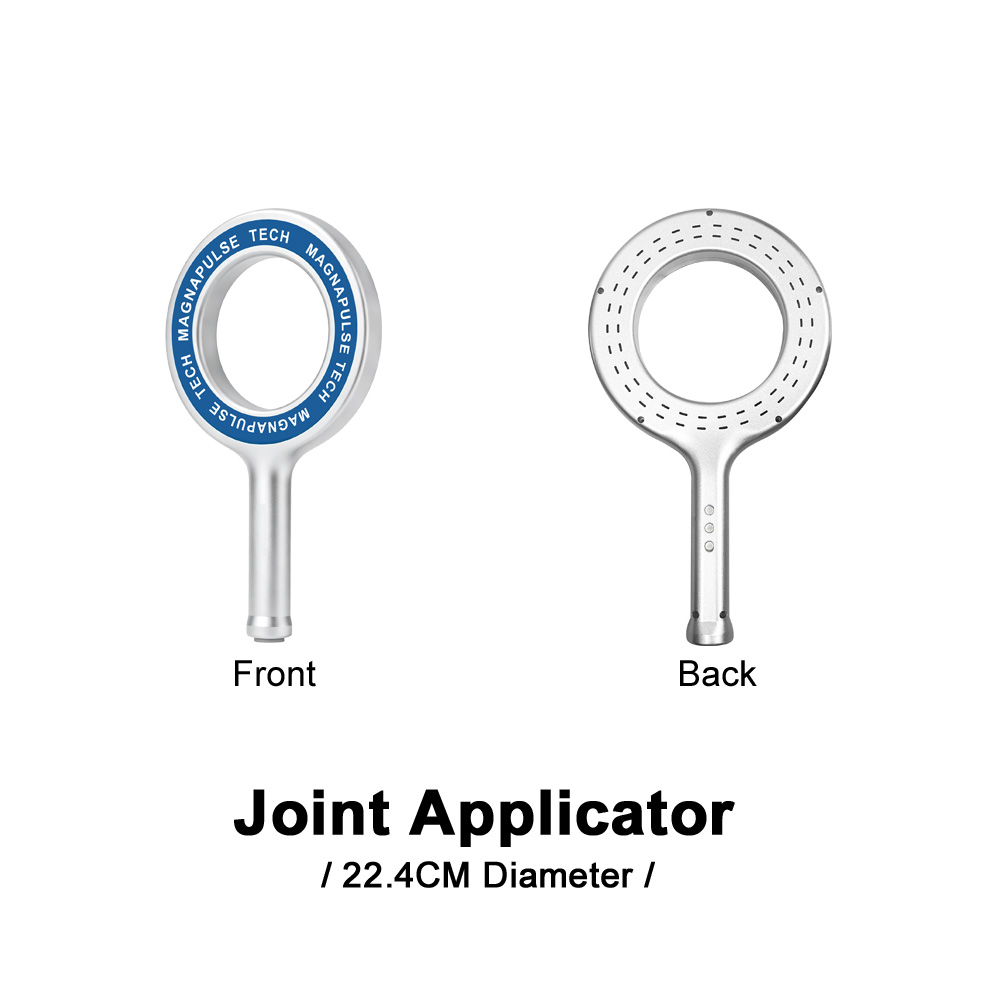
| Joint applicator | The larger ring type, used around a limb or a joint | A ring has to clear the limb comfortably while staying close to it |
| Point applicator | A small, flat face for a localized area | It concentrates the field instead of spreading it |
| Muscle applicator | A flat face for a broader area | Larger faces need more applicator travel |
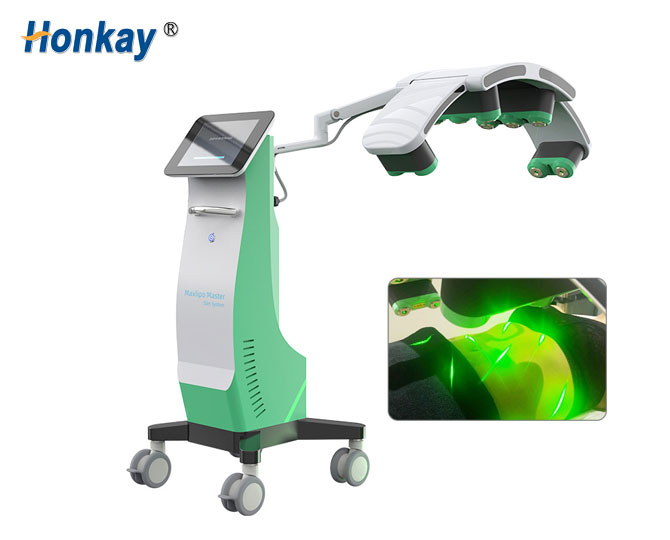
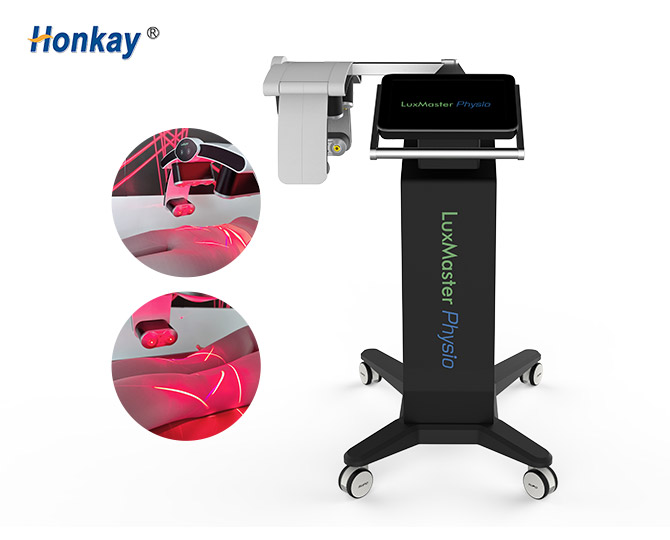
| Laser applicator | Added where a second modality is wanted on the same console | It changes the training requirement, not the magnetic specification |
Two consequences. First, ask for the diameter of every applicator in the set, in centimetres, next to the quotation line — “large” and “small” cannot be compared between suppliers. Second, ask which applicators are standard and which are optional for your market, because the split varies by order and it is the fastest way two quotations diverge.
Modes, frequency channels and the panel
Once the class and the applicator set are settled, the operator interface is the part that decides how the machine feels in daily use.
- Number of adjustable frequency channels. More channels mean more stored starting points, which matters when several operators use the machine and each one treats a different case type.
- Dual treatment modes. Two modes let one console cover both a superficial and a deeper pattern, so the machine is not limited to a single approach.
- On-screen guidance. A built-in guideline page shortens the training handover, which is the hidden cost of any new machine.
- The holding arm. An adjustable arm keeps the applicator in place without a second person, which is what turns a session into a task one operator can run alone.
The caseload follows the machine, not the other way round
The most expensive mistake in this category is buying for one referral. A machine chosen around a single case is usually the wrong machine six months later, and it is the reason so much equipment sits under a cover.
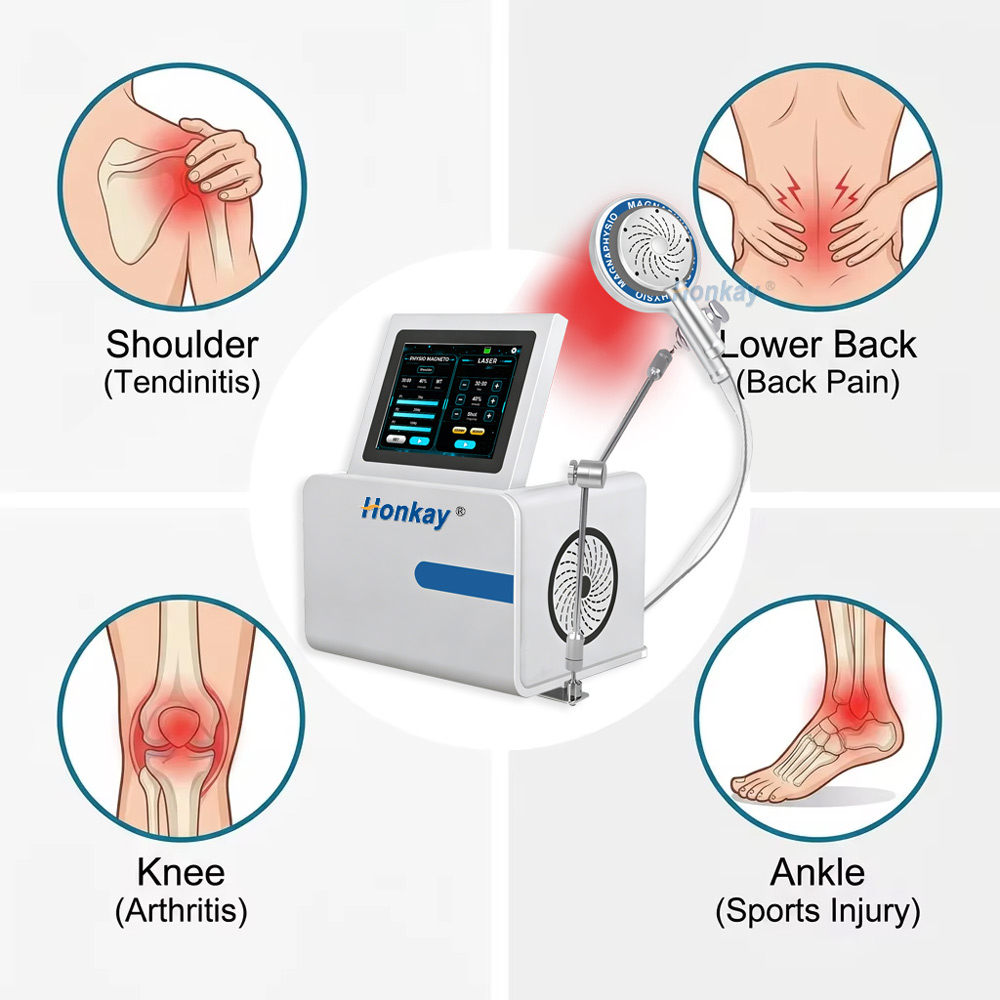
Work the other way. List the areas you already treat most often — the joints, the back, the shoulder, the tendon cases — and check them against the machine’s own application list. If most of your list is covered, the class is right. If one referral is the only justification, the honest answer is that you do not need the machine yet.
This is also where the supplier’s material needs reading carefully. Ask for the application list as it appears in the operating manual, not from a marketing panel, and treat any figure that appears in one place and not another as a question rather than a specification.

What the three-year cost actually contains
Purchase price is the smallest part of the comparison once a machine is in daily use, because what you are really choosing is what you will be buying again.
- Applicators. They are the recurring item. Ask for the replacement price and the lead time now, while you still have leverage, not after one fails during a full appointment list.
- Per-session consumables. This class of machine does not need a gel pad or a contact medium for each session, which is what keeps the margin per appointment predictable. Confirm it in writing.
- Operator time. An adjustable holding arm and stored programmes are what let one operator run the machine alone. That is a staffing cost, and it is usually larger than the price difference between two machines.
- Service and spares. Ask who answers a technical question in month four, in your language, and how a replacement applicator is shipped.
- Warranty. Written as 24-month warranty from the factory shipment date, with the claim process and what a claim requires set out in the same document.
Add those five lines to the quotation and the two offers become comparable. Left out, the cheaper machine is often the one that costs more by the second year.
Frequently asked questions
How do I choose between a console and a portable PEMF unit?
Choose by where the machine will be used, not by power. A console suits a fixed treatment room, an applicator set and hands-free operation. A portable unit suits a practitioner who travels, where packed weight and size matter more than the width of the accessory range.
Which applicator should I order first?
The larger ring applicator, because it covers the joints and limbs that most caseloads start with. Add the smaller point applicator if your work includes localized areas, and add a laser applicator only if you want a second modality on the same console.
Do I need several frequency channels?
You need as many as you have repeatable case types. Each channel becomes a stored starting point, so a clinic running three routine protocols needs fewer than one covering a wide range of referrals. More channels are useful only if someone will use them.
Are pulsed electromagnetic field therapy devices for sale in different classes?
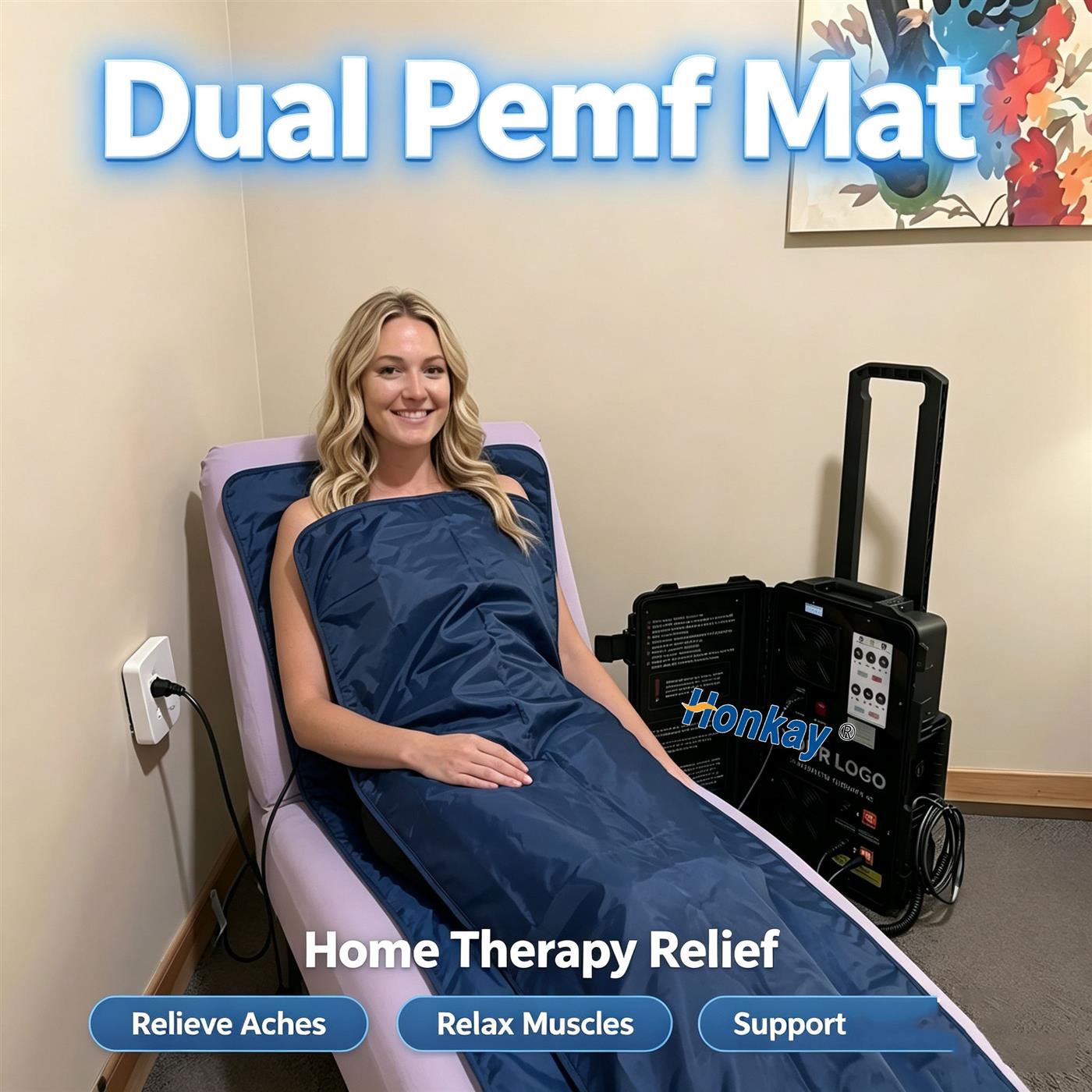
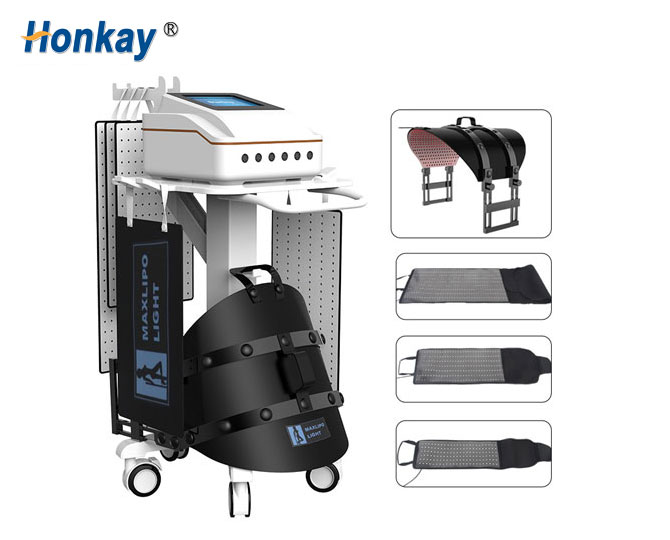
Yes, and the classes are the useful comparison, not the models. Tabletop and floor-standing consoles with an applicator set, portable units that pack into a case, and mat-based systems for whole-body work are three different products that are often listed together.
What is the difference between pulsating electromagnetic field therapy devices and a mat system?
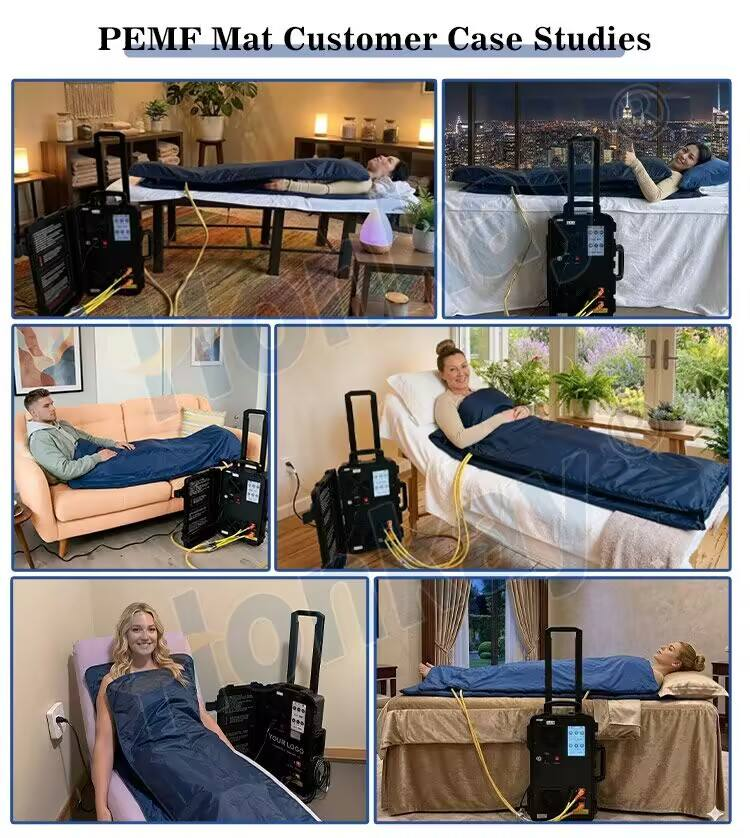
The applicator. A device with a ring or a flat applicator is positioned on an area, which is what makes it suitable for targeted work. A mat applies the field across a broad area while the person lies on it, which suits volume work rather than a specific target.
How many sessions does a course take?
That is a clinical decision, not a machine specification, and any supplier who quotes a fixed number is describing one clinic’s protocol rather than your caseload. Ask for the mode and frequency options, and for the guideline page that ships with the unit.
What should I confirm before paying a deposit?
The applicator set with diameters and which items are standard, the number of frequency channels and modes, the stored programmes, the packed size and weight, the mains requirement for your country, the spare applicator price and lead time, the manual language, and the warranty terms.
Do these machines need consumables?
No gel pad or contact medium is required for each session on this class of machine. The recurring cost is the applicator, when it eventually wears, so its replacement price and lead time belong in the original quotation.
Request a quotation
Tell us who will operate the machine, where it will stand and which areas you treat most often, and we will come back with the class that fits rather than the top of the range — including the applicator set with diameters, the modes and channels, the mains requirement for your country, the spare lead time and the written warranty terms.
Manager: Lisa
WhatsApp: +8613751821215
E-mail: hk6@huang-kai.com