PEMF Mat or Loop: Choosing the Applicator Before the Machine
Buyers shopping for a PEMF mat usually start with the box: how many watts, how many programs, what the screen looks like. That is the wrong end of the decision. On this class of equipment the box is a driver, and the applicator plugged into it decides what the patient actually feels and where. Choose the applicators first and the driver becomes easy; choose the driver first and you end up buying accessories later at retail prices.
The applicator question is also where most of the pushback about a pemf machine with therapy mat turns up in a quotation: the buyer assumed a set, the supplier quoted a subset.
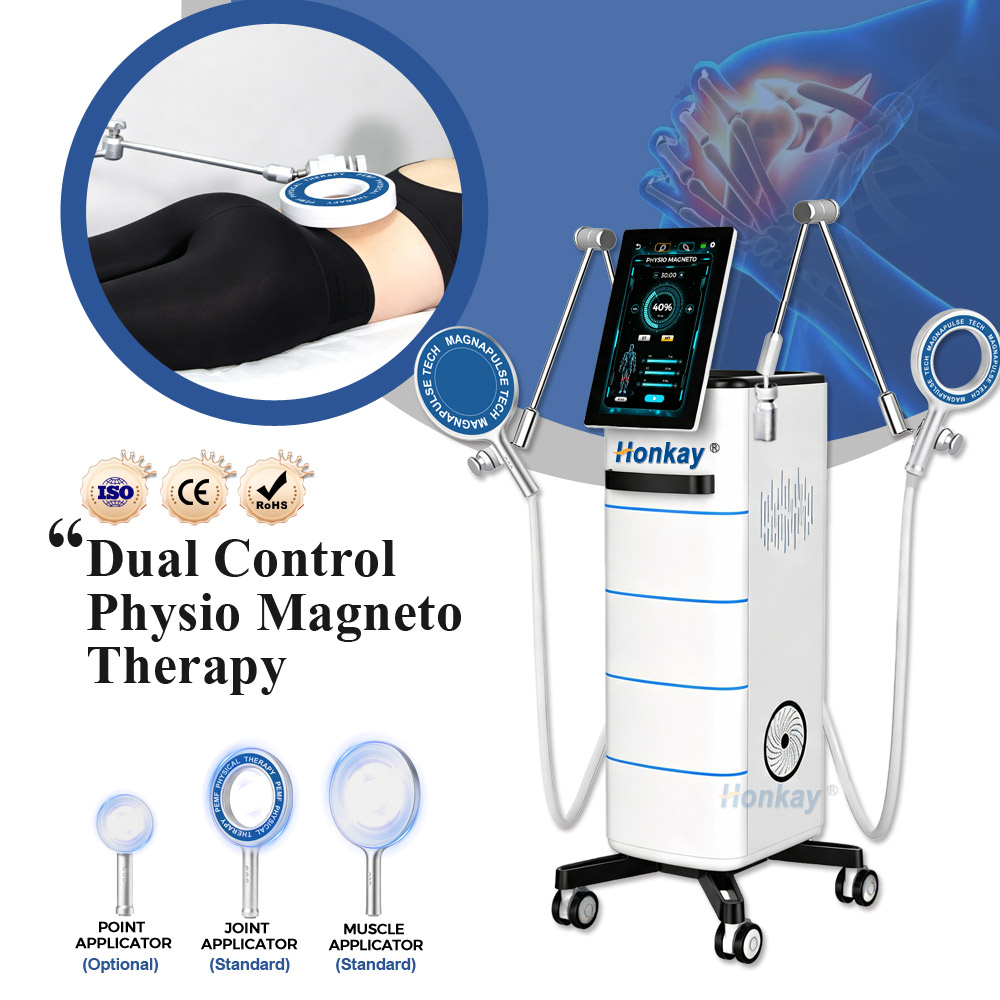
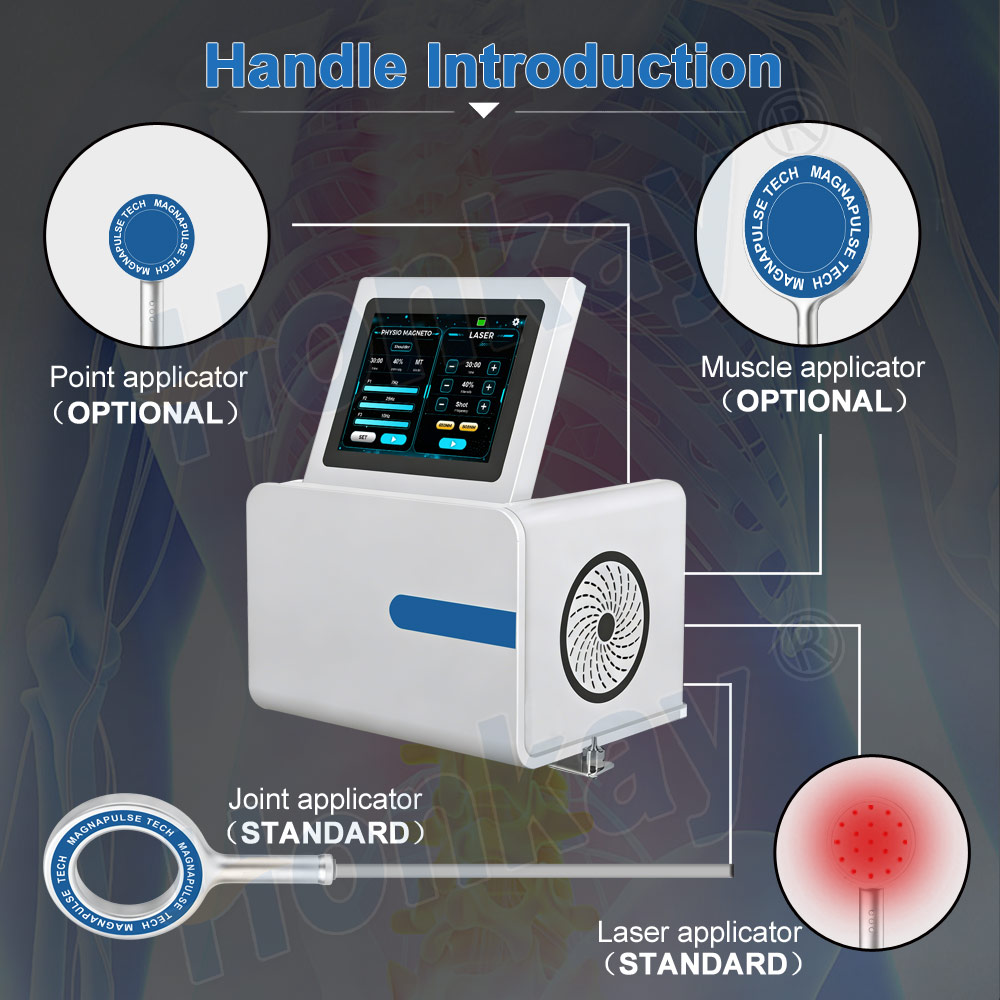
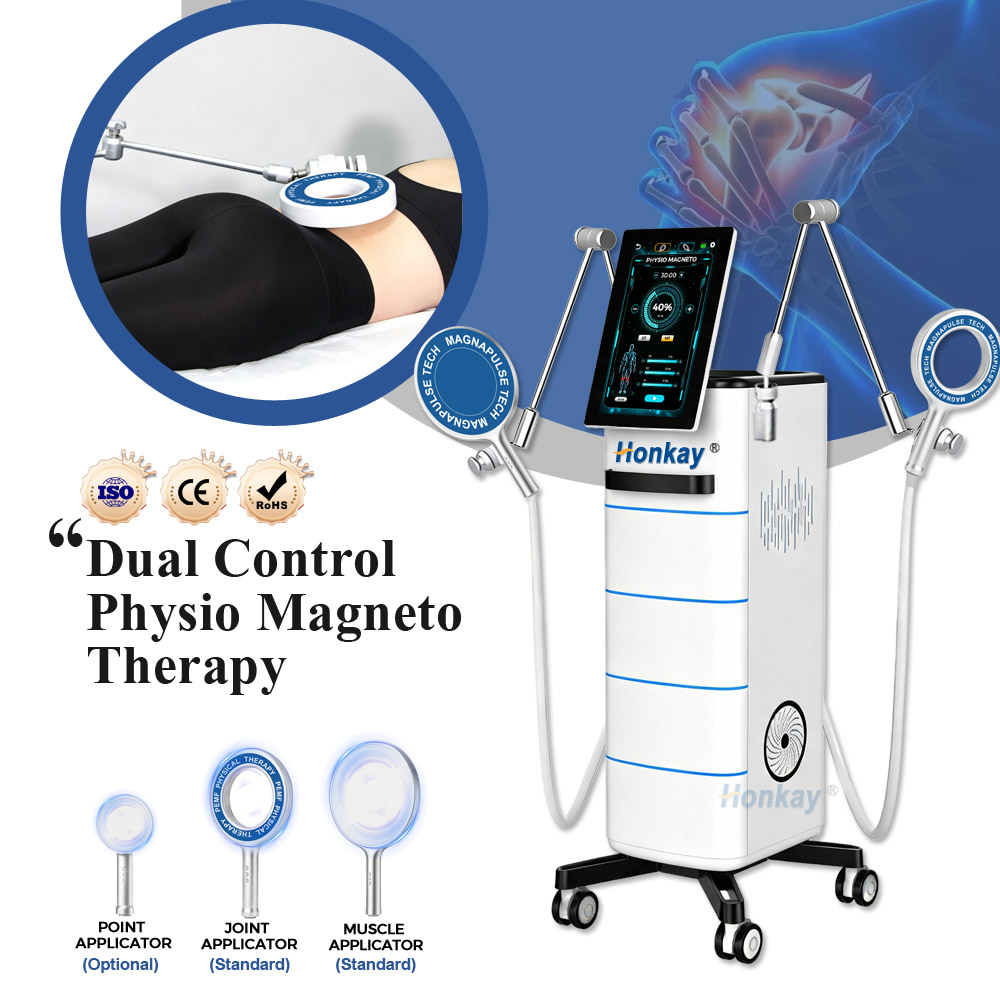
Here is how the applicator set on a dual-mat PEMF system is laid out, what each part is for, and which ones a clinic, a mobile operator and a distributor should each be ordering.
The mat is standard; the rest is a configuration
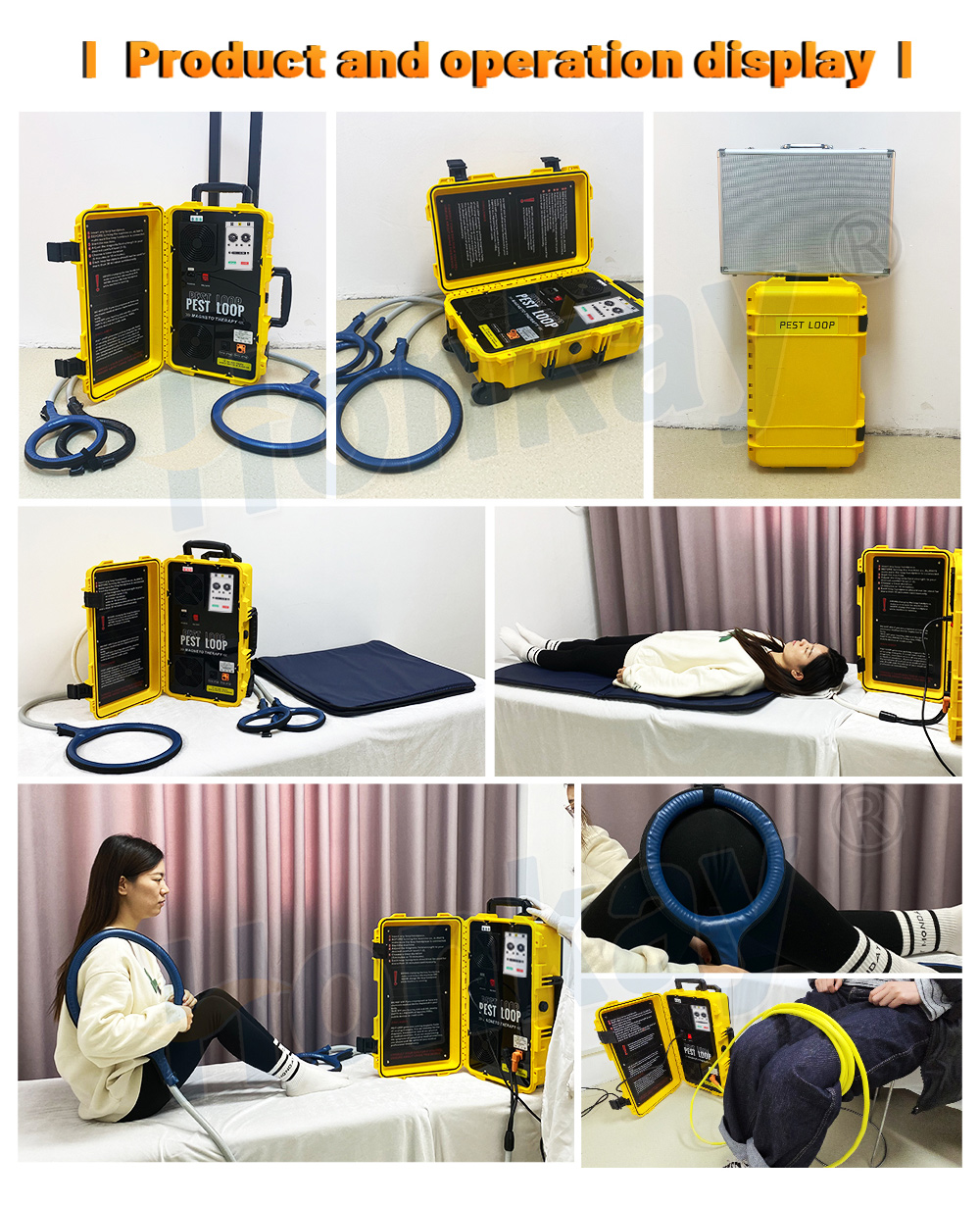
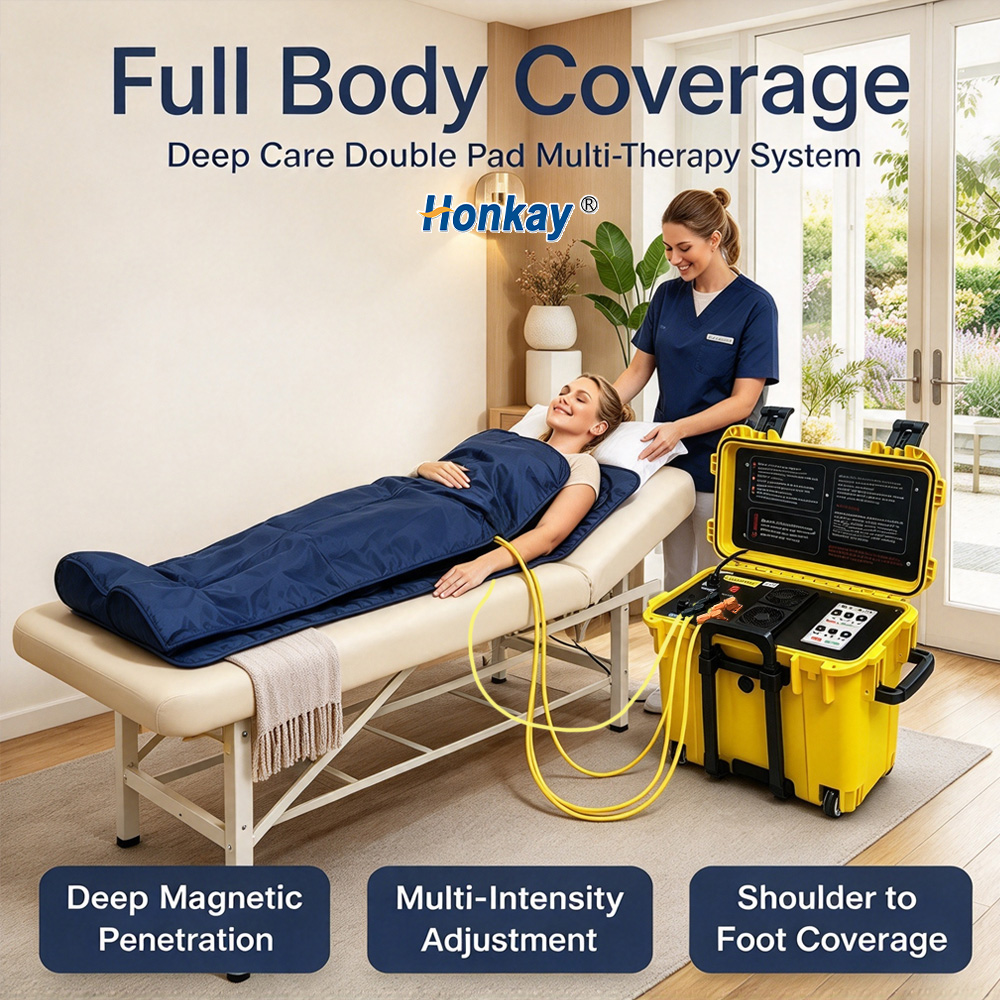
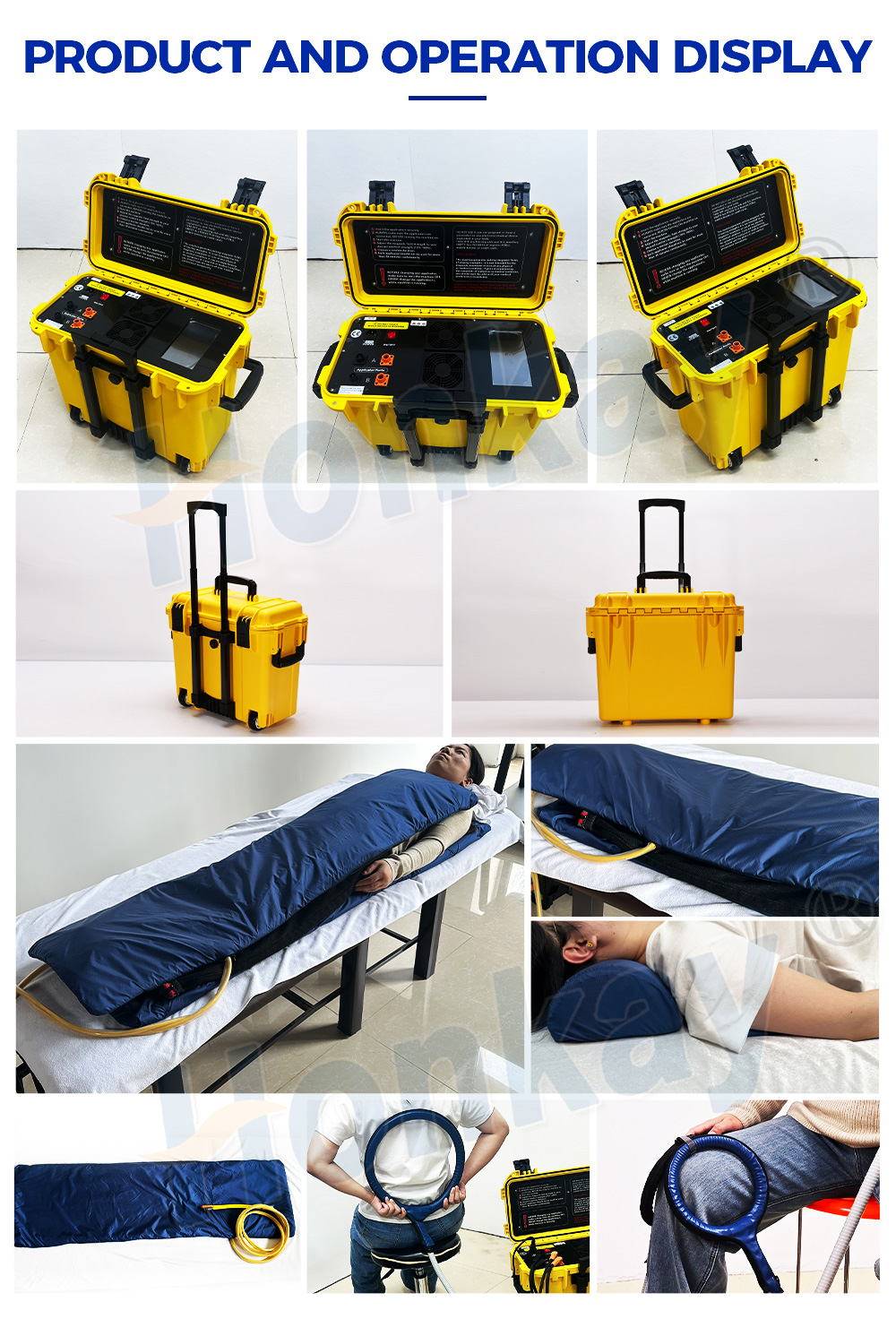
A dual-mat system ships with the mat as the standard applicator — two pads, one for the upper body and one for the lower, driven together so a session covers shoulder to foot in a single pass. Everything else in the box is optional, and that optional list is what separates one quotation from another.
| Applicator | Status | What it covers |
|---|---|---|
| Dual mat (two pads) | Standard | Full-length body coverage, upper and lower pads driven together |
| Single PEMF mat | Optional | One region, where a full-length pad is more than the case needs |
| Square mat | Optional | Localised area work, seating and targeted placement |
| Double beats | Optional | Two smaller pads used as a pair |
| Mat loop | Optional | A loop laid over a mat for combined coverage |
| Long loop | Optional | Larger limb or torso circumference |
| Large loop | Optional | Bulky regions and over-clothing placement |
| MagFlex | Optional | Flexible wrap for irregular body contours |
| Butterfly loop | Optional | Paired placement around a joint |
| Chair cushion | Optional | Seated sessions, chair-mounted |
| Handheld loop | Optional | Small-area work held by the operator |
Two consequences follow. “PEMF mat” describes one applicator, not the system — and two buyers can compare the same machine at very different prices because one quotation includes four applicators and the other includes one.
What the three settings actually control
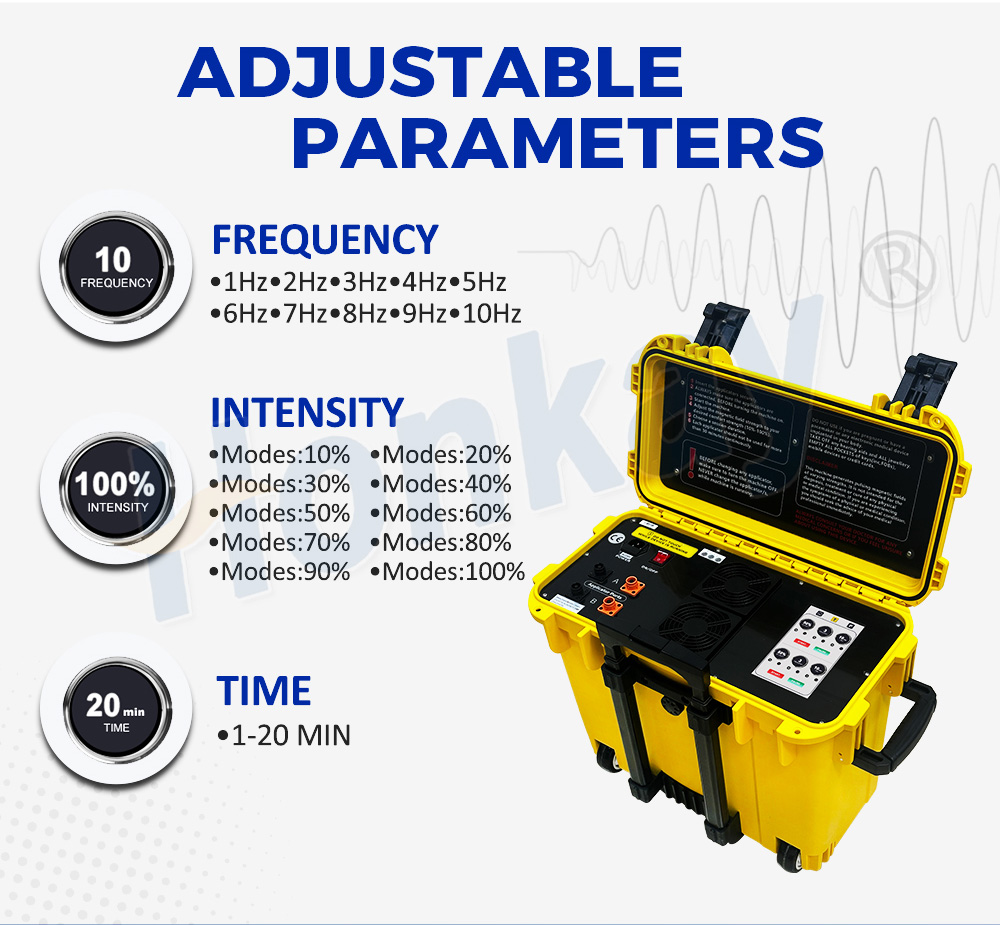
The panel is simpler than most first-time buyers expect: frequency, intensity and time. Understanding what each one does prevents the most common operating error, which is treating intensity as a depth control.
Anyone comparing pemf mat benefits claims between suppliers should read this section first; the three numbers below explain most of the difference in how two systems feel.
- Frequency, 1–10 Hz. How often the field pulses each second. Lower rates suit slower, longer-held placements; higher rates suit shorter passes. This is the setting that changes the character of a session most.
- Intensity, 10–100% in ten steps. How strong the field is at the applicator. It does not move the field deeper — a mat delivers through a fixed volume — it changes how much arrives.
- Time, 1–20 minutes. The session length. On a full-length mat, twenty minutes covers the whole body at once because the pads work in parallel, not in sequence.
Because the pads work simultaneously, a full-body session is not “twenty minutes per zone”. That is the single biggest throughput advantage of a dual-mat layout over a single handheld applicator, and the reason mobile operators favour it.
Driver specifications worth asking for in writing
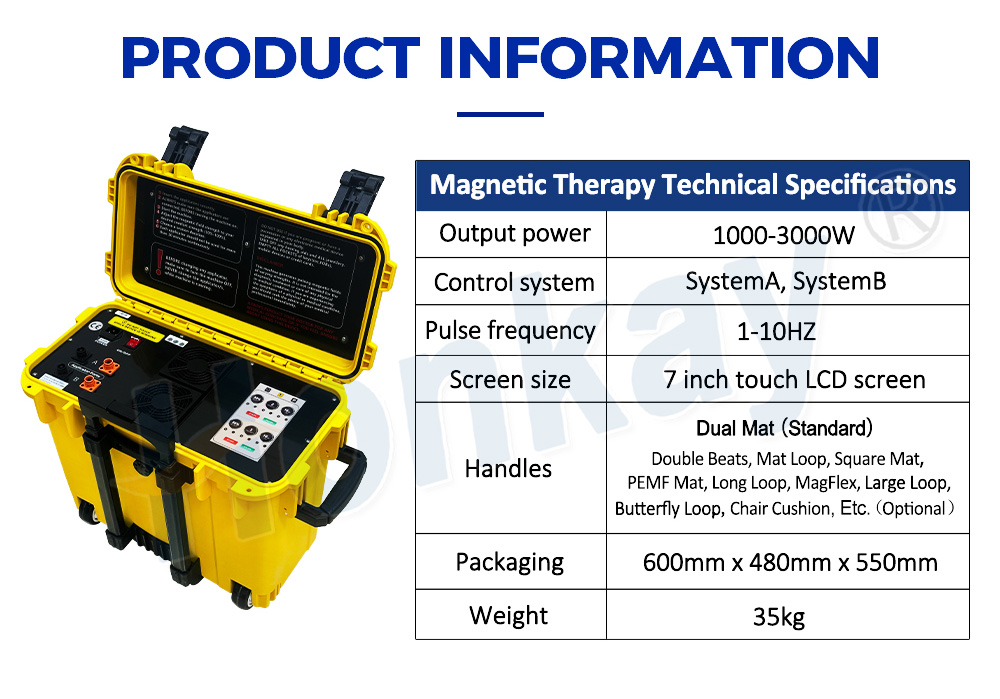
The driver is where the numbers live. These come from the specification sheet for this system, and they are the fields to request from any supplier so quotations compare line for line.
| Specification | Value |
|---|---|
| Output power | 1000–3000 W |
| Control system | System A and System B, dual control |
| Pulse frequency | 1–10 Hz |
| Display | 7-inch touch LCD |
| Standard applicator | Dual mat |
| Optional applicators | Single mat, square mat, double beats, mat loop, long loop, large loop, MagFlex, butterfly loop, chair cushion, handheld loop |
| Packaging dimensions | 600 × 480 × 550 mm |
| Unit weight | 35 kg |
| Warranty | 24 months from factory shipment date |
Note what is missing from that table: a single field-strength figure, because mat systems are specified by applicator geometry and driver power rather than by one number. If a supplier quotes a field strength for a mat system, ask which applicator and which distance from the surface it was measured at — a figure without those two conditions cannot be compared with anything.
Clinic, mobile operator and distributor need different sets
The same driver supports three very different buying patterns, and the applicator mix should follow the pattern rather than the catalogue.
- Fixed clinic. Dual mat for full-body sessions plus one loop family for limbs and joints. The mat handles throughput; the loops handle the cases that need placement.
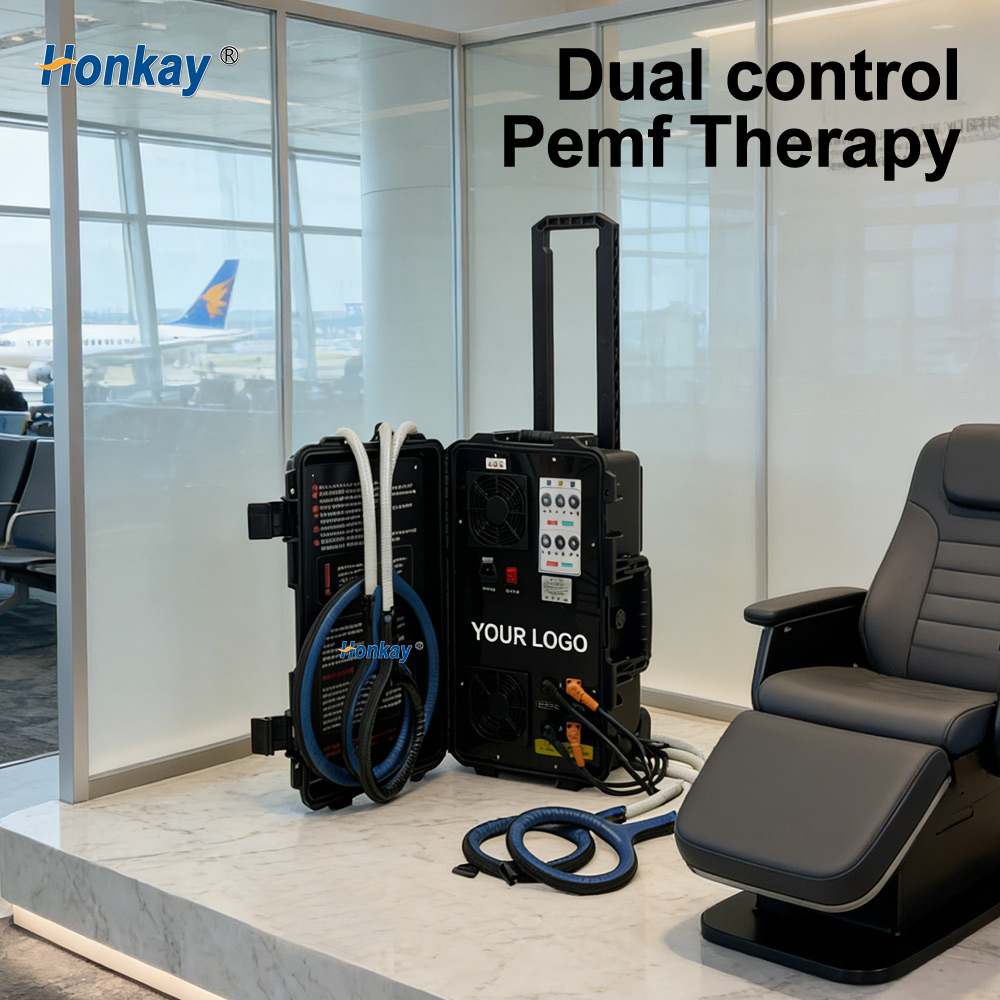
- Mobile or home-care operator. The system travels in a wheeled case at 35 kg, which one person can move. Dual mat plus a chair cushion covers most visits without unpacking loops.
- Distributor or OEM buyer. Order the driver with the widest applicator set for demonstration purposes, then stock the two or three that sell. This is also where branding decisions get made — case logo, mat colour and screen graphics are configuration items, not afterthoughts.
The setup questions that decide whether it gets used
Equipment that stays in its case has no return. Four questions predict use better than any specification.
- Where does the case live? If it must be carried up stairs, a 35 kg case with wheels still needs a lift or a ground-floor room.
- Is there a surface at the right height? A treatment couch or a bed at working height; the mat is not comfortable on a floor for twenty minutes.
- Can the operator reach the panel mid-session? The driver sits on the floor or a low stand; check the cable reach before the first booking.
- Is there a written session log? Frequency, intensity, duration and applicator, recorded per session, so two operators can reproduce each other’s work.
What to verify before you commit to an order
A demonstration that only shows the mat proves one applicator. Work through these.
- Applicator connection and release — each part seats and releases without tools.
- Dual-pad simultaneity — both mats energised at once, not alternating.
- Intensity steps at the low end — the first three steps should be usable, not just the top of the range.
- Timer behaviour at the end of a session — a clean stop, not a slow fade that leaves the patient guessing.
- Case condition on arrival — wheels, latches and seals, since the case is the transport system.
- Written applicator list on the invoice — most disputes are about which accessories were included.
Frequently asked questions
Is a PEMF mat the same as a PEMF machine?
No. The mat is one applicator; the machine is the driver that powers it. The same driver can run mats, loops, cushions and flexible wraps, and the applicator is what determines the treatment area.
How many applicators should a first order include?
A dual mat plus one loop family covers most clinics. Buyers who plan to demonstrate the range should take the wider set, because an applicator that is not in the case cannot be sold.
What does the 1–10 Hz setting change?
The pulse rate. Lower rates suit slower placements held longer; higher rates suit shorter passes over an area. It is the setting that most changes the feel of a session.
Does higher intensity mean deeper penetration?
No. Intensity changes how much energy arrives at the applicator, not how far it reaches. Mat systems work through a fixed volume set by the applicator’s geometry.
Can two mats run at the same time?
Yes on a dual-control system — that is what the dual mat and the two control channels are for. Both pads are energised together, which is why a full-body session is one twenty-minute pass rather than a sequence of zones.
How heavy is the system and can one person move it?
This configuration is 35 kg in a case of 600 × 480 × 550 mm with wheels and a handle, so one person can move it on a level surface. Stairs are a two-person job.
What warranty applies?
24 months from the factory shipment date. Confirm the start date in writing — some suppliers date it from delivery instead, which shortens cover.
Can the mat colour and case branding be changed?
Yes. Case logo placement, handle configuration, mat colour and the graphics on the screen are configuration items on OEM and ODM orders. Ask for a sample before the production run, not after.
About Honkay
Honkay manufactures physiotherapy equipment for clinics, distributors and OEM buyers in its own facility — pulsed electromagnetic field systems, focused and radial shockwave platforms, TECAR and pressotherapy — with documentation prepared for the destination market. The same engineering team that builds the standard units handles OEM and ODM projects, which is why applicator sets, mat colours and voltage options are answered as configuration questions. A 24-month warranty from factory shipment applies across the range.
Send the applicator list you need
Tell the Honkay team which applicators your caseload needs, the destination country and the voltage, and you will get the configuration, packing and delivery terms back in writing.
- WhatsApp: +8613751821215
- E-mail: hk6@huang-kai.com
- Manager: Lisa
This device is intended for adjunctive use alongside professional care, not as a replacement for diagnosis or treatment. Suitability should be confirmed with a qualified clinician; individual experience varies.