Portable PEMF Devices: Loop Size, Timer and the 30-Minute Limit
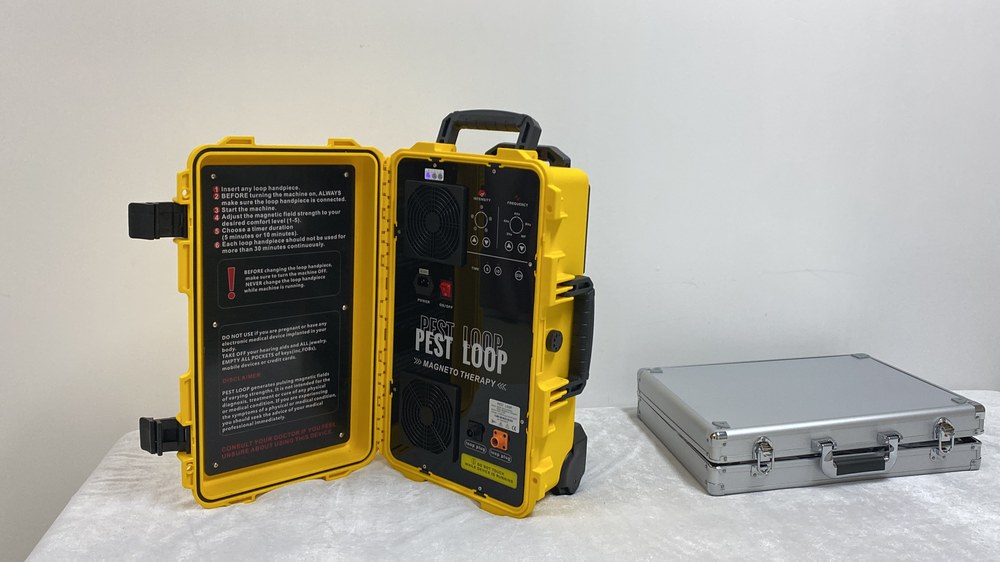
Most portable PEMF devices arrive in a case that holds more than one loop. That single fact decides how a clinic actually uses the machine — because the loop is the aperture of the field, and the timer on the panel stops where the printed warning says it stops.
This guide covers the three things buyers ask about after the box is open: which loop for which area, how the 30-minute limit changes session planning, and the connection order that prevents a machine from appearing to be dead.
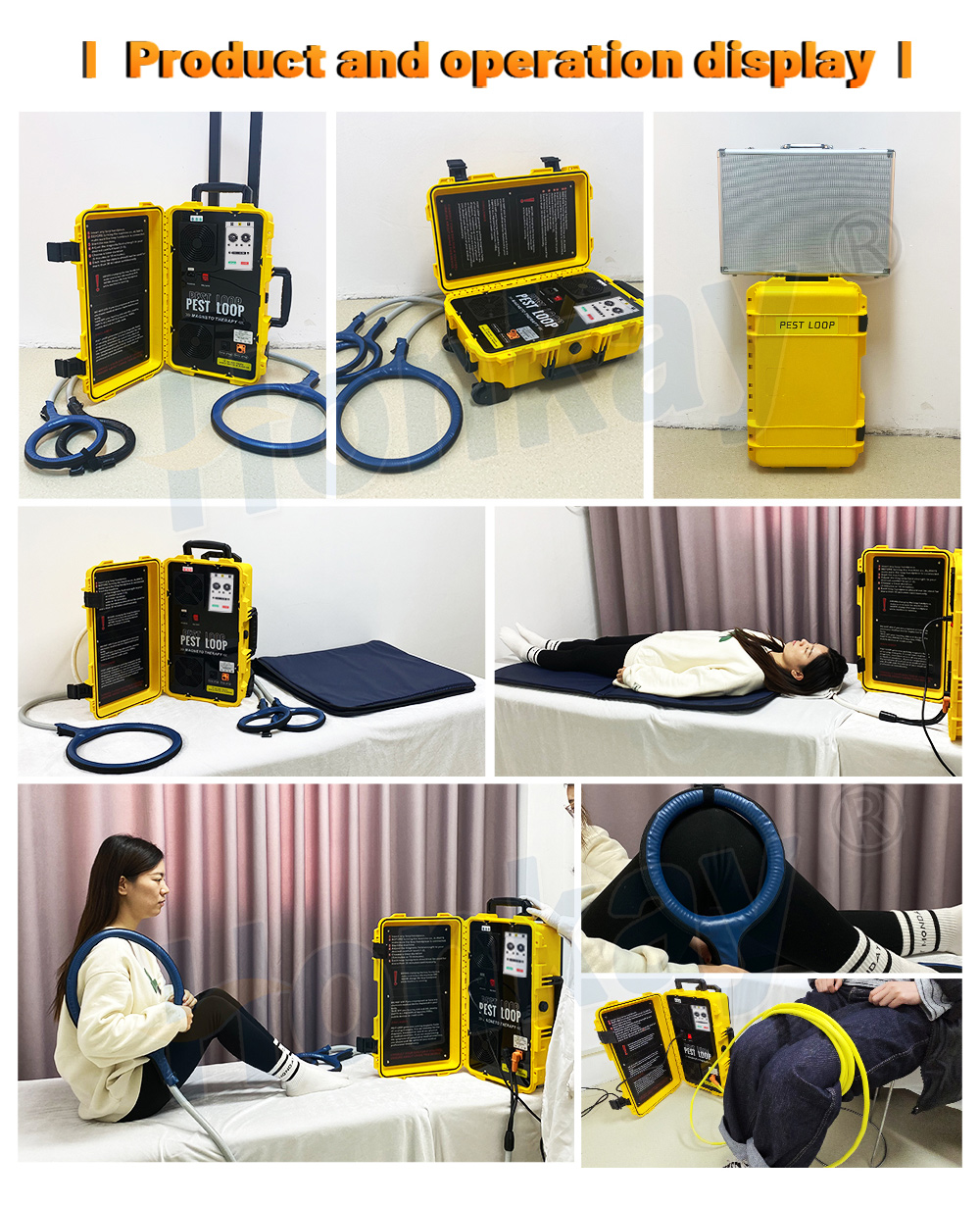
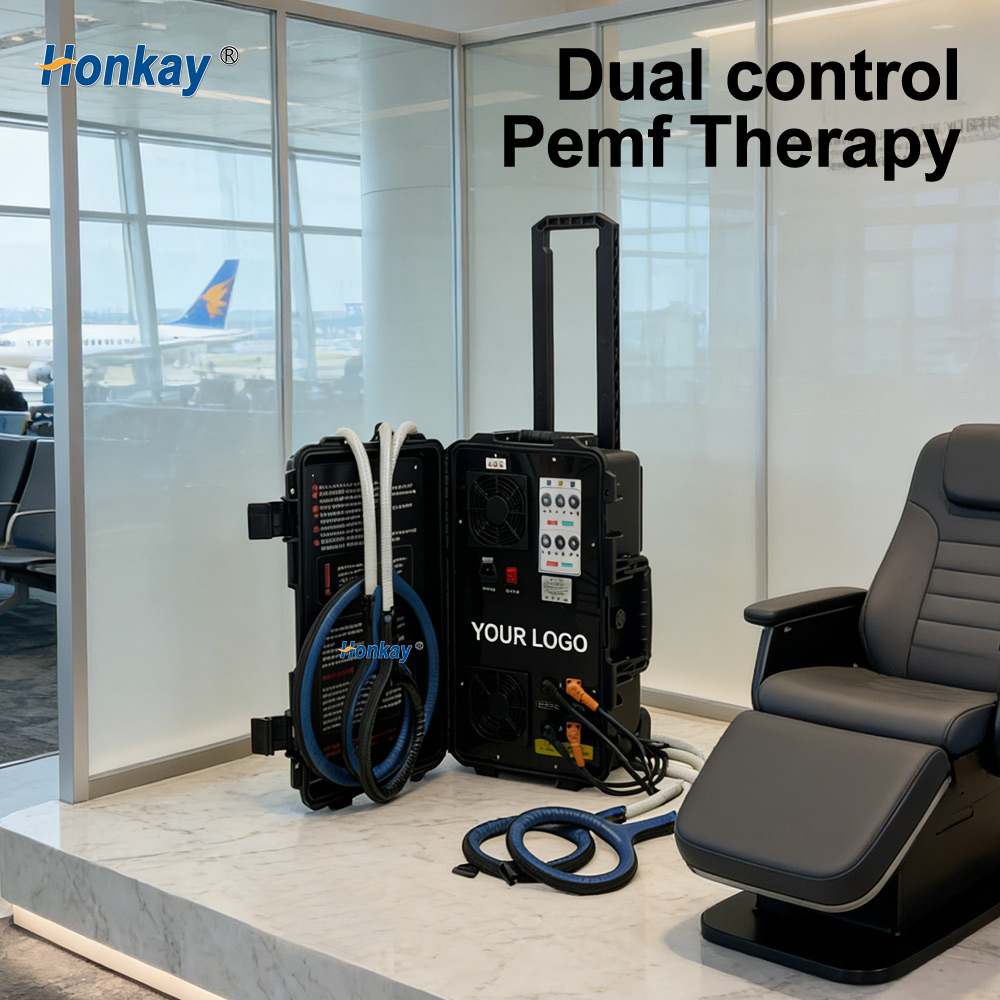
The case holds more than one loop
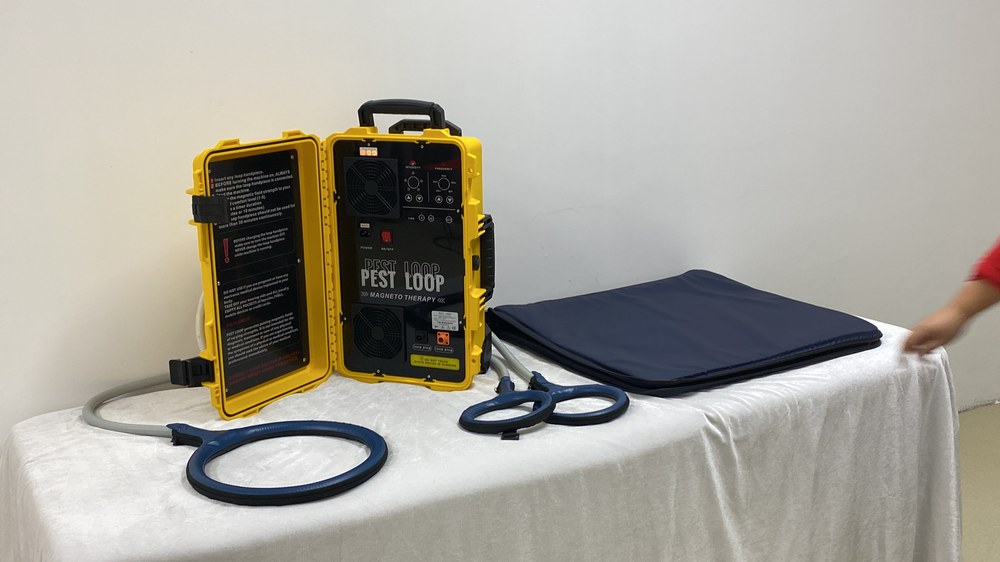
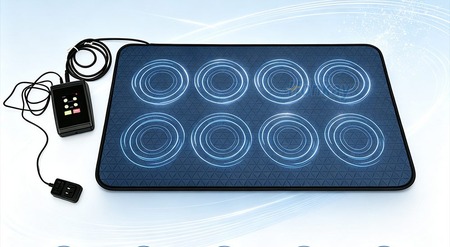
Lay the contents out before the first patient. What usually ships with this platform:
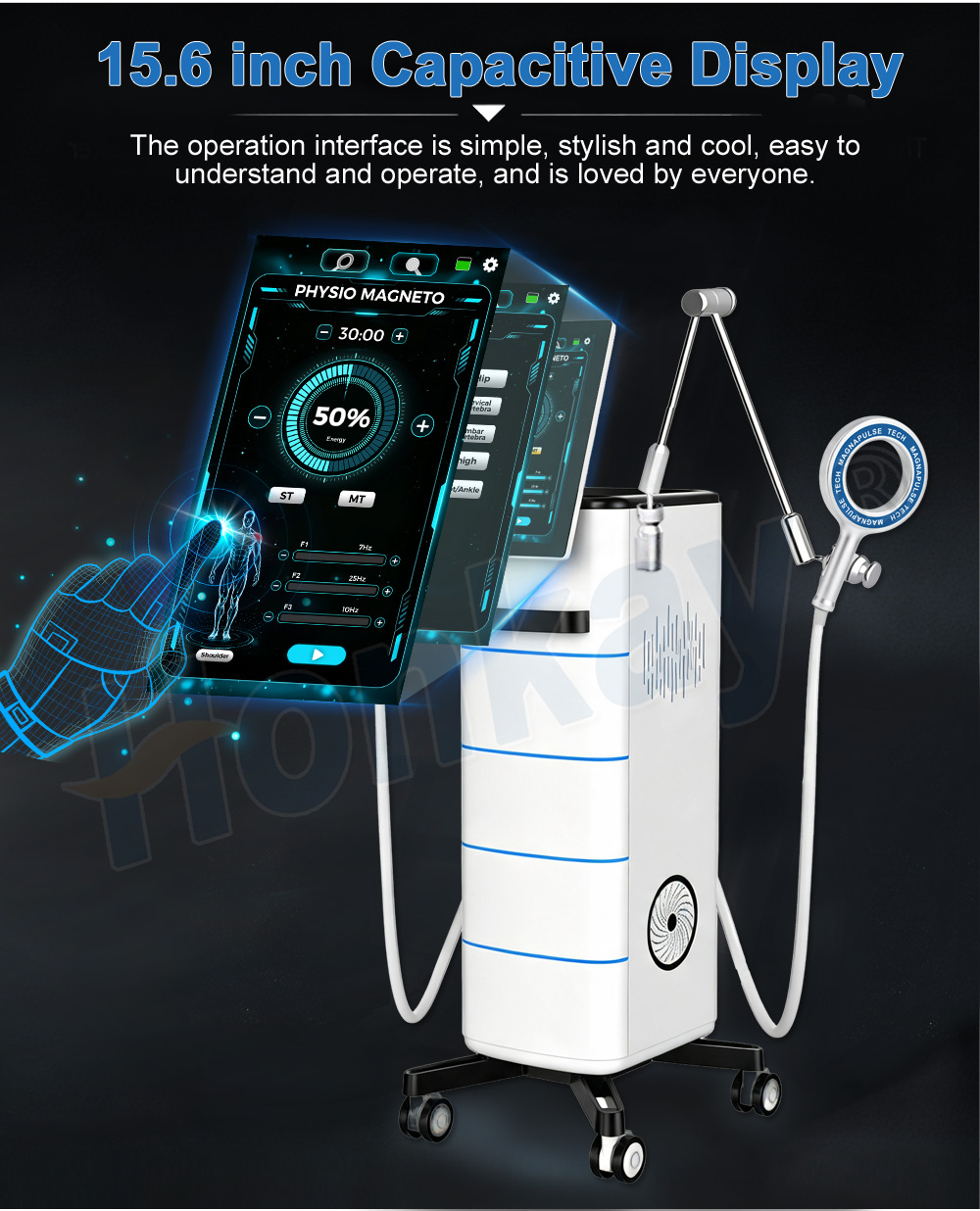
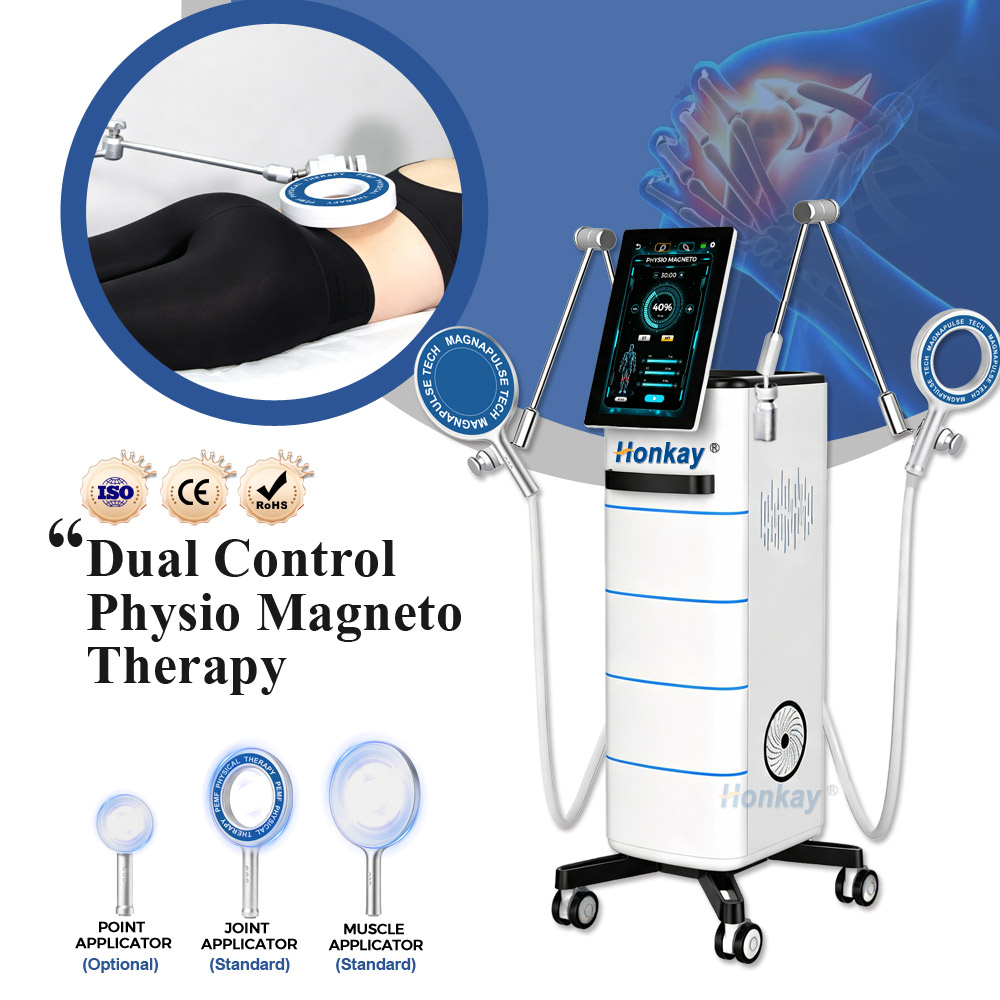
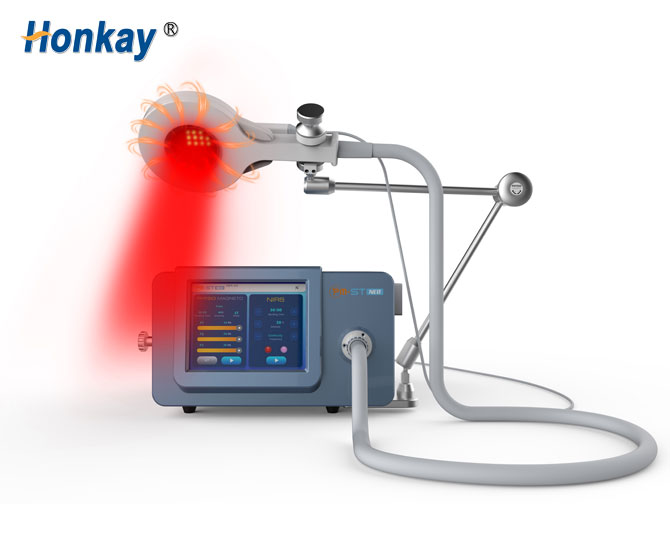
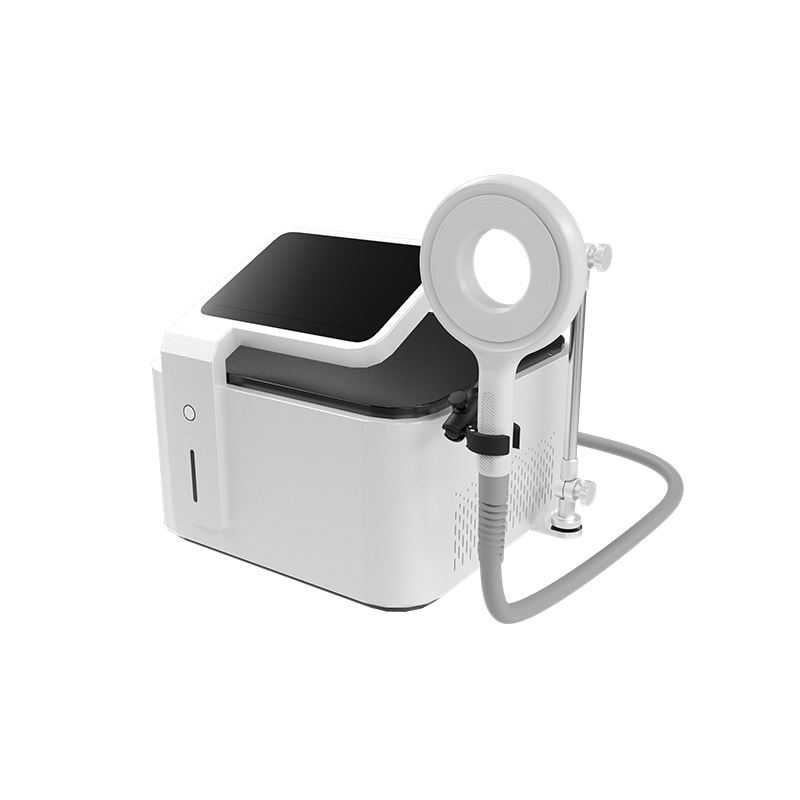
- A large loop for the trunk, back and thigh.
- A smaller loop for the knee, shoulder, elbow and hand.
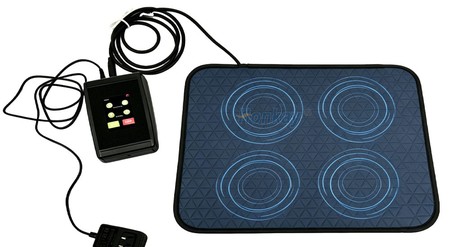
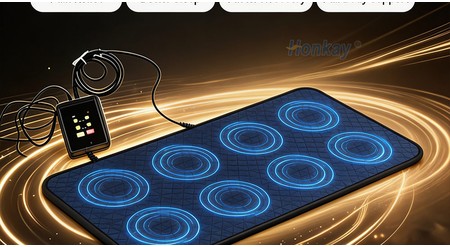
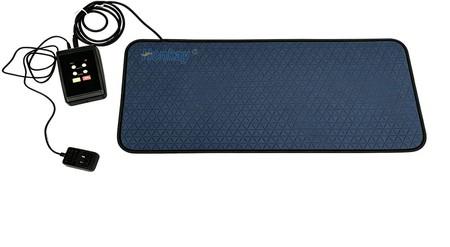
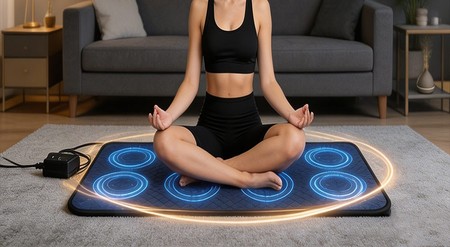
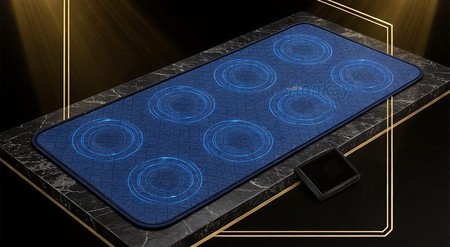
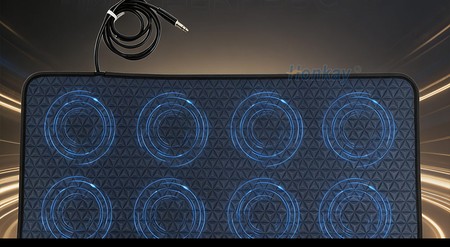
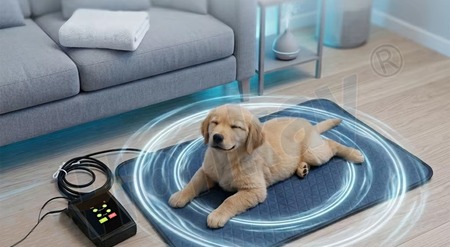
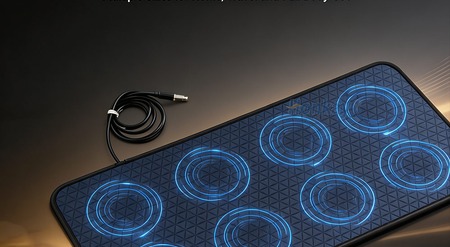
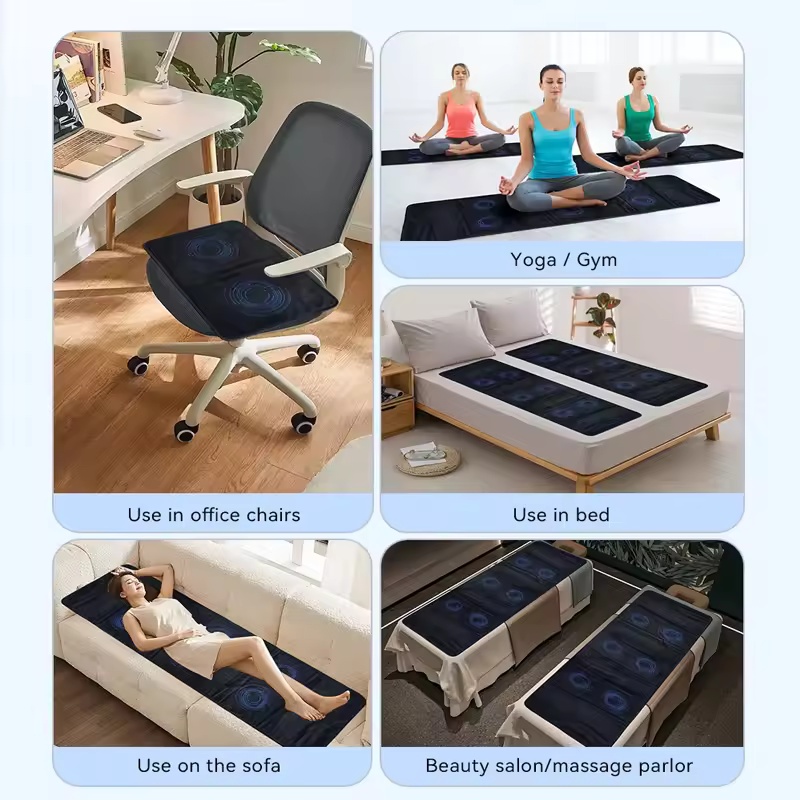
- A flat mat, used with the loop rather than instead of it.
- A strap, so the loop can be carried on the body while the operator does something else.
Two loops are not a spare. They are two working sizes, and choosing between them is a clinical decision made per session, not an upgrade.
Connect first, then power on
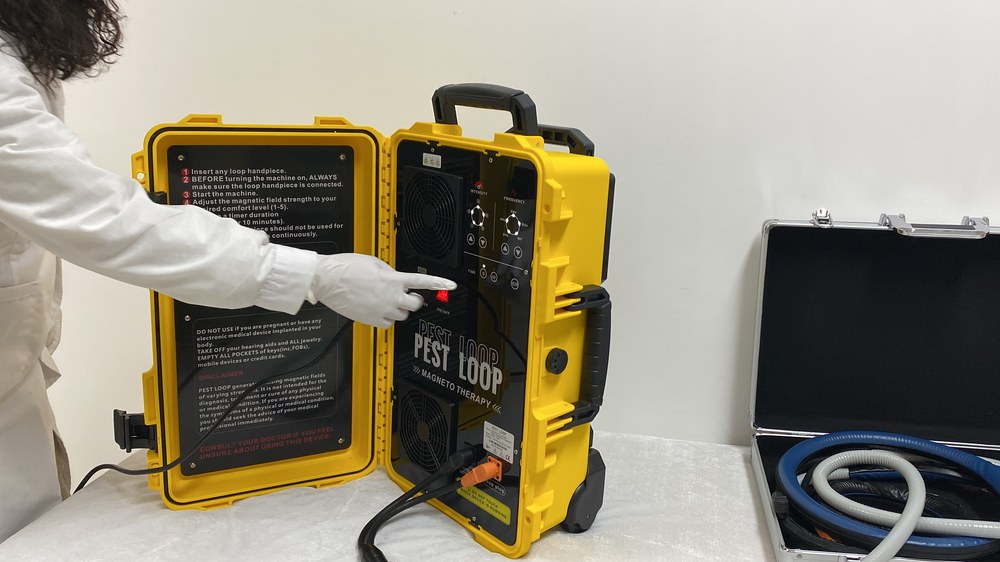
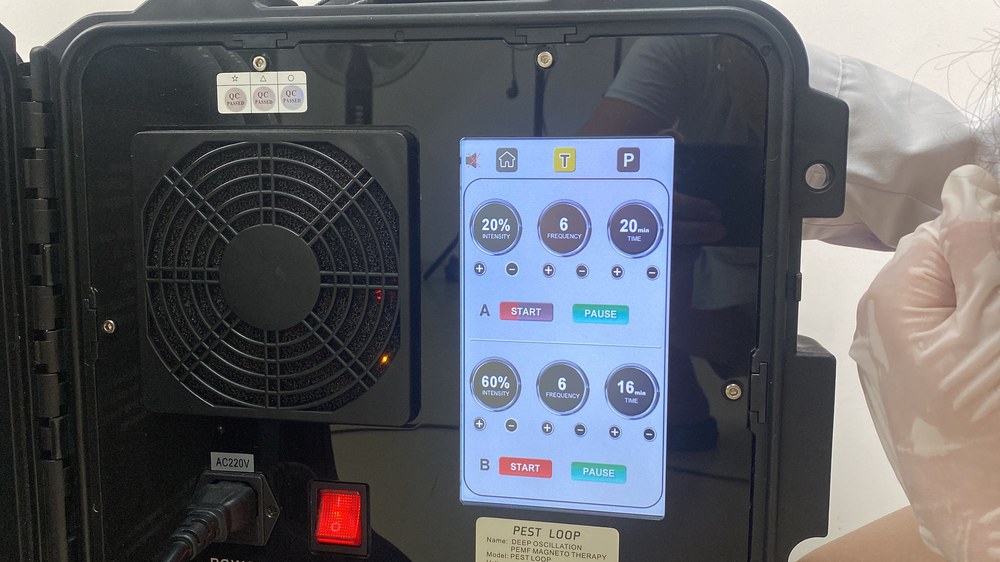
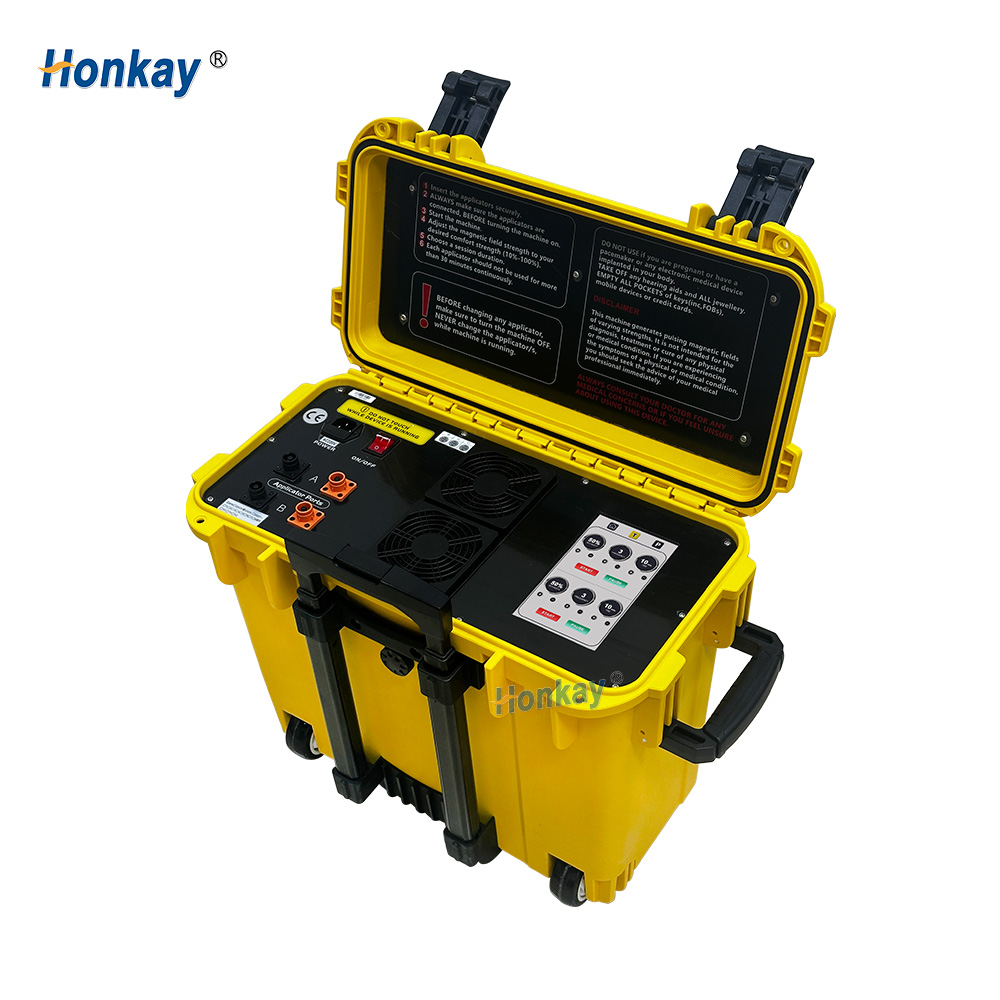
The printed sequence on the inside of the lid is short and worth following exactly:
- Insert the loop handpiece.
- Before switching the machine on, confirm the loop is connected.
- Start the machine.
- Set the intensity to a comfortable level.
- Set the countdown timer.
- Respect the continuous-use limit printed on the unit.
- After changing the loop, restart the device — the output does not resume on its own.
Step 2 and step 7 explain most “the machine has no output” calls. Neither is a fault. A unit powered on with no loop attached, or a loop swapped mid-session without a restart, will simply sit there.
What the 30-minute limit changes
The unit is not rated for indefinite continuous output, and the printed guidance caps a single run at 30 minutes. That number is the constraint a clinic plans around, because a session is rarely one loop position.
| Loop placement | Time on the panel | What it means for a room |
|---|---|---|
| Single area, one loop | 10–15 min | Fits inside a standard appointment slot |
| Two areas, one loop, repositioned | 2 × 10 min | Requires one restart per loop change |
| Three areas | 3 × 8–10 min | At or near the 30-minute run limit — split into two visits |
| Whole trunk with the large loop | 15–20 min | The large loop is the efficient choice here |
The practical consequence: two loops in the case buy throughput, not just coverage. Leaving the small loop on the machine for every patient is what turns a 20-minute slot into a 35-minute one.
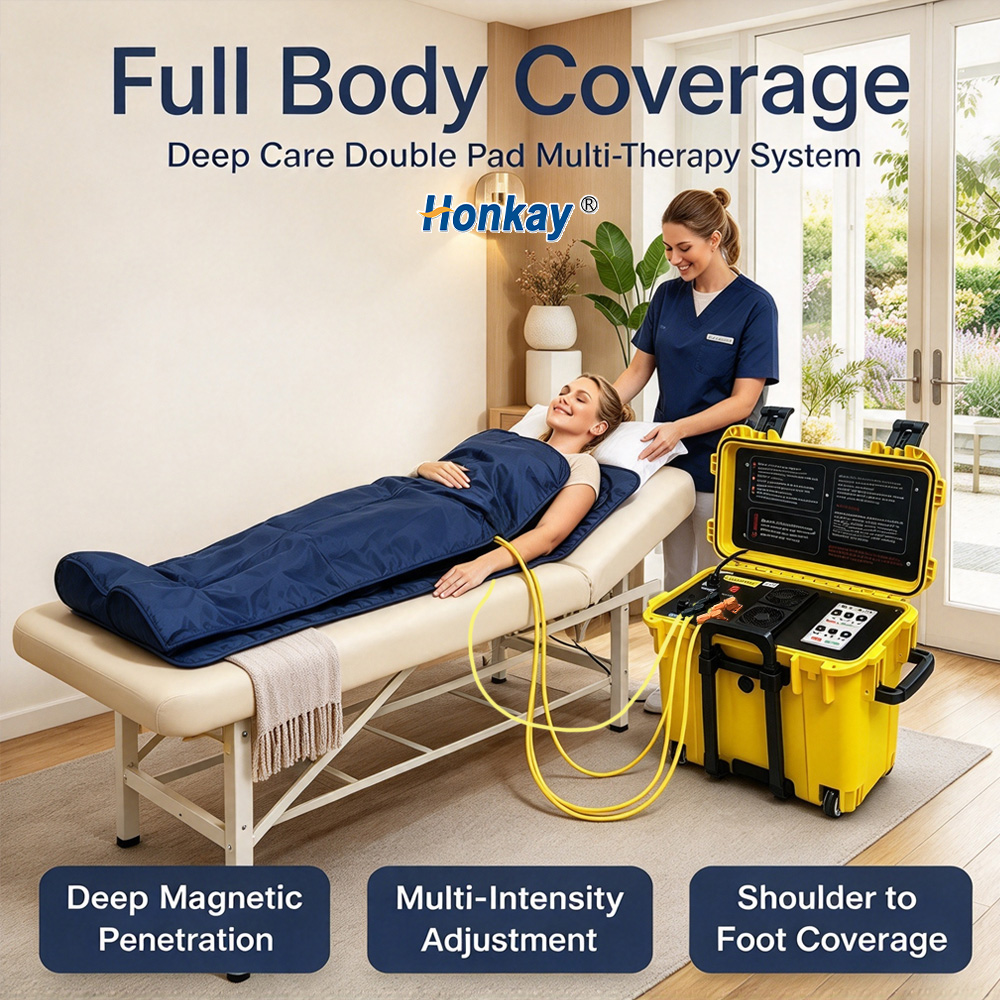
What “full body” means with a loop
A loop generates a field around its own aperture, so coverage is local even when the treatment is described as full body. Two loops and a mat cover more ground because they are repositioned, not because the field is wider.
That is why the honest way to read a “full body” line is as a workflow claim: the machine can treat any region you can reach with a loop, one region at a time.
Coil care is cable care
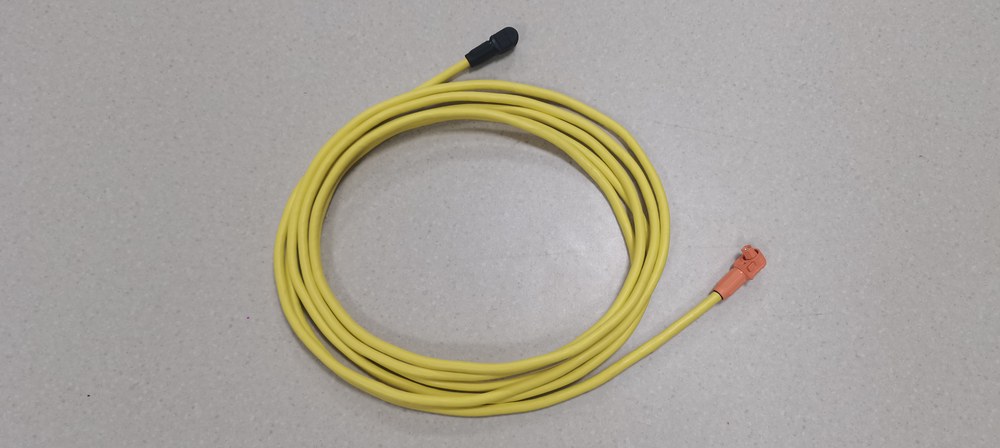
The loop and its cable are the parts that wear. Nothing about them is delicate, but three habits extend the life of the only consumable in the kit:
- Coil loosely. Wind it in a circle at least the size of a dinner plate — never tight around the connector or the handpiece.
- Store dry. Wipe gel and sweat off the loop surface after each session; do not coil it wet.
- Check the strain relief. The cable fails at the connector long before it fails in the middle. A visible crack at the boot is the moment to order a replacement, not the moment it stops working.
For clinics that treat at greater distance from the box, a longer loop line is available and can be specified with the order — decide the length at purchase, because it is not a field upgrade.
The field does not stop at the loop edge
The warning printed inside the lid states that the magnetic field extends roughly 12–18 inches from the coil. Operationally that means three things:
- Keep the loop away from the operator’s own body when it is running, and away from anyone else in the room.
- Keep it away from implanted devices, which is also the reason the unit carries a printed contraindication for pacemakers and similar implants.
- Keep it away from other equipment that is sensitive to magnetic fields — including the trolley holding a second device.
A loop resting on a treatment couch with the patient seated a metre away is still emitting. Position the loop on the target, not beside it.
Setting intensity without turning it into a competition
The panel offers a numbered intensity range, and the printed instruction is to set it to a level that is comfortable. Two rules keep that meaningful:
- Start low and move up within the session, rather than starting at the level the last patient tolerated.
- Write down the number you settled on — with the loop used and the minutes run — so the next session starts from a recorded position instead of a guess.
“Higher” is not a better setting. On a loop-based unit the sensible ceiling is the level the patient describes as comfortable and no more, which is exactly what the printed guidance says.
A one-month inspection
A portable unit travels, which is what it is bought for, and travel is what loosens things. Once a month, five minutes with the case open catches everything that matters.
| Check | Pass condition | If it fails |
|---|---|---|
| Loop surface | Smooth, no cracks or clouding | Replace the loop; coupling and output both degrade |
| Cable boot at the connector | No crack, no exposed conductor | Replace before the next session, not after |
| Connector pins | Clean, no discolouration | Clean; persistent discolouration means replace |
| Fan intake | Free of lint and dust | Clear it — a blocked intake is the usual cause of a unit running hot |
| Case seal and hinges | Case closes squarely, lid board legible | A lid that no longer seats means the unit is being carried badly |
| Printed lid board | Legible | Photograph it once and keep the photo in the clinic file |
That last item sounds trivial until the lid board fades. The instruction sequence, the continuous-use limit and the field-distance warning are all printed there and nowhere else — a photograph in the clinic folder is the only copy you control.
Frequently asked questions
Do I need both loops?
They cover different areas. A knee or a hand cannot be treated with the same loop that wraps a trunk comfortably, so a clinic that sees both needs both.
Why does the machine show no output?
Almost always one of two things: the unit was powered on with no loop connected, or the loop was changed mid-session without restarting the device.
Can I run it longer than 30 minutes?
The printed guidance caps a single continuous run at 30 minutes. For longer protocols, split the session rather than extending one run.
Is the mat powered or a positioning aid?
Confirm this with the supplier in writing before ordering, because both arrangements exist on the market. Ask what the mat is for and whether it needs its own connection.
Can the loop line be longer?
A longer line is available and can be specified at order. Choose the length you need at purchase rather than assuming it can be added later.
Where should the loop not be placed?
Away from the operator’s body, away from anyone with an implanted device, and away from magnetic-field-sensitive equipment. The printed warning puts the field reach at roughly 12–18 inches.
How many sessions fit in a day?
Plan from the 30-minute continuous limit and the restart after each loop change — not from the number of patients you would like to see.
What is the warranty?
24 months from factory shipment.
About Honkay
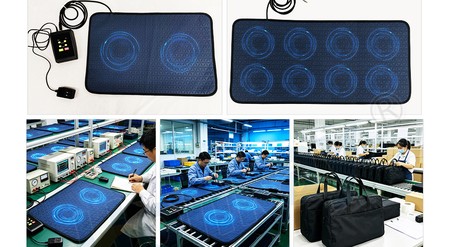
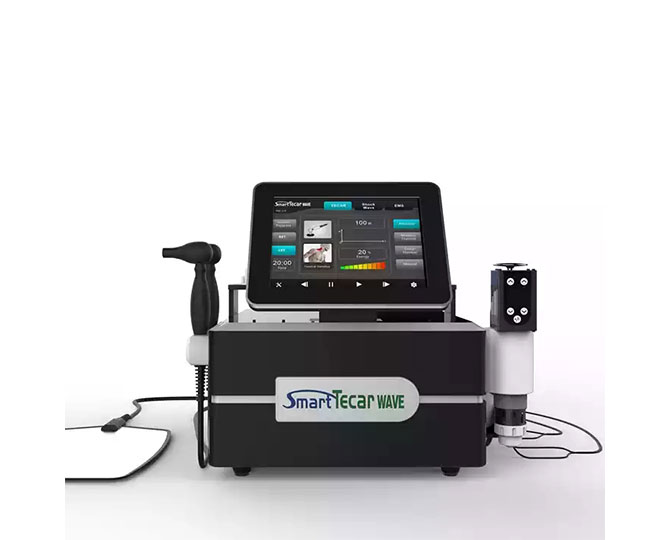
Honkay has built physiotherapy and aesthetic equipment since 2005, including loop and mat PEMF platforms, magneto systems, shockwave and TECAR units. Machines are assembled and tested in-house before packing, and the range carries a 24-month warranty from factory shipment.
Ask what is in the case before you compare prices
Two quotes for the same housing can differ by the number and size of loops included. Ask the Honkay team for the contents list, the loop sizes and the cable length, then compare on what arrives.
- WhatsApp: +8613751821215
- E-mail: hk6@huang-kai.com
- Manager: Lisa
This device is intended for adjunctive use alongside professional care, not as a replacement for diagnosis or treatment. Suitability should be confirmed with a qualified clinician; individual experience varies.