Adding a PEMF Mat to a Studio: Room Time, Sizing and Pricing
How much room time a PEMF mat really takes in a studio, which size fits a couch or floor area, how to price an add-on and what one mat can serve per day.
The constraint is room time, not equipment
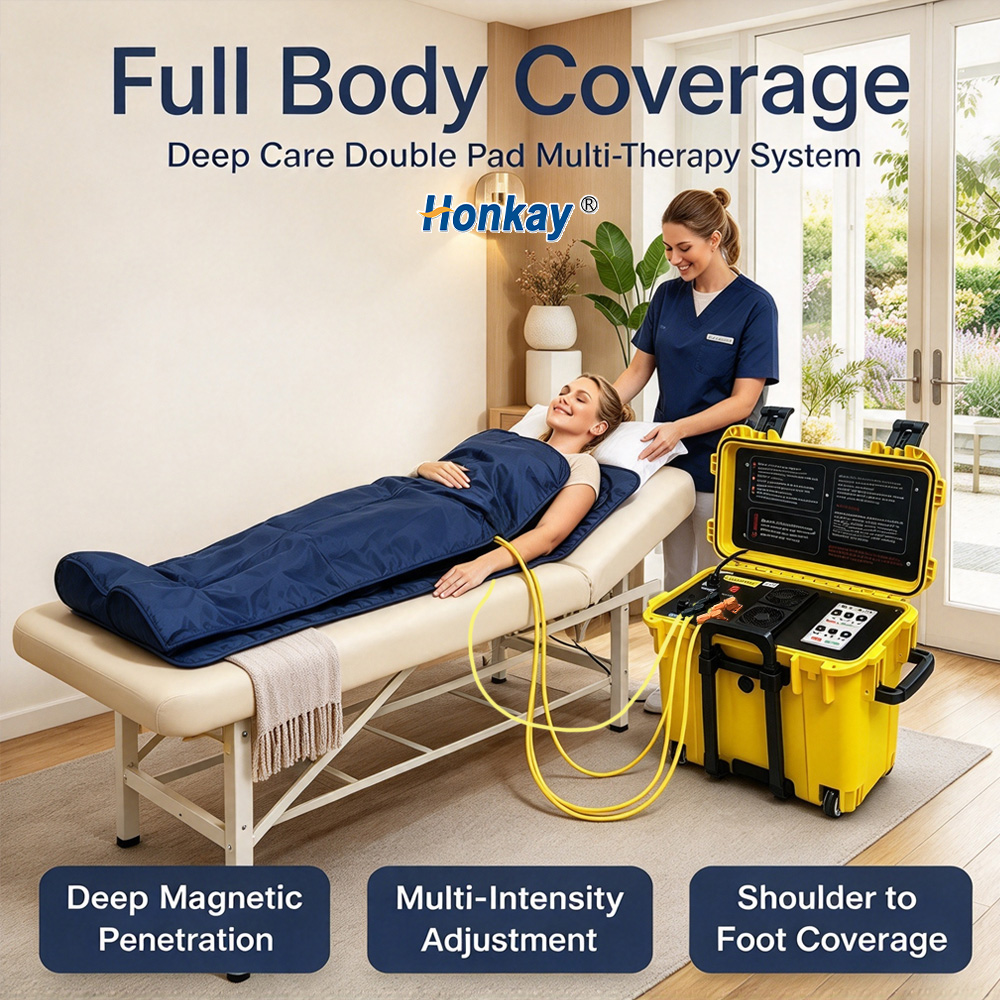
A PEMF mat is one of the few additions a beauty or wellness studio can make without building a new room. It arrives assembled, it needs no plumbing and no consumable per session, and it stores in a bag. That is why it looks like an easy decision.
The harder question is scheduling. A mat occupies the same square metres as a treatment couch, and the minutes it takes out of a room are minutes that cannot be sold twice. Studios that regret the purchase usually regret the booking logic, not the device, and the fix is usually a shorter block rather than a different product.
Which size matches which room
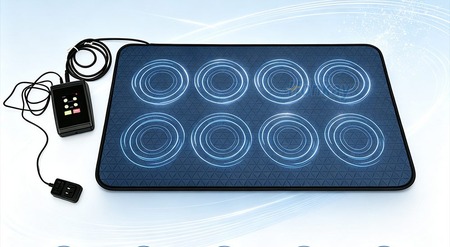
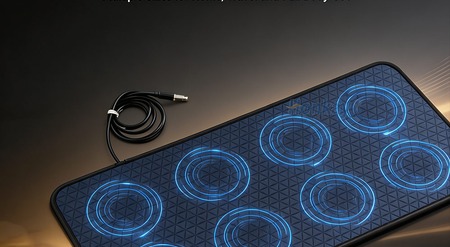
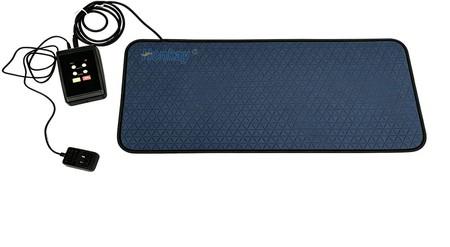
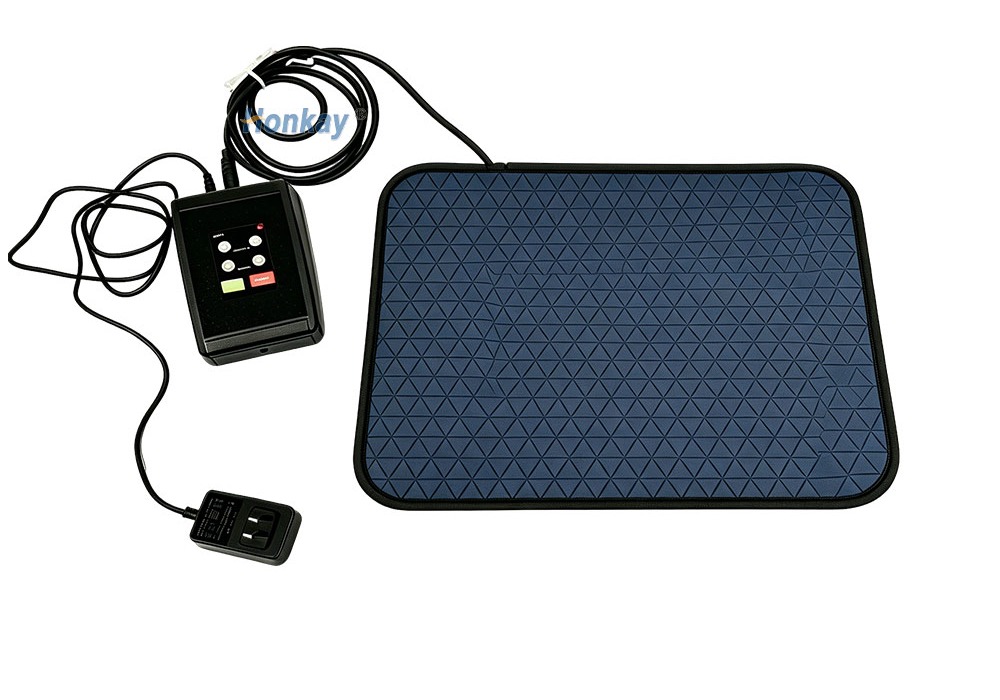
The range runs from a 40×60 cm two-coil pad to a 60×200 cm eight-coil mat. In a studio the decision is driven by where the guest will lie, not by how much coverage sounds better on a specification sheet.
| Where the guest lies | Mat | Why it fits |
|---|---|---|
| A treatment couch, added to an existing facial or body service | 60×100 cm | Covers torso and hips without hanging over the couch edges |
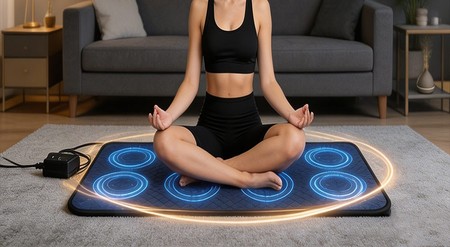
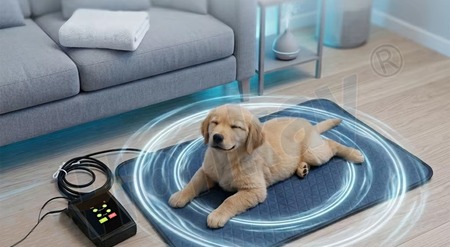
| A dedicated mat area on the floor | 60×200 cm | Full body with margin, and no need to reposition between guests |
| A narrow bench or recliner | 40×120 cm | Length without the width of a double mat |
| A chair-based add-on during a hand or scalp service | 40×60 cm | Fits a seat, and the smallest footprint to store |
What a session really costs in room minutes
The preset durations run from twenty to sixty minutes, and the clock that matters commercially starts earlier than that. The pad has to be laid out, the cable connected, the guest settled, and afterwards the pad has to be cleared and the room reset.
A realistic block for a thirty-minute preset is closer to forty minutes of room time. Studios that price the preset duration rather than the block tend to discover the gap in the second week, when the schedule starts running late.
| Stage | Minutes | What it involves | Can it overlap? |
|---|---|---|---|
| Set-up | 3–5 | Lay the pad flat, connect the pad before the power, place the control unit within reach | No |
| Session | 20–60 | Whatever the preset sets, with the guest settled on the mat | Partly, with a supervised add-on |
| Reset | 3–5 | Power down, coil the cable, stow the pad, wipe the surface as the supplier advises | No |
The limits that shape the booking sheet
Three numbers from the manual belong on the booking sheet, not in a drawer. Sessions should be at least five hours apart, daily use should not exceed 120 minutes, and frequencies above 15 Hz are not advised after 20:00. The last one matters in a studio that runs evening appointments.
If the studio also applies the mat to the head area, the frequency must stay at or below 2 Hz. That is a setting question rather than a scheduling one, but it is the kind of detail that gets lost when several staff share one device.
Pricing it without overclaiming
This device is sold as a wellness product. The manual states plainly that it is not intended to diagnose, treat, cure or prevent any disease, and that framing is also the safest commercial framing for a studio. A session described as relaxation or comfort support is defensible; a session sold as a treatment for a condition is not, and it puts the studio rather than the supplier in front of the complaint.
The practical version is to price it as an add-on to a service the studio already sells, with the duration and the setting written on the menu. Guests who arrive expecting a relaxation block are rarely disappointed; guests who arrive expecting a medical outcome always are.
There is also a staffing point. A mat with five presets invites improvisation: one therapist runs the lowest band for everyone, another runs the highest because it feels like more is happening. Neither is a decision the studio made. Writing the intended preset into the service description, and noting who is cleared to change it, costs ten minutes once and prevents an argument later.
Hygiene and storage in a shared room
The manual does not name a cleaning agent for the pad surface, which is worth resolving with the supplier before the first guest rather than after. What it does specify is storage: 5–40 °C, humidity at or below 80% RH, away from direct sunlight, high temperature, humid environments and strong magnetic fields.
It also asks that the pad not be folded excessively or randomly, because the coils sit inside. In a studio the pad should hang or lie flat between uses, not be compressed into a cupboard shelf under towels.
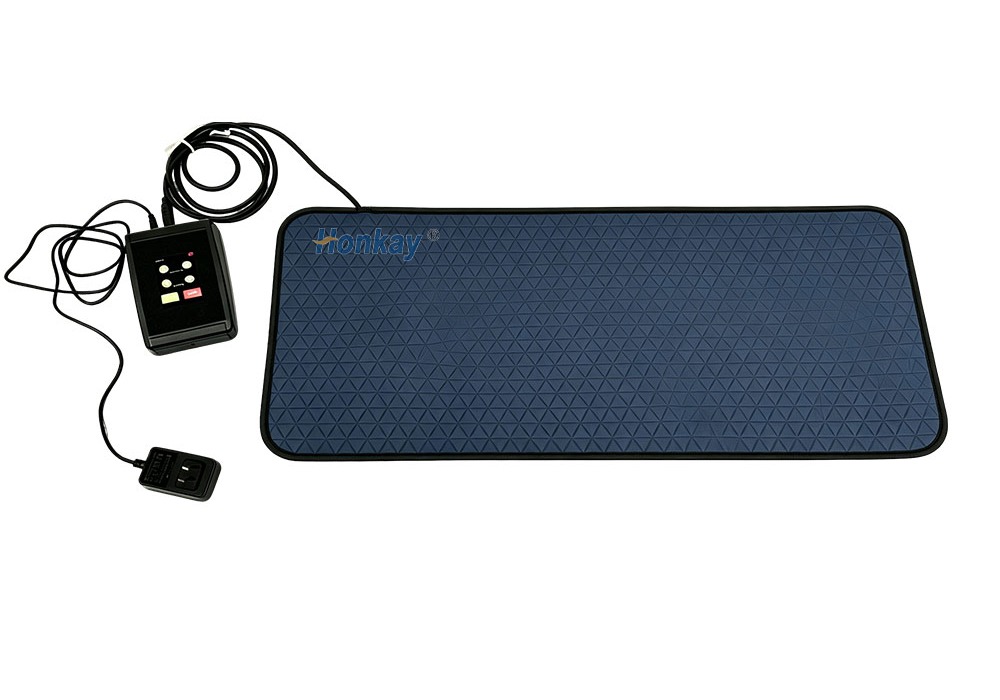
One more scheduling detail is easy to miss on paper: the pad occupies the same surface the guest is already lying on, so a service that involves oils, gels or wet towels needs a barrier decision before the first booking. A studio that already covers its couch for those services has usually solved it; one that does not should ask the supplier rather than improvise with a plastic sheet, because covering the pad is exactly what the manual warns against when it affects heat dissipation.
One mat or two
The answer depends on whether the mat is the appointment or an addition to one. As a standalone booking, one mat caps the studio at roughly one guest per hour once set-up and reset are counted. As an add-on during a service that is already booked, one mat can serve several guests a day because the room was going to be occupied anyway.
There is a third case worth naming. A studio that wants the mat for its own staff between appointments gets the value without selling anything, and that is often the most honest way to test whether the device fits the business at all. A month of internal use answers the throughput question better than a supplier demonstration.
That distinction is worth settling before ordering a second unit. Two mats in one room do not double throughput; they double the floor space the room loses.
Frequently asked questions
Does the mat need its own treatment room?
No. It can be added to an existing couch or floor area, provided the surface is flat, hard and heat-resistant.
Can a therapist leave the guest alone during a session?
The session itself runs unattended, but the guest has to be settled and the controls explained. Most studios keep the first session supervised.
How many guests can one mat serve per day?
Daily use should not exceed 120 minutes in total, so the ceiling is set by preset length rather than by the appointment book.
Is a screen or a certificate needed to operate it?
The manual describes a wellness device with five presets. It is a setting and supervision task, not a clinical procedure, and the studio should describe it that way.
What about guests with a pacemaker?
They must not use the device. Cardiac pacemakers and other implanted electronic devices are contraindications in the manual.
Do we need to buy disposables?
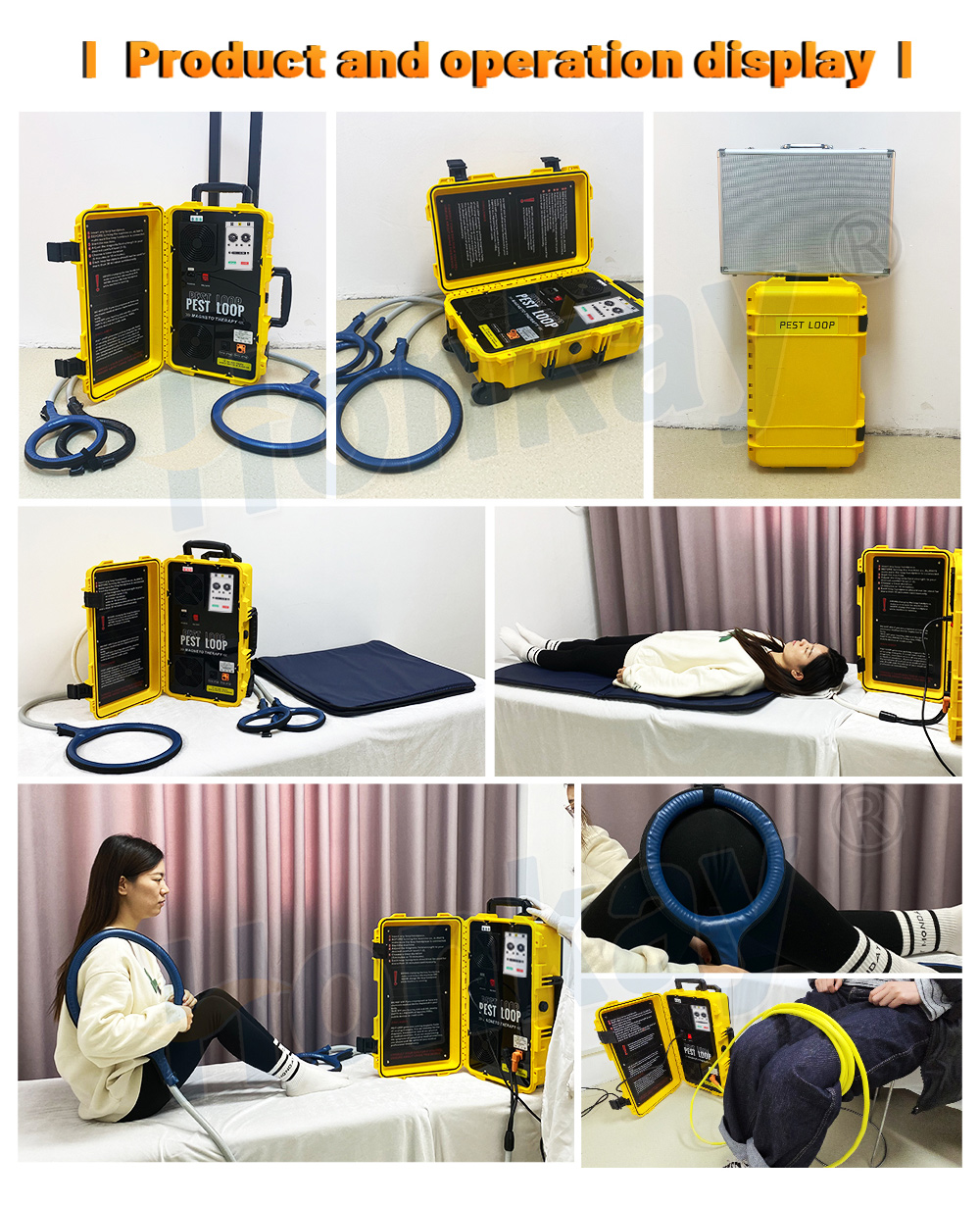
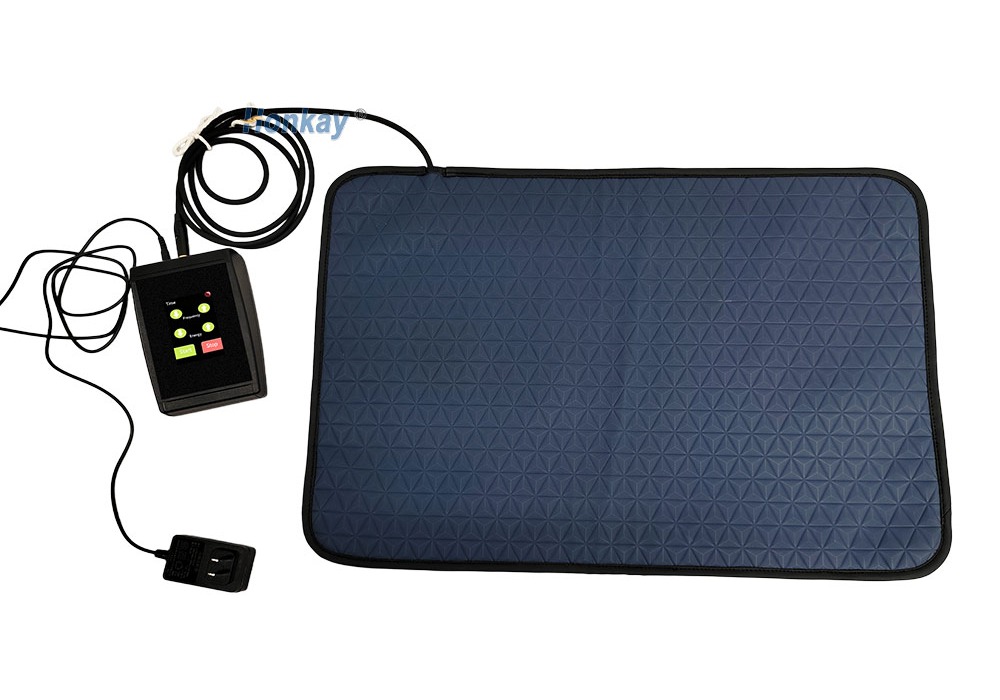
Nothing in the box is consumable. The set is pad, control unit, connection cable, power adapter, carry bag and manual.
How is it stored between guests?
Flat or in the carry bag, within 5–40 °C and at or below 80% RH, away from sunlight and strong magnetic fields.
What warranty comes with it?
24 months from the factory shipment date, with claims requiring the device serial number and video evidence of the fault.
About Honkay and the next step
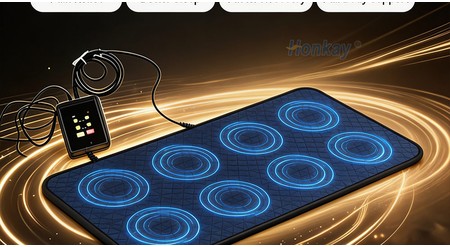
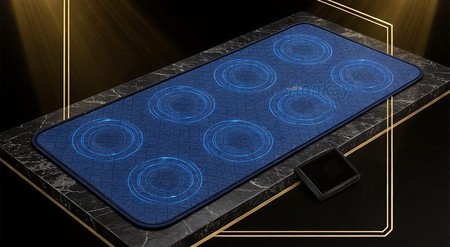
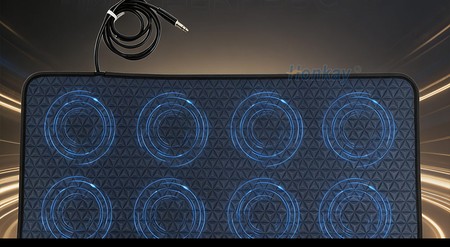
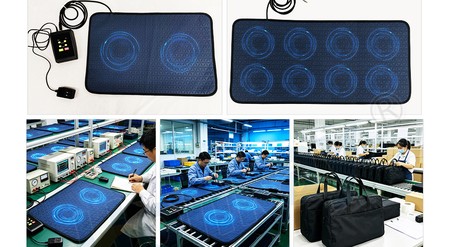
Honkay has manufactured physiotherapy and aesthetic equipment since 2005, with 20 years of OEM and ODM work behind the range. The mat platform is offered in four sizes with two, four, four and eight coils, each supplied with the control unit, cable, adapter, carry bag and manual.
If you are fitting a studio, tell the Honkay team the room dimensions, the surface the mat will lie on and how the session will be sold. Those three answers decide the size, and they are also the questions a guest will eventually ask.
This device is intended for adjunctive use alongside professional care, not as a replacement for diagnosis or treatment. Suitability should be confirmed with a qualified clinician; individual experience varies.
Chat with the Honkay team on WhatsApp | Email hk6@huang-kai.com