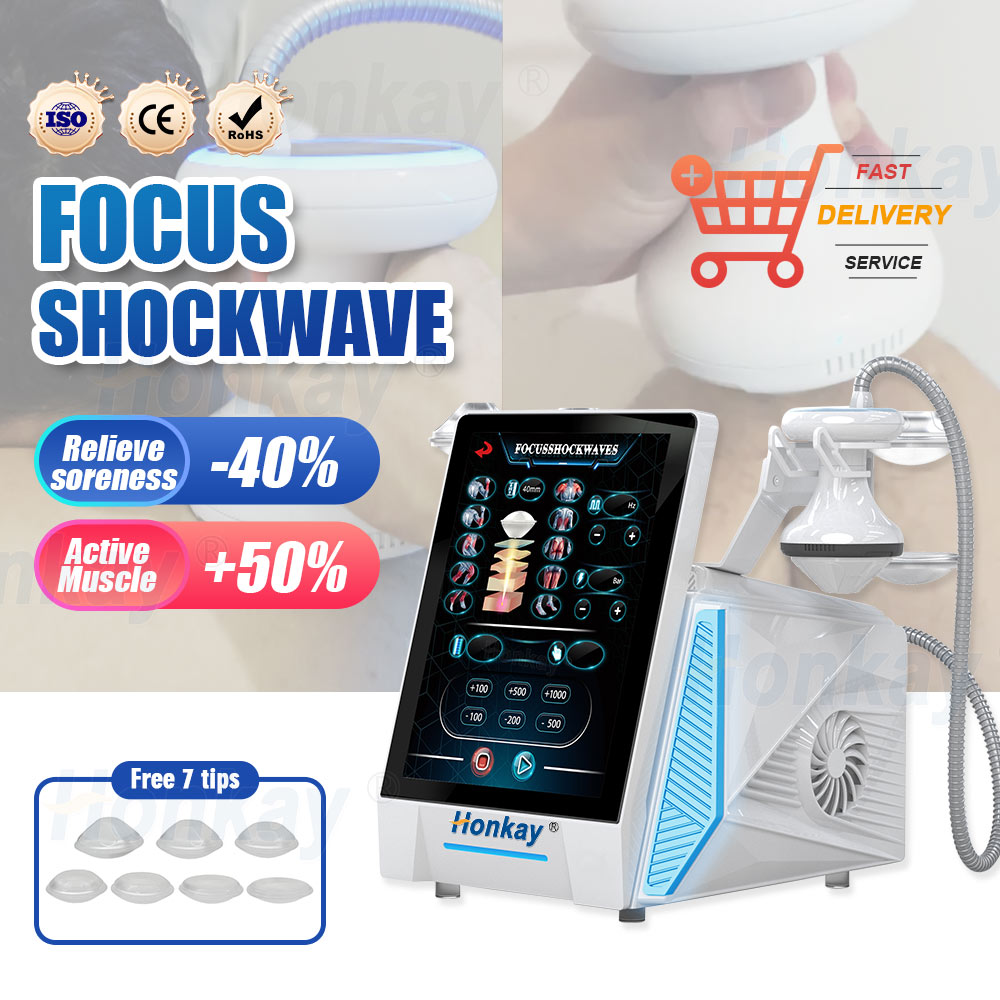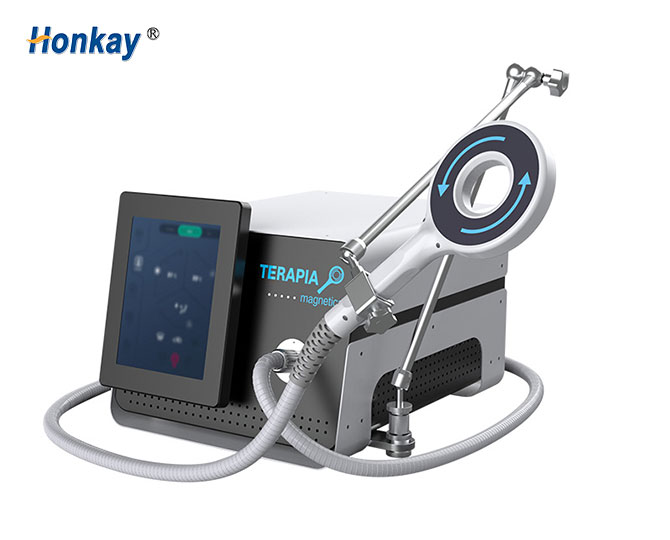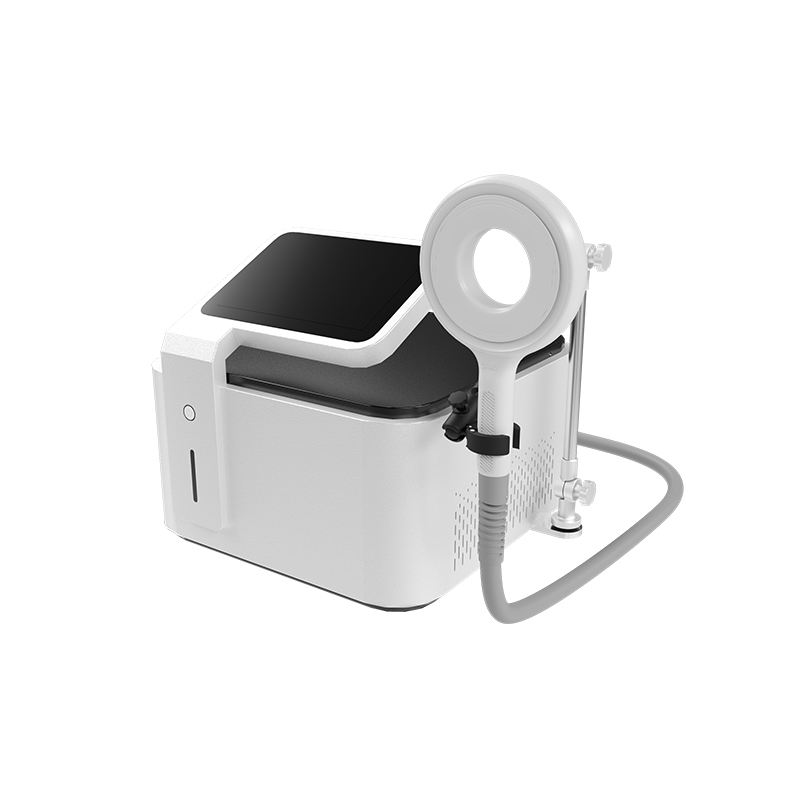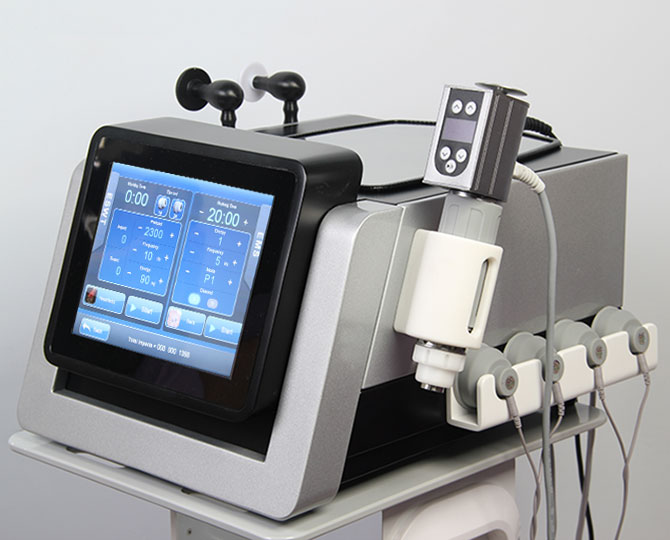
Plantar Fasciitis Treatment Shockwave Therapy: Why Two Quotes Differ
Two clinics buy a focused shockwave unit for heel pain in the same month, pay within a few hundred of each other, and end up with very different machines. One treats a full heel-pain list from day one; the other discovers in week three that the applicator set does not cover half of it and orders a second handpiece.
The gap is rarely the headline price. It is what the price includes — and for plantar fasciitis treatment shockwave therapy, the differences that matter are all visible in the quotation if you know which lines to read.
What plantar fasciitis treatment shockwave therapy asks of the machine
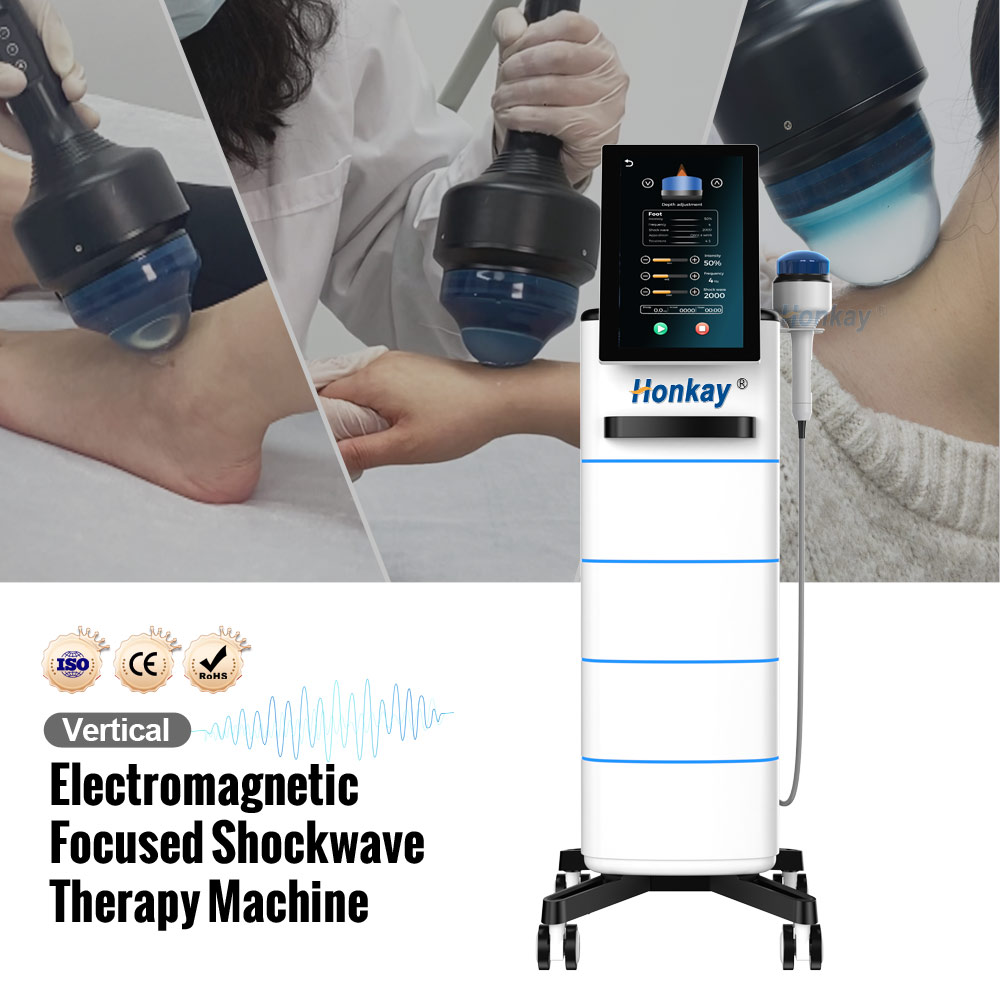
Start with the treatment, because the treatment decides the specification. Heel pain is an insertional problem: the target sits where the plantar fascia meets the bone, under a thick soft-tissue layer, on a curved surface.
That produces four requirements, and every one of them shows up in a quotation:
- Enough depth to reach the insertion. A focused platform delivers its peak energy below the surface at a depth the operator sets, which is what makes an insertional target treatable at all. Ask for the depth range in writing and in one unit — a range quoted in one place as millimetres and in another as centimetres is a documentation problem, not a specification.
- A small enough contact point to sit on the target. A broad head spreads energy across the whole medial heel. A defined contact area keeps it on the fascia origin.
- Reproducible intensity steps. Two operators treating the same protocol need to return to the same setting, not to “about the same”.
- A treatment time that fits a real appointment. Short per-area delivery is what makes six heel cases a day possible.
A unit that satisfies those four is not necessarily the most expensive one on the quotation list. It is the one whose specification lines have actually been filled in.
The five lines where two quotes diverge
Put two quotations side by side and the price difference usually sits in five places.
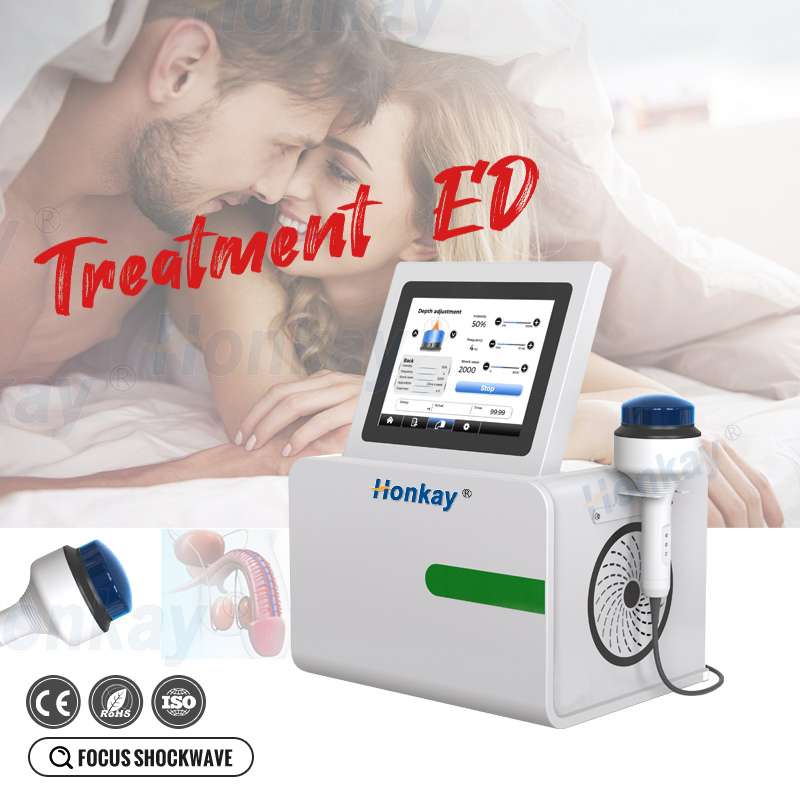
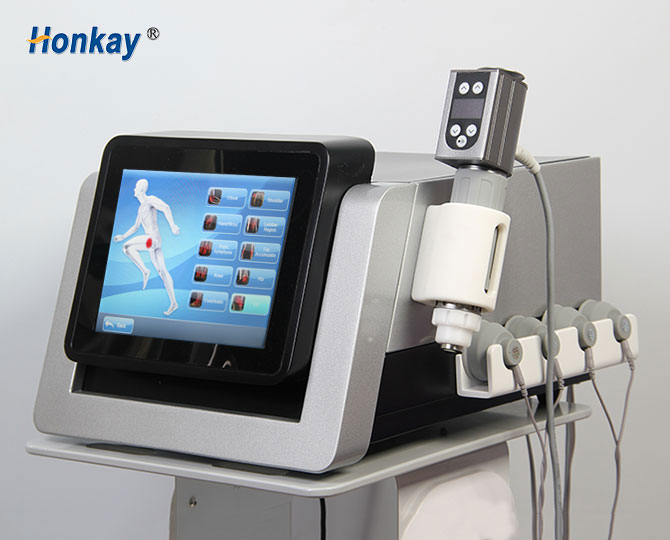
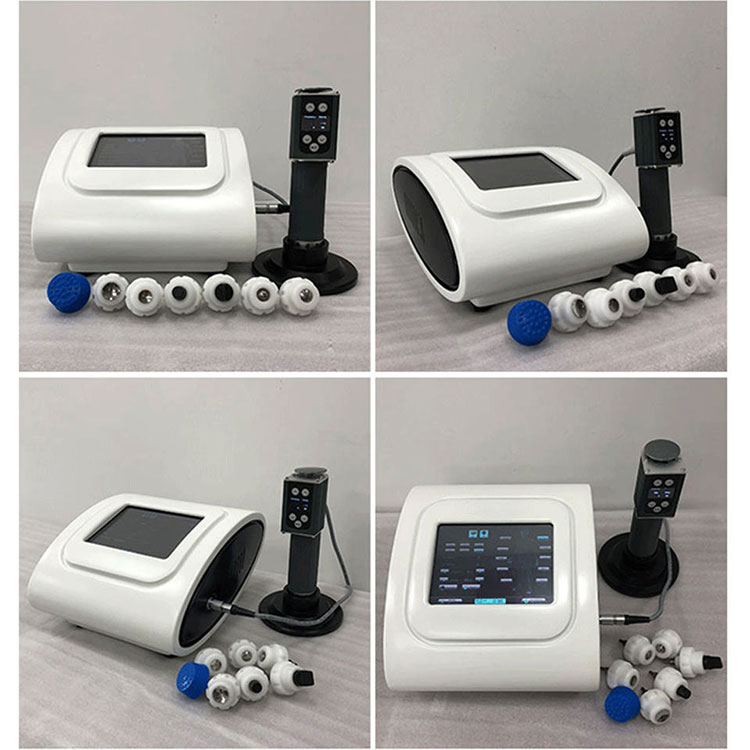
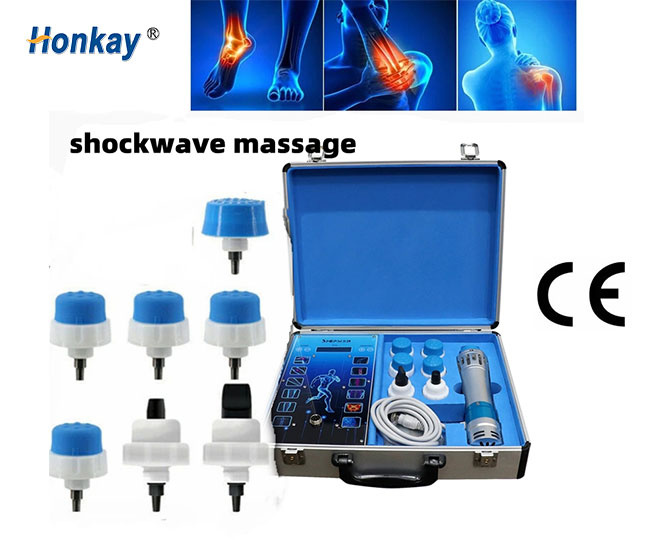
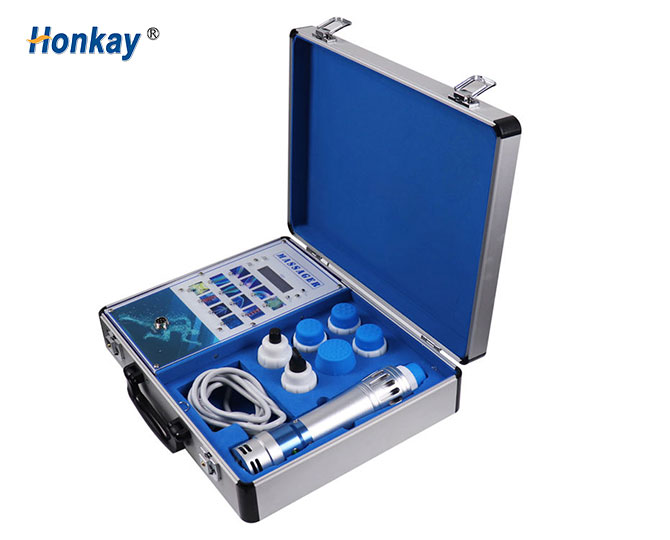
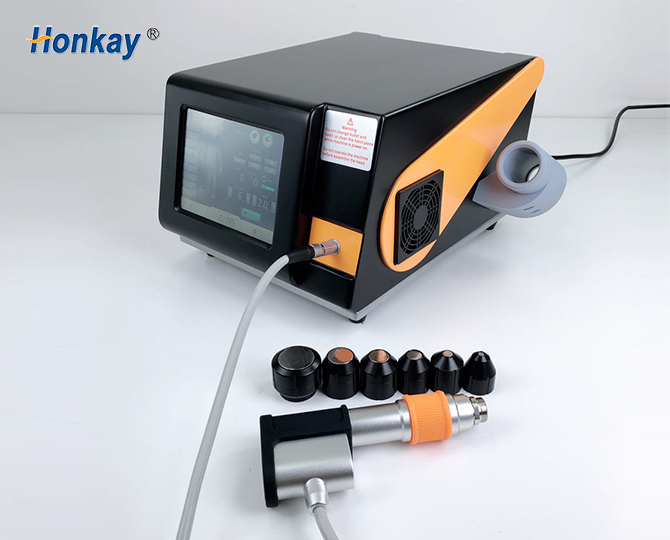
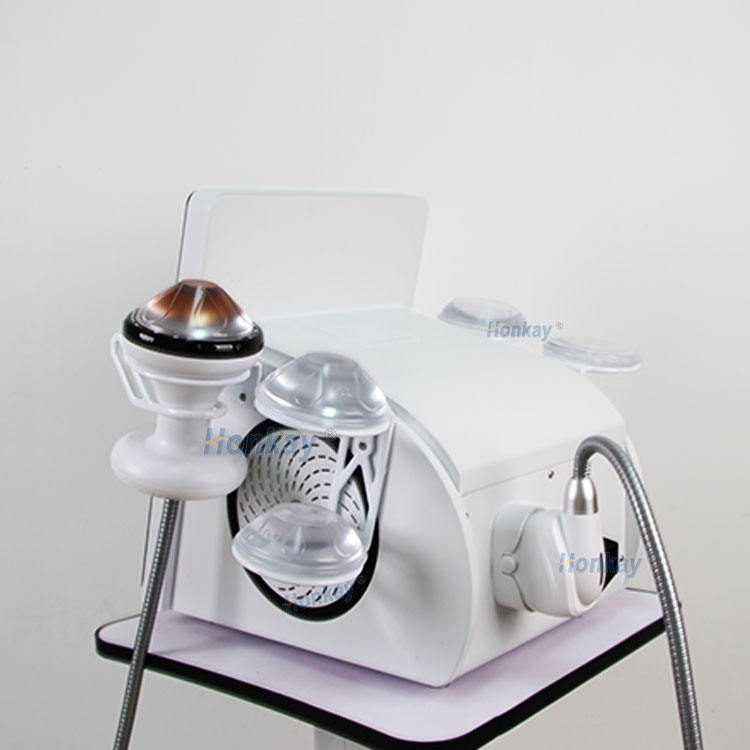
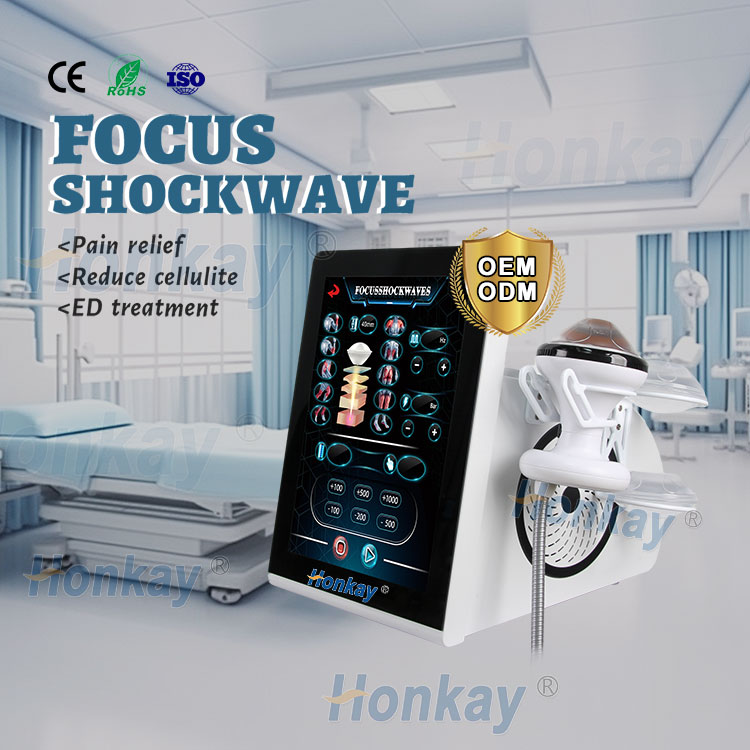
1. The applicator set. A unit priced with one handpiece and no accessory heads is not the same product as one priced with a full head set. Count the heads, and ask which indications each head serves. If two of them are dedicated to the ED indication, that is real specification, not an accessory.
2. Energy range and the unit it is quoted in. A stated range tells you where the machine can work; the unit tells you whether you can compare it with anything else. Ranges quoted in millijoules, in energy levels and in preload steps are three different things, and a quotation that mixes them is not comparable.
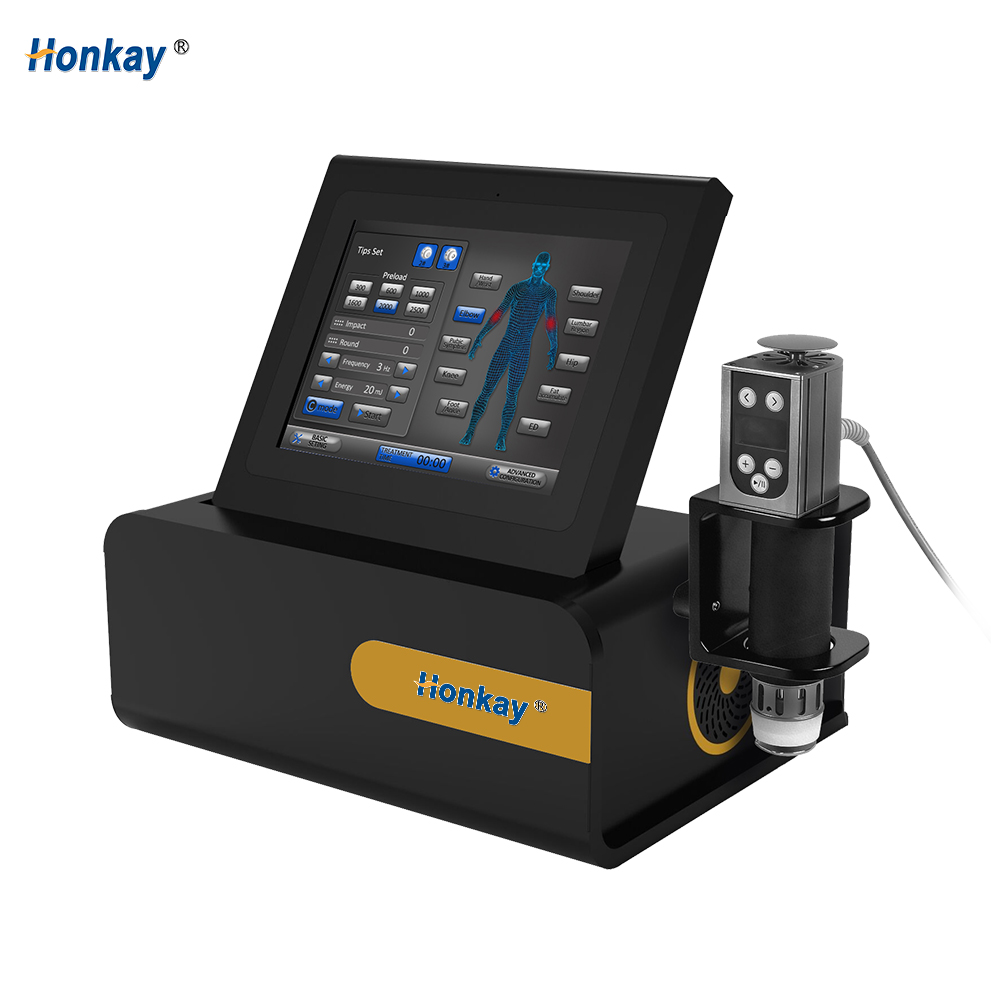
3. The stepping system. Values such as 300, 600, 1000, 1600, 2000 and 2500 on a preload dial are a reproducibility feature. A continuous dial is not. This is the line that decides whether a protocol survives a change of operator.
4. Documentation. A quotation that includes a per-area protocol table, a contraindication list and a parts list is worth more than one that includes a brochure. Ask for all three before comparing prices, because the cheap quote often omits exactly these.
5. Warranty scope, not just period. A term without a scope tells you nothing about who pays for freight on a replacement part. Ask for the period, the components covered and the freight arrangement in writing.
Read those five lines and the two quotes stop looking like the same machine at two prices.
What the cheaper option actually costs
A lower price is not a defect, and a higher price is not a guarantee. What matters is which of the five lines the difference sits on. Three patterns are worth recognising.
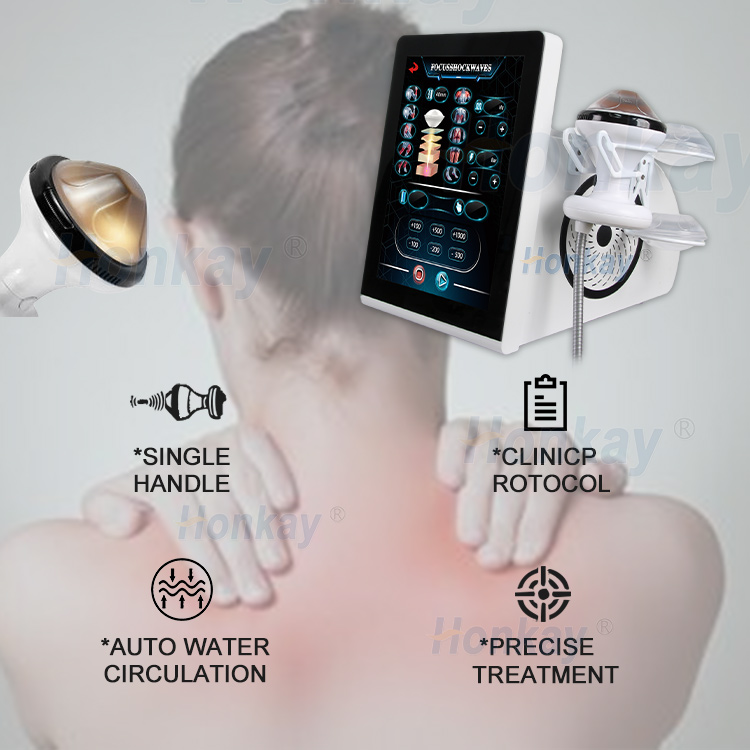
- Cheaper because the head count is smaller. This is the legitimate version. If your list is heel, elbow and shoulder, a smaller head set may genuinely cover it — and you can add heads later. Confirm that heads remain orderable in two years, and confirm the lead time.
- Cheaper because the documentation is thinner. No per-area protocol table, no contraindication list, no parts list. You will pay for that in operator time and in protocol drift, and it does not show up on the invoice.
- Cheaper because the depth specification is unstated. If a quotation does not give the depth range, you cannot tell whether the unit reaches an insertional target at all. An unstated specification is not a saving; it is an unknown.
The same logic runs the other way. Paying more only makes sense if the extra covers heads, documentation, warranty scope or a second channel — items you can point at.

Specifications to confirm in writing
| Line in the quotation | What a complete answer looks like |
|---|---|
| Depth range | A stated figure in one unit (the vendor’s own figure for this platform is 66 mm) |
| Energy range | A stated range with the unit it is measured in |
| Intensity / preload steps | Named step values, not a continuous dial |
| Number of heads | A count, plus which indications each head serves |
| Heads for the ED indication | Named separately if the platform supports it |
| Frequency range | A range and the step size |
| Session timer and counter | Present, and readable by the operator |
| Water circulation | Automatic or manual, and what maintenance it implies |
| Consumables per session | What is required and what it costs |
| Per-area protocol table | Supplied with the machine, not as a marketing page |
| Contraindication list | A written list, supplied with the machine |
| Warranty | 24-month warranty from the factory shipment date, with scope and freight terms |
| Training and after-sales contact | A named contact and a response expectation |
| Spare parts availability | Confirmed for at least two years after purchase |
Frequently asked questions
Why do two quotations for plantar fasciitis treatment shockwave therapy differ so much?
Because they are usually not quoting the same scope. The difference sits in the applicator set, the stated depth and energy ranges, the stepping system, the documentation package and the warranty scope. Compare those five lines before you compare the totals.
Is a more expensive unit always better for heel pain?
No. A unit costs more legitimately when it includes more heads, a second channel, a fuller documentation package or wider warranty scope — items you can list. A higher price with the same five lines filled in the same way is just a higher price.
What specification matters most for heel pain specifically?
Depth and a defined contact area. The target is an insertional point under a soft-tissue layer, so the machine has to reach it and the applicator has to sit on it. If the quotation does not state a depth range, that is the first question to send back.
How many treatment heads do I need?
Enough to cover your list without swapping mid-session. For a heel, elbow and shoulder caseload, three to four heads is often sufficient; clinics that also run the ED indication need the dedicated heads supplied for it. Count them in the quotation rather than assuming.
Do I need the accessory heads if I only treat heels?
You need at least one head that suits a curved surface and a defined target, and a spare if you cannot wait for a replacement. Beyond that, heads are a coverage question rather than a requirement, and they usually remain orderable later.
What should the warranty say?
The period and the scope, in writing. For this class of platform the position is a 24-month warranty from the factory shipment date. Ask specifically which components are covered and whether freight on a replacement part is included, because a period alone does not answer either.
How do I check a depth claim before buying?
Ask for the figure in writing in a single unit and ask what it refers to — peak delivery depth, working range or maximum. Then ask for the per-area protocol table, which shows what settings are used for a target such as a heel insertion. A claim that appears only on a marketing page is not a specification.
What should be in the purchase order?
The head count and what each serves; the depth and energy ranges with their units; the stepping values; the frequency range and step size; consumables per session; the per-area protocol table; the contraindication list; training and the after-sales contact; the parts list; and the warranty period, scope and freight terms.
Request a quotation
Send us the treatment list you are building — heel and tendon cases, or those plus the ED indication — and we will quote the configuration against it rather than quoting a unit and leaving you to fill the gaps. The quotation lists every treatment head with the indication it serves, the depth and energy ranges with their units, the preload steps, the per-area protocol table, the contraindications, consumables per session, training and the after-sales contact, and the warranty period, scope and freight terms in writing.
Manager: Lisa
WhatsApp: +8613751821215
E-mail: hk6@huang-kai.com