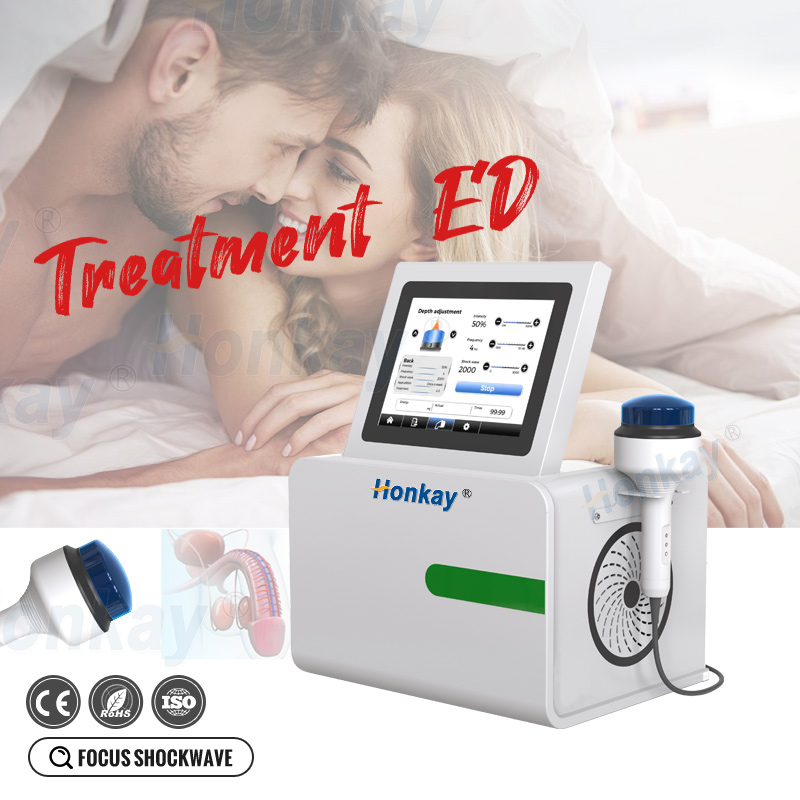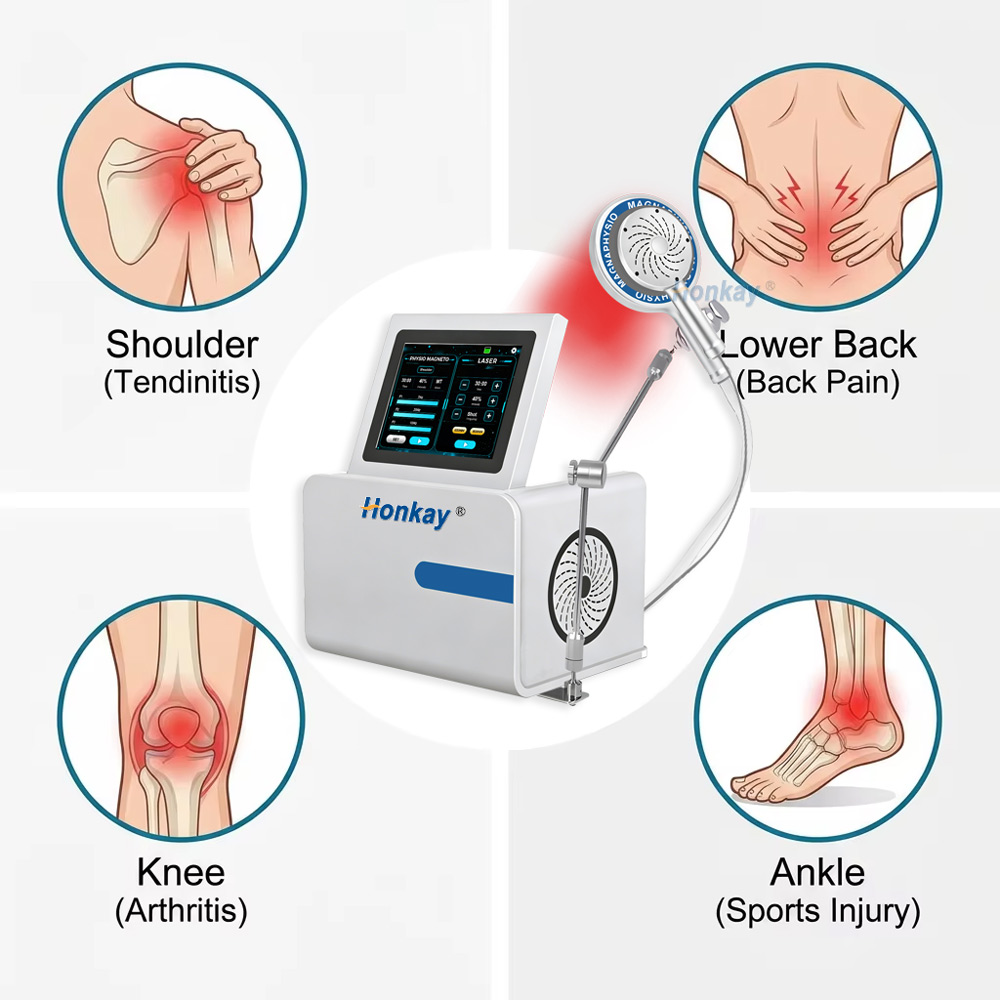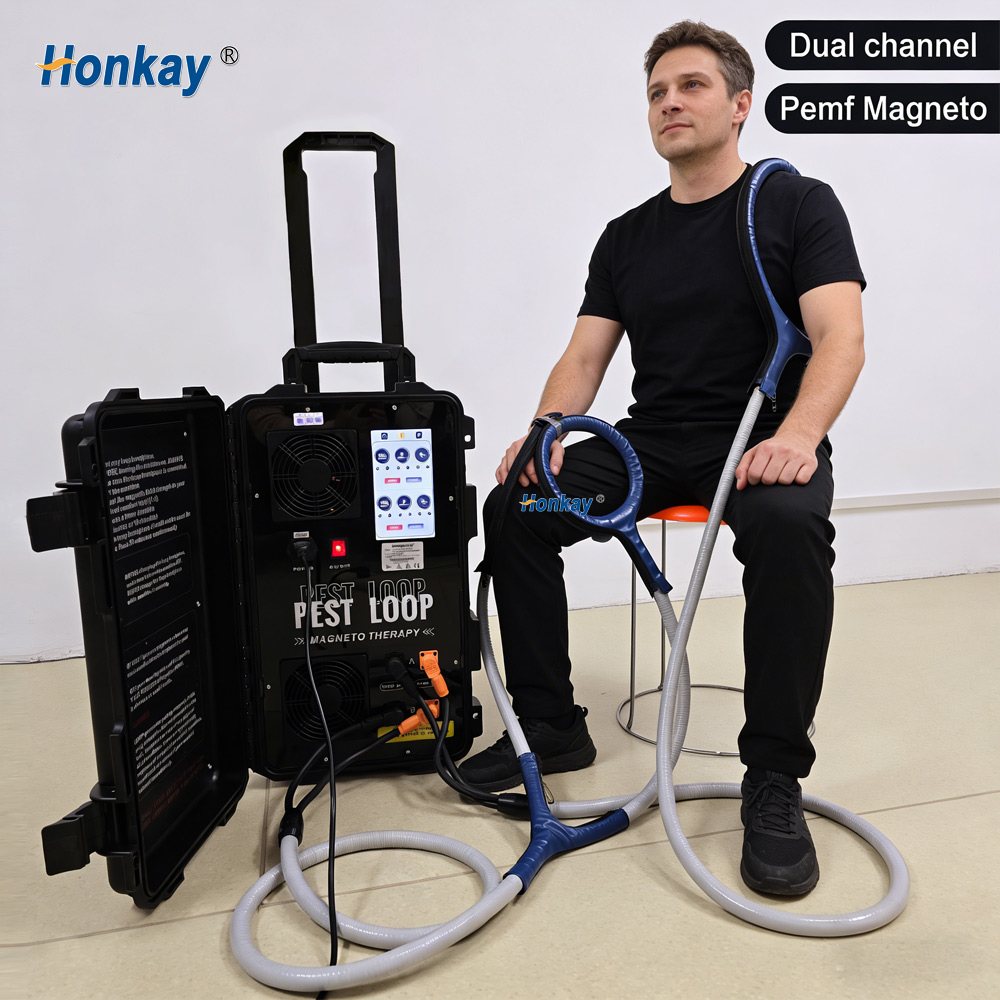
Focused Shockwave Therapy Devices: The Five Numbers a Quote Must State
Two quotes for focused shockwave therapy devices can differ by thousands and still look identical on paper, because most quotations describe the machine and skip the five numbers that actually set the price. If a quote does not state them, you are not comparing devices — you are comparing adjectives.
This is the checklist to send back before you shortlist anything.
Why focused quotes are hard to compare
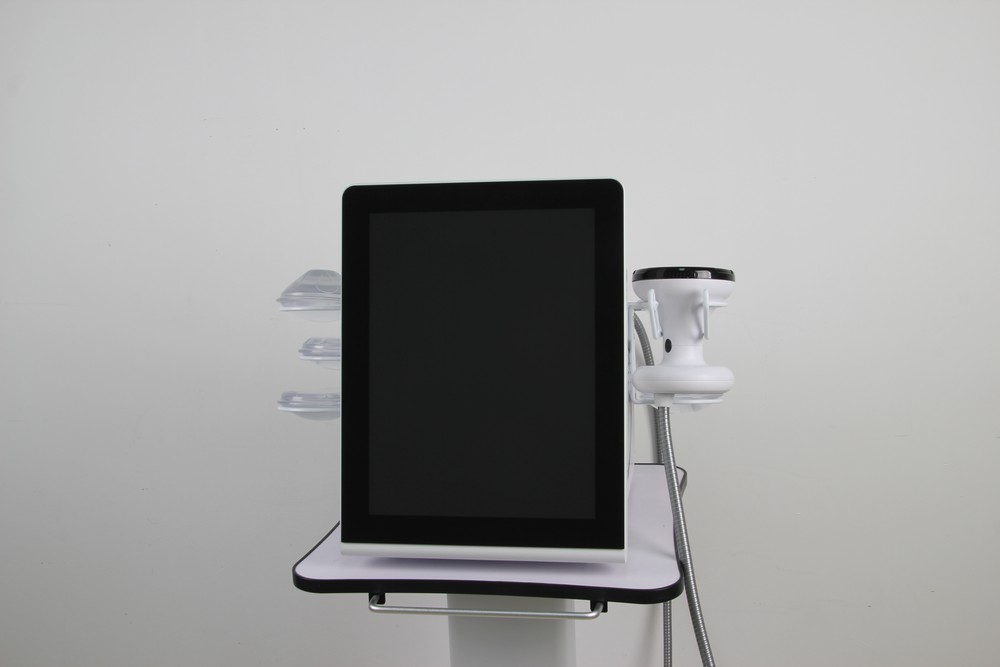
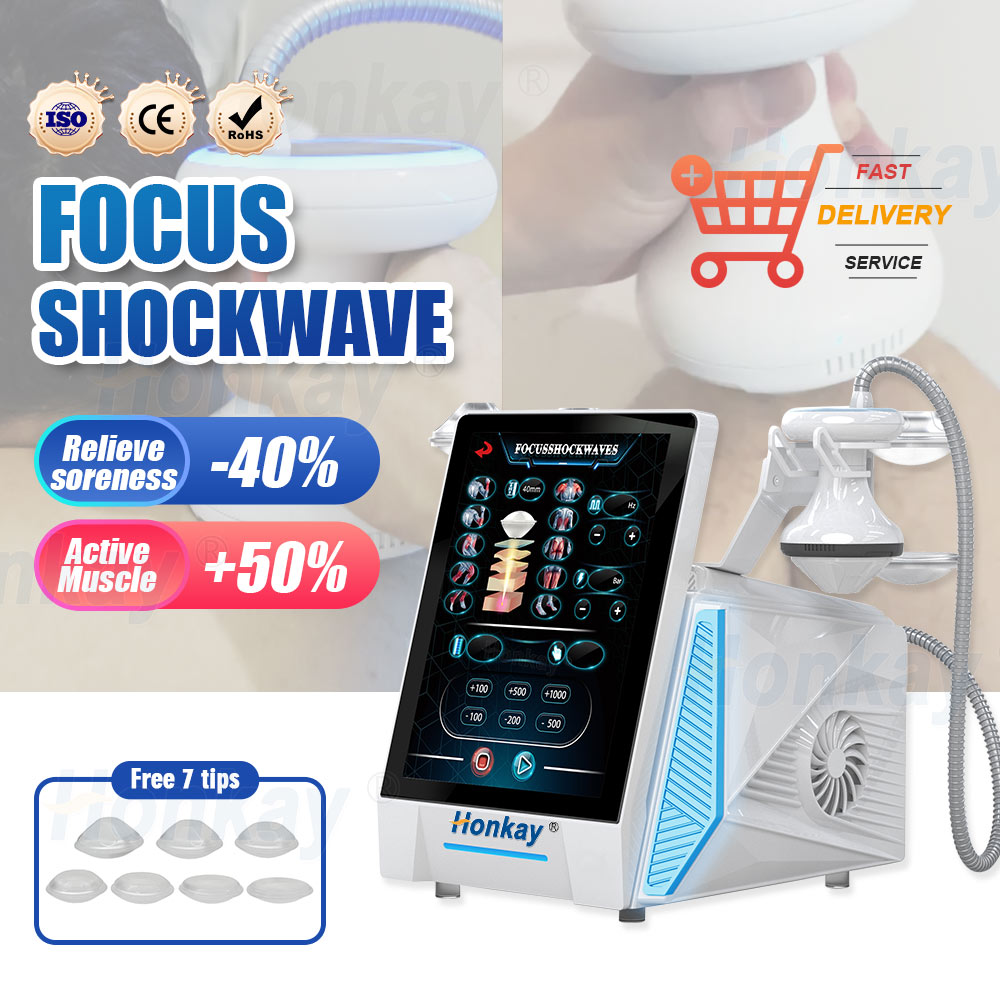
A radial unit is a handpiece and a compressor; the differences show up quickly. A focused unit hides its cost in three places that a one-line quotation never mentions: the energy the generator can produce, the number and size of treatment heads supplied, and what happens when a head wears out.
That is why two suppliers can both answer “focused shockwave machine, one head, CE” and still be quoting different products.
Number one: the energy range, in mJ
Energy on a focused unit is stated in millijoules. What matters for comparison is the range — the lowest and highest setting — not a single headline figure.
Ask for:
- the minimum and maximum energy in mJ;
- the step size between settings;
- whether the maximum is available on every head, or only on the largest one.
That last question separates units more often than the range itself. A headline maximum that only one head can reach is a specification, not a capability.
Number two: how many heads, and what size each one is
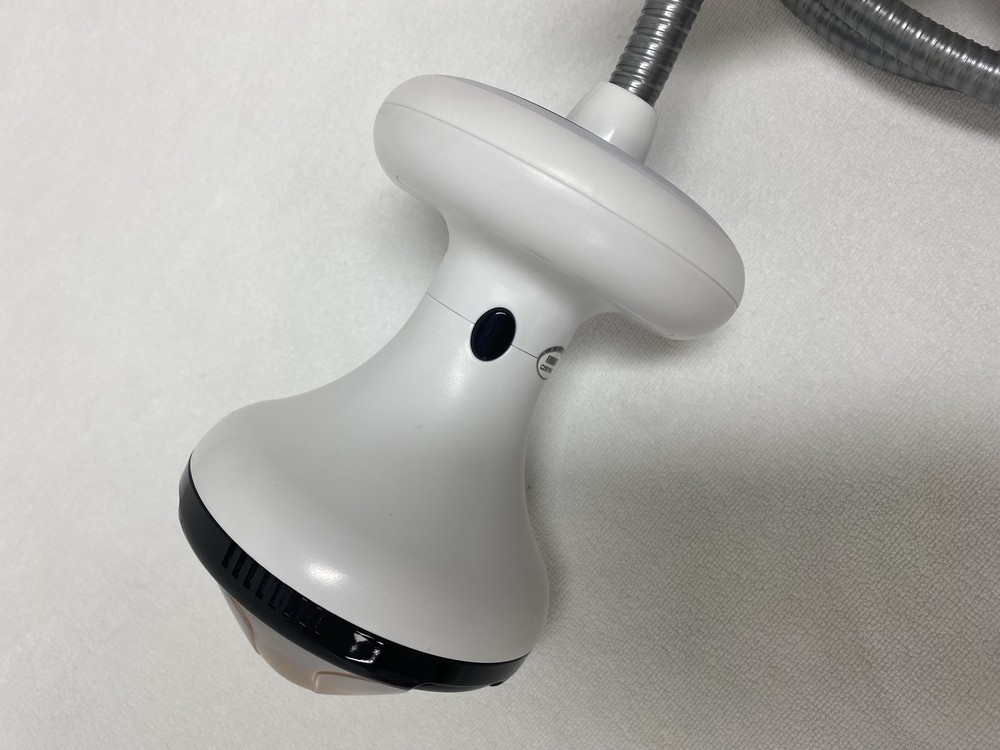
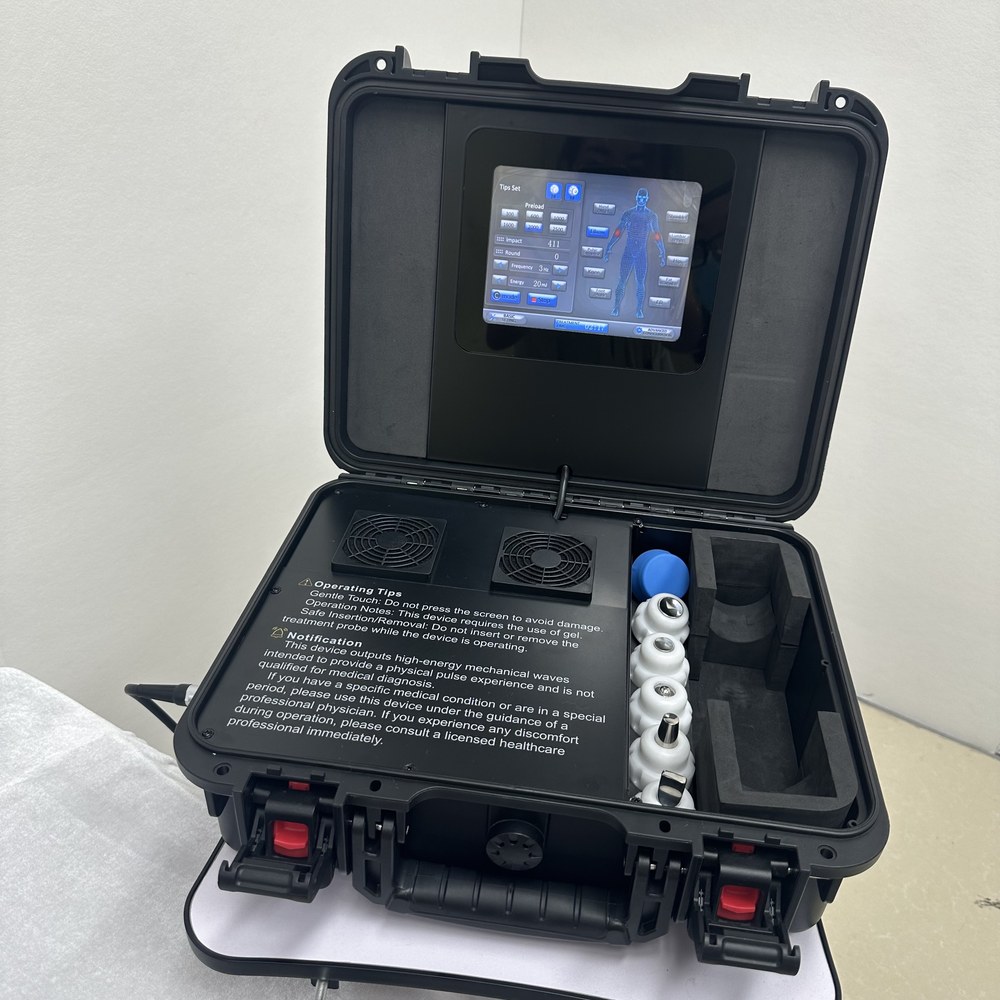
The head — sometimes called the probe or transmitter — is the part that concentrates the wave and the part that eventually wears. So the head count is not an accessory detail; it is most of the usable life of the machine.
Ask for the number of heads, the diameter of each working face, and which head the supplier expects a general musculoskeletal clinic to use most. If the answer is “they are all the same”, the quote is probably describing one head sold three ways.
Number three: working depth, with the setting that produces it
Depth is the number buyers ask for first and understand last. A single figure in centimetres means nothing unless it says which head and which energy setting produced it.
Ask for the depth range, and the combination of head plus energy that reaches the deepest value. A supplier who can answer both is describing a device they have measured; one who answers with a range only is describing a brochure.
Number four: frequency, and what it does to treatment time
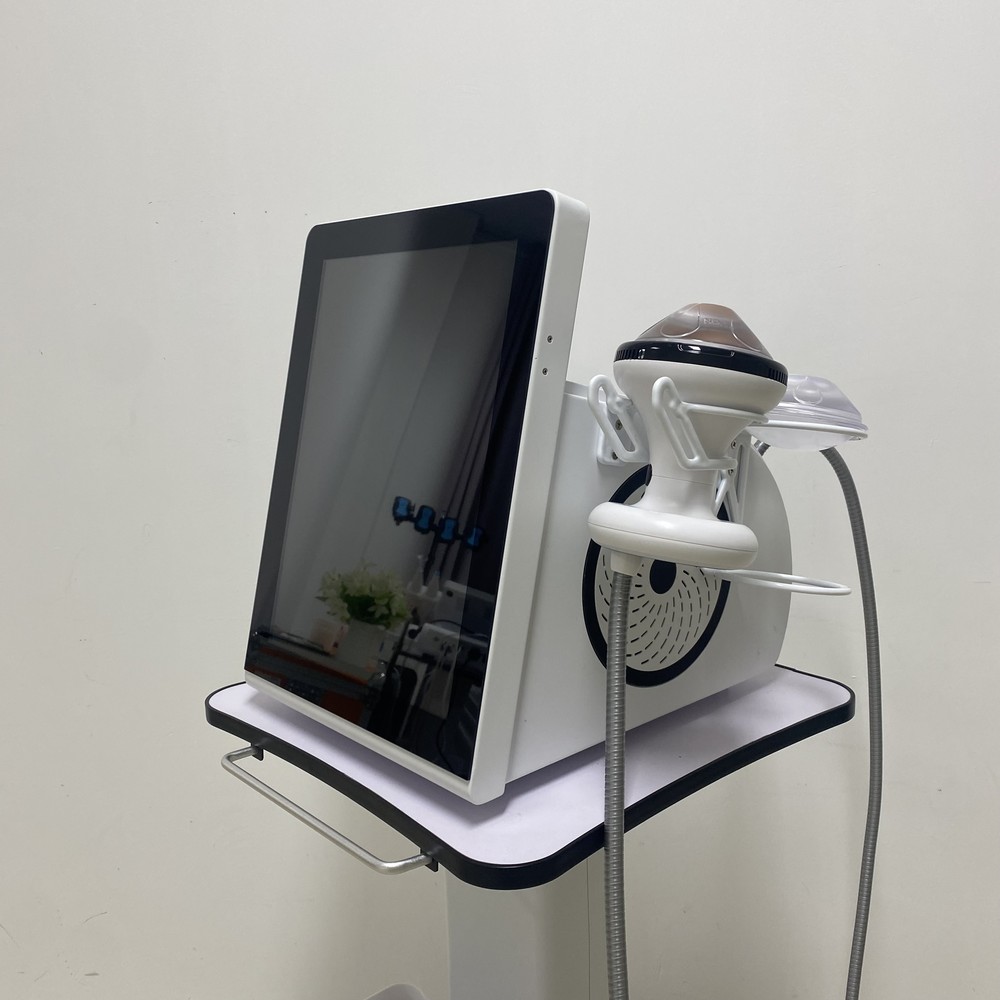
Frequency sets how many pulses arrive per second, and it is the number that decides whether a protocol fits a 20-minute appointment slot.
Ask for the frequency range and, more usefully, for a worked example: a stated number of pulses at a stated frequency equals a stated treatment time. If the supplier cannot convert pulses into minutes, the protocol is not written yet.
Number five: the warranty start date, and what it covers
“One year warranty” is not a number you can compare, because the clock starts somewhere different for every supplier: invoice date, shipment date, or delivery date. The gap between those can be six weeks on a sea freight order.
Ask for the start date in writing, the period, and specifically whether heads and cables are covered or treated as consumables. On most focused units the head is the only expensive wear part, so a warranty that excludes it covers the cheap half of the machine.
| The five numbers | Why it changes the price | What to put in your RFQ |
|---|---|---|
| Energy range (mJ) | Larger generator, wider range | Minimum, maximum, step size, and whether every head reaches the maximum |
| Head count and face diameter | Each head is a machined assembly | Number of heads, diameter of each, which one is the workhorse |
| Working depth | Reflects head geometry and coupling | Depth range plus the head and setting that produce the deepest value |
| Frequency range | Drives electronics and duty rating | Range, plus one worked example of pulses to minutes |
| Warranty start and scope | Moves the real cost of ownership | Start date, period, and whether heads and cables are included |
The blanks that should stop a purchase
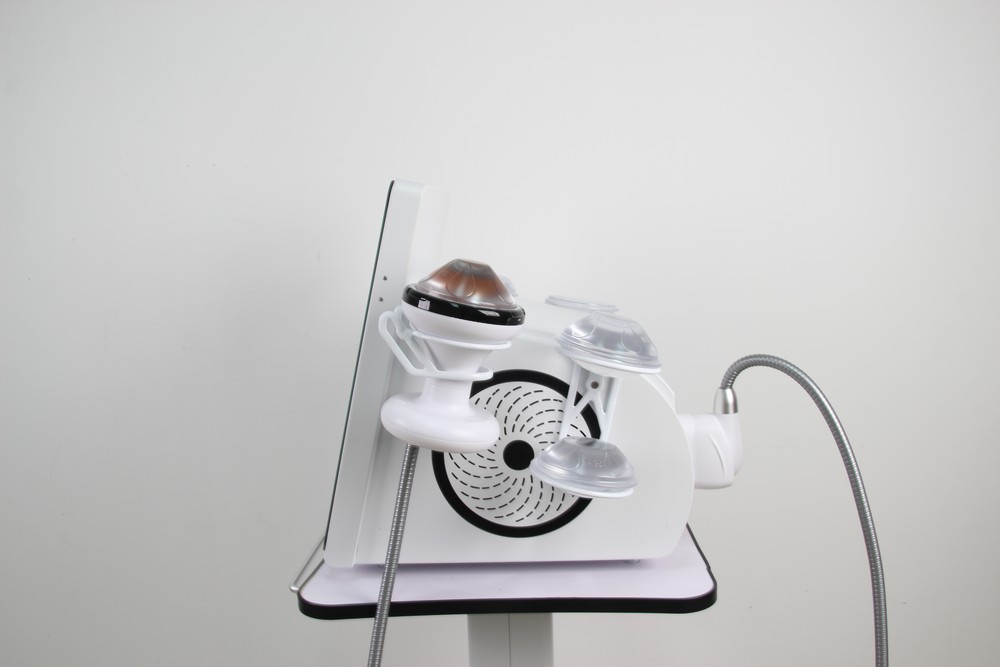
The fastest way to test a quotation is to look for what is missing. Any of these should send it back:
- Energy field left blank, or a range with no step size.
- “Heads: included” with no count and no diameters.
- Depth quoted as a single figure with no setting behind it.
- Warranty with no start date, or a warranty that silently excludes heads.
- No spare head price, which means you cannot calculate year-three cost.
A quote that fills all five is a quote you can compare line by line against another one. That is the whole test.
Housing and freight change the total too
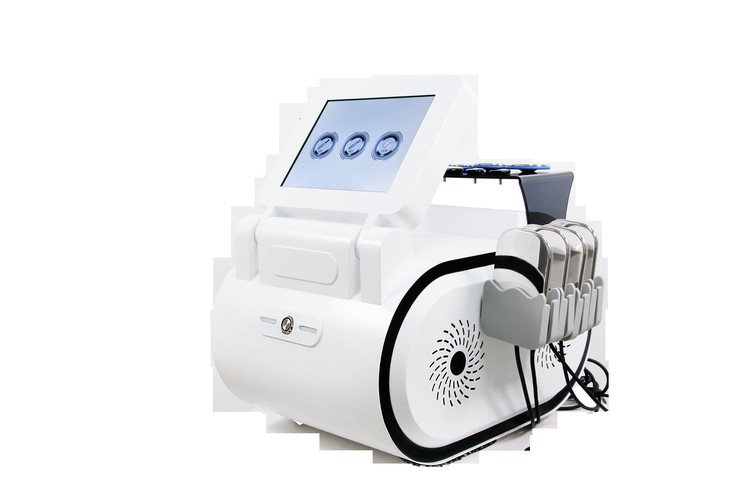
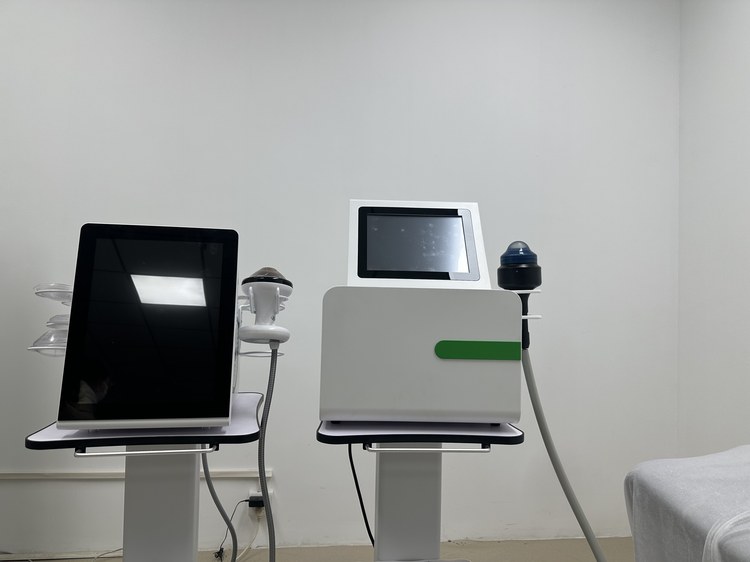
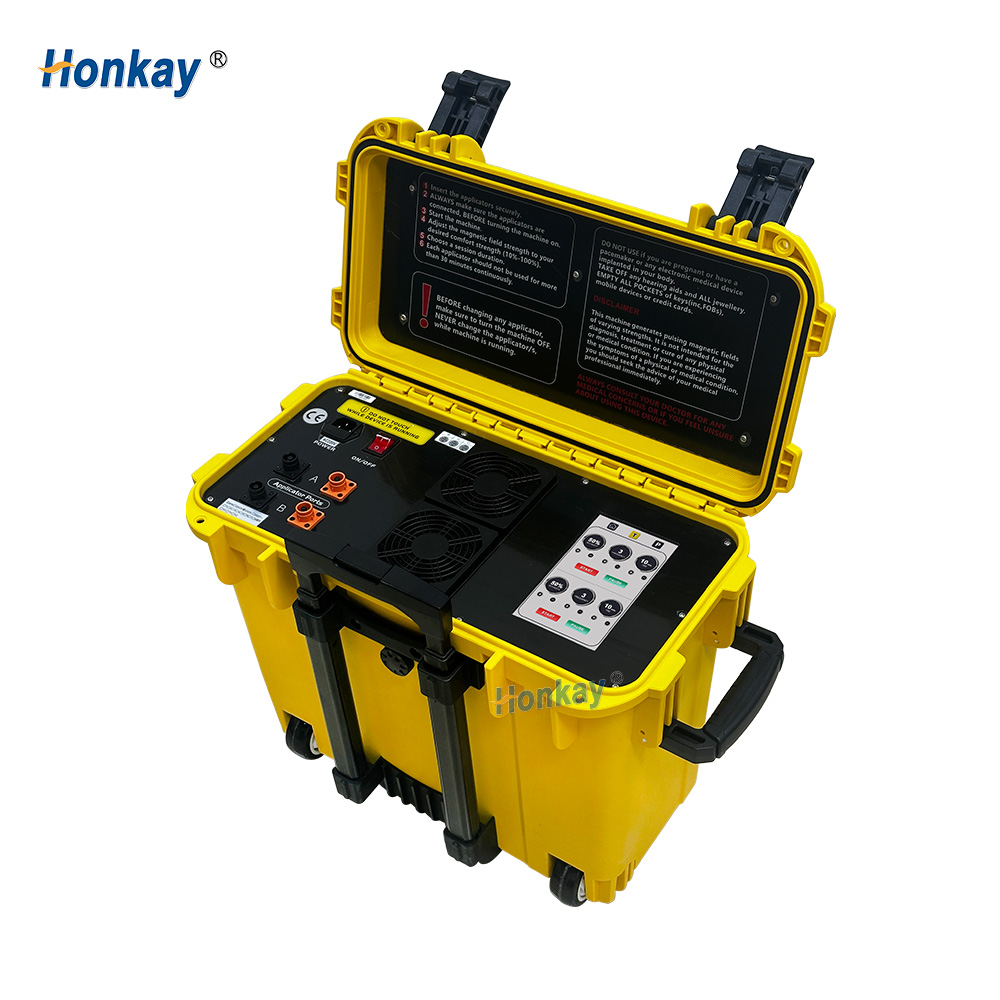
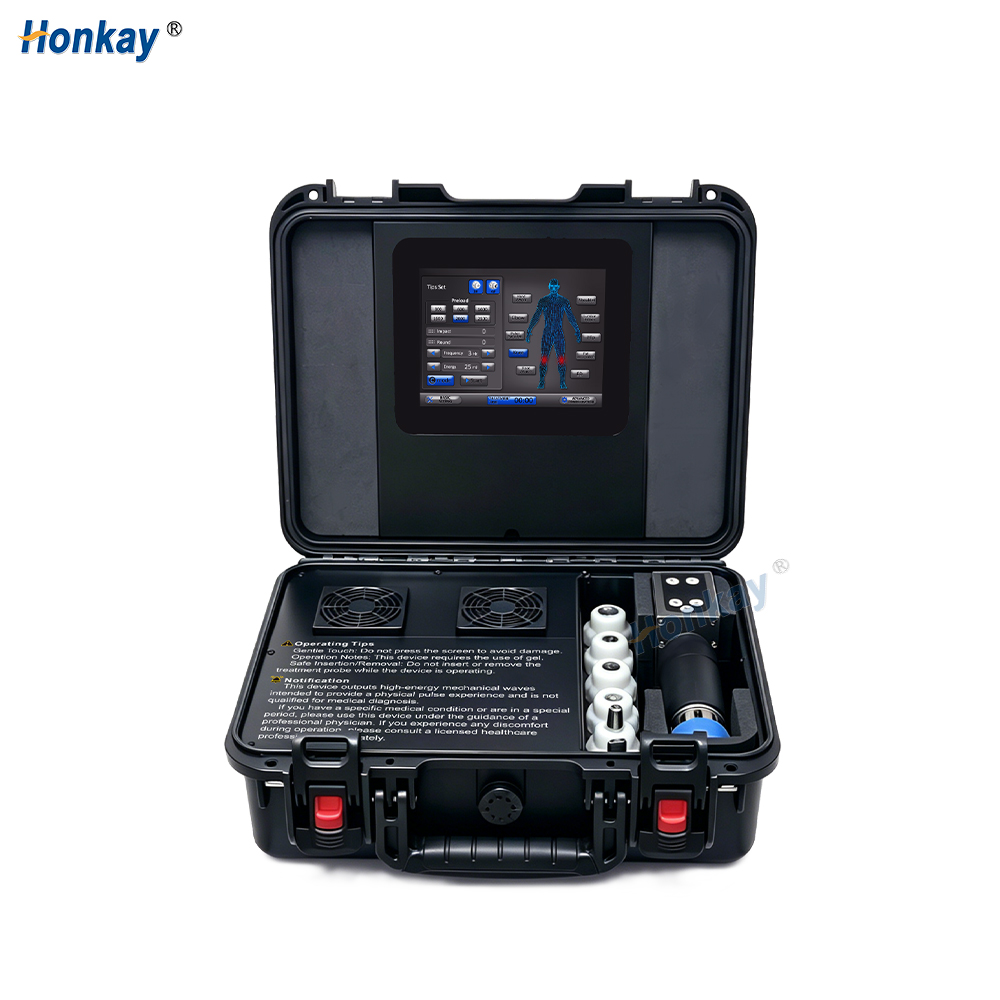
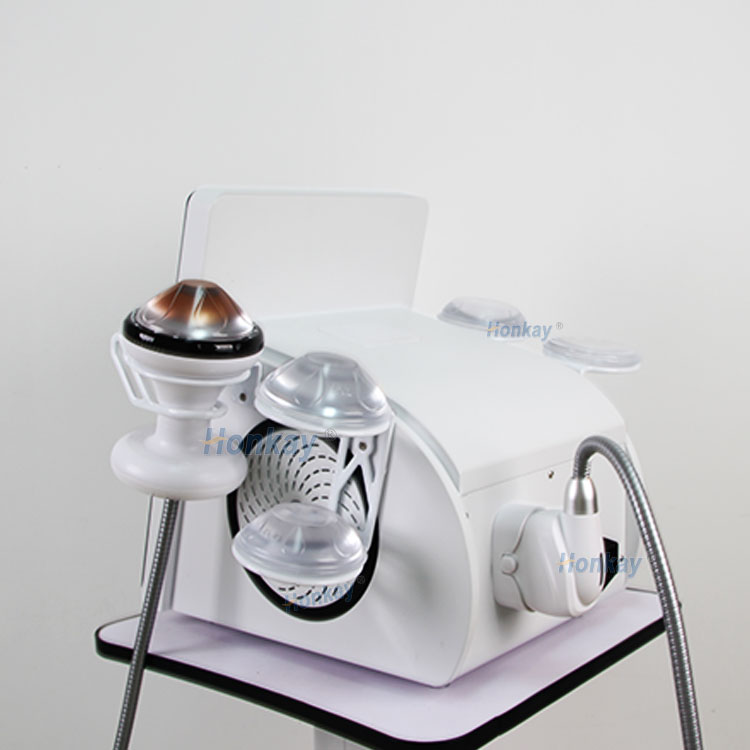
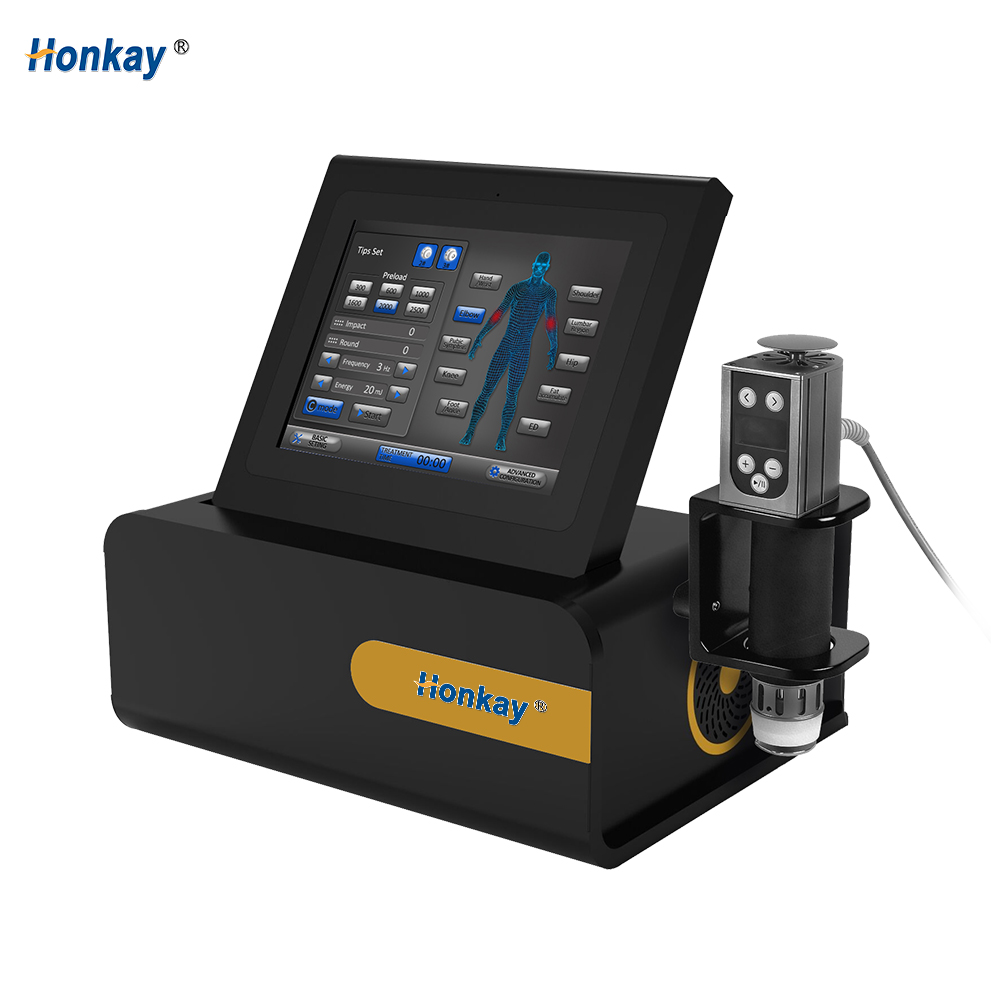
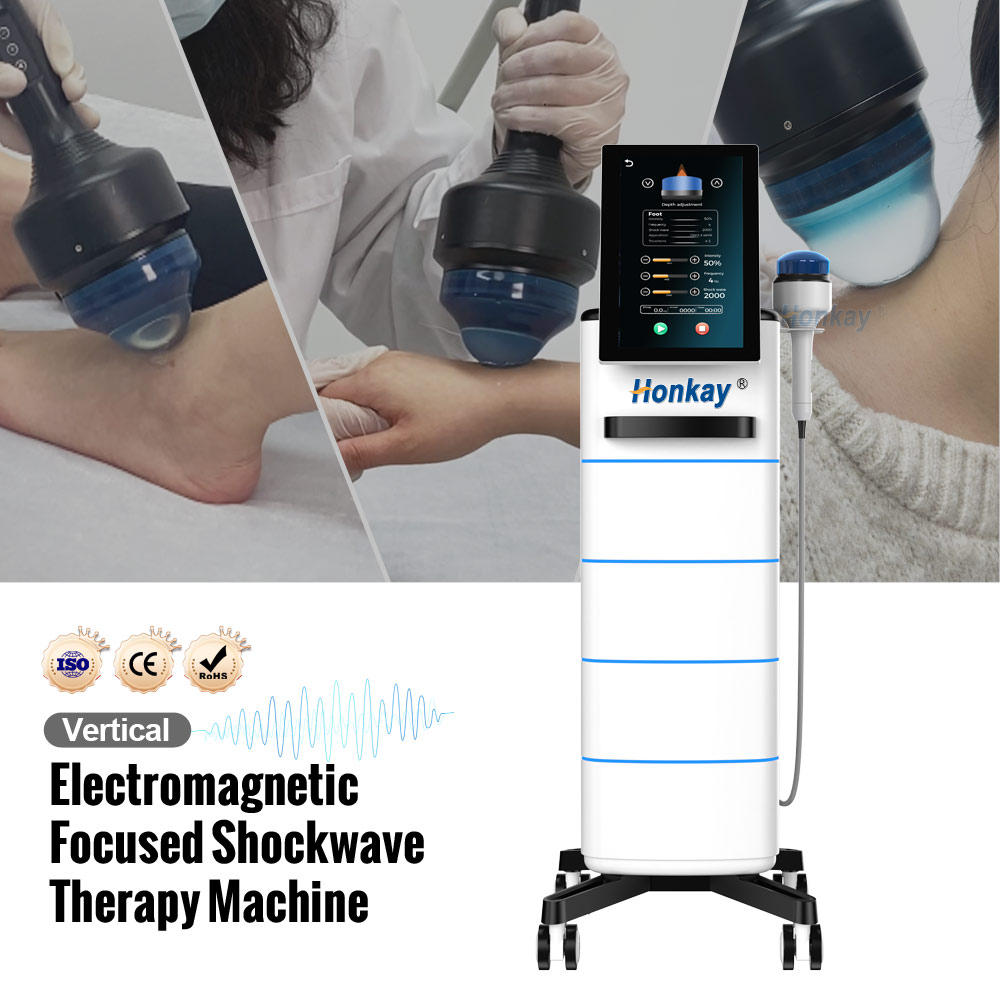
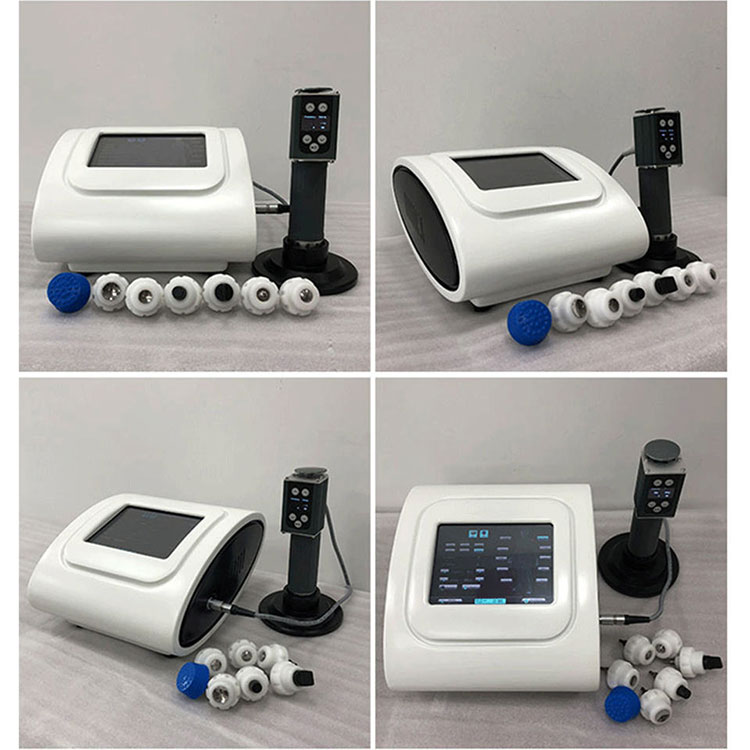
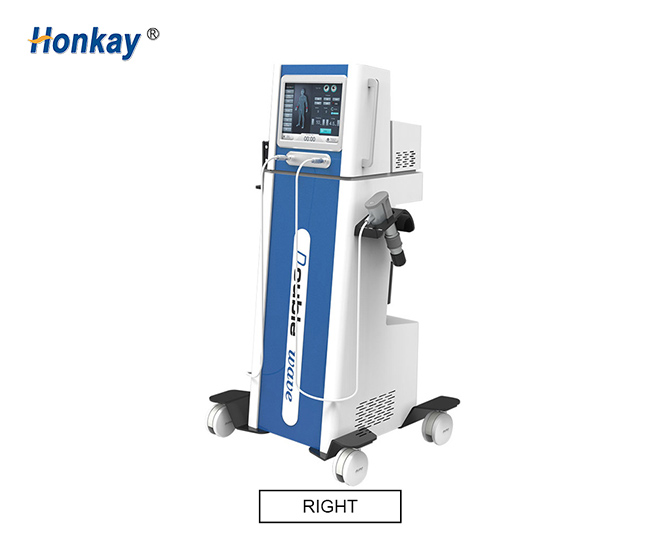
The same platform is often offered in a floor-standing housing and in a trolley-mounted version. Neither is better; the choice is about room layout and whether the unit has to move between treatment rooms.
Two line items are worth adding before you sign: one spare head of the size you will use most, and one spare cable. Ordering them with the machine costs less than ordering them after a failure, and a clinic without a spare head cannot run the machine while a replacement is in transit.
What to ask in writing
- Energy range in mJ, step size, and which heads reach the maximum.
- Number of treatment heads and the face diameter of each.
- Working depth range, and the head plus energy setting that produces the deepest value.
- Frequency range, with one worked example of pulses converted into treatment minutes.
- Warranty start date, period, and whether heads and cables are included.
- Price and lead time for one spare head and one spare cable.
Six questions, one email. Any supplier who answers all six is worth a second conversation.
Frequently asked questions
How many heads should a focused unit come with?
Enough to cover the areas you treat, plus one spare of the size you use most. The exact count matters less than knowing the diameter of each face and which one is the workhorse.
Is a higher maximum energy always better?
Not by itself. The useful comparison is the range and whether every head reaches the top setting. A high maximum available on one head only is a marketing figure.
Why does depth need a setting attached?
Because depth changes with the head and the energy applied. A depth quoted without those two conditions cannot be reproduced or verified.
What does “warranty one year” usually mean?
It usually means a start date the supplier chooses — invoice, shipment or delivery. Ask which, and ask separately whether heads and cables are covered or classed as consumables.
Are treatment heads consumable?
They wear with use, and they are the most expensive replaceable part. That is why the spare head price belongs in the original quotation, not in a later email.
Can I add heads later?
Yes, but they arrive with express freight and the machine sits idle until they do. Adding one spare at order is the cheaper version of the same decision.
Do I need the standing housing or the trolley version?
They carry the same platform. Choose by room layout: a trolley version moves between rooms, a standing unit stays in one place.
What should the RFQ include besides price?
The five numbers above plus the spare head and cable prices. Without them, two quotes cannot be ranked.
About Honkay
Honkay has built physiotherapy and aesthetic equipment since 2005, including focused and radial shockwave platforms, magneto and PEMF systems, and TECAR units. Machines are assembled and tested in-house before packing, and the range carries a 24-month warranty from factory shipment.
Send the six questions, then compare
If a quotation arrives without the five numbers, send the list above back before you shortlist. The Honkay team answers them in writing, including head prices and lead times.
- WhatsApp: +8613751821215
- E-mail: hk6@huang-kai.com
- Manager: Lisa
This device is intended for adjunctive use alongside professional care, not as a replacement for diagnosis or treatment. Suitability should be confirmed with a qualified clinician; individual experience varies.